Understanding Jeep Cherokee Wheel Bearing Replacement Cost
A wheel bearing is a crucial part of your Jeep Cherokee, allowing your wheels to spin freely with minimal friction. When it starts to fail, you'll notice a humming or grinding noise, especially when turning.
Ignoring a bad wheel bearing can lead to more significant damage, including a wheel coming off while driving, a very dangerous situation. Knowing the potential costs involved in replacing a Jeep Cherokee wheel bearing is essential for budgeting and making informed decisions about vehicle maintenance.
This guide will break down the factors influencing the cost, provide estimated figures, and offer tips to help you manage expenses.
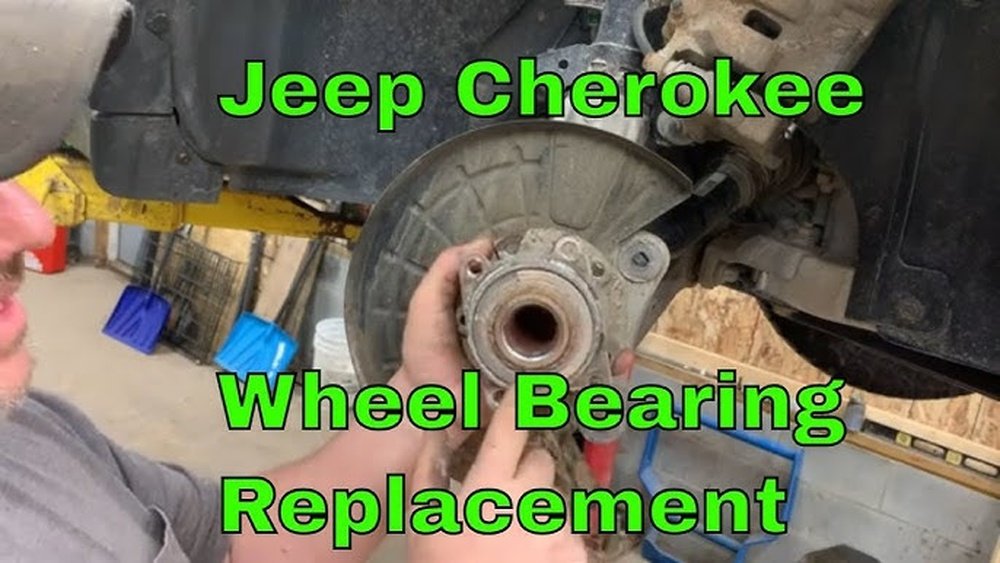
The cost of replacing a Jeep Cherokee wheel bearing can vary significantly. Several elements contribute to the final price tag, from the type of bearing your specific Cherokee model uses to the labor rates in your area. Understanding these components will help you get a clearer picture of what to expect when this necessary repair arises. We’ll explore the price of parts, the labor involved, and how different choices can impact the overall expense.
Factors Affecting Jeep Cherokee Wheel Bearing Replacement Cost
Several key factors determine the total cost of replacing a wheel bearing on your Jeep Cherokee. These can range from the specific year and model of your vehicle to the quality of parts you choose and where you get the repair done.
Vehicle Model And Year
Different Jeep Cherokee generations and model years often use different types of wheel bearings. For instance, older models might have serviceable bearings that can be repacked, while newer ones typically feature sealed bearing assemblies that must be replaced entirely. The complexity of the suspension system and the ease of access to the bearing also play a role. A model with a simpler design might take less labor time, thus reducing costs.
Type Of Wheel Bearing
There are generally two main types of wheel bearings:
- Traditional Ball Bearings: These are often found in older vehicles or specific applications. They can sometimes be serviced by cleaning and repacking with grease.
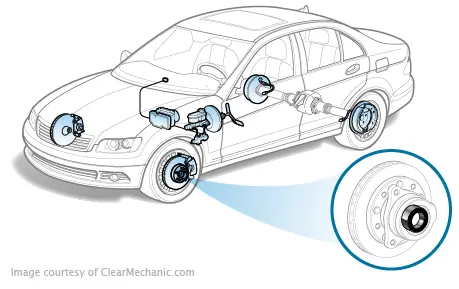
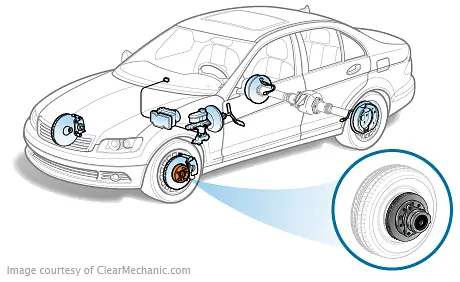
- Sealed Bearing Hub Assemblies: Most modern vehicles, including many Jeep Cherokees, use these. They are a pre-sealed unit that combines the bearing and the hub. When one part fails, the entire assembly needs to be replaced. These are generally more expensive upfront but offer greater durability and less maintenance.
The sealed bearing hub assembly is the more common replacement for a Jeep Cherokee. The cost of these assemblies can vary based on brand and quality.
Parts Quality And Brand
Just like with any car part, there’s a wide range of quality and price for wheel bearings.
- OEM (Original Equipment Manufacturer) Parts: These are made by or for Jeep and are designed to meet the manufacturer’s specifications. They often offer the best fit and longevity but usually come with a higher price tag.
- Aftermarket Parts: These are made by third-party companies. They can range from budget-friendly options to high-performance parts. While some aftermarket brands are excellent and offer great value, others may be of lower quality and might not last as long. Choosing a reputable aftermarket brand can save you money without sacrificing too much quality.
Labor Costs
The labor rate charged by a mechanic or repair shop is a significant portion of the total cost. This rate varies widely depending on your geographic location. Major metropolitan areas typically have higher labor costs than rural areas.
The time it takes to replace the bearing also impacts labor costs. A mechanic might estimate anywhere from 1 to 3 hours per wheel, depending on the complexity of the job and any complications encountered. Factors like rusted bolts, seized components, or the need to replace additional parts (like brake rotors or calipers if they are damaged during removal) can increase labor time and, consequently, cost.
Additional Parts Needed
Sometimes, the wheel bearing replacement isn’t a straightforward job. Other components might need to be replaced or serviced simultaneously, adding to the overall expense. These can include:
- Brake Rotors: If the bearing has been failing for a long time, it can damage the rotor, requiring its replacement.
- Brake Pads: It’s often recommended to replace brake pads when replacing rotors or if they show significant wear.
- ABS Sensor: The Anti-lock Braking System (ABS) sensor is often integrated into the wheel bearing assembly. If the sensor is damaged or faulty, it will need to be replaced along with the bearing.
- Hub Nut/Castle Nut: Sometimes, these nuts are single-use and must be replaced for safety.
- Suspension Components: In rare cases, other suspension parts might be stressed or damaged during the bearing replacement process.
Estimated Costs For Jeep Cherokee Wheel Bearing Replacement
To give you a clearer idea, let’s break down the estimated costs. These figures are approximate and can change based on the factors mentioned above.
Parts Cost
The price of a wheel bearing or hub assembly for a Jeep Cherokee can range from $50 to $250 or more.
- Budget Aftermarket: You might find basic aftermarket bearings for around $50-$100.
- Mid-Range Aftermarket: Reputable aftermarket brands often fall in the $100-$175 range.
- OEM Parts: Jeep dealership parts are typically the most expensive, often costing $150-$250+.
It’s important to note that often the wheel bearing is integrated into the hub assembly, so you are usually replacing the entire hub assembly.
Labor Cost
Mechanics typically charge between $75 and $150 per hour for labor. As mentioned, replacing a wheel bearing can take 1 to 3 hours per wheel.
- One Wheel Bearing: If only one bearing needs replacement, you could be looking at $150 to $450 in labor costs.
- Multiple Wheel Bearings: If multiple bearings are failing (which can happen, especially on older vehicles), the labor cost will increase proportionally. For example, replacing two bearings could cost $300 to $900 in labor.
Total Estimated Cost
Combining parts and labor, here’s a general estimate for a single Jeep Cherokee wheel bearing replacement:
- Using Budget Aftermarket Parts: $50 (part) + $150 (labor) = $200 minimum
- Using Mid-Range Aftermarket Parts: $125 (part) + $250 (labor) = $375 typical
- Using OEM Parts: $200 (part) + $300 (labor) = $500+
If you need to replace all four wheel bearings, the cost could easily range from $800 to $2000 or more, depending heavily on the parts chosen and labor rates.
Pro Tip: It’s often a good idea to have both front wheel bearings replaced at the same time, even if only one is showing symptoms. This is because they experience similar wear and tear, and replacing them in pairs can save you on labor costs down the line if the other one fails soon after. The same logic can apply to rear bearings.
When To Replace Your Jeep Cherokee Wheel Bearing
The most common sign of a failing wheel bearing is noise. However, other symptoms can also indicate a problem. Recognizing these signs early can prevent further damage and more costly repairs.
Common Signs Of A Failing Wheel Bearing
- Noise: This is the most prevalent symptom. It often starts as a humming, rumbling, or grinding noise that gets louder as you accelerate. The noise might change or disappear when you turn the steering wheel. For instance, if the noise gets louder when turning right, the left wheel bearing is likely the culprit.
- Vibration: You might feel a vibration or pulsing sensation in the steering wheel or the floor of the vehicle, especially at higher speeds.
- Loose or Wobbly Wheel: In severe cases, the wheel might feel loose, or you might notice it wobbling slightly when the vehicle is stationary or moving slowly. This is a critical safety issue.
- ABS Light: Many modern Jeep Cherokees have an ABS sensor integrated into the wheel bearing assembly. If the bearing fails or the sensor is damaged, the ABS warning light on your dashboard may illuminate.
- Uneven Tire Wear: A bad wheel bearing can cause your tires to wear unevenly, developing a cupping or scalloping pattern.
The Importance Of Timely Replacement
Ignoring a worn wheel bearing can lead to a cascade of problems. The bearing can seize up completely, causing the wheel to lock or even detach from the vehicle while driving. This is an extremely dangerous situation that can result in serious accidents.
Furthermore, a failing bearing puts extra stress on other components, such as the brake system and suspension. Early replacement is not only about safety but also about preventing more extensive and costly repairs to related parts.
Diy Vs. Professional Replacement
Deciding whether to tackle a wheel bearing replacement yourself or take it to a professional mechanic is a significant decision that impacts both cost and time.
Diy Replacement
Replacing a wheel bearing can be a challenging DIY project. It requires specific tools and a good understanding of automotive mechanics.
Tools You Might Need:
- Jack and jack stands
- Lug wrench
- Socket set and wrenches
- Torque wrench (essential for proper tightening)
- Pry bar
- Hammer
- Possibly a pickle fork or bearing separator
- A press (if replacing just the bearing, not the whole hub assembly)
Steps Involved (Simplified):
- Safely lift the vehicle and remove the wheel.
- Remove the brake caliper and rotor.
- Disconnect any sensors (like ABS sensors).
- Remove the axle nut or hub nut.
- Carefully remove the old hub and bearing assembly. This is often the most difficult step, as components can be seized by rust.
- Install the new hub and bearing assembly.
- Reinstall the axle nut, torquing it to the manufacturer’s specifications.
- Reassemble the brakes.
- Reinstall the wheel and torque the lug nuts.
Cost Savings: If you have the necessary tools and skills, you can save significantly on labor costs, potentially cutting the total expense by 30-50% or more. The primary cost would then be for the wheel bearing part itself.
Risks:
- Incorrect Installation: Improperly torqued nuts or poorly seated bearings can lead to premature failure or even safety hazards.
- Damage to Other Parts: Forcing components or using the wrong tools can damage suspension parts, brake lines, or the new bearing.
- Time Commitment: What might take a professional 1-3 hours can take a DIYer much longer, especially if they encounter unexpected issues.
Professional Replacement
Taking your Jeep Cherokee to a qualified mechanic or dealership ensures the job is done correctly by experienced technicians.
Benefits:
- Expertise: Mechanics have the knowledge and experience to diagnose the problem accurately and perform the replacement efficiently.
- Proper Tools: They have specialized tools, including presses and diagnostic equipment, that most DIYers don’t.
- Warranty: Most reputable shops offer a warranty on both parts and labor, giving you peace of mind.
- Time Efficiency: They can typically complete the job much faster than an average DIYer.
Cost: The main drawback is the higher overall cost due to labor charges. However, for many vehicle owners, the peace of mind and assurance of a correct repair are well worth the expense.
When to Seek Professional Help:
- If you lack the necessary tools or mechanical experience.
- If the vehicle is still under warranty.
- If you encounter seized or rusted components that are difficult to remove.
- If you are not comfortable with the safety aspects of working on a vehicle’s suspension and brakes.
Jeep Cherokee Wheel Bearing Cost Breakdown: A Comparative View
To illustrate how costs can vary, let’s look at a hypothetical scenario. Imagine you need to replace the front passenger-side wheel bearing on a 2015 Jeep Cherokee.
| Component | Option 1: Budget Aftermarket | Option 2: Reputable Aftermarket | Option 3: OEM (Dealership) |
|---|---|---|---|
| **Wheel Bearing** | $60 | $130 | $220 |
| **Labor (2 hrs)** | $160 ($80/hr) | $180 ($90/hr) | $220 ($110/hr) |
| **Shop Supplies** | $10 | $15 | $20 |
| **Tax (8%)** | $18.40 | $25.20 | $35.20 |
| **Total Estimated** | **$248.40** | **$350.20** | **$495.20** |
*Note: Labor rates and part prices are estimates and will vary by region and specific shop.*
This table highlights how choosing a higher-quality part or a dealership service can significantly increase the overall cost. However, it’s also important to consider the potential longevity and reliability of each option. A cheap part might fail sooner, leading to repeat repairs and potentially higher costs in the long run.
Understanding Diagnostic Fees
Before any work begins, many repair shops will charge a diagnostic fee to identify the source of the problem. This fee typically ranges from $75 to $150. If you authorize the repair, this fee is often waived or applied as a credit towards the total repair bill.
It’s crucial to ensure the mechanic has accurately diagnosed the issue. Sometimes, noises can be mistaken. For example, a worn CV joint can sometimes produce sounds similar to a bad wheel bearing. A reputable shop will perform thorough checks to confirm the diagnosis before proceeding with costly repairs.
Tips For Managing Jeep Cherokee Wheel Bearing Replacement Costs
When faced with the need to replace a wheel bearing, there are several strategies you can employ to manage the costs effectively.
- Get Multiple Quotes: Don’t settle for the first quote you receive. Contact several independent repair shops and perhaps a dealership to compare prices for both parts and labor. Be sure to ask if the quote includes all necessary parts, taxes, and fees.
- Choose Reputable Aftermarket Parts: As seen in the cost breakdown, opting for quality aftermarket parts from a trusted brand can offer a good balance between cost and durability. Research brands known for their reliability in Jeep Cherokee forums or automotive review sites.



















