Jeep Cherokee Warning Lights: What They Mean and What To Do
Driving a Jeep Cherokee comes with a sense of confidence and adventure. But when a warning light pops up on your dashboard, that feeling can quickly change to confusion or worry. Understanding what these lights mean—and what actions to take—can make a big difference for your safety and your vehicle’s health. This guide will help you decode the most common warning lights in your Jeep Cherokee, explain their importance, and give practical advice on how to respond.
Understanding Jeep Cherokee Warning Lights
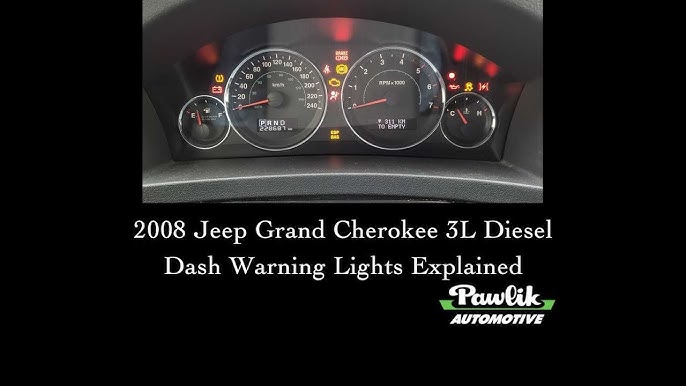
Modern vehicles like the Jeep Cherokee use a network of sensors to monitor everything from engine performance to tire pressure. When something goes wrong, a warning light appears on your dashboard. Some lights are urgent, while others simply remind you to check or service something soon.
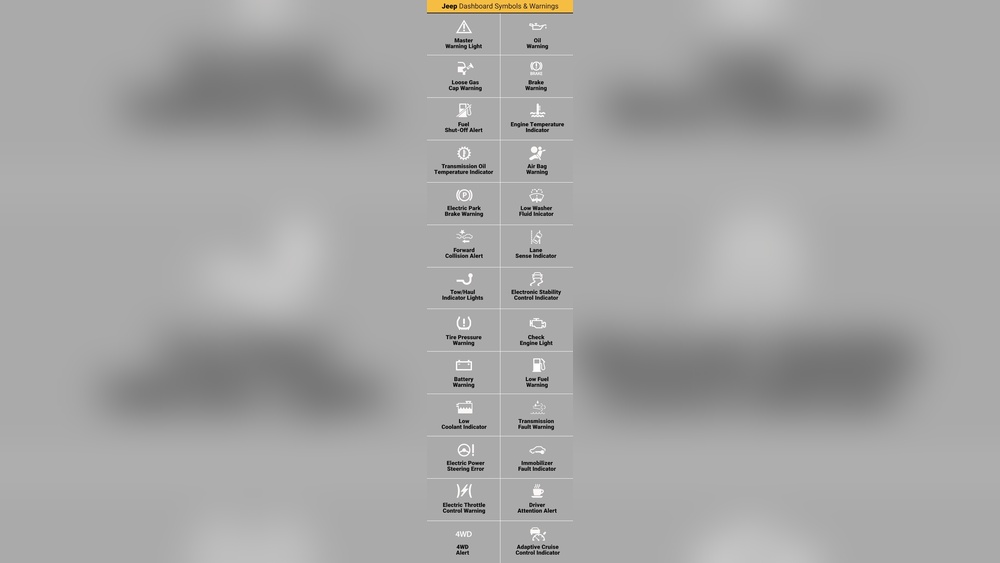
There are three main types of warning lights:
- Red lights: Indicate a serious problem or safety issue. Stop driving as soon as it’s safe.
- Yellow/amber lights: Signal caution. These often relate to emissions or maintenance issues.
- Green/blue lights: Usually just indicators or information (like headlights on).
Knowing which type you’re seeing is the first step to reacting correctly.
Essential Jeep Cherokee Warning Lights
Here are the most common and important warning lights you might see in your Jeep Cherokee, along with what they mean and what you should do.
1. Check Engine Light
The check engine light (sometimes labeled “Service Engine Soon” or just an engine icon) is one of the most recognized, but also misunderstood, warnings.
What it means: The engine or emissions system has detected a problem. It could be minor, like a loose gas cap, or serious, like engine misfiring.
What to do: If the light is steady, check your gas cap first. If tightening it doesn’t help, schedule a diagnostic. If the light is flashing, stop driving and call for service—this can mean engine damage is possible.
2. Oil Pressure Warning Light
This red oil can symbol means your engine oil pressure is low.
What it means: Oil may not be circulating properly, or you could be dangerously low on oil.
What to do: Stop as soon as it’s safe. Check your oil level. Do not continue driving with this light on, as engine damage can happen quickly.
3. Battery/charging System Light
This shows a battery icon and means there’s a problem with your charging system.
What it means: Your alternator isn’t charging the battery. You may lose power soon.
What to do: Turn off non-essential electronics (radio, AC) and drive to a service center. If the car won’t start, you may need a jump start or tow.
4. Brake Warning Light
A red exclamation point in a circle or the word “BRAKE” signals a problem with your brakes.
What it means: The parking brake may be engaged, or there’s a problem with your braking system (like low fluid).
What to do: Check if the parking brake is on. If not, check brake fluid. If the light stays on, don’t drive—get your brakes checked.
5. Tire Pressure Monitoring System (tpms) Light
The horseshoe-shaped light with an exclamation point means a tire is under-inflated.
What it means: One or more tires have low air pressure.
What to do: Check all tires and inflate to the recommended pressure. Driving with low tire pressure can cause a blowout.
6. Abs Warning Light
The letters “ABS” in a circle indicate an issue with your anti-lock braking system.
What it means: The ABS system may not work in an emergency stop, but regular brakes should still function.
What to do: Drive cautiously and get the ABS checked soon.
7. Airbag Warning Light
A person with a circle (airbag) means an issue with the airbag system.
What it means: Airbags may not deploy in a crash.
What to do: Schedule a repair soon. Airbags are critical for safety.
8. Engine Temperature Warning Light
A red thermometer symbol means your engine is too hot.
What it means: Engine overheating can damage the engine quickly.
What to do: Stop driving immediately. Let the engine cool before checking coolant levels.
9. Transmission Temperature Warning
A thermometer inside a gear means your transmission is overheating.
What it means: Towing, heavy loads, or a problem can cause this.
What to do: Stop and let the transmission cool. Continuing to drive can cause major damage.
10. Service 4wd Light
This may appear as “SERV 4WD” or a similar message.
What it means: There’s a problem with your Jeep’s four-wheel-drive system.
What to do: You can usually drive, but avoid tough terrain and get the system checked soon.
Comparison: Urgent Vs. Non-urgent Jeep Cherokee Warning Lights
Recognizing which lights require immediate action can help you avoid bigger problems.
| Warning Light | Urgency | Recommended Action |
|---|---|---|
| Oil Pressure | High | Stop engine, check oil level |
| Brake | High | Check parking brake/fluid, service immediately |
| Check Engine (Flashing) | High | Stop driving, call for service |
| Tire Pressure | Medium | Check and inflate tires soon |
| ABS | Medium | Service soon, drive cautiously |
| Airbag | Medium | Service soon for safety |
| Service 4WD | Low | Avoid off-roading, schedule service |
Less Common Jeep Cherokee Warning Lights
Some Jeep Cherokee warning lights appear less often but still matter.
Electronic Stability Control (esc) Light
This looks like a car with squiggly lines. It means the stability control system is working or has a fault.
- If it flashes: The system is active, helping you stay in control.
- If it stays on: There’s a fault; your vehicle may not handle as expected in slippery conditions.
Security Indicator Light
A car with a key symbol shows there’s an issue with the immobilizer or key fob.
- If the light stays on, try using a spare key or replacing your key fob battery.
Automatic High Beam Indicator
A blue headlight symbol means your high beams are on or in automatic mode.
- No action needed unless you want to turn them off.
Fuel Level Warning
A yellow gas pump warns you’re low on fuel.
- Refuel soon to avoid running out.
Adaptive Cruise Control Warning
A car with a speedometer symbol means a problem with adaptive cruise control.
- The system may be disabled—use manual control and schedule a check.
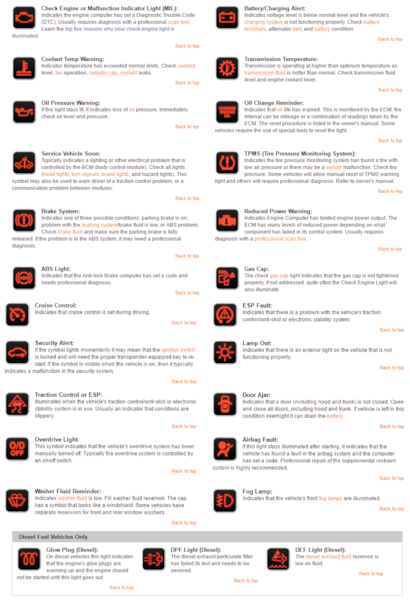
Table: Dashboard Light Colors And Their Meaning
Color is the quickest way to judge warning light urgency.
| Color | Meaning | Examples |
|---|---|---|
| Red | Immediate action required | Oil Pressure, Brake, Engine Temp |
| Yellow/Amber | Check soon/caution | Check Engine, TPMS, ABS |
| Green/Blue | Information/Indicator | Headlights, Cruise Control |
Why Warning Lights Matter
Ignoring warning lights can lead to bigger, more expensive problems. For example, driving with the oil pressure or engine temperature light on can destroy your engine. Even less urgent lights, like the ABS or airbag warnings, can reduce your safety in an emergency.
Surprisingly, many drivers ignore warning lights for weeks, often because they don’t understand them. This can void warranties or cause breakdowns at the worst time.
It’s smart to learn what your dashboard is telling you—the owner’s manual is your friend here.

https://www.youtube.com/watch?v=Ym7MFXb9U_g
Common Mistakes With Jeep Cherokee Warning Lights
Even experienced drivers sometimes make mistakes with dashboard warnings. Here are two insights many beginners miss:
- Not All Warning Lights Mean a Breakdown Is Imminent: For example, a steady check engine light often means you can keep driving for a short time, but a flashing light means stop now. Knowing the difference prevents unnecessary panic—or costly damage.
- Ignoring ‘Minor’ Lights Adds Up: Small issues (like low tire pressure or a weak battery) can turn into major breakdowns if ignored. A weak battery can damage your alternator, and low tire pressure can ruin tires or cause accidents.
Another common mistake: clearing warning lights using a code reader without fixing the actual problem. This can hide important issues and make repairs harder.
How To Respond To A Jeep Cherokee Warning Light
Here’s a step-by-step guide to handling warning lights:
- Note the Color and Icon: Is it red, yellow, or another color?
- Check Your Owner’s Manual: This will explain each symbol for your Cherokee’s model year.
- Take Action Based on Urgency:
- Red lights: Pull over safely. Check fluids or call for help.
- Yellow lights: Schedule service or check yourself soon.
- Green/blue lights: No urgent action.
- Don’t Ignore Persistent Lights: If a light stays on after restarting, there’s a real issue.
- Use Diagnostic Tools Carefully: An OBD-II scanner can read codes, but always follow up with a trusted mechanic.
Real-world Example: When To Pull Over
Imagine you’re driving and the engine temperature warning comes on. If you keep going, your engine could overheat and seize up. Instead, pull over, let the engine cool, and check coolant levels. Waiting just 15 minutes can save you thousands in repairs.
Tips For Preventing Warning Light Issues
You can avoid most warning light surprises with simple habits:
- Regular Maintenance: Stick to your service schedule for oil, brakes, and fluids.
- Check Tire Pressure Monthly: This prevents TPMS lights and extends tire life.
- Replace Key Fob Batteries Annually: Avoid immobilizer and security light issues.
- Keep the Owner’s Manual Handy: It’s the fastest way to decode warning lights.
- Don’t Overload the Vehicle: Heavy loads can trigger transmission or temperature lights.
If you want a deeper explanation of each warning light, the official Jeep Owner’s Manual is a reliable source.
Frequently Asked Questions
What Does A Flashing Check Engine Light Mean In My Jeep Cherokee?
A flashing check engine light is serious. It usually means your engine is misfiring, which can quickly damage the catalytic converter. Stop driving as soon as it’s safe and call for a tow or roadside help.
Is It Safe To Drive With The Abs Warning Light On?
You can usually drive short distances with the ABS warning light on, but your anti-lock braking system may not work if you need to stop quickly or on slippery roads. Get it checked soon for full safety.
Why Does My Tire Pressure Light Stay On Even After Inflating The Tires?
Sometimes, the TPMS light needs the vehicle to be driven a few miles before it resets. If it stays on, check for a slow leak or faulty sensor. Also, very cold weather can trigger the light even if pressure is correct.
What Should I Do If Multiple Warning Lights Appear At Once?
If you see several lights (like check engine, ABS, and brake), you may have a major electrical or charging problem. Safely pull over, turn off the engine, and contact a service center.
Don’t keep driving—multiple lights can mean a system-wide issue.
How Do I Reset Warning Lights After Fixing A Problem?
Most warning lights will turn off automatically after the issue is fixed and a few drive cycles have passed. If not, a mechanic can reset them with a diagnostic tool.
Never clear a light before fixing the cause.
—
Understanding your Jeep Cherokee warning lights is more than just avoiding worry—it’s about staying safe and protecting your investment. Take every light seriously, learn what your Cherokee is telling you, and don’t hesitate to ask a professional for help. With a bit of knowledge and attention, you can keep your Jeep running strong for years to come.