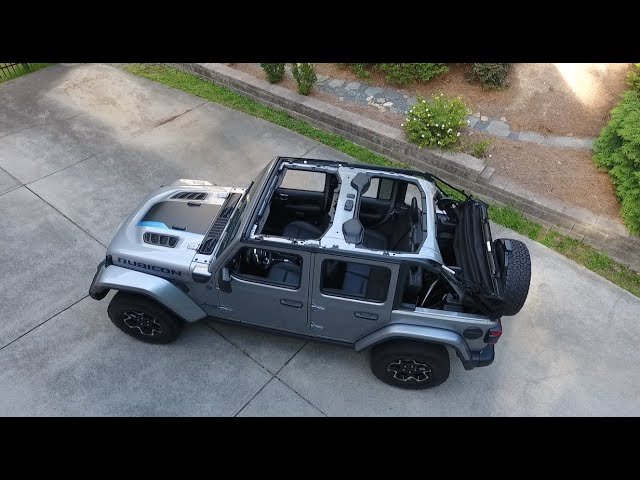
The Jeep Cherokee Trail Rated badge is more than just a logo. It’s a promise, stamped onto select Jeep Cherokee models, that your vehicle is ready for tough roads, harsh weather, and real adventure.
For many drivers, this badge means the difference between a regular SUV and a true off-road companion.
If you’re curious about what “Trail Rated” really means, how it impacts the Cherokee’s performance, and whether it’s worth your investment, you’re in the right place. Let’s break down the facts with clear explanations, practical comparisons, and expert tips for buyers and enthusiasts.
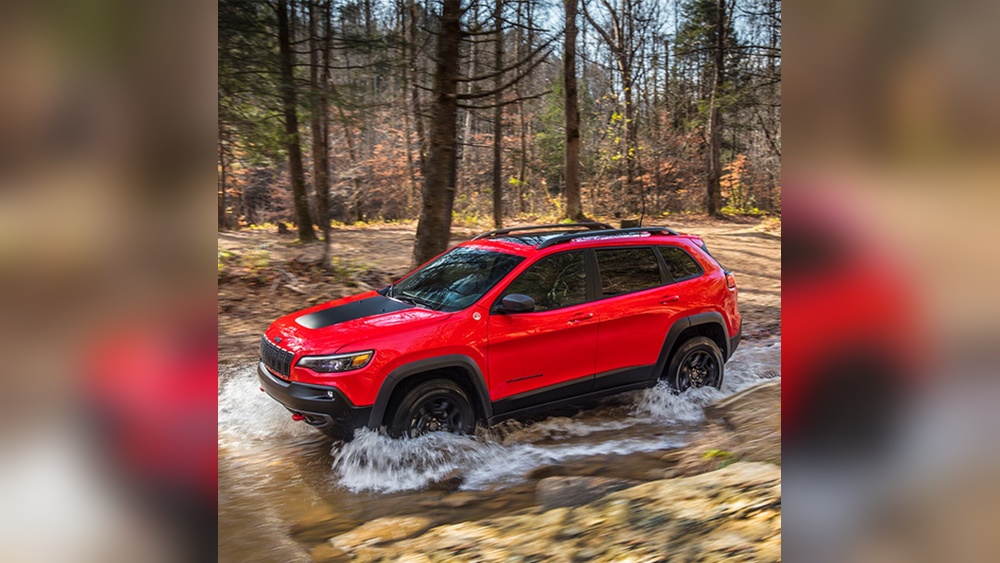
What Does Trail Rated Mean?
The Trail Rated badge is Jeep’s unique test certification. Only models that pass a series of demanding off-road tests earn this badge. These tests focus on five main areas:
- Traction: The ability to keep moving on slippery, uneven, or steep surfaces.
- Water Fording: How well the vehicle handles driving through water.
- Maneuverability: Steering and handling in tight spaces, like rocky trails.
- Articulation: Suspension flexibility for keeping wheels on the ground.
- Ground Clearance: Space between the vehicle and the ground, for avoiding obstacles.
A Trail Rated Cherokee is built to handle tough terrain, not just city roads. Jeep uses real-world testing, often at places like the Rubicon Trail in California, to make sure their badge means something.
Jeep Cherokee Trail Rated Features
Trail Rated Cherokees come with special upgrades. These aren’t just cosmetic. Here are the most important features:
- Active Drive Lock 4×4 System: Provides better control for off-road and slippery conditions.
- Skid Plates: Protects the underbody from rocks and debris.
- Tow Hooks: Useful for recovery if you get stuck.
- All-Terrain Tires: Designed for mud, sand, and snow.
- Hill Descent Control: Helps keep speed steady on steep slopes.
- Enhanced Suspension: Gives better wheel articulation and comfort.
Some trims, like the Cherokee Trailhawk, are always Trail Rated. Others may be Trail Rated if they have the right equipment.
Trail Rated Vs. Non-trail Rated Cherokee
Is a Trail Rated Cherokee really different from a standard Cherokee? The answer is yes, especially if you plan to leave paved roads. Here’s a simple comparison:
| Feature | Trail Rated Cherokee | Non-Trail Rated Cherokee |
|---|---|---|
| 4×4 System | Advanced (Active Drive Lock) | Standard (Active Drive I or II) |
| Suspension | Off-road tuned | Regular |
| Ground Clearance | Higher (up to 8.7 inches) | Lower (up to 7.7 inches) |
| Skid Plates | Standard | Optional or not available |
| Water Fording | Up to 19 inches | Up to 15 inches |
Trail Rated Cherokees are built for adventure. Standard models are better for city and highway driving.
If you only drive on paved roads, a non-Trail Rated model may be enough. But for camping, off-roading, or snow, Trail Rated is a smart choice.
Off-road Performance: Real-world Examples
Drivers often want to know how the Trail Rated Cherokee performs off the road. Let’s look at a few situations:
- Mud and Sand: The advanced 4×4 system and all-terrain tires help prevent getting stuck. Traction control adjusts power to the wheels with grip.
- Rocky Trails: Skid plates protect the vehicle from sharp rocks. The suspension keeps wheels on the ground, improving stability.
- Deep Snow: The Cherokee’s ground clearance and traction system help avoid slipping or bottoming out.
- Water Crossings: With a rated fording depth of up to 19 inches, you can cross streams safely.
Many owners report that Trail Rated Cherokees handle trails that would stop other SUVs. Still, beginners sometimes underestimate tire pressure and speed control, two factors that matter a lot in rough terrain.
Trail Rated Testing: How Jeep Certifies
To earn the Trail Rated badge, the Cherokee goes through tough testing. Here’s how Jeep does it:
- Traction Test: The vehicle must climb steep slopes, handle mud, and stay in control.
- Water Fording Test: Engineers drive through deep water, checking for leaks and engine issues.
- Maneuverability Test: Steering is measured in tight turns, avoiding rocks and trees.
- Articulation Test: Suspension is checked on uneven surfaces to see if wheels stay planted.
- Ground Clearance Test: The vehicle must clear rocks and logs without scraping.
Jeep also tests in real locations, not just labs. For example, the Rubicon Trail is famous for its harsh conditions.
Only vehicles that pass all tests get the badge.
Trail Rated Cherokee Models And Trims
Not all Cherokees are Trail Rated. The most popular Trail Rated trim is the Trailhawk. Here’s a comparison of key Cherokee trims:
| Trim | Trail Rated? | Key Features |
|---|---|---|
| Trailhawk | Yes | Active Drive Lock, Skid Plates, Tow Hooks |
| Latitude | No | Basic 4×4, Standard Equipment |
| Limited | No | Luxury Features, Optional 4×4 |
| High Altitude | No | Premium Trim, Optional 4×4 |
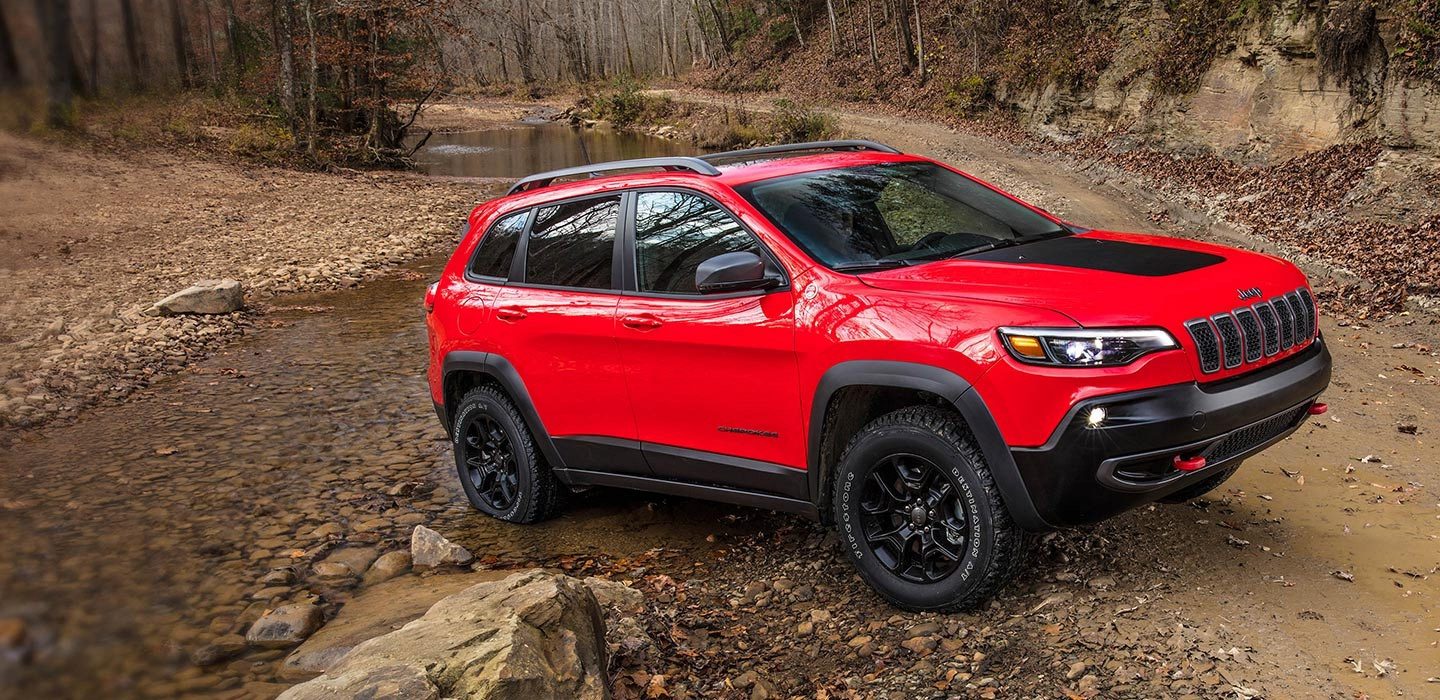
If you want Trail Rated performance, focus on the Trailhawk. Other trims may offer some off-road features, but not the full package.
Buying A Trail Rated Cherokee: What Matters Most
If you’re shopping for a Jeep Cherokee and want the Trail Rated badge, keep these points in mind:
- Purpose: Think about your driving. Are you planning off-road trips, or mostly city driving?
- Trim Level: Only certain trims are Trail Rated. Ask the dealer or check the badge.
- Equipment: Make sure the vehicle has the right 4×4 system, skid plates, and tires.
- Used Models: For used Cherokees, check that previous owners didn’t remove off-road parts.
Beginners often miss checking the 4×4 system. The Trail Rated badge alone is not enough; the right equipment is essential.
Cost, Value, And Ownership
Trail Rated Cherokees usually cost more than standard models, but they offer better value for adventure seekers. Here’s a look at price and ownership:
- Price Difference: Trail Rated (Trailhawk) models cost $2,000–$4,000 more than base trims.
- Maintenance: Off-road features may require extra care, like tire checks and cleaning skid plates.
- Resale Value: Trail Rated models hold value better, especially in regions with snow or rough roads.
Some buyers worry about higher maintenance costs. In reality, regular care and smart driving keep costs reasonable.
For example, cleaning mud from underbody parts and checking tires after off-road trips can prevent problems.
Trail Rated Cherokee: Pros And Cons
Every vehicle has ups and downs. Here are the main pros and cons of the Trail Rated Cherokee:
Pros:
- Excellent off-road ability
- Strong 4×4 system
- Durable protection features
- Good resale value
Cons:
- Higher price
- Slightly lower fuel efficiency
- May ride firmer than standard models
For most buyers, the pros outweigh the cons if they need adventure-ready performance.
Safety And Reliability
Trail Rated Cherokees are designed to handle tough conditions, but safety and reliability matter for all drivers. Here’s what you need to know:
- Safety Ratings: The Cherokee scores well in crash tests, with features like blind spot monitoring and lane keep assist.
- Reliability: Owners report solid reliability, especially for newer models. Common issues include minor electrical problems, but these are not unique to Trail Rated versions.
If you plan to use your Cherokee for off-road, check all safety systems before a trip. Tire pressure, brakes, and 4×4 settings are key.

Trail Rated And Everyday Driving
You might wonder if Trail Rated features help in normal driving. The answer is yes, especially in bad weather. For example:
- Snow and Ice: The advanced 4×4 system gives better control.
- Heavy Rain: Water fording ability and sealed electronics help prevent problems.
- Rough Roads: Suspension and skid plates protect from potholes and debris.
While you may not use every feature daily, Trail Rated Cherokees are more versatile for changing conditions.
Trail Rated Cherokee: Data And Market Statistics
Let’s look at some numbers:
- Jeep Cherokee Trailhawk sales make up about 20% of all Cherokee sales in the US.
- Over 70% of Trail Rated Cherokee owners use their vehicles for camping, hiking, or travel to remote areas.
- Resale values for Trail Rated Cherokees are 10–15% higher than standard models after five years.
These stats show why the Trail Rated badge matters for buyers who value adventure and durability.
Trail Rated Vs. Other Off-road Suvs
How does the Cherokee Trail Rated compare to other off-road SUVs? Here’s a quick comparison:
| Model | Ground Clearance | Water Fording Depth | 4×4 System |
|---|---|---|---|
| Cherokee Trailhawk | 8.7 inches | 19 inches | Active Drive Lock |
| Ford Bronco Sport | 8.8 inches | 17.7 inches | Advanced 4×4 |
| Toyota RAV4 Adventure | 8.6 inches | Up to 19 inches | Dynamic AWD |
The Cherokee Trailhawk stands out for its combination of ground clearance, water fording, and advanced 4×4 system. Each model has strengths, so compare features based on your needs.
Trail Rated Cherokee: Non-obvious Insights
Many buyers miss two important points:
- Tire Choice Matters: Even a Trail Rated Cherokee needs the right tires for the best performance. Upgrading to better all-terrain tires can make a big difference.
- Driving Technique: Features like hill descent control are most effective when used with slow, steady driving. Beginners often rush, reducing the benefit.
If you use your Cherokee for off-roading, learn how to adjust tire pressure and use 4×4 modes properly.
Trail Rated Badge: History And Meaning
Jeep launched the Trail Rated badge in 2004. It was designed to show that Jeep vehicles are tested beyond normal standards.
Today, the badge is respected among off-road fans. It’s not just marketing—it signals real performance.
Jeep uses the badge for several models, including Wrangler, Grand Cherokee, and Cherokee. Each must pass the same tough tests.
For more details on Jeep’s Trail Rated testing, visit the official Jeep Trail Rated page.
Frequently Asked Questions
What Does Trail Rated Mean For The Jeep Cherokee?
The Trail Rated badge shows that the Cherokee has passed Jeep’s toughest off-road tests. It’s ready for mud, rocks, water, and steep slopes.
Which Cherokee Trims Are Trail Rated?
The most common Trail Rated trim is the Trailhawk. Other trims may be Trail Rated if they have special equipment, but Trailhawk is the safest choice.
Is Trail Rated Worth The Extra Cost?
If you plan to drive off-road, or in snow and rough weather, Trail Rated is worth it. The features add value and durability.
Can I Upgrade A Non-trail Rated Cherokee?
You can add some off-road equipment, like skid plates and tires, but you won’t get the full Trail Rated certification without the right 4×4 system.
How Do I Check If My Cherokee Is Trail Rated?
Look for the badge on the side of the vehicle, and check for the advanced 4×4 system and skid plates. Ask your dealer or check the owner’s manual for details.
The Jeep Cherokee Trail Rated badge is a mark of adventure and ability. It means your vehicle is ready for more than just the ordinary road.
Whether you’re a new buyer or an experienced driver, knowing what Trail Rated means helps you choose the right Cherokee for your journey.