The Jeep Cherokee Sport rear wheel trim plays a crucial role in both the aesthetic appeal and the functional integrity of your vehicle. Often overlooked, these specific trim pieces, also known as fender flares or wheel arch moldings, are more than just decorative elements.
They protect your Jeep's body from road debris, mud, and water flung by the tires, and they can significantly enhance the rugged, off-road look that Jeep is famous for.
For owners of the Cherokee Sport model, understanding these components, their variations, and how to maintain or upgrade them is key to preserving their vehicle's value and performance.
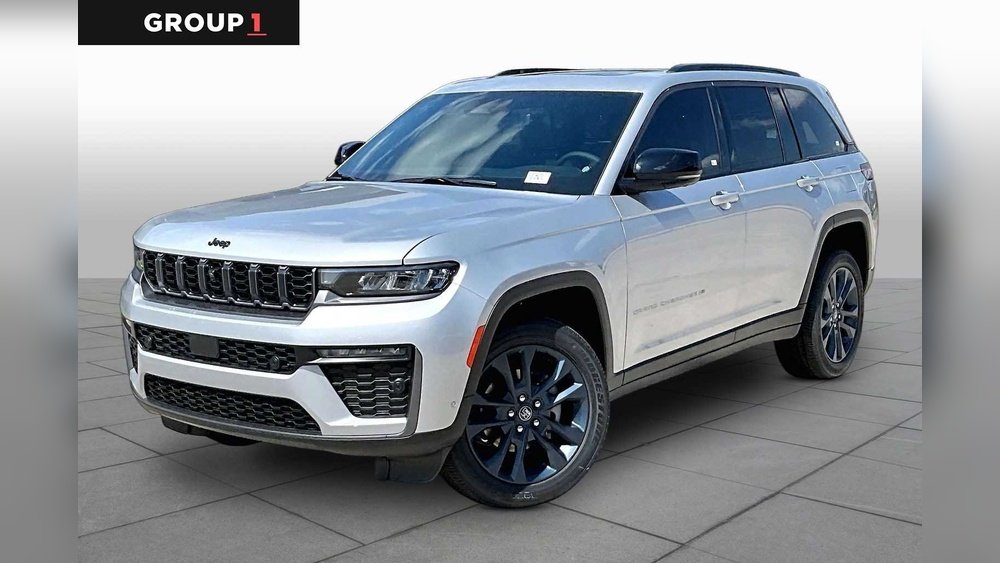
This article will explore the world of Jeep Cherokee Sport rear wheel trim, covering what they are, why they matter, different types available, installation tips, and maintenance advice. Whether you’re looking to replace a damaged piece, customize your Jeep’s appearance, or simply understand your vehicle better, this guide will provide the information you need.
Understanding The Function And Importance Of Rear Wheel Trim
The rear wheel trim on your Jeep Cherokee Sport serves several important purposes. Primarily, it acts as a barrier.
When your tires rotate, they pick up stones, dirt, water, and other materials from the road or trail. Without trim, these elements would be flung directly onto the side panels of your Jeep, leading to scratches, dents, and corrosion over time.
The trim pieces, extending outwards from the body, effectively contain this spray, keeping your vehicle cleaner and preventing long-term damage to the paint and metal.
Beyond protection, the rear wheel trim significantly contributes to the vehicle's visual profile. For the Cherokee Sport, known for its blend of everyday usability and off-road capability, these trims enhance its muscular stance.
They can make the vehicle appear wider and more aggressive, complementing the Jeep's overall design.
For many owners, upgrading or replacing these trims is a common way to personalize their Jeep and give it a more distinctive look, whether that’s a subtle enhancement or a bold, custom statement.
Furthermore, in some regions, there are regulations regarding tire coverage. Wheel trim can help ensure that your tires are adequately covered, meeting legal requirements for road use, especially after modifications like larger tires or suspension lifts.
This functional aspect is often as important as the aesthetic one, ensuring your vehicle is both compliant and protected.
Types Of Jeep Cherokee Sport Rear Wheel Trim
The Jeep Cherokee Sport has seen various generations and trim levels, and the rear wheel trim can vary accordingly. Generally, you’ll find a few main categories of trim, each offering different benefits and aesthetics.
Factory/oem Trim
These are the original parts that come equipped on your Jeep Cherokee Sport from the factory. They are designed to perfectly fit your specific model year and trim level, ensuring a seamless look and proper function.
OEM trim pieces are typically made from durable plastic or a composite material that can withstand various weather conditions and minor impacts.
Their main advantage is guaranteed fitment and maintaining the original factory appearance. If you’re replacing a damaged trim piece or want to restore your Jeep to its original condition, OEM parts are the way to go.
Aftermarket Trim
The aftermarket offers a wide array of options for Jeep Cherokee Sport rear wheel trim, catering to diverse tastes and needs. These can range from direct replacements that mimic OEM styles but are made by third-party manufacturers, to more aggressive and custom designs.
Common aftermarket styles include:
- Pocket-Style Fender Flares: These are popular for an aggressive, bolted-on look, even if the bolts are often decorative. They add significant width and a rugged appearance, often accommodating larger tires.
- Bolt-On Fender Flares: Similar to pocket-style, these emphasize a heavy-duty, industrial look with visible hardware.
- OE-Style Fender Flares: These are designed to look very similar to factory flares but may offer slightly different coverage or be made from different materials.
- Extended Fender Flares: For owners who have installed larger tires or lifted their Jeeps, extended flares provide additional coverage to keep mud and debris contained.
Aftermarket trims are often made from materials like ABS plastic, polyurethane, or even fiberglass. ABS plastic is common for its durability and resistance to impact.
Polyurethane offers more flexibility, which can be beneficial for off-roading. Fiberglass is often used for custom applications but can be more fragile.
Material Differences
The material of your rear wheel trim impacts its durability, flexibility, and appearance.
- ABS Plastic: This is a very common material for both OEM and aftermarket flares. It’s relatively strong, impact-resistant, and can be painted. However, it can become brittle in extreme cold or after prolonged sun exposure.
- Polyurethane: This material is more flexible than ABS plastic, making it less likely to crack or break when encountering obstacles on the trail. It’s a good choice for serious off-roaders.
- Fiberglass: Often used for custom or wider flares, fiberglass can be shaped into unique designs. It’s rigid but can be prone to cracking if hit hard.
- Rubber/Flexible Plastics: Some simpler trim pieces might use more flexible materials for basic protection and ease of installation.
When choosing aftermarket trim, consider the materials used and how they align with your driving habits and desired look.

Factors To Consider When Choosing Rear Wheel Trim
Selecting the right rear wheel trim for your Jeep Cherokee Sport involves more than just picking a style you like. Several practical factors should guide your decision to ensure you get a product that fits your needs and your vehicle.
Fitment And Compatibility
This is the most critical factor. Ensure the trim you choose is specifically designed for your Jeep Cherokee Sport model year and trim level.
Even within the same generation, different trims might have slightly different body lines or mounting points.
Check product descriptions carefully for compatibility information. Some aftermarket flares are universal to a degree but often require modification for a perfect fit.
For the best results, look for parts listed as compatible with your specific year and trim.
Flare Width And Tire Clearance
If you plan on installing larger tires, or have already done so, the width of the fender flare becomes very important. Standard flares offer minimal extra coverage.
If your tires extend beyond the fender, you'll need wider flares to maintain legal tire coverage and prevent excessive debris spray.
Measure the distance your tires stick out from the body to determine the necessary flare width.
Style And Aesthetics
This is where personal preference comes in. Do you want a subtle, factory-like look, or a more aggressive, off-road stance?
Consider the overall design of your Jeep and how the trim will complement it. Common styles include smooth, pocketed, or riveted designs.
The finish also matters, some flares come in a matte black finish, ready to install, while others are paintable, allowing you to match your Jeep’s color or create a custom look.
Material And Durability
As discussed earlier, the material affects durability. For a daily driver that sees occasional light trails, ABS plastic is usually sufficient.
For serious off-roading where impacts are more likely, a more flexible material like polyurethane might be a better investment.
Consider the climate you live in as well; extreme temperatures can affect different materials differently.
Installation Method
Some trim pieces are designed for easy, no-drill installation using existing mounting points and clips. Others require drilling into the fender or body panels.
If you're not comfortable with drilling, opt for a no-drill kit. However, drill-on installations often provide a more secure and robust fit, especially for heavier or wider flares.
Always check the installation instructions or reviews to understand the complexity.
Legal Requirements
In many states and countries, there are laws dictating how much of the tire must be covered by the fender or flare. If you’ve modified your tires or suspension, ensure your chosen trim meets these legal requirements to avoid tickets or issues with vehicle inspections.
Cost And Brand Reputation
Prices for rear wheel trim can vary significantly. While budget options exist, investing in a reputable brand often means better quality materials, a more precise fit, and better customer support.
Read reviews and compare prices to find a balance between cost and quality.
Here is a comparison of common rear wheel trim materials:
| Material | Pros | Cons | Best For |
|---|---|---|---|
| ABS Plastic | Durable, impact-resistant, paintable, widely available. | Can become brittle in extreme cold, may fade or crack with prolonged sun exposure. | Daily drivers, light off-roading, budget-conscious buyers. |
| Polyurethane | Flexible, highly impact-resistant, less prone to cracking. | Can be more expensive, may not hold paint as well as ABS, can be harder to find in specific styles. | Serious off-roading, vehicles exposed to rough terrain. |
| Fiberglass | Can be molded into unique shapes, rigid, good for custom builds. | Prone to cracking on hard impacts, requires careful installation, can be expensive. | Custom builds, unique styling, show vehicles. |
| Flexible Rubber/Plastic | Very flexible, easy to install, inexpensive. | Less durable, offers minimal protection, can look less premium. | Basic protection, temporary solutions, very tight budgets. |
Installation Guide For Jeep Cherokee Sport Rear Wheel Trim
Installing rear wheel trim can be a rewarding DIY project. The process can vary depending on the type of trim (OEM replacement vs.
aftermarket flares) and the installation method (no-drill vs. drill-on).
Here’s a general guide, focusing on common aftermarket fender flare installation.
Preparation Is Key
Before you begin, gather all necessary tools and parts. This typically includes:
- The new rear wheel trim set.
- All included hardware (screws, bolts, nuts, washers, clips).
- Basic hand tools: Socket set, screwdrivers (Phillips and flathead), pliers, wire cutters.
- A drill and drill bits (if required).
- A utility knife or trim removal tool.
- Masking tape.
- A measuring tape.
- Rubbing alcohol or degreaser for cleaning.
- A helper can be useful, especially for holding pieces in place.
Pro Tip: Read the manufacturer’s specific instructions thoroughly before starting. Different brands and styles have unique installation steps.
Step-by-step Installation (common Aftermarket Flares)
- Clean the Mounting Area: Thoroughly clean the area around the rear wheel well where the trim will be attached. Use a degreaser or rubbing alcohol to remove any dirt, wax, or grime. This ensures good adhesion for any adhesive strips and prevents debris from getting trapped.
- Remove Old Trim (If Applicable): If you are replacing existing trim, carefully remove it. Use a trim removal tool or flathead screwdriver to gently pry clips or fasteners. Sometimes, screws might be hidden behind small plastic caps. Take your time to avoid damaging the body panels.
- Test Fit the New Trim: Before making any permanent changes, place the new rear wheel trim onto your Jeep. Ensure it aligns correctly with the fender edge and mounting points. Use masking tape to temporarily hold it in place. Check for any gaps or misalignments.
- Mark Drilling Points (If Necessary): If your trim requires drilling, carefully mark the hole locations on the Jeep’s body through the pre-drilled holes in the trim piece. Use a small piece of masking tape on the body where you will drill to prevent paint chips. Double-check measurements and alignment before drilling.
- Drill Holes (If Necessary): Using the appropriate drill bit size specified by the manufacturer, drill the holes at your marked locations. Start with a smaller bit and enlarge if needed. For best results, drill from the outside in, or place tape on the surface to minimize paint damage.
- Install Hardware:
- No-Drill: If your trim uses clips or adhesive tape, follow the manufacturer’s instructions for applying tape and pressing the trim firmly into place. Ensure all clips engage properly.
- Drill-On: Feed any necessary bolts or screws through the trim and the drilled holes. Secure them from the inside with nuts and washers, or as directed by the instructions. Tighten screws firmly but avoid overtightening, which could strip the threads or crack the plastic.
- Install Decorative Bolts/Rivets (If Applicable): Many aftermarket flares come with decorative bolts or rivets that fit into pre-drilled holes on the flare itself. Install these according to the instructions, often pushing them into place or securing them with small screws.
- Final Check: Once all trim pieces are installed, inspect them for proper fitment, security, and alignment. Ensure there are no large gaps. Clean off any remaining masking tape.
Warning: If you are unsure about any part of the installation process, especially drilling into your vehicle’s body, it is best to consult a professional installer or a knowledgeable friend. Incorrect installation can lead to damage or poor fitment.
Maintenance And Care For Your Rear Wheel Trim
Proper maintenance will extend the life of your Jeep Cherokee Sport’s rear wheel trim and keep your Jeep looking its best. Whether they are factory originals or aftermarket upgrades, a little care goes a long way.
Regular Cleaning
The most important aspect of maintenance is regular cleaning. After driving on dusty roads or in muddy conditions, wash your Jeep, paying special attention to the wheel wells and trim.
- Use a mild car wash soap and water.
- A soft brush or sponge can help remove caked-on mud or grime.
- Rinse thoroughly to remove all soap residue.
Avoid using harsh chemicals, abrasive cleaners, or high-pressure washers directly on the trim, as these can damage the material or its finish.
Protection Against Uv Rays And Weather
Sun exposure can cause plastic trim to fade, become brittle, and crack over time. Extreme cold or heat can also take a toll.
- Apply a Protectant: Regularly apply a plastic and rubber protectant or a high-quality car wax to the trim. These products contain UV inhibitors that help shield the material from sun damage. They also add a nice sheen and can make cleaning easier. Look for products specifically designed for automotive plastics.
- Parking: Whenever possible, park your Jeep in a garage or under a carport to minimize direct sun exposure.
Addressing Scratches And Fading
Over time, trim pieces can accumulate minor scratches or start to lose their original color.
- Minor Scratches: For light scratches on painted trim, you might be able to buff them out using a rubbing compound and then polishing. For textured plastic trim, specialized plastic restorers or trim restoration products can often bring back the original look.
- Faded Trim: If the trim is significantly faded and not painted, products like 303 Aerospace Protectant or Meguiar’s Ultimate Black can work wonders. These products often contain dyes that help restore



















