The Jeep Cherokee has always attracted drivers looking for a balance between adventure and daily comfort. Over the years, this SUV has evolved in design, technology, and performance.
Whether you want a vehicle for city driving or off-road trips, understanding the Jeep Cherokee specifications can help you decide if it fits your needs. In this article, you’ll discover everything about its engine options, interior features, safety tech, trim levels, and more.
Let’s explore what makes the Jeep Cherokee a popular choice and how it compares to competitors.
Engine And Performance
When choosing a Jeep Cherokee, the engine is one of the most important factors. The Cherokee offers a mix of power and efficiency that suits many drivers.
Engine Options
The latest Jeep Cherokee models typically offer two main engines:
- 2.4L Tigershark MultiAir 2 I4:
- Horsepower: 180 hp
- Torque: 171 lb-ft
- EPA Estimated MPG: 22 city / 31 highway
- Transmission: 9-speed automatic
- This engine is best for drivers who want good fuel economy and reliable power for daily use.
- 2.0L Turbocharged I4:
- Horsepower: 270 hp
- Torque: 295 lb-ft
- EPA Estimated MPG: 23 city / 31 highway
- Transmission: 9-speed automatic
- Provides more power, ideal for towing and highway driving.
Some older Cherokees also have a 3.2L Pentastar V6 option:
- Horsepower: 271 hp
- Torque: 239 lb-ft
- EPA Estimated MPG: 20 city / 29 highway
- Excellent for towing and offers a smooth ride.
Drivetrain And Capability
Most Cherokees come with front-wheel drive as standard, but four-wheel drive (4WD) options are available. The 4WD systems include Jeep Active Drive I, II, and Lock, each offering different levels of off-road capability.
- Towing Capacity:
- 2.4L: Up to 2,000 lbs
- 2.0L Turbo: Up to 4,000 lbs
- 3.2L V6: Up to 4,500 lbs
- Ground Clearance:
- Up to 8.7 inches (Trailhawk trim)
Performance Table
Here’s a quick comparison of the engine specs:
| Engine | Horsepower | Torque | MPG (City/Highway) | Towing Capacity |
|---|---|---|---|---|
| 2.4L I4 | 180 hp | 171 lb-ft | 22/31 | 2,000 lbs |
| 2.0L Turbo I4 | 270 hp | 295 lb-ft | 23/31 | 4,000 lbs |
| 3.2L V6 | 271 hp | 239 lb-ft | 20/29 | 4,500 lbs |
Exterior Dimensions And Design
The Jeep Cherokee stands out with its rugged look and practical size. It’s smaller than the Grand Cherokee but bigger than the Compass, making it a good middle option.
Size Details
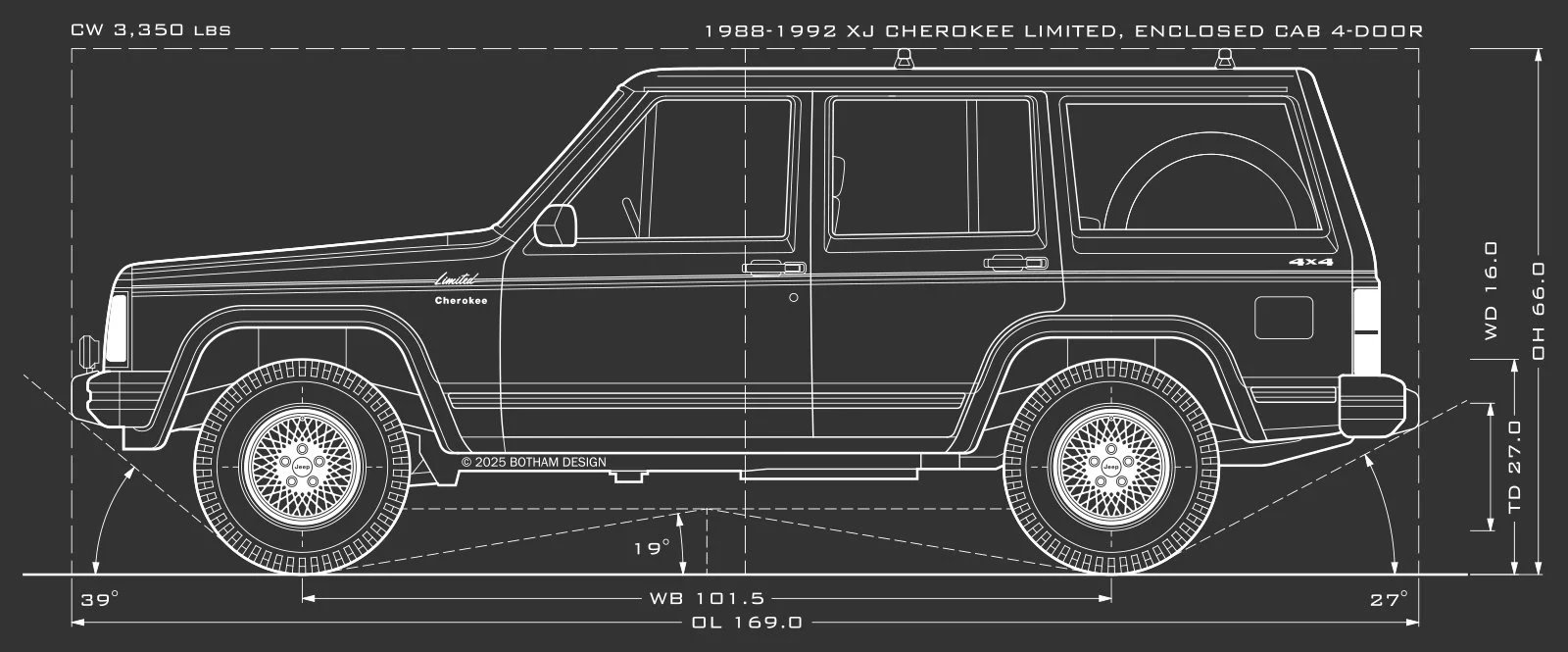
- Length: 182.0 inches
- Width: 73.2 inches
- Height: 66.2 inches
- Wheelbase: 106.6 inches
These dimensions make the Cherokee easy to park and maneuver in the city, while still offering enough space for families.
Exterior Features
- LED headlights and taillights
- Available roof rails
- Optional sunroof
- Distinctive seven-slot grille
Some trims have special features like red tow hooks (Trailhawk) and unique wheel designs. The Cherokee’s design is practical, with a high ground clearance for off-road and rough roads.
Interior Features And Comfort
The inside of the Jeep Cherokee is designed for both comfort and usability. You’ll find options for soft materials, technology, and space.
Seating And Space
- Seating Capacity: 5 passengers
- Front Legroom: 41.1 inches
- Rear Legroom: 40.3 inches
- Cargo Space:
- 25.8 cubic feet behind rear seats
- 54.7 cubic feet with rear seats folded
The rear seats fold easily, so you can carry large items or luggage. The interior is spacious compared to many competitors.
Technology
Depending on the trim, you can get features like:
- Uconnect infotainment system (7″ or 8.4″ touchscreen)
- Apple CarPlay and Android Auto
- Navigation
- Bluetooth connectivity
- USB ports
- Premium audio system
Higher trims add extras such as a heated steering wheel, leather seats, and dual-zone climate control.
Practical Insights
Many buyers overlook the Cherokee’s adjustable cargo floor. This lets you change the height for different needs, making loading easier. Also, the rear seatbacks recline, adding comfort for long trips—a feature missing in some rivals.
Safety And Driver Assistance
Safety is a key part of the Jeep Cherokee’s appeal. It comes with many standard and optional features.
Standard Safety Features
- Rearview camera
- Electronic stability control
- Eight airbags
- Tire pressure monitoring
Advanced Safety Options
Depending on the trim, you can get:
- Blind spot monitoring
- Rear cross path detection
- Forward collision warning
- Automatic emergency braking
- Lane departure warning
- Adaptive cruise control
- Park assist
The Cherokee has earned good ratings in crash tests from the National Highway Traffic Safety Administration (NHTSA). It received four out of five stars for overall safety in recent years.
Safety Comparison Table
How Does The Cherokee Compare To Key Rivals?
| Model | Blind Spot Monitor | Forward Collision Warning | Adaptive Cruise | Crash Rating (NHTSA) |
|---|---|---|---|---|
| Jeep Cherokee | Available | Available | Available | 4 stars |
| Honda CR-V | Standard | Standard | Available | 5 stars |
| Toyota RAV4 | Standard | Standard | Available | 5 stars |
| Ford Escape | Standard | Standard | Available | 5 stars |
Trim Levels And Key Differences
Jeep offers the Cherokee in several trims, each with different features and pricing. Understanding these helps you pick what’s best for your needs.
Main Trim Levels
- Latitude: Entry-level with basic features. Good for budget buyers.
- Latitude Plus: Adds more comfort and tech.
- Limited: Luxury features like leather seats, bigger touchscreen.
- Trailhawk: Off-road focused, with upgraded 4WD, tow hooks, and skid plates.
- High Altitude: Top trim with advanced tech and unique style.
Trim Comparison Table
Here’s a comparison of trim features:
| Trim | Touchscreen Size | Leather Seats | Off-Road Features | Price (Starting) |
|---|---|---|---|---|
| Latitude | 7″ | No | No | $29,000 |
| Limited | 8.4″ | Yes | No | $35,000 |
| Trailhawk | 8.4″ | Optional | Yes | $37,000 |
| High Altitude | 8.4″ | Yes | No | $38,500 |
Non-obvious Insights
Many buyers think only the Trailhawk offers good off-road ability, but other trims with 4WD also handle rough terrain well. Another detail: the Limited trim often has better resale value because of its mix of luxury and practicality.
Fuel Economy And Costs
The Jeep Cherokee offers decent fuel economy for its class, though not the best. The engine you choose affects both your gas bill and long-term costs.
- 2.4L I4:
- 22 mpg city / 31 mpg highway
- Annual fuel cost (est. ): $1,900
- 2.0L Turbo:
- 23 mpg city / 31 mpg highway
- Annual fuel cost (est. ): $1,800
- 3.2L V6:
- 20 mpg city / 29 mpg highway
- Annual fuel cost (est. ): $2,100
Insurance and maintenance costs are moderate, but the V6 and Turbo engines tend to cost more over time.
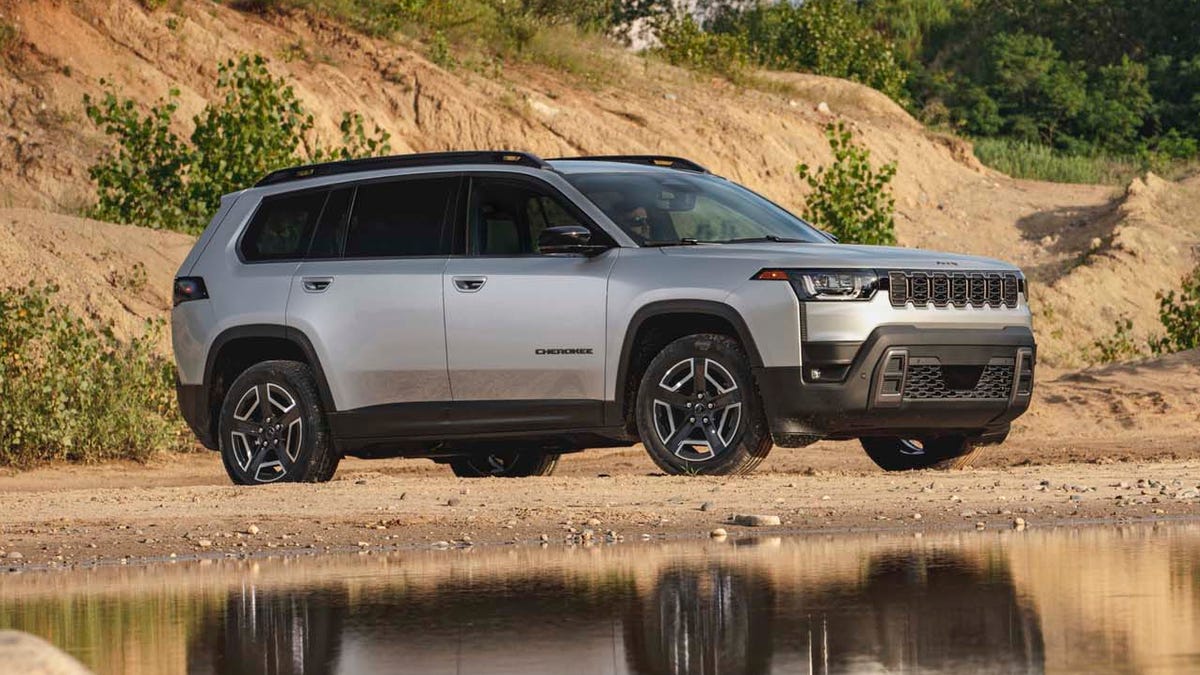
Off-road Capabilities
The Jeep Cherokee stands out for its off-road performance. The Trailhawk trim is especially impressive, but all Cherokees have some ability to handle rough roads.
- Trailhawk Features:
- Jeep Active Drive Lock 4WD
- Locking rear axle
- Hill descent control
- Skid plates
- Up to 8.7 inches ground clearance
- Water Fording: Can cross shallow streams up to 19 inches deep.
If you plan to go off-road, look for features like skid plates and tow hooks. Beginners often miss that tire choice makes a big difference—choosing all-terrain tires can improve performance even on non-Trailhawk trims.
Technology And Connectivity
The Cherokee includes modern tech for both safety and entertainment. The Uconnect system is easy to use and supports both Apple CarPlay and Android Auto. Navigation is available, but map updates require a fee after three years.
- Wireless charging: Available on higher trims
- SiriusXM satellite radio
- Voice command system
- Remote start
A useful feature is the Wi-Fi hotspot, which lets passengers stay connected on the road. Not all rivals have this option.
Reliability And Maintenance
Jeep Cherokee’s reliability has improved in recent years. Maintenance costs are typical for a midsize SUV.
Most buyers report positive experiences with the engine and transmission, but some models from earlier years had issues with electronics.
- Warranty:
- 3 years / 36,000 miles basic
- 5 years / 60,000 miles powertrain
Routine maintenance includes oil changes every 7,500 miles and brake checks every 20,000 miles. Using genuine parts reduces long-term problems.
A non-obvious insight: Regular software updates for the Uconnect system prevent glitches and keep features running smoothly. Many owners skip this step, but it’s free at dealerships.
Jeep Cherokee Vs. Competitors
How does the Cherokee compare to other midsize SUVs? Here’s a quick look:
- Honda CR-V: Better fuel economy, more rear seat space, but less towing capacity.
- Toyota RAV4: Higher safety scores, more standard tech, but less off-road capability.
- Ford Escape: Similar price, more engine options, but less rugged styling.
Cherokee is unique for its off-road ability and towing power. If you need these features, it’s often the better choice.
For more specs and detailed comparisons, you can check the official Jeep Cherokee site.
What Is The Towing Capacity Of The Jeep Cherokee?
The towing capacity depends on the engine. The 2.4L I4 can tow up to 2,000 lbs, the 2.0L Turbo up to 4,000 lbs, and the 3.2L V6 up to 4,500 lbs. The Trailhawk trim is best for heavy towing.
Does The Jeep Cherokee Have Apple Carplay And Android Auto?
Yes, all recent Jeep Cherokees come with Apple CarPlay and Android Auto as standard features. They work with the Uconnect system for easy smartphone integration.
How Does The Cherokee Perform Off-road?
The Cherokee, especially the Trailhawk trim, offers excellent off-road performance. Features include advanced 4WD, locking rear axle, and hill descent control. Even other trims with 4WD can handle rough terrain.
Is The Jeep Cherokee Fuel Efficient?
The Cherokee’s fuel efficiency is average for its class. The 2.4L engine gets up to 31 mpg highway, while the V6 gets 29 mpg. It’s not the most efficient, but it balances power and economy.
What Are The Main Differences Between Cherokee Trims?
Each trim offers unique features. Latitude is entry-level, Limited adds luxury, Trailhawk is for off-road, and High Altitude brings advanced tech. Choose based on your budget and driving needs.
The Jeep Cherokee blends capability, comfort, and technology. It’s a strong option for drivers who need a reliable SUV that can handle both city streets and off-road adventures.
Knowing the specifications and differences between trims helps you make a smart choice.
If you want a versatile vehicle with a rugged spirit, the Cherokee should be on your list.