When you own a Jeep Cherokee, you know it’s built for adventure. Whether you're hitting the trails or just running errands, you want your vehicle to be ready for anything.
A crucial part of that readiness is your spare tire. But where do you put it?
Not every Cherokee has a built-in spot for a full-size spare, especially if you want to keep your cargo space free. That’s where a Jeep Cherokee spare tire holder comes in.
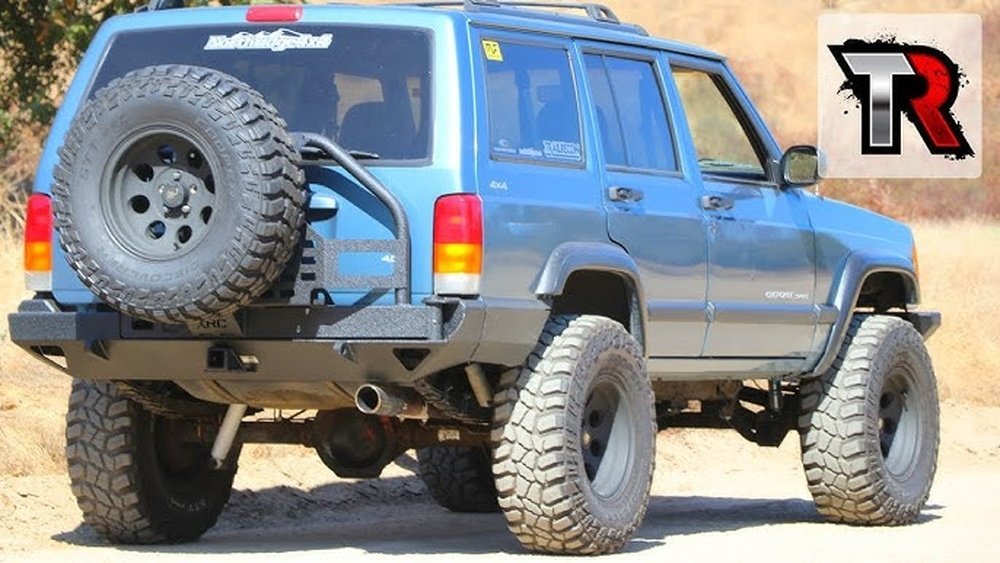
These holders are designed to securely store your spare tire, making sure it’s accessible when you need it most, without taking up valuable interior room.
Choosing the right spare tire holder can make a big difference in your Jeep’s usability and your peace of mind on the road. You’ll find different types, from external carriers that mount on your tailgate or bumper to internal solutions that might fit under your vehicle or in a specific cargo area. Each has its pros and cons, affecting everything from your Jeep’s appearance to its off-road capability. Understanding these options is the first step to finding the perfect fit for your Cherokee and your lifestyle.
Understanding Spare Tire Needs For Your Jeep Cherokee
Before diving into specific holder types, it’s important to understand why a spare tire is so vital, especially for a vehicle like the Jeep Cherokee, often used for more demanding driving. A flat tire can happen anywhere, at any time.
Having a spare tire readily available means you can quickly replace a damaged tire and continue your journey, avoiding lengthy delays or expensive towing.
Why A Full-size Spare Matters
Many vehicles come with a small, temporary spare tire, often called a “donut.” While these can get you to a repair shop, they have limitations. They are not designed for long distances, high speeds, or aggressive driving. For a Jeep Cherokee, which is often taken off-road or used in areas where road conditions can be unpredictable, relying solely on a temporary spare can be risky. A full-size spare tire offers the same performance and safety as your regular tires, ensuring you can handle various terrains and situations with confidence. This is why a dedicated holder for a full-size spare is often a priority for Cherokee owners.
Impact On Cargo Space And Accessibility
One of the biggest challenges with carrying a full-size spare tire is finding a place for it without sacrificing essential cargo room. The interior of a Jeep Cherokee, while versatile, can quickly fill up with gear, groceries, or equipment. A spare tire taking up floor space or a significant portion of the rear cargo area can be highly inconvenient. This is where spare tire holders become invaluable. They relocate the spare tire, typically to the exterior of the vehicle, freeing up your interior for passengers and cargo. This relocation also often makes the spare tire more accessible, especially in situations where the cargo area might be packed full.
Types Of Jeep Cherokee Spare Tire Holders
When you decide to invest in a spare tire holder for your Jeep Cherokee, you’ll discover there are several main categories. Each type offers a different approach to mounting and accessing your spare, impacting your vehicle’s aesthetics, functionality, and even its off-road performance.
External Tire Carriers
External carriers are the most common solution for freeing up interior space. They mount the spare tire on the outside of your Jeep Cherokee.
Tailgate-mounted Carriers
These are perhaps the most popular type of external carrier. They attach directly to your Jeep’s rear tailgate.
- How they work: The carrier typically bolts onto the tailgate, often reinforcing it to handle the weight of the spare tire. Some designs simply hold the tire against the tailgate, while others might have a swing-away arm that allows easier access to the cargo area.
- Pros:
- Keeps the interior completely clear.
- Relatively easy to install for many models.
- Can be a more affordable option compared to bumper carriers.
- Maintains a classic Jeep look for some owners.
- Cons:
- Adds significant weight and stress to the tailgate, which might require tailgate reinforcement kits.
- Can obstruct rear visibility, depending on the design and tire size.
- May prevent the tailgate from opening fully or easily.
- Can make the rear of the Jeep look heavier or bulkier.
- Considerations: Ensure the carrier is designed for your specific Jeep Cherokee year and model. Check if it requires any modifications to your tailgate or spare tire carrier. Some aftermarket bumpers are designed to work with specific tailgate carriers.
Rear Bumper Carriers
These carriers are integrated into or bolt onto an aftermarket rear bumper. They offer a robust solution for carrying a spare tire.
- How they work: Instead of attaching to the tailgate, these carriers are part of a heavier-duty aftermarket bumper. They can either hold the tire directly on the bumper or feature a swing-away arm that moves the tire and sometimes other accessories (like a Hi-Lift jack or jerry cans) out of the way.
- Pros:
- Extremely strong and durable, capable of carrying heavy tires.
- Distributes the weight more effectively than tailgate-mounted systems, putting less stress on the vehicle’s structure.
- Often provides additional protection to the rear of the vehicle.
- Swing-away versions offer excellent access to the tailgate and cargo area.
- Can integrate other recovery or storage accessories.
- Cons:
- Requires purchasing a new aftermarket rear bumper, which can be expensive.
- Installation is usually more complex and may require professional help.
- Significantly alters the rear appearance of the Jeep.
- Can increase the overall length of the vehicle.
- Considerations: Look for bumpers with integrated tire carriers or those designed to accept a bolt-on carrier. Ensure the swing-away mechanism is smooth and secure. Check local regulations regarding changes to vehicle dimensions.
Roof-mounted Carriers
While less common for spare tires on a Cherokee, some owners opt for roof racks that can accommodate a spare tire.
- How they work: A spare tire is secured to a heavy-duty roof rack system.
- Pros:
- Keeps the rear of the vehicle completely unobstructed.
- Can be useful if you need to carry multiple spares or other large gear on the roof.
- Cons:
- Significantly raises the vehicle’s center of gravity, affecting handling and stability.
- Makes tire removal and installation very difficult, requiring significant physical effort.
- Adds considerable wind resistance, impacting fuel economy.
- The weight can put stress on the roof structure.
- Can be challenging to access the spare if the roof rack is loaded with other items.
- Considerations: This is generally not recommended as a primary solution for a spare tire due to the practical difficulties and safety concerns. It’s more suited for specialized off-road builds or temporary situations.
Internal Spare Tire Solutions
If you prefer to keep the spare tire out of sight or avoid altering the exterior, internal solutions are available, though they often come with compromises.
Under-vehicle Mounts
Some aftermarket companies offer kits that allow you to mount the spare tire underneath the Jeep Cherokee, typically near the rear axle.
- How they work: A bracket system is installed under the vehicle, and the spare tire is secured to it. Some systems are designed to be lowered and raised using a winch mechanism, similar to how a factory spare is often stored.
- Pros:
- Keeps the spare tire completely hidden and protected.
- Frees up all interior cargo and passenger space.
- Maintains the original exterior look of the vehicle.
- Cons:
- Requires getting underneath the vehicle, which can be difficult in mud or snow.
- The spare tire is exposed to road grime, salt, and potential damage.
- Installation can be complex.
- May reduce ground clearance slightly.
- Not all Cherokees have sufficient space or a suitable mounting point.
- Considerations: Check compatibility with your specific Cherokee model and any existing underbody modifications. Ensure the mounting mechanism is robust and easy to operate.
Interior Cargo Area Mounts
This involves securing the spare tire within the cargo area, often upright or in a specialized holder.
- How they work: The tire is typically secured using straps, brackets, or specialized tire mounts that bolt to the floor or cargo tie-down points. Some systems are designed to hold the tire vertically against a side panel.
- Pros:
- Keeps the spare tire accessible without going outside.
- Easier to install and remove than under-vehicle mounts.
- Can be a good compromise if you don’t want an external carrier.
- Cons:
- Reduces available cargo space.
- Can be a hazard in a collision if not secured properly.
- May obstruct rear visibility if mounted vertically and blocking the window.
- Can make noise or rattle if not secured tightly.
- Considerations: Use heavy-duty straps or dedicated tire mounting hardware. Ensure the spare tire doesn’t shift during transit.
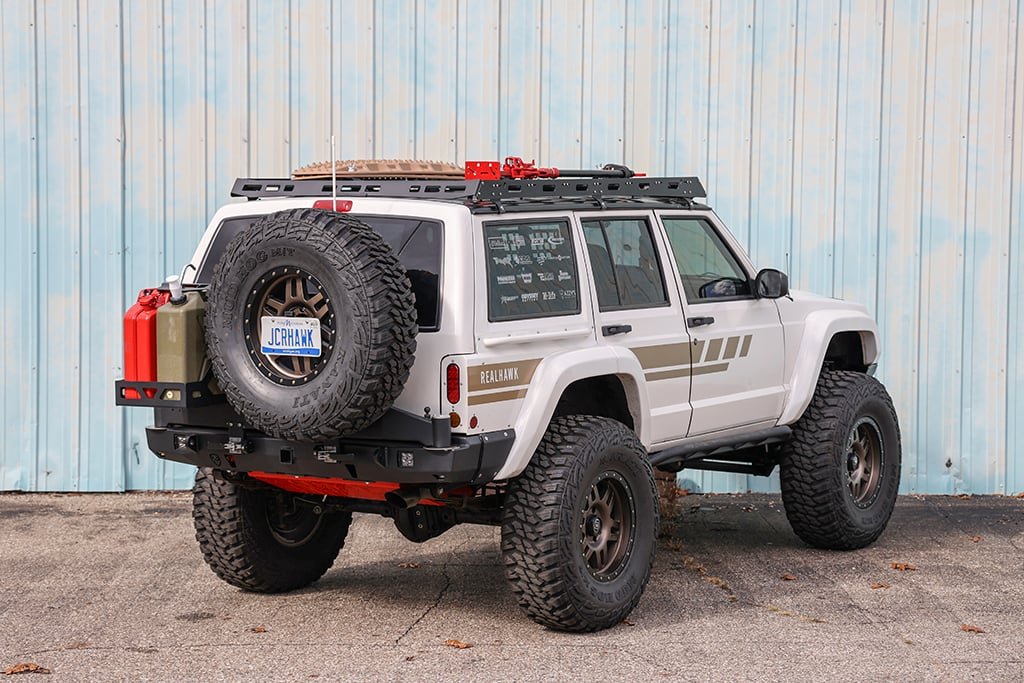
Choosing The Right Spare Tire Holder For Your Needs
Selecting the ideal spare tire holder involves more than just picking one that looks good. You need to consider your driving habits, the type of modifications you’ve already made to your Jeep, and your budget.
Factors To Consider
- Your Driving Habits:
- Daily Driver vs. Off-Road Enthusiast: If your Cherokee is primarily a daily driver, an internal solution or a less obtrusive tailgate carrier might be best. If you frequently go off-roading, a robust rear bumper carrier with a swing-away arm is often preferred for durability and accessibility.
- Terrain: Driving in areas with harsh weather (salt, snow) might make under-vehicle mounts less appealing due to corrosion. Extremely rough terrain might benefit from the sturdiness of a bumper-mounted carrier.
- Existing Modifications:
- Aftermarket Bumpers: If you already have or plan to install an aftermarket rear bumper, a compatible tire carrier is a natural choice.
- Suspension and Tires: Larger tires might require a carrier that can handle the increased weight and size. Suspension modifications can also affect clearance and how external carriers fit.
- Rear Camera and Sensors: Ensure the holder doesn’t block your rear backup camera or parking sensors. Some carriers offer specific cutouts or relocation options.
- Budget:
- Tailgate Carriers: Generally the most budget-friendly.
- Bumper Carriers: Can range from moderately priced (when integrated into a new bumper) to quite expensive.
- Under-Vehicle Mounts: Vary widely depending on complexity and brand.
- Internal Mounts: Usually less expensive but may require additional hardware.
- Ease of Installation:
- Some tailgate carriers can be installed with basic tools in an hour or two.
- Rear bumper carriers often require more involved installation, sometimes needing to remove the original bumper and potentially modify the exhaust system.
- Under-vehicle mounts can be tricky, depending on the specific kit.
- Aesthetics:
- Do you want the spare tire to be a visible part of your Jeep’s look, or do you prefer it hidden? External carriers can add a rugged, off-road appearance, while internal solutions maintain a cleaner, stock look.
- Weight Capacity:
- Ensure the holder is rated to carry the weight of your specific spare tire and wheel combination. Larger off-road tires can be significantly heavier.
- Swing-Away Feature:
- If you opt for an external carrier, a swing-away arm is a significant convenience. It allows you to swing the tire carrier out of the way, providing full access to your tailgate and cargo area without having to remove the spare. This is a major advantage for daily use.
Common Mistakes To Avoid
- Overlooking Tailgate Strength: Many Jeep tailgates are not designed to carry the constant weight and leverage of a large spare tire. This can lead to sagging, warping, or even hinge failure. Always consider a tailgate reinforcement kit or opt for a bumper-mounted solution if you plan to carry a heavy spare.
- Blocking Visibility: A large spare tire mounted externally can significantly reduce rear visibility. This is a safety hazard. Ensure your chosen carrier allows for an unobstructed view or that you compensate with mirrors or a backup camera.
- Ignoring Tire Size and Offset: The offset of your spare wheel can affect how it fits on the carrier. Larger tires might require specific adapters or carriers designed for oversized spares.
- Underestimating Installation Complexity: While some carriers are DIY-friendly, others require cutting, welding, or advanced mechanical knowledge. Be realistic about your skills or budget for professional installation.
- Forgetting About Ground Clearance: Under-vehicle mounts or certain bumper designs can slightly reduce your Jeep’s ground clearance, which can be a concern for off-roading.
Popular Jeep Cherokee Spare Tire Holder Brands And Models
While specific models change frequently and new products are always emerging, several reputable brands consistently offer quality spare tire solutions for Jeep Cherokees. It’s always best to check the latest offerings for your specific Cherokee generation (e.
g. , XJ, KJ, KK, KL, or the newer models).
Here’s a look at some types of solutions you might find from popular aftermarket manufacturers:
Example Brands And Product Types
- Smittybilt: Known for rugged off-road accessories, Smittybilt often offers tailgate-mounted and bumper-integrated spare tire carriers designed for durability. Their XRC line is a popular choice for Jeep owners looking for robust solutions.
- Rugged Ridge: This brand provides a wide range of accessories, including various tailgate hinges and spare tire carriers. They often focus on ease of installation and maintaining a factory-like appearance while adding functionality.
- TeraFlex: Specializing in Jeep suspension and accessories, TeraFlex offers high-quality, often heavy-duty tailgate and bumper-mounted carriers, including their Hinged Tire Carrier systems, which are known for their strength and smooth operation.
- GenRight Off Road: For extreme off-road applications, GenRight offers robust aluminum and steel carriers, often integrated into their custom bumper systems. These are built for serious abuse.
- Banks Power: While known for performance parts, Banks Power has also offered innovative solutions like their Monster Chest, which could potentially be adapted or inspire DIY solutions for internal spare tire storage, though not a direct carrier.
- Garvin Industries (Wild Boar): They offer heavy-duty tailgate racks and carriers that can hold not only a spare tire but also other gear, adding significant utility.
Key Features To Look For
When comparing specific products, pay attention to these features:
- Material: Steel is common for strength, but aluminum can be lighter. Look for powder coating