Understanding your Jeep Cherokee's pulley system is crucial for its maintenance and performance.
This system, often referred to as the serpentine belt system or accessory drive system, is responsible for powering various essential components in your vehicle, from the alternator that charges your battery to the power steering pump that makes steering easier.
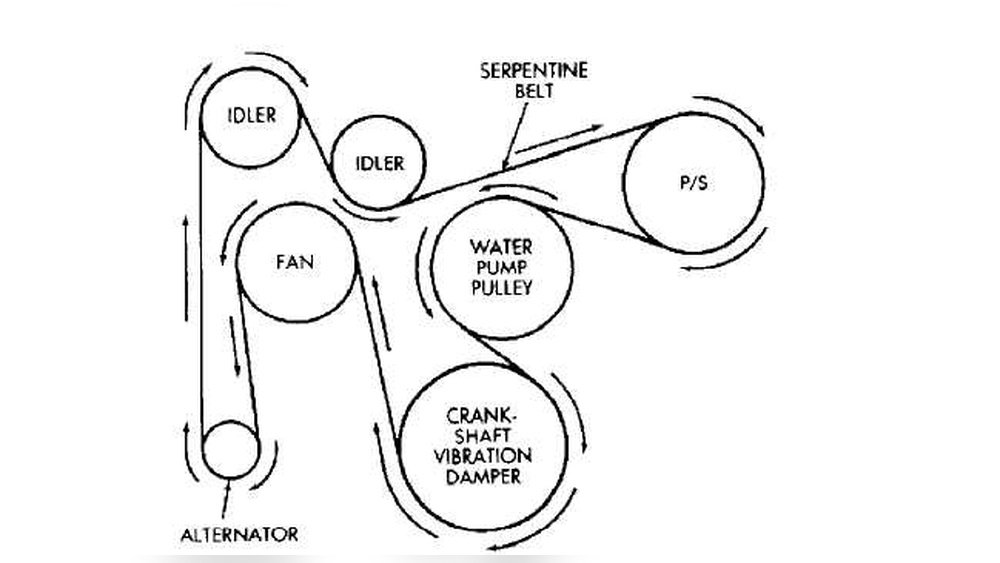
A Jeep Cherokee pulley diagram provides a visual roadmap, showing the layout and function of each pulley and how the belt connects them. Without this visual guide, diagnosing issues or performing repairs can be a complex and frustrating task.
This article will guide you through the intricacies of the Jeep Cherokee pulley system. We'll break down the function of each pulley, explain common issues, and provide insights into how to interpret a pulley diagram.
Whether you're a seasoned DIY mechanic or a novice looking to understand your vehicle better, this information will equip you with the knowledge to keep your Cherokee running smoothly.
We will explore the different types of pulleys, their specific roles, and how a well-maintained pulley system contributes to overall vehicle health.
The Heart Of The Accessory Drive: Understanding The Serpentine Belt
The serpentine belt is the unsung hero of your Jeep Cherokee’s engine bay. This single, continuous rubber belt snakes its way around multiple pulleys, transferring power from the crankshaft to various accessories. Its design replaced older V-belt systems, offering better tension, longer life, and reduced maintenance. The smooth, ribbed surface of the belt grips the pulleys, ensuring efficient power transfer. A properly functioning serpentine belt is vital; a broken or worn belt means that none of the accessories it drives will work, leading to immediate problems like a dead battery, overheating, or loss of power steering.
The crankshaft pulley is the primary driver of the serpentine belt. Connected to the engine’s crankshaft, it spins at engine speed. All other pulleys in the system are driven by this initial rotation. The tensioner pulley, often spring-loaded or hydraulic, maintains the correct tension on the belt. This is critical because a loose belt can slip, causing noise and inefficient operation, while an overly tight belt can put excessive strain on bearings, leading to premature failure of the pulleys and accessories.
Key Pulleys And Their Functions In A Jeep Cherokee
Each pulley in the Jeep Cherokee’s accessory drive system plays a distinct and vital role. Understanding these roles is the first step in comprehending a Jeep Cherokee pulley diagram.
The Crankshaft Pulley: The Starting Point
As mentioned, the crankshaft pulley is the engine’s power output for the accessory drive. It’s typically the largest pulley in the system. Its rotation is directly tied to the engine’s RPM. Many modern vehicles, including some Jeep Cherokees, have a harmonic balancer integrated into the crankshaft pulley. This component helps to dampen torsional vibrations from the crankshaft, preventing damage to the engine and ensuring smoother operation. A damaged harmonic balancer can manifest as wobbling of the pulley or cracking in the rubber material, which is a serious issue requiring immediate attention.
The Alternator Pulley: Keeping The Power Flowing
The alternator pulley drives the alternator, which is responsible for generating electricity to charge the vehicle’s battery and power the electrical systems while the engine is running. The alternator pulley’s speed is directly proportional to the engine speed, meaning it spins faster as you accelerate. If the alternator pulley is worn or the belt is slipping, you might notice dimming headlights, a battery warning light on the dashboard, or a lack of power to accessories.
The Power Steering Pump Pulley: Effortless Steering
For models equipped with power steering, the power steering pump pulley drives the pump. This pump pressurizes hydraulic fluid, which assists the driver in turning the steering wheel. A worn pulley or a slipping belt can lead to a loss of power steering assist, making the steering wheel feel heavy and difficult to turn, especially at low speeds. You might also hear a whining noise from the power steering pump area if the pulley or belt has issues.
The Air Conditioning (a/c) Compressor Pulley: Cooling Comfort
The A/C compressor pulley engages the air conditioning compressor. When the A/C is turned on, a clutch engages the compressor pulley, allowing it to spin and circulate refrigerant, thus cooling the cabin. When the A/C is off, the pulley might still spin freely (depending on the design), but the compressor’s internal mechanism is disengaged. Issues with this pulley can range from a worn bearing causing noise to a faulty clutch preventing the A/C from engaging or causing it to engage intermittently.
The Water Pump Pulley: Engine Temperature Control
The water pump pulley drives the water pump, which circulates coolant through the engine block and radiator. This is critical for preventing the engine from overheating. A failing water pump pulley or a belt issue driving it can lead to rapid engine temperature increases. Often, the water pump itself is driven directly by the timing belt or chain on some engines, but on many accessory drive systems, it’s powered by the serpentine belt.
The Idler Pulley: Maintaining Belt Tension And Direction
Idler pulleys are essentially guide pulleys. They don’t drive an accessory but serve two main purposes:
- Tensioning: Some idler pulleys are part of the automatic tensioner assembly, helping to keep the serpentine belt at the correct tension.
- Guidance: Other idler pulleys are used to redirect the belt’s path, ensuring it wraps around all the necessary pulleys correctly and efficiently. They can also help to take up slack in the belt.
A worn idler pulley bearing can produce a distinct grinding or squealing noise, often worsening with engine speed.
The Tensioner Pulley: The Belt’s Guardian
The tensioner pulley is a critical component that maintains the optimal tension on the serpentine belt. Most modern Jeep Cherokees use an automatic tensioner, which consists of a spring-loaded or hydraulic arm with a pulley attached. This assembly automatically adjusts to keep the belt tight as it expands and contracts with temperature changes and wear. A faulty tensioner can lead to a loose belt (causing slippage and noise) or a belt that is too tight (causing premature wear on the belt and pulley bearings).

Interpreting A Jeep Cherokee Pulley Diagram
A Jeep Cherokee pulley diagram is a blueprint for your engine’s accessory drive system. It visually illustrates how the serpentine belt is routed around each pulley. These diagrams are invaluable for mechanics and DIY enthusiasts alike.
What To Look For In A Diagram
When you encounter a pulley diagram, pay attention to the following:
- Pulley Placement: The diagram shows the physical location of each pulley relative to the engine.
- Belt Path: The most crucial element is the serpentine belt routing. This is usually depicted by a line showing how the belt wraps around each pulley. Following this path correctly is essential when replacing the belt. Incorrect routing can lead to the belt slipping, not engaging all pulleys, or even damaging components.
- Pulley Types: Some diagrams might indicate whether a pulley is smooth or grooved, which is important for correct belt installation.
- Tensioner Location: The diagram will clearly show the location of the tensioner pulley or assembly.
Where To Find A Pulley Diagram
You can typically find a Jeep Cherokee pulley diagram in several places:
- Under the Hood: Many vehicles have a sticker under the hood, often on the radiator support or the underside of the hood itself, that displays the correct belt routing. This is the most convenient place to look.
- Owner’s Manual: Your Jeep Cherokee’s owner’s manual may contain a diagram or a description of the accessory drive system.
- Service Manuals: Professional service manuals (like Haynes or Chilton) provide detailed diagrams and repair procedures.
- Online Resources: Numerous automotive forums, repair websites, and YouTube channels offer diagrams and videos specific to different Jeep Cherokee models and years. A quick search for “[Your Jeep Cherokee Year and Model] serpentine belt diagram” will yield many results.
Pro Tip: Always ensure the diagram you are using matches your specific Jeep Cherokee model, year, and engine. Different configurations exist, and using the wrong diagram can lead to improper installation and potential damage.
Common Problems And Troubleshooting
Understanding common issues within the pulley system can help you identify problems before they become major failures.
Squealing Noises
A common symptom of a failing pulley system is a squealing noise, especially on startup or when accelerating. This can be caused by:
- A worn or glazed serpentine belt that is slipping on the pulleys.
- A failing bearing in one of the pulleys (alternator, power steering, idler, tensioner, or A/C compressor).
- A misaligned pulley.
To diagnose a squealing noise, you can sometimes use a short burst of water on the belt. If the noise temporarily stops, it indicates a belt issue. If the noise changes pitch or stops momentarily when spraying a specific pulley, it might point to a bearing problem in that pulley.
Worn Or Damaged Pulleys
Pulleys can wear out over time. Signs of wear include:
- Grooves: The grooves in the pulleys where the belt sits can become worn, especially if the belt has been slipping.
- Cracks: The pulley itself, particularly if it’s made of plastic or has a rubber dampener (like a harmonic balancer), can develop cracks.
- Wobbling: A pulley with a failing bearing might wobble as it spins.
Belt Slippage
Belt slippage occurs when the belt doesn’t have enough grip on the pulleys. This can be due to:
- Loose Belt: A faulty tensioner or stretched belt.
- Contamination: Oil, coolant, or power steering fluid leaking onto the belt can reduce friction.
- Worn Belt: An old, glazed, or cracked belt loses its ability to grip.
- Worn Pulleys: As mentioned, worn grooves reduce grip.
Symptoms of belt slippage include a burning rubber smell, reduced performance of accessories (like weak A/C or dim lights), and sometimes visible damage to the belt itself.
Bearing Failure
The bearings inside the pulleys allow them to spin freely. When these bearings fail, they typically produce a grinding, rumbling, or high-pitched whining noise. This noise often changes with engine speed and can become significantly louder over time. A seized bearing can cause the pulley to stop spinning altogether, leading to the belt seizing up, which can break the belt or damage other components.
Warning: If you suspect a bearing failure in a pulley, it’s crucial to replace that pulley immediately. Continuing to drive with a failing bearing can lead to the bearing seizing, which can cause the belt to break or shred, disabling all accessories and potentially causing overheating or other engine damage.
Serpentine Belt Replacement: A Common Maintenance Task
Replacing the serpentine belt is a routine maintenance task for most Jeep Cherokee owners. A Jeep Cherokee pulley diagram is essential for this job.
Steps For Replacement
- Locate the Belt and Diagram: Find the serpentine belt routing diagram (usually under the hood or in a service manual).
- Identify the Tensioner: Locate the automatic tensioner assembly.
- Release Tension: Use a breaker bar or a serpentine belt tool to rotate the tensioner pulley. This will release the tension on the belt, allowing you to slip it off the pulleys.
- Remove the Old Belt: Carefully remove the old belt from all pulleys.
- Inspect Pulleys: While the belt is off, spin each pulley by hand. Listen for any grinding or rumbling noises and check for wobble. Replace any faulty pulleys.
- Install the New Belt: Following the diagram precisely, route the new belt around all pulleys, leaving the tensioner pulley for last.
- Apply Tension: Once the belt is correctly routed, carefully release the tensioner to put tension on the new belt. Ensure the belt is seated correctly in all grooves.
- Final Check: Double-check that the belt is properly seated on all pulleys and that the routing matches the diagram. Start the engine and listen for any unusual noises.
Important Considerations
- Belt Quality: Always use a high-quality replacement belt designed for your specific Jeep Cherokee model. Cheap belts can wear out quickly or fail prematurely.
- Pulley Inspection: Never replace just the belt without inspecting the pulleys. A worn pulley can quickly damage a new belt.
- Correct Routing: This cannot be stressed enough. Incorrect belt routing is a common mistake that leads to belt failure.
Jeep Cherokee Serpentine Belt And Pulley Specifications (example For A Common Model)
While specifications vary by year and engine, here’s an example of what you might find for a common Jeep Cherokee model, illustrating the type of data you’d look for.
| Component | Typical Size / Type | Notes |
|---|---|---|
| Serpentine Belt | 6-Rib, ~90-100 inches long | Varies by engine and accessories |
| Crankshaft Pulley | ~6 inches diameter, Harmonic Balancer | Drives all accessories |
| Alternator Pulley | ~2.5 inches diameter | |
| Power Steering Pulley | ~2.5 inches diameter | If equipped with power steering |
| A/C Compressor Pulley | ~4.5 inches diameter | Clutch engages/disengages |
| Water Pump Pulley | ~2.5 inches diameter | If driven by serpentine belt |
| Idler Pulley(s) | ~2.5-3 inches diameter | For belt guidance and tensioning |
| Tensioner Pulley | ~2.5 inches diameter | Part of automatic tensioner assembly |
*Disclaimer: The above table provides example specifications for a hypothetical Jeep Cherokee model. Always consult your vehicle’s specific service manual or under-hood sticker for accurate part numbers and dimensions.*

Advanced Diagnostics And Maintenance Tips
Beyond basic troubleshooting, several advanced tips can help you maintain your Jeep Cherokee’s pulley system.
Using A Stethoscope For Bearing Noise
A mechanic’s stethoscope can be an invaluable tool for pinpointing bearing noise. With the engine running (and extreme caution around moving parts), place the probe of the stethoscope on the stationary housing of each accessory (alternator, power steering pump, A/C compressor) and on the mounting bracket of the tensioner and idler pulleys.
The stethoscope will amplify the sound, allowing you to isolate which component has a bad bearing.
Checking For Pulley Wobble
With the engine off, you can sometimes check for pulley wobble by gently trying to move each pulley side-to-side on its shaft. Any significant play or looseness indicates a worn bearing that needs replacement.
Understanding Belt Wear Patterns
Inspect the old belt for unusual wear patterns.
- Glazing: A shiny, smooth surface on the belt indicates slippage and heat buildup.