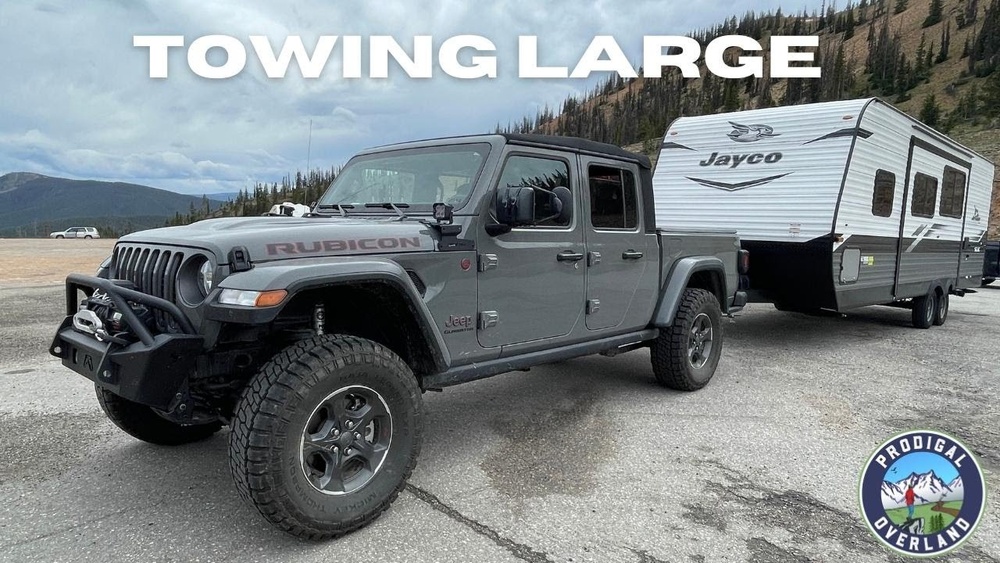
The P1D73 code in a Jeep Cherokee can be confusing, especially if you are not familiar with automotive diagnostics. Many drivers see this message on their dashboard or scan tool and feel worried about what it means for their SUV’s health.
If you are facing this issue, you are not alone. This article will break down what the P1D73 code means, why it appears, and most importantly, how to address it efficiently.
You will also learn about 73 related trouble codes that can appear in a Jeep Cherokee, helping you understand the bigger picture of modern vehicle diagnostics.
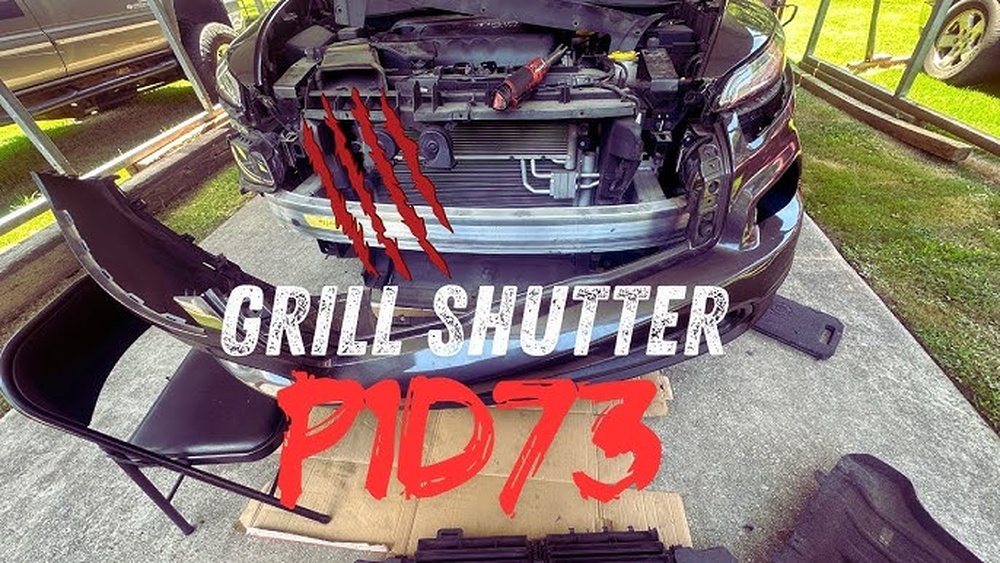
What Does P1d73 Mean In Jeep Cherokee?
The P1D73 code is a diagnostic trouble code (DTC) that relates to the vehicle’s transmission system. Specifically, in the Jeep Cherokee, it stands for “Transmission Control Module Requested MIL Illumination.” This means the transmission control module (TCM) has detected a fault that requires the malfunction indicator lamp (MIL), or check engine light, to be turned on.
The code does not point to a specific part failure but signals that the TCM found a condition outside normal operating parameters. In many cases, this code is related to issues with the transmission wiring, sensors, or communication problems between modules.
Why Does P1d73 Appear?
This code can come up for several reasons:
- Faulty transmission control module
- Damaged wiring or connectors
- Sensor failures
- Software glitches or updates needed
- Battery voltage issues
Ignoring the code can lead to more serious problems, such as shifting issues, poor fuel economy, and even permanent transmission damage. A quick scan and proper diagnosis are important to avoid expensive repairs.
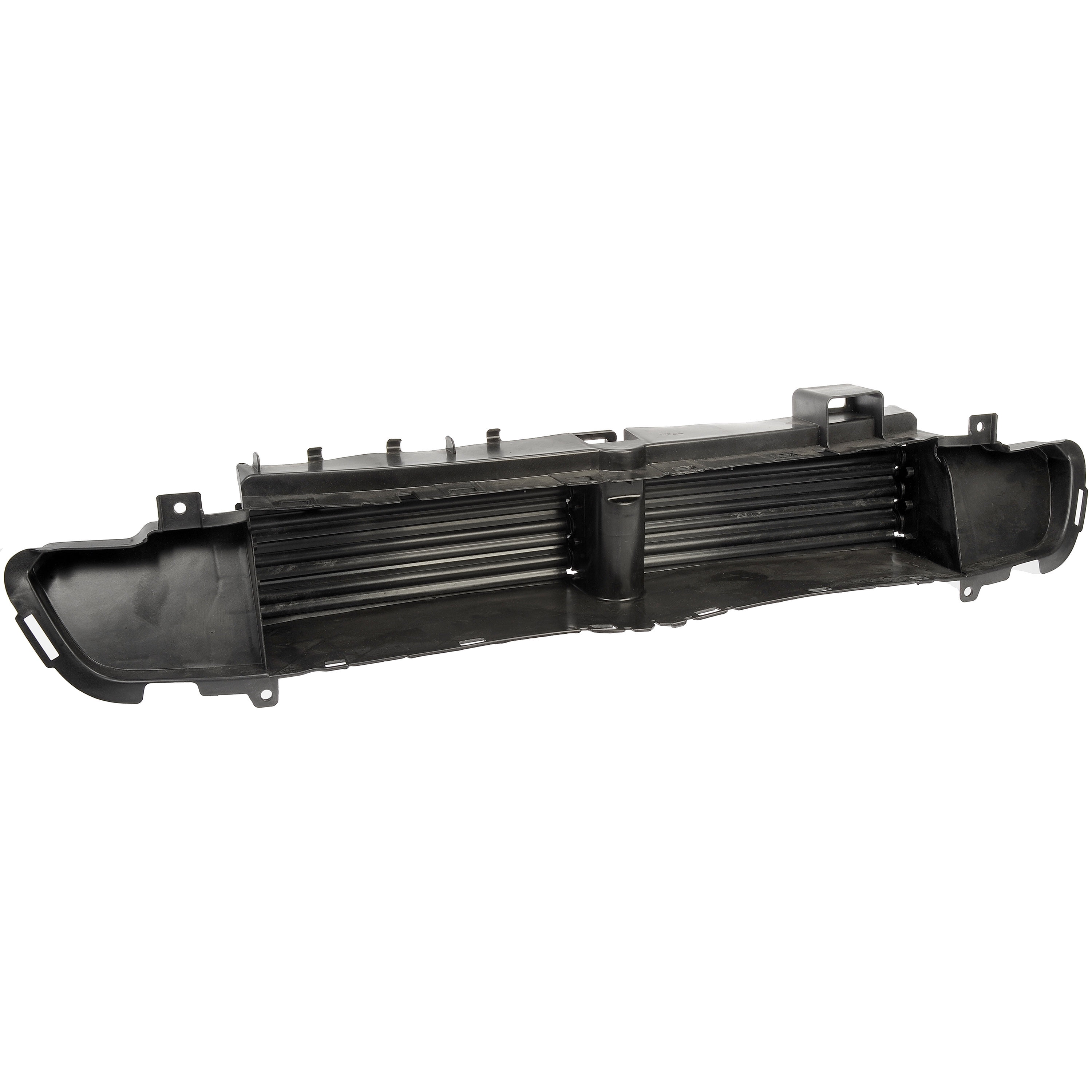
How To Diagnose And Fix P1d73
Step 1: Use An Obd-ii Scanner
Start by connecting an OBD-II scanner to your Jeep Cherokee. This device will read all stored codes and help you identify if P1D73 is the only issue or if there are related codes.
Step 2: Check Transmission Wiring
Wiring harnesses can become loose, corroded, or broken over time. Inspect the wiring connected to the transmission and TCM. Look for:
- Frayed wires
- Loose connectors
- Signs of water damage
Step 3: Test The Transmission Control Module
The TCM itself may need to be tested or even replaced. Most shops will use a scan tool to read live data and compare it to factory specifications.
Step 4: Update Software
Jeep often releases software updates to fix bugs in control modules. Visit your dealer or a trusted shop to see if a software update is available for your vehicle.
Step 5: Clear Codes And Test Drive
After repairs, clear the code with your scanner and drive the vehicle. If the code returns, there may be a deeper issue.
Pro Tip: Many beginners overlook the importance of checking for loose ground connections. A bad ground can cause module communication failures, triggering codes like P1D73.
The 73 Most Common Trouble Codes In Jeep Cherokee
Modern vehicles use hundreds of codes to identify problems. Here are the 73 most common trouble codes (including P1D73) that Jeep Cherokee owners may encounter, each with a brief explanation:
- P0101 – Mass or Volume Air Flow Circuit Range/Performance Problem
- P0102 – Mass Air Flow (MAF) Circuit Low Input
- P0103 – MAF Circuit High Input
- P0113 – Intake Air Temperature Sensor 1 Circuit High Input
- P0128 – Coolant Thermostat (Coolant Temperature Below Thermostat Regulating Temperature)
- P0133 – O2 Sensor Circuit Slow Response (Bank 1, Sensor 1)
- P0171 – System Too Lean (Bank 1)
- P0172 – System Too Rich (Bank 1)
- P0300 – Random/Multiple Cylinder Misfire Detected
- P0301 – Cylinder 1 Misfire Detected
- P0302 – Cylinder 2 Misfire Detected
- P0303 – Cylinder 3 Misfire Detected
- P0304 – Cylinder 4 Misfire Detected
- P0404 – Exhaust Gas Recirculation Circuit Range/Performance
- P0420 – Catalyst System Efficiency Below Threshold (Bank 1)
- P0456 – Evaporative Emissions System – Small Leak Detected
- P0500 – Vehicle Speed Sensor “A” Malfunction
- P0562 – System Voltage Low
- P0606 – ECM/PCM Processor
- P0700 – Transmission Control System (MIL Request)
- P0730 – Incorrect Gear Ratio
- P0841 – Transmission Fluid Pressure Sensor/Switch “A” Circuit Range/Performance
- P0850 – Park/Neutral Switch Input Circuit
- P0868 – Transmission Fluid Pressure Low
- P0882 – TCM Power Input Signal Low
- P0897 – Transmission Fluid Deterioration
- P0944 – Loss of Hydraulic Pump Prime
- P1D73 – Transmission Control Module Requested MIL Illumination
- U0100 – Lost Communication with ECM/PCM “A”
- U0140 – Lost Communication With Body Control Module
- U0404 – Invalid Data Received from Gear Shift Control Module
- B210D – Key Not Programmed
- B2205 – Vehicle Configuration Mismatch
- C0035 – Left Front Wheel Speed Sensor
- C0040 – Right Front Wheel Speed Sensor
- C1000 – Brake Fluid Level Low
- C121C – Torque Request Signal Denied
- C2200 – Anti-Lock Brake Module Internal
- C2202 – VIN Mismatch
- C121A – Steering Angle Sensor Not Initialized
- P219A – Bank 1 Air/Fuel Ratio Imbalance
- P2112 – Throttle Actuator Control System – Stuck Closed
- P2135 – Throttle/Pedal Position Sensor/Switch “A”/“B” Voltage Correlation
- P2101 – Throttle Actuator Control Motor Circuit Range/Performance
- P0152 – O2 Sensor Circuit High Voltage (Bank 2, Sensor 1)
- P0158 – O2 Sensor Circuit High Voltage (Bank 2, Sensor 2)
- P0340 – Camshaft Position Sensor Circuit Malfunction
- P0365 – Camshaft Position Sensor “B” Circuit (Bank 1)
- P0507 – Idle Control System RPM Higher Than Expected
- P0627 – Fuel Pump Control Circuit/Open
- P0642 – Sensor Reference Voltage “A” Circuit Low
- P0688 – ECM/PCM Power Relay Sense Circuit/Open
- P0705 – Transmission Range Sensor Circuit Malfunction (PRNDL Input)
- P0731 – Gear 1 Incorrect Ratio
- P0732 – Gear 2 Incorrect Ratio
- P0733 – Gear 3 Incorrect Ratio
- P0734 – Gear 4 Incorrect Ratio
- P0735 – Gear 5 Incorrect Ratio
- P0740 – Torque Converter Clutch Circuit Malfunction
- P0750 – Shift Solenoid “A” Malfunction
- P0755 – Shift Solenoid “B” Malfunction
- P0770 – Shift Solenoid “E” Malfunction
- P0846 – Transmission Fluid Pressure Sensor/Switch “B” Circuit Range/Performance
- P0869 – Transmission Fluid Pressure High
- P0880 – TCM Power Relay Control Circuit Open
- P0900 – Clutch Actuator Circuit/Open
- P0934 – Hydraulic Oil Temperature Sensor Circuit Low
- P0935 – Hydraulic Oil Temperature Sensor Circuit High
- P0945 – Hydraulic Pump Relay Circuit/Open
- P0960 – Pressure Control Solenoid “A” Control Circuit/Open
- P0962 – Pressure Control Solenoid “A” Control Circuit Low
- P0963 – Pressure Control Solenoid “A” Control Circuit High
- P1D74 – Transmission Range Sensor “A” Signal Circuit Short to Battery
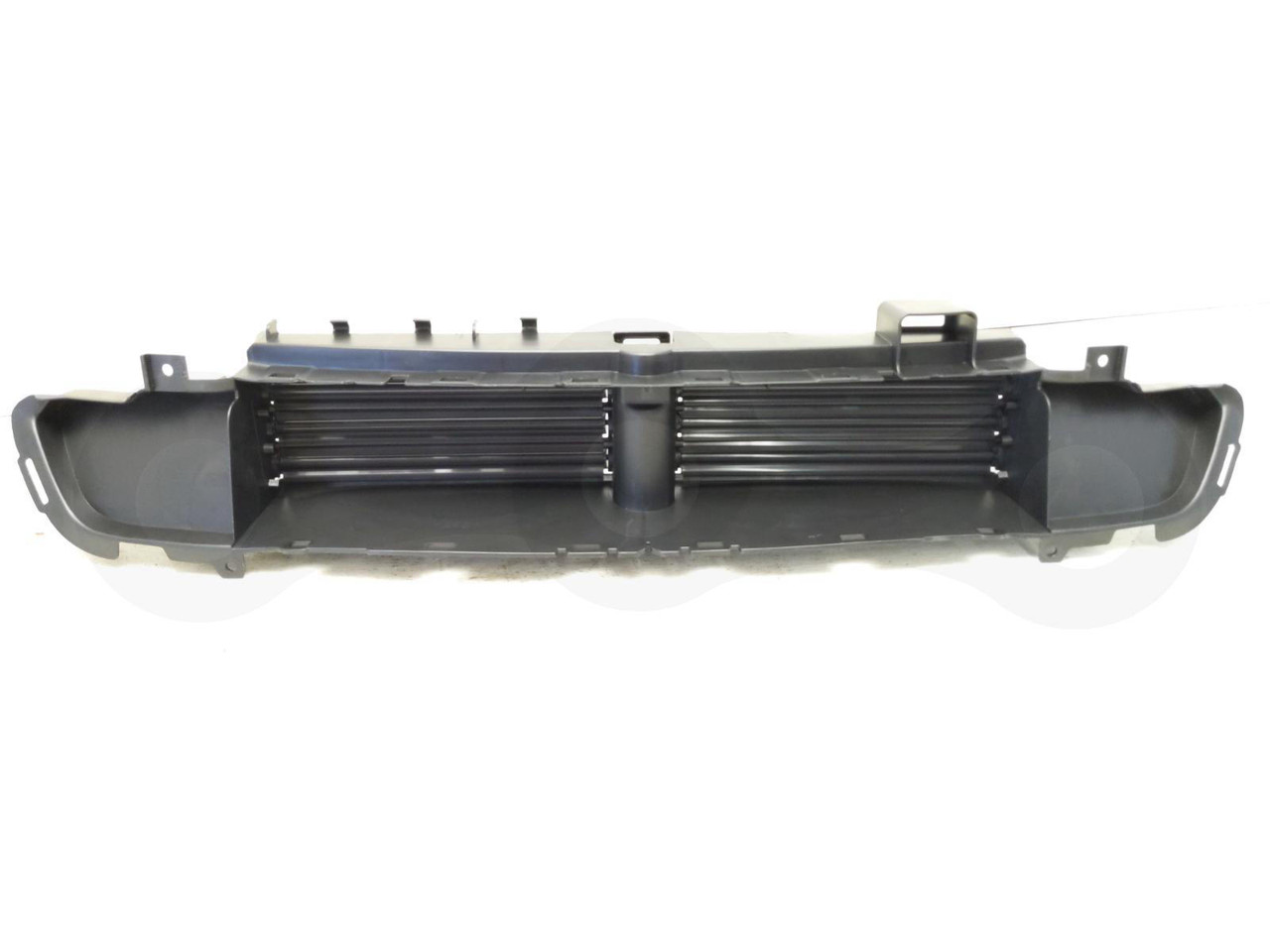
Comparing Common Transmission Codes
Many Jeep Cherokee issues are related to the transmission. Here’s a quick comparison of several codes:
| Code | Area Affected | Typical Cause | Severity |
|---|---|---|---|
| P1D73 | Transmission Module | Communication or wiring issue | Medium-High |
| P0730 | Gear Ratio | Worn parts or sensor error | High |
| P0700 | Transmission Control System | General fault | Medium |
| P0841 | Fluid Pressure | Low fluid or faulty sensor | High |
How Do These Codes Affect Driving?
Not every code will stop your Jeep Cherokee from running, but some can cause serious drivability problems:
- Harsh shifting
- Limp mode (vehicle stuck in one gear)
- Poor acceleration
- Engine stalling
If you notice any of these symptoms, do not keep driving. Get your vehicle checked as soon as possible.
What Are The Risks Of Ignoring Trouble Codes?
Ignoring codes, especially those related to the transmission, can be risky. Here’s how it can impact you:
| Ignored Code | Possible Consequence | Repair Cost Range |
|---|---|---|
| P1D73 | Transmission failure | $800–$4,500 |
| P0420 | Catalytic converter damage | $900–$2,500 |
| P0300 | Engine misfire/engine damage | $150–$2,000 |
| P0456 | Emissions fail; fuel smell | $100–$600 |
Non-obvious tip: Sometimes a low battery or failing alternator can trigger multiple codes, including transmission-related ones. Always check your battery and charging system first, especially if you see several codes at once.
How To Prevent Transmission And Other Codes
- Regular Maintenance: Change your transmission fluid every 60,000 miles (or as recommended). Dirty fluid can cause shifting problems and trigger codes.
- Software Updates: Ask your dealer about software updates. They can fix bugs that cause false codes.
- Visual Inspections: Check wiring and connectors at each oil change. Catching corrosion early can save you from major repairs.
- Use Quality Parts: Cheap sensors and parts often fail quickly and cause codes to return.
When To Visit A Professional
While some codes can be cleared by fixing a loose connector or dead battery, others, especially persistent transmission codes like P1D73, require professional diagnosis. Modern vehicles use complex computer networks, and improper repairs can make problems worse.
A certified Jeep technician will have access to factory scan tools and technical service bulletins that are not available to independent shops or home mechanics. This can save both time and money.
For detailed information on OBD-II codes, you can visit the On-board diagnostics Wikipedia page.
Frequently Asked Questions
<!– wp:rank-math/faq-block {"questions":[{"id":"faq-question-db36f6f16a74","title":"What Does The P1d73 Code Mean For My Jeep Cherokee?","content":"The P1D73 code means the transmission control module found a problem that requires attention. It may not point to a specific part but signals that the system is not operating normally.
“,”visible”:true},{“id”:”faq-question-1891d90750c6″,”title”:”Can I Drive My Jeep Cherokee With The P1d73 Code?”,”content”:”You can drive short distances, but it’s risky. The issue could get worse, leading to limp mode or transmission damage. Get it checked as soon as you can.
“,”visible”:true},{“id”:”faq-question-23a573fb2d3a”,”title”:”How Do I Clear The P1d73 Code?”,”content”:”Fix the root problem (wiring, sensor, or module issue), then use an OBD-II scanner to clear the code. If the repair is successful, the code should not return.
“,”visible”:true},{“id”:”faq-question-fa7579cf1e62″,”title”:”Is P1d73 Covered Under Warranty?”,”content”:”If your Jeep Cherokee is under powertrain warranty, transmission-related codes like P1D73 are often covered. Check with your dealer for your specific coverage.
“,”visible”:true},{“id”:”faq-question-3774421cdc1d”,”title”:”Are There Similar Codes To P1d73?”,”content”:”Yes, codes like P0700, P0730, and P1D74 also relate to the transmission or control module. Each code gives a clue about which part of the system needs attention.
In summary, understanding and addressing codes like P1D73 quickly can help you avoid expensive repairs and keep your Jeep Cherokee running smoothly. Regular maintenance and early diagnosis are your best tools for a trouble-free SUV experience.
“,”visible”:true}]} –>What Does The P1d73 Code Mean For My Jeep Cherokee?
The P1D73 code means the transmission control module found a problem that requires attention. It may not point to a specific part but signals that the system is not operating normally.
Can I Drive My Jeep Cherokee With The P1d73 Code?
You can drive short distances, but it’s risky. The issue could get worse, leading to limp mode or transmission damage. Get it checked as soon as you can.
How Do I Clear The P1d73 Code?
Fix the root problem (wiring, sensor, or module issue), then use an OBD-II scanner to clear the code. If the repair is successful, the code should not return.
Is P1d73 Covered Under Warranty?
If your Jeep Cherokee is under powertrain warranty, transmission-related codes like P1D73 are often covered. Check with your dealer for your specific coverage.
Are There Similar Codes To P1d73?
Yes, codes like P0700, P0730, and P1D74 also relate to the transmission or control module. Each code gives a clue about which part of the system needs attention.
In summary, understanding and addressing codes like P1D73 quickly can help you avoid expensive repairs and keep your Jeep Cherokee running smoothly. Regular maintenance and early diagnosis are your best tools for a trouble-free SUV experience.