The Jeep Cherokee Latitude is a popular choice for many drivers, offering a blend of capability and comfort. One crucial component that keeps this vehicle running smoothly, especially its engine, is the radiator.
This vital part plays a significant role in preventing your engine from overheating, ensuring it operates at the optimal temperature. Without a properly functioning radiator, your Cherokee Latitude could suffer severe engine damage, leading to costly repairs.
Understanding the radiator's function, its common issues, and how to maintain it is essential for any owner. This guide will explore everything you need to know about the Jeep Cherokee Latitude radiator, from what it does to when and how to replace it.
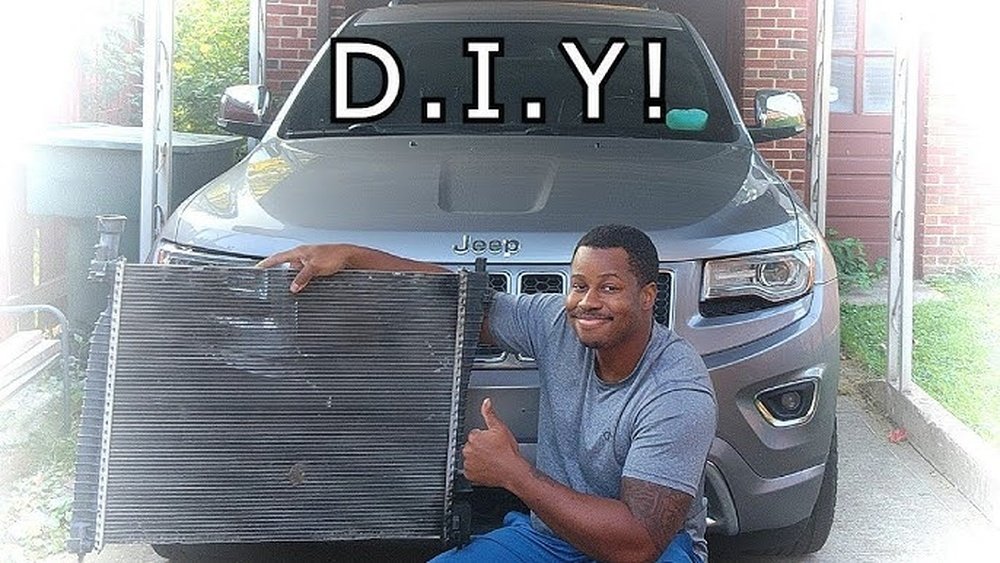
The Crucial Role Of Your Jeep Cherokee Latitude Radiator
The radiator is the heart of your vehicle’s cooling system. Its primary job is to dissipate heat generated by the engine. When the engine runs, it creates a lot of heat through combustion. This heat is absorbed by the coolant (a mixture of antifreeze and water) that circulates through the engine block. The hot coolant then flows into the radiator.
The radiator is essentially a heat exchanger. It’s made up of many small tubes and fins. As the hot coolant passes through these tubes, air flows over the fins. This airflow, whether from the vehicle moving or from a cooling fan, helps to cool the coolant down. The cooled coolant then returns to the engine to absorb more heat, repeating the cycle. This continuous process keeps the engine temperature within a safe operating range, preventing overheating.
How The Cooling System Works Together
The radiator doesn’t work alone. It’s part of a complex system that includes several other key components:
- Coolant: This special fluid absorbs heat from the engine and carries it to the radiator. It also protects the engine from freezing in cold weather and prevents corrosion.
- Water Pump: This pump circulates the coolant throughout the engine and to the radiator.
- Thermostat: This valve controls the flow of coolant. When the engine is cold, the thermostat stays closed, preventing coolant from reaching the radiator, allowing the engine to warm up faster. Once the engine reaches its optimal temperature, the thermostat opens, allowing coolant to flow to the radiator.
- Cooling Fan: This fan, often electric or engine-driven, pulls air through the radiator, especially when the vehicle is moving slowly or stopped.
- Hoses: These rubber or silicone tubes connect the radiator to the engine and other cooling system components, allowing coolant to flow between them.
- Radiator Cap: This cap maintains pressure within the cooling system, raising the boiling point of the coolant and preventing it from boiling over.
The Jeep Cherokee Latitude radiator is specifically designed to meet the cooling demands of its engine. Its size, material, and fin density are engineered for efficient heat transfer. For example, models with more powerful engines or those intended for heavy-duty use might have larger or more robust radiators to handle the increased heat output.
Common Problems Affecting Your Cherokee Latitude Radiator
Like any automotive component, the radiator can develop problems over time. These issues can range from minor leaks to complete failures.
Recognizing the signs of trouble is key to preventing more significant damage.
Radiator Leaks
Leaks are one of the most common radiator problems. They can occur due to corrosion, damage from road debris, or worn-out seals and gaskets. Leaks can happen in several places:
- Radiator Core: The main body of the radiator can develop pinhole leaks or cracks, often due to corrosion or impact.
- Hose Connections: The points where the radiator hoses connect to the radiator can leak if the clamps are loose or the fittings are damaged.
- Radiator Cap Seal: A faulty cap can lead to coolant escaping.
- Drain Plug: The plug at the bottom of the radiator, used for draining, can sometimes leak if not properly sealed.
Signs of a leak include visible puddles of coolant under your Jeep, a sweet smell (from the coolant evaporating), and a low coolant level in the reservoir.
Clogged Radiator
Over time, sediment, rust, and debris can build up inside the radiator tubes. This buildup restricts coolant flow, reducing the radiator’s ability to dissipate heat. A clogged radiator can lead to the engine running hotter than it should, even if there are no visible leaks. Symptoms include:
- Engine overheating, especially during prolonged driving or under heavy load.
- Poor heating inside the cabin, as the heater core uses hot coolant from the engine.
- Discolored or murky coolant in the reservoir.
Damaged Fins
The fins on the radiator are crucial for airflow and heat dissipation. If these fins become bent, crushed, or clogged with dirt and debris, they can significantly reduce the radiator’s efficiency. This can happen from:
- Road debris: Small rocks, leaves, and other materials can hit the radiator while driving.
- Improper cleaning: Using high-pressure water can bend the delicate fins.
Bent fins can be carefully straightened, but severe damage or widespread clogging might necessitate radiator replacement.
Faulty Radiator Cap
While not part of the radiator itself, the radiator cap is critical to its function. It’s designed to hold pressure in the cooling system. This pressure raises the boiling point of the coolant. If the cap can’t hold pressure, the coolant can boil at a lower temperature, leading to overheating and potential coolant loss. A weak spring or a damaged seal in the cap can cause this.
Internal Corrosion
The inside of the radiator can corrode over time, especially if the coolant is old or the wrong type is used, or if the system isn’t flushed regularly. This corrosion can create sludge that clogs the radiator and can eventually eat through the metal, causing leaks. Using the correct coolant and adhering to the recommended maintenance schedule is vital to prevent this.

Identifying A Failing Radiator: Warning Signs
Your Jeep Cherokee Latitude will often give you clues when its radiator is having problems. Paying attention to these signs can save you from a breakdown.
- Engine Temperature Gauge Fluctuations: If your temperature gauge starts climbing into the red zone more often, especially during normal driving conditions, it’s a strong indicator that the cooling system, likely including the radiator, is struggling.
- Visible Coolant Leaks: As mentioned, puddles of brightly colored liquid (green, orange, pink, or yellow, depending on the coolant type) under your vehicle are a clear sign of a leak. Check the radiator and hoses for signs of wetness or corrosion.
- Sweet Smell: Leaking coolant has a distinct, sweet odor. This smell can be noticeable when the engine is hot, as coolant evaporates.
- Steam from Under the Hood: If you see steam coming from your engine bay, it usually means coolant is leaking onto a hot engine component and boiling off. This is a serious sign and requires immediate attention.
- Reduced Heater Performance: The heater in your cabin uses hot coolant flowing through a small radiator called the heater core. If your radiator is clogged or low on coolant, there won’t be enough hot coolant to effectively warm the cabin air.
- Radiator Noise: While less common, sometimes a failing radiator can make gurgling or hissing noises, especially if there’s a significant air pocket or a leak.
- Muddy or Discolored Coolant: If you check your coolant reservoir and the fluid looks like mud, rust, or has debris floating in it, it indicates internal problems within the cooling system, potentially including the radiator.
If you notice any of these symptoms, it’s wise to have your cooling system inspected by a qualified mechanic.
Jeep Cherokee Latitude Radiator Replacement: When And How
Replacing a radiator is a task that can be done by a competent DIY mechanic, but it requires careful attention to detail and safety precautions.
When To Replace Your Radiator
There are several scenarios where replacement is the best course of action:
- Significant Leaks: If the radiator has a large crack or multiple pinhole leaks that cannot be easily repaired, replacement is usually necessary.
- Internal Clogging: If the radiator is severely clogged and flushing doesn’t restore proper flow, replacement is the most effective solution.
- Corrosion Damage: If the radiator shows signs of extensive internal or external corrosion, its structural integrity may be compromised, leading to future failures.
- Physical Damage: If the radiator has been significantly damaged by an impact, it should be replaced.
- Age: Radiators, like many automotive parts, have a lifespan. If your Jeep Cherokee Latitude is older and the radiator has never been replaced, it might be proactive to consider replacement, especially if you notice any minor issues.
The Replacement Process (general Steps)
The exact procedure can vary slightly depending on the model year and specific engine of your Jeep Cherokee Latitude, but the general steps are as follows:
Safety First: Always ensure the engine is completely cool before starting. The cooling system is under pressure, and hot coolant can cause severe burns. Wear safety glasses and gloves.
- Drain the Coolant: Locate the drain plug at the bottom of the radiator (or disconnect the lower radiator hose) and place a large drain pan underneath. Open the drain plug or disconnect the hose to allow the old coolant to drain completely. Dispose of the old coolant responsibly, as it is toxic.
- Remove Obstructions: Depending on your specific model, you may need to remove shrouds, fan assemblies, or other components to gain access to the radiator.
- Disconnect Hoses and Lines: Carefully disconnect the upper and lower radiator hoses, as well as any transmission cooler lines if your vehicle has an automatic transmission and the cooler is integrated into the radiator. Use pliers for hose clamps and be prepared for a small amount of residual coolant to spill.
- Remove the Old Radiator: Unbolt the radiator from its mounting brackets. It might be secured by bolts at the top and potentially rubber isolators at the bottom. Once unbolted, carefully lift the old radiator out of the engine bay.
- Prepare the New Radiator: If your new radiator didn’t come with a new radiator cap or drain plug, transfer them from the old one or install new ones. Inspect the mounting points and ensure they are clean.
- Install the New Radiator: Carefully place the new radiator into position, aligning it with the mounting brackets and isolators. Secure it with the mounting bolts.
- Reconnect Hoses and Lines: Reattach the upper and lower radiator hoses and any transmission cooler lines. Ensure all clamps are securely tightened.
- Fill the Cooling System: Using a 50/50 mixture of the correct type of antifreeze and distilled water, slowly fill the radiator through the radiator cap opening. Also, fill the coolant reservoir to the “COLD” fill line.
- Bleed the System: This is a critical step to remove air pockets. Start the engine and let it run with the radiator cap off (or the bleed screw open, if applicable). As the engine warms up and the thermostat opens, the coolant level will drop. Continue adding coolant until the level remains stable. Once no more air bubbles are seen, replace the radiator cap. Let the engine run for several minutes, monitoring the temperature gauge.
- Check for Leaks: After the engine has run and cooled down, re-check all connections for leaks and ensure the coolant level is correct in both the radiator and the reservoir.
Pro Tip: Always refer to your Jeep Cherokee Latitude’s service manual for the most accurate and detailed instructions specific to your vehicle’s year and engine. It will provide torque specifications for bolts and the exact type of coolant required.
Choosing The Right Radiator For Your Jeep Cherokee Latitude
When it’s time to replace your radiator, selecting the right one is crucial for ensuring optimal performance and longevity. There are several types and considerations to keep in mind.
Oem Vs. Aftermarket Radiators
- OEM (Original Equipment Manufacturer) Radiators: These are parts made by or for Jeep. They are designed to meet the exact specifications of your Cherokee Latitude. While generally reliable and guaranteed to fit, they can sometimes be more expensive.
- Aftermarket Radiators: These are made by third-party manufacturers. They can offer a wide range of options, often at a lower price point than OEM parts. Quality can vary significantly between brands. Some aftermarket radiators are designed as direct replacements, while others might offer upgraded features like increased cooling capacity for performance or towing applications.
Materials And Construction
Radiators are typically made from one of two materials:
- Aluminum Core with Plastic Tanks: This is the most common type found in modern vehicles, including many Jeep Cherokee Latitude models. They are lightweight and offer good cooling efficiency. The plastic tanks are often attached to the aluminum core using a crimping process.
- All-Metal (Copper/Brass): Older vehicles often used copper and brass radiators. These are very durable and repairable but are also heavier and more expensive. While less common in newer Cherokees, they might be an option for some custom builds or older models.
When choosing an aftermarket radiator, look for reputable brands known for quality construction. Features like brazed seams (instead of just crimped) and thicker core designs can indicate a more robust and efficient unit.
Key Specifications To Consider
When shopping for a radiator, pay attention to these details:
- Core Size: This refers to the dimensions of the cooling area (height, width, thickness). Ensure it matches your original radiator or is an appropriate upgrade.
- Row Count: The number of coolant passages (rows) in the core. More rows generally mean better cooling.
- Fin Density: The number of fins per inch. Denser fins offer more surface area for heat dissipation but can also be more prone to clogging.
- Inlet/Outlet Size and Position: These must match your vehicle’s coolant hoses.
- Transmission Cooler Fittings: If your Jeep has an automatic transmission, ensure the radiator has the correct fittings for the transmission fluid cooler lines.
Example: A Jeep Cherokee Latitude used for towing might benefit from a high-efficiency radiator with a thicker core or more rows, providing extra cooling capacity under load.
Maintaining Your Jeep Cherokee Latitude Cooling System
Regular maintenance is the best way to extend the life of your radiator and prevent costly repairs.
Regular Coolant Flushes
The coolant in your Jeep Cherokee Latitude degrades over time. It loses its anti-corrosive properties and can become contaminated. A coolant flush involves draining the old coolant, cleaning the system, and refilling it with fresh coolant. The frequency of flushes depends on the type of coolant used and the manufacturer’s recommendations, but a general guideline is every 30,000 to 50,000 miles or every 2 to 5 years.
Using The Correct Coolant
Jeep specifies a particular type of coolant for the Cherokee Latitude. Using the wrong type can



















