If your Jeep Cherokee Latitude is running hot or leaking coolant, your radiator might be the problem. A faulty radiator can quickly turn a simple drive into a roadside emergency.
Replacing the radiator might sound intimidating, but with some guidance, many car owners can handle this job themselves or confidently discuss repairs with a mechanic. This guide explains the full process, from recognizing the signs of radiator failure to installation tips, costs, and common mistakes.
Signs Your Radiator Needs Replacement
Before you start any repairs, look for these clear warning signs:
- Coolant leaks under the car, often bright green, orange, or pink fluid.
- Overheating engine indicated by your dashboard temperature gauge.
- Steam or a sweet smell from the hood, especially after driving.
- Low coolant levels even after topping off.
Ignoring these symptoms can lead to engine damage. The radiator is central to keeping your engine cool, so act quickly if you notice these issues.
Choosing The Right Replacement Radiator
Not all radiators are created equal. For the Jeep Cherokee Latitude (typically model years 2014 and up), make sure you match the year, engine size, and transmission type.
| Model Year | Engine Type | Transmission | Radiator Part Number |
|---|---|---|---|
| 2014-2018 | 2.4L I4 | Automatic | 68258764AA |
| 2014-2018 | 3.2L V6 | Automatic | 68258765AA |
| 2019-2026 | 2.4L I4 | Automatic | 68366556AA |
Pro Tip: Some aftermarket radiators offer better cooling but may not fit perfectly. Always double-check mounting points and connections before buying.
Tools And Parts Needed
Gather these tools and parts before starting:
- New radiator (compatible with your model)
- Coolant (OAT type, as recommended by Jeep)
- Basic hand tools: Wrenches, screwdrivers, pliers
- Drain pan
- Safety gloves and glasses
- Hose clamp pliers (helpful, but not required)
- New radiator hoses and clamps (optional but recommended)
Step-by-step Replacement Process
Replacing a radiator on a Jeep Cherokee Latitude is a moderate DIY job. Allow about 2-3 hours for the process. Here’s a simplified overview:
- Let the engine cool fully to avoid burns from hot coolant.
- Disconnect the battery to prevent electrical shorts.
- Drain the coolant by loosening the lower radiator drain plug. Collect fluid in a drain pan for proper disposal.
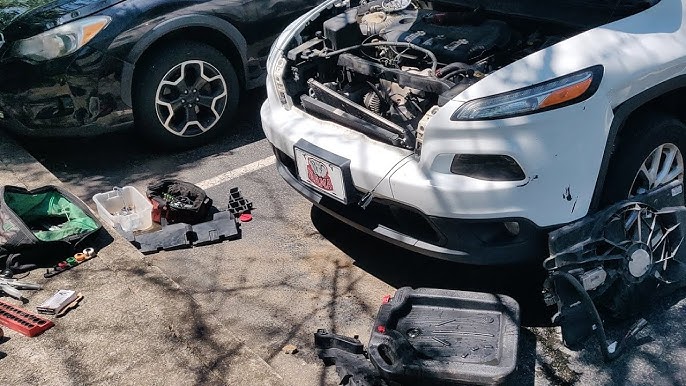
- Remove engine covers or shields as needed for access.
- Disconnect radiator hoses (upper and lower) using hose clamp pliers. Remove any attached transmission cooler lines if present.
- Unplug electrical connectors for radiator fans.
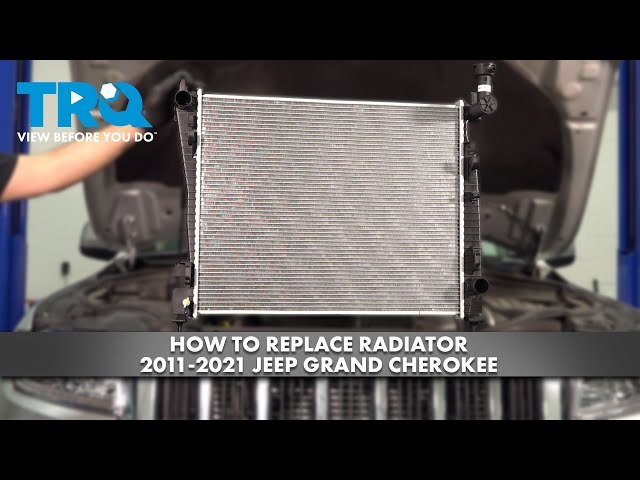
- Remove radiator mounting bolts and carefully lift the radiator out.
- Install the new radiator, making sure it aligns with all mounting points.
- Reconnect hoses, lines, and connectors. Replace worn clamps or hoses if needed.
- Refill the cooling system with the correct coolant mix.
- Bleed air from the system by running the engine with the radiator cap off until bubbles stop appearing.
- Check for leaks and monitor the temperature gauge during your first test drive.
If you are unsure about any step, consult your vehicle’s service manual or consider professional help.
Cost Comparison: Diy Vs. Mechanic
Costs vary depending on whether you do it yourself or hire a shop. Here’s a side-by-side look:
| Replacement Option | Parts Cost | Labor Cost | Total Estimate |
|---|---|---|---|
| DIY | $150-$350 | $0 | $150-$350 |
| Professional Mechanic | $180-$400 | $250-$450 | $430-$850 |
DIY saves money but requires time and confidence. If you lack the right tools or patience, a pro is the safer choice.
Common Mistakes To Avoid
Many beginners miss these important details:
- Forgetting to bleed air from the cooling system, which can cause overheating.
- Mixing coolant types, which may damage the system. Stick with the OAT formula Jeep recommends.
- Not checking for leaks after installation. Even a small leak can lead to big problems.
- Ignoring the radiator cap—a worn cap can prevent proper pressure.
A hidden insight: the radiator fan can sometimes be damaged during removal. Double-check its condition before reassembly.
Radiator failure can be a symptom of other issues. Consider replacing these parts at the same time:
- Radiator hoses if they are soft, cracked, or swollen.
- Thermostat to ensure proper engine temperature.
- Radiator cap for correct pressure.
- Coolant reservoir if it’s leaking.
Bundling these repairs can prevent future breakdowns.
How To Extend Your New Radiator’s Life
A new radiator is an investment. Here’s how to keep it in top shape:
- Flush the coolant every 5 years or 100,000 miles, as Jeep recommends.
- Use the correct coolant mixture—usually 50/50 water and OAT coolant.
- Check hoses and clamps every oil change.
- Inspect for leaks after long drives or in extreme weather.
These habits will help your Jeep Cherokee Latitude run reliably for years.
Frequently Asked Questions
<!– wp:rank-math/faq-block {"questions":[{"id":"faq-question-0e4c2892ec1b","title":"How Do I Know If My Jeep Cherokee Latitude Radiator Is Bad?","content":"Look for coolant leaks, overheating, low coolant, or visible corrosion. A sweet smell or steam from under the hood is also a warning sign.
“,”visible”:true},{“id”:”faq-question-2184ec0adf39″,”title”:”Can I Drive With A Leaking Radiator?”,”content”:”No. Driving with a leaking radiator can cause your engine to overheat and lead to major engine damage. Get it fixed right away.
“,”visible”:true},{“id”:”faq-question-da323cd71c4b”,”title”:”What Type Of Coolant Does The Jeep Cherokee Latitude Use?”,”content”:”Jeep recommends OAT (Organic Acid Technology) coolant. Mixing other types can damage the cooling system.
“,”visible”:true},{“id”:”faq-question-c3258f2bd1f7″,”title”:”How Long Does A Radiator Replacement Take?”,”content”:”For most DIYers, expect 2-3 hours. A shop can often do it faster, sometimes within 1.5 hours.
“,”visible”:true},{“id”:”faq-question-710889537f5a”,”title”:”Where Can I Find More Detailed Repair Instructions?”,”content”:”The Jeep Cherokee service manual provides step-by-step details. You can also find helpful guides on the AutoZone Repair Help site.
Replacing a radiator in your Jeep Cherokee Latitude isn’t just about swapping a part. It’s about restoring your vehicle’s reliability and protecting your engine from serious damage. With the right prep and attention to detail, you can handle this repair with confidence—or know exactly what to expect when you visit a mechanic.
“,”visible”:true}]} –>How Do I Know If My Jeep Cherokee Latitude Radiator Is Bad?
Look for coolant leaks, overheating, low coolant, or visible corrosion. A sweet smell or steam from under the hood is also a warning sign.
Can I Drive With A Leaking Radiator?
No. Driving with a leaking radiator can cause your engine to overheat and lead to major engine damage. Get it fixed right away.
What Type Of Coolant Does The Jeep Cherokee Latitude Use?
Jeep recommends OAT (Organic Acid Technology) coolant. Mixing other types can damage the cooling system.
How Long Does A Radiator Replacement Take?
For most DIYers, expect 2-3 hours. A shop can often do it faster, sometimes within 1.5 hours.
Where Can I Find More Detailed Repair Instructions?
The Jeep Cherokee service manual provides step-by-step details. You can also find helpful guides on the AutoZone Repair Help site.
Replacing a radiator in your Jeep Cherokee Latitude isn’t just about swapping a part. It’s about restoring your vehicle’s reliability and protecting your engine from serious damage. With the right prep and attention to detail, you can handle this repair with confidence—or know exactly what to expect when you visit a mechanic.