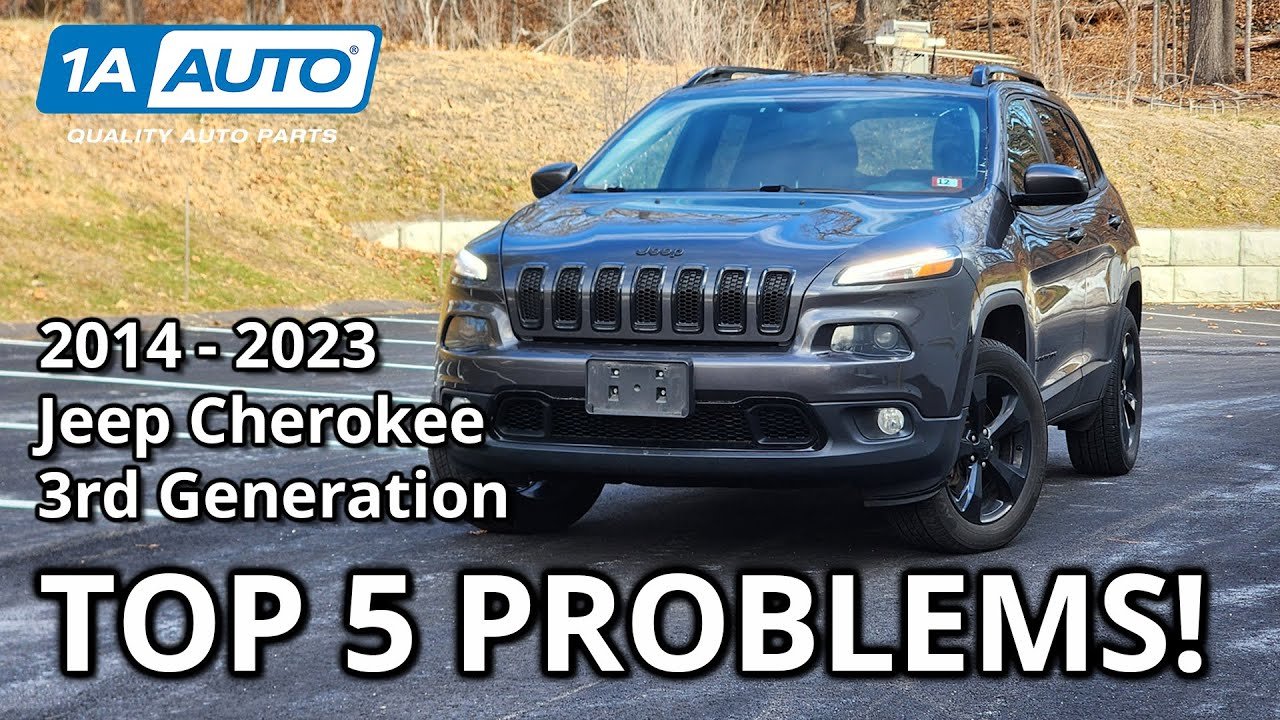
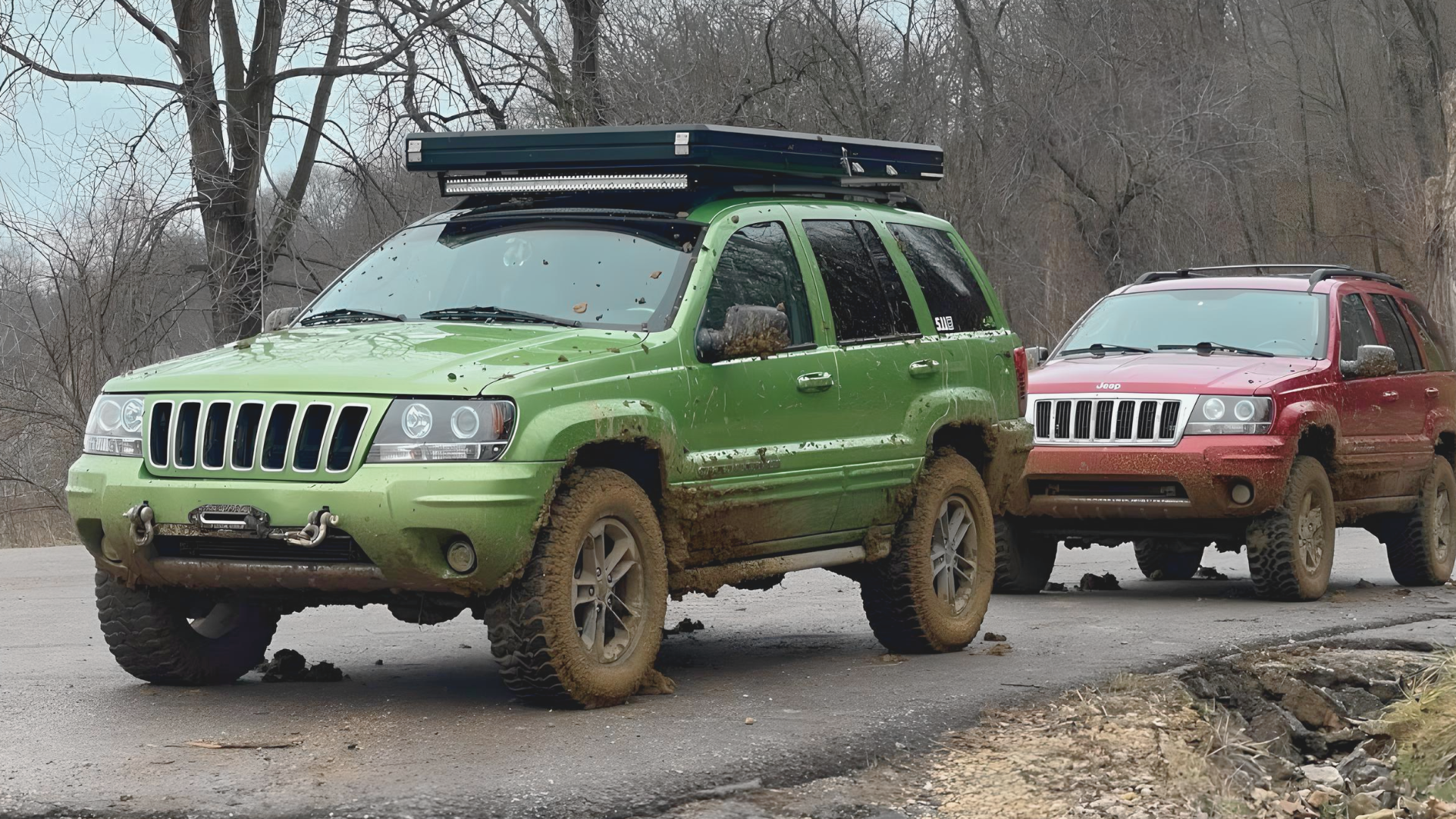
The Jeep Cherokee Latitude is a popular SUV known for its comfort, style, and off-road potential. Many drivers enjoy its smooth ride, practical features, and classic Jeep look.
However, like any vehicle, the Cherokee Latitude is not perfect. Some owners have faced reliability issues, recalls, and unexpected repairs.
Understanding these problems can help you decide if this SUV fits your needs, and it can help current owners handle issues early. Here, we’ll explore the most common Jeep Cherokee Latitude problems, their causes, and what you can do about them.
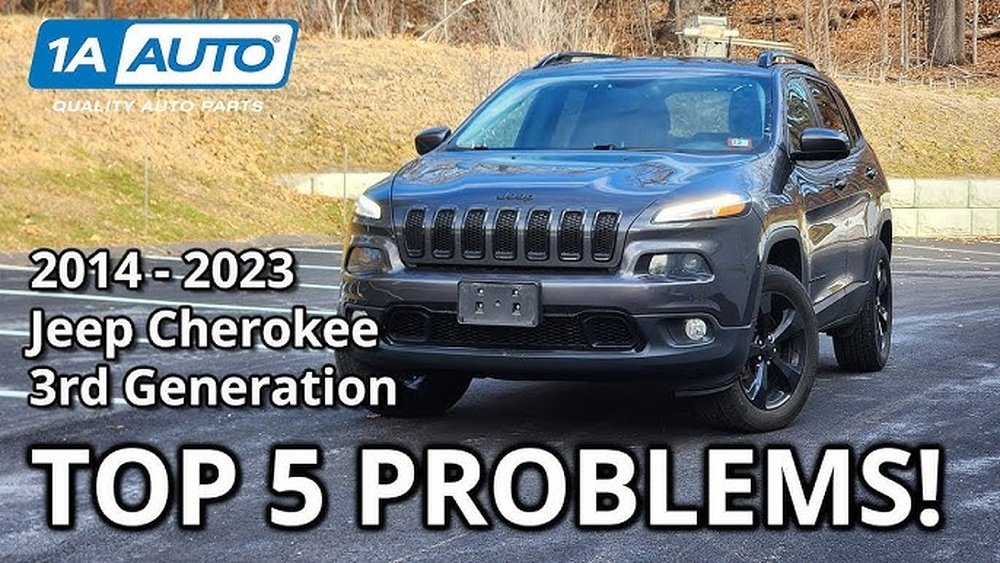
Common Jeep Cherokee Latitude Problems
Every car model has its own set of challenges, and the Cherokee Latitude is no exception. While many people drive their Cherokees without major trouble, there are a few issues that appear more often than others.
Transmission Issues
One of the most reported problems for the Jeep Cherokee Latitude is with its transmission. Many drivers notice rough shifting, hesitation, or even a complete failure to shift gears. This is especially common in models made between 2014 and 2016, which use the 9-speed automatic transmission.
- Some drivers report a jerky ride or a delay when changing gears.
- Others have experienced the transmission slipping into neutral while driving.
- In some cases, the car would not move at all after stopping.
These issues can be both annoying and dangerous. Jeep released several software updates to fix this, but some vehicles still need hardware repairs.
If you notice your Cherokee hesitating or shifting roughly, have it checked by a professional quickly to prevent further damage.
Electrical System Problems
Modern cars rely on complex electronics, and the Cherokee Latitude is no different. Owners have reported problems with the electrical system, including:
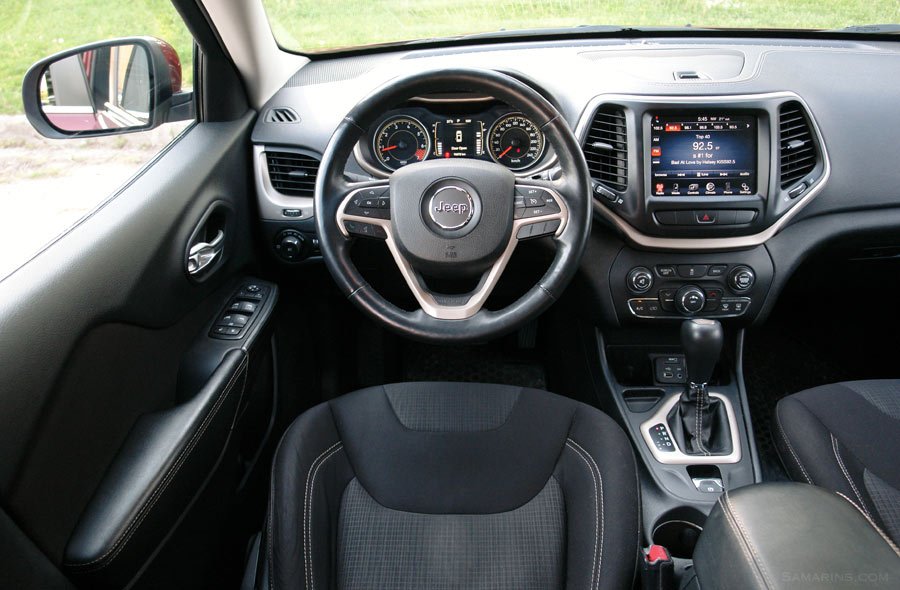
- Faulty dashboard displays
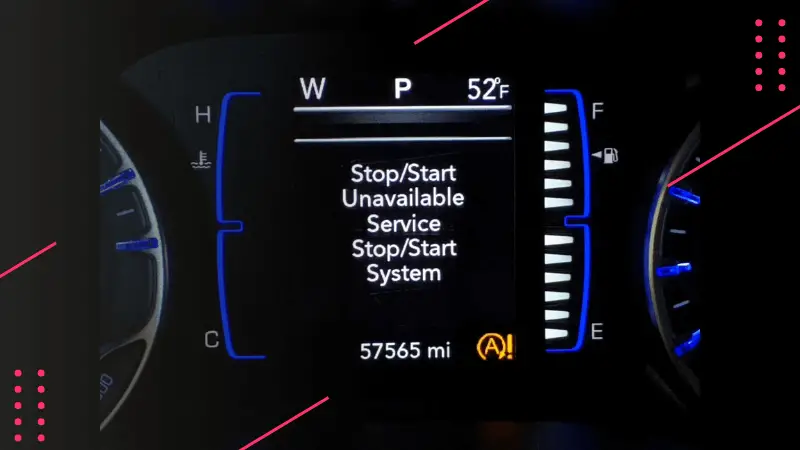
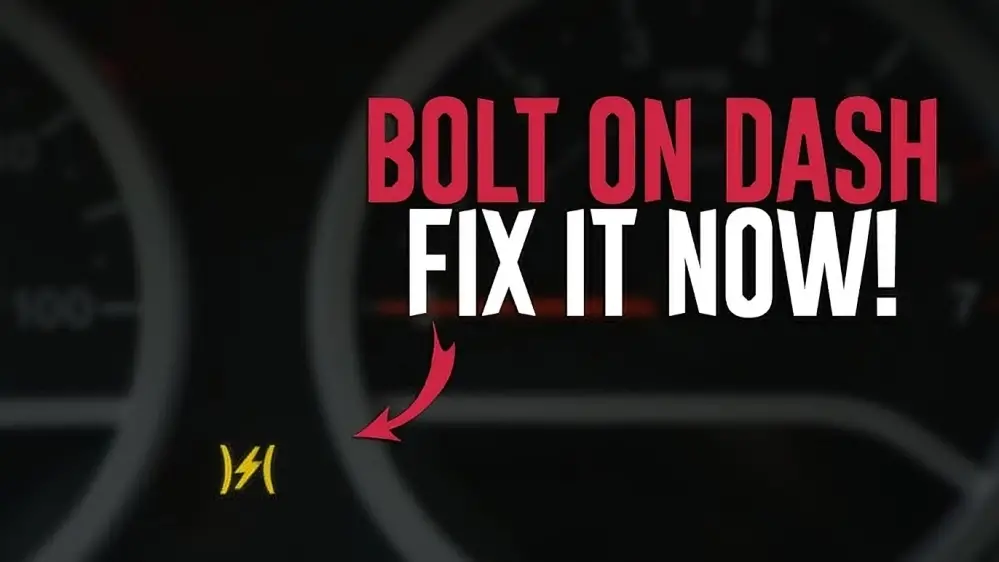
- Random warning lights
- Power windows or locks not working
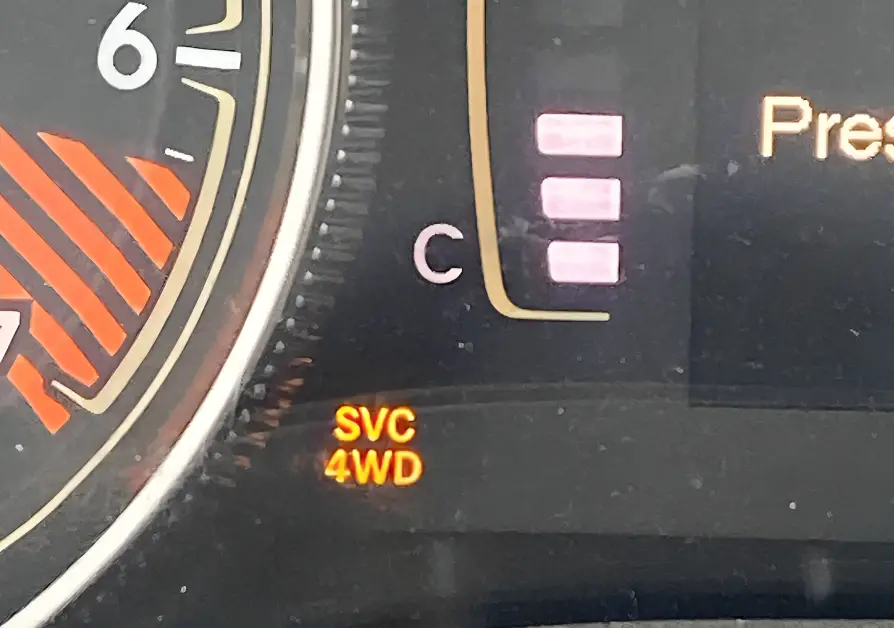
One common issue is the “Service Shifter” warning. Sometimes, the gear shifter’s lights flash, and the car shows a message telling you to service the shifter—even when nothing seems wrong.
This can be due to a loose wire, a bad sensor, or a software bug.
Engine Performance And Stalling
Some Cherokee Latitude owners have faced engine stalling or rough running. This can happen at low speeds, when stopping, or even at highway speeds.
- Some models with the 2.4L Tigershark engine have reported high oil consumption.
- A few drivers notice sudden loss of power, sometimes with check engine lights.
- This can be caused by faulty sensors, fuel system problems, or software glitches.
If you notice your Cherokee stalling or using too much oil, check your oil level regularly and visit a mechanic. Running low on oil can damage the engine quickly.
Problems With The Uconnect System
The Uconnect infotainment system is a highlight in the Cherokee Latitude, but it can have its own set of problems:
- Touchscreen freezing or going blank
- Bluetooth and phone connection issues
- Navigation and audio malfunctions
Many of these problems can be fixed with a software update or a system reset. However, in some cases, the screen or control unit may need to be replaced.
Water Leaks
A less obvious but frustrating problem is water leaks inside the cabin. Some owners have found water on the floor, especially after heavy rain or car washes. This is usually caused by clogged sunroof drains, poor door seals, or blocked cowl drains.
A wet interior can lead to mold, electrical issues, and bad smells. If you spot water inside your Cherokee, check the drains and seals as soon as possible.
Brake System Concerns
Some drivers have experienced premature brake wear, squeaking, or poor stopping power. While all brakes wear out eventually, some Cherokees seem to go through brake pads and rotors faster than expected.
In rare cases, there have been issues with the brake booster or brake fluid leaks. If your brakes feel soft, make noise, or you see warning lights, have them checked right away.
Year-by-year Comparison Of Issues
Not every Jeep Cherokee Latitude has the same problems. Some years have more complaints than others. Here’s a quick comparison:
| Model Year | Most Reported Problems | Severity |
|---|---|---|
| 2014 | Transmission, electrical, engine stalling | High |
| 2015 | Transmission, Uconnect, leaks | Moderate-High |
| 2016 | Transmission, brakes, electrical | Moderate |
| 2017–2018 | Minor electronics, brakes | Low-Moderate |
| 2019–2026 | Uconnect, minor electrical | Low |
As you can see, the earliest years (2014–2016) tend to have more complaints, especially about the transmission. Later models improved, but some issues still appear.
Recalls Affecting The Cherokee Latitude
A recall means the manufacturer has found a safety problem and will fix it for free. Over the years, the Jeep Cherokee Latitude has been subject to several recalls.
Major Recalls
- Transmission Software Update: Some Cherokees needed a software fix to prevent sudden shifting or stalling.
- Power Liftgate Module: Water could get into the power liftgate, causing a fire risk in some models.
- Airbag Deployment: Faulty sensors could prevent airbags from deploying in a crash.
You can check your Cherokee’s recall status using the VIN on the official NHTSA recall site.
How These Problems Affect Reliability
Reliability is a key factor for most car buyers. The Jeep Cherokee Latitude’s problems can affect both its safety and long-term costs.
- Transmission repairs are often expensive, sometimes over $3,000.
- Electrical issues can lead to annoying, hard-to-diagnose problems.
- Engine stalling is a safety concern, especially at high speeds.
However, not every Cherokee Latitude will have these problems. Many owners have driven their vehicles for years with only routine maintenance.
But if you are looking for a trouble-free SUV, it’s important to be aware of these potential issues.
Jeep Cherokee Latitude Vs. Competitors
How does the Cherokee Latitude compare to other compact SUVs in terms of reliability and common problems? Here’s a look at some main rivals:
| Model | Common Problems | Estimated Reliability |
|---|---|---|
| Jeep Cherokee Latitude | Transmission, electrical, water leaks | Average |
| Toyota RAV4 | Minor electronics, occasional transmission | Above Average |
| Honda CR-V | Engine oil dilution, A/C issues | Above Average |
| Ford Escape | Transmission, cooling system | Average |
| Chevrolet Equinox | Engine, electronics | Average |
While the Cherokee Latitude has more transmission complaints, its rivals also have issues. The key is to look for well-maintained cars and check for recalls before buying.
What To Watch For When Buying A Used Cherokee Latitude
If you’re thinking about buying a used Jeep Cherokee Latitude, a careful inspection is critical. Here’s what you should check:
- Transmission Health: Look for signs of rough or delayed shifting. Test drive at different speeds. Ask for service records showing software updates.
- Electrical System: Check that all lights, windows, and the infotainment system work. Look for warning lights on the dashboard.
- Leaks: Inspect the floor for dampness or a musty smell. Check the sunroof and door seals for signs of water entry.
- Engine Oil Level: Ask about oil consumption. Check the oil dipstick and look for leaks around the engine.
- Recalls: Run the VIN on the NHTSA website to check for open recalls.
A pre-purchase inspection by a trusted mechanic can help you avoid costly surprises.
Preventing And Managing Problems
Some issues are hard to avoid, but good maintenance can help your Jeep Cherokee Latitude last longer.
- Follow the manufacturer’s service schedule for oil changes, fluid checks, and filter replacements.
- Keep the software updated—Jeep often releases updates to fix bugs in the transmission and Uconnect systems.
- If you notice new warning lights, noises, or leaks, address them quickly to prevent bigger repairs.
- Clean sunroof and door drains at least once a year, especially if you live in a rainy climate.
Two non-obvious tips many owners miss:
- Use the right transmission fluid: Some transmission problems are caused by shops using the wrong fluid. Always use the fluid recommended in the owner’s manual.
- Disconnect the battery before resetting the Uconnect system: If the system freezes, a hard reset can sometimes fix it, but disconnecting the battery for a few minutes is safer and more effective than repeated button presses.
Cost Of Repairs And Maintenance
How much does it cost to keep a Jeep Cherokee Latitude running? Here’s a breakdown of typical repair costs:
| Repair | Estimated Cost |
|---|---|
| Transmission replacement | $3,000 – $5,500 |
| Engine repair (minor) | $400 – $1,200 |
| Uconnect system replacement | $900 – $1,700 |
| Brake pad and rotor replacement | $350 – $800 |
| Electrical diagnosis/repair | $150 – $900 |
| Water leak repair | $150 – $600 |
Routine maintenance is more affordable, typically $500–$700 per year if you follow Jeep’s guidelines.

Is The Jeep Cherokee Latitude Right For You?
The Jeep Cherokee Latitude has a lot to offer, from off-road ability to a comfortable interior and a long list of features. However, it’s important to weigh these strengths against the potential problems. If you value rugged looks and don’t mind some extra upkeep, it can be a good choice—especially if you find a well-maintained model with updated software and completed recalls.
For buyers who want the lowest risk, consider a later model year (2019 or newer), as these have fewer reported issues. Always check for a full service history and have any used vehicle inspected before purchase.
Owning a Jeep Cherokee Latitude means enjoying the Jeep experience, but it also means being ready for some extra maintenance. With good care and attention, many drivers have found their Cherokees to be reliable companions on the road.
Frequently Asked Questions