Keeping Your Jeep Cherokee Latitude Running Smoothly: A Guide To Oil Filters
Your Jeep Cherokee Latitude is more than just a vehicle; it's a reliable companion for daily commutes, weekend adventures, and everything in between. To ensure it continues to perform at its best and lasts for years to come, regular maintenance is key.
One of the most critical, yet often overlooked, components of this maintenance is the oil filter. This small but mighty part plays a vital role in protecting your engine from wear and tear.
This guide will walk you through everything you need to know about the oil filter for your Jeep Cherokee Latitude. We’ll cover why it’s so important, how to choose the right one, when to replace it, and even some tips on how to do it yourself.
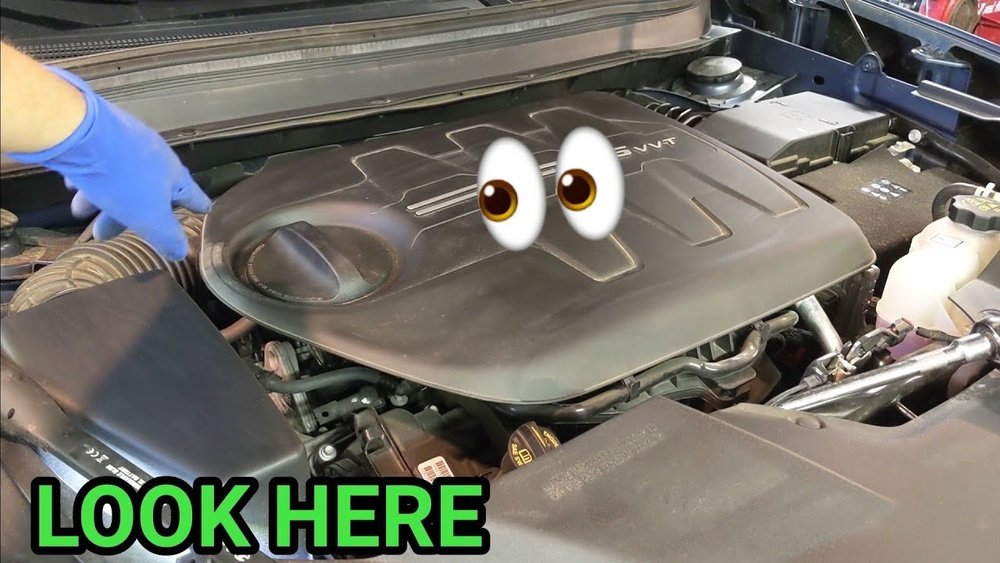
Whether you’re a seasoned mechanic or a new car owner, understanding the oil filter is a crucial step in keeping your Jeep running like a dream.
Why Your Jeep Cherokee Latitude Needs A Quality Oil Filter
The engine in your Jeep Cherokee Latitude is a complex machine with many moving parts. These parts create friction as they move, and this friction generates heat and tiny metal particles.
This is where your engine oil comes in. The oil lubricates these moving parts, reducing friction and heat.
However, as the oil circulates, it picks up these metal particles, as well as dirt, soot, and other contaminants from the combustion process.
If these contaminants were allowed to circulate freely, they would act like sandpaper, grinding away at your engine’s internal components. This would lead to accelerated wear, reduced performance, and eventually, costly engine damage.
This is precisely why the oil filter is so essential. Its job is to trap these harmful contaminants before they can damage the engine. As the oil is pumped from the oil pan, it passes through the oil filter. The filter’s media, often made of paper or synthetic materials, acts like a sieve, allowing the clean oil to pass through while holding back the debris. A clean oil filter ensures that only clean, lubricating oil reaches the vital parts of your engine, protecting them from damage and ensuring optimal performance.
Understanding The Different Types Of Oil Filters
When you go to buy an oil filter for your Jeep Cherokee Latitude, you might notice there are different types available. While they all serve the same basic purpose, they can vary in terms of materials, design, and performance.
Conventional Oil Filters
These are the most common and typically the most affordable type of oil filter. They use a cellulose-based filtering material.
Conventional filters are perfectly adequate for standard oil change intervals and regular driving conditions. They are designed to capture most common contaminants found in engine oil.
High-efficiency Oil Filters
These filters use a blend of cellulose and synthetic fibers, or sometimes entirely synthetic media. This advanced media is designed to capture smaller particles and a higher percentage of contaminants compared to conventional filters.
High-efficiency filters are often recommended for drivers who use synthetic oil, drive in extreme conditions (like heavy towing or stop-and-go city traffic), or want to extend their oil change intervals slightly.
They generally come at a higher price point.
Performance Oil Filters
These are typically designed for high-performance or racing applications. They often feature a more robust construction, higher flow rates, and specialized filtering media capable of handling extreme temperatures and pressures.
For a standard Jeep Cherokee Latitude, a performance filter is usually overkill and not necessary.
Choosing The Right Oil Filter For Your Jeep Cherokee Latitude
Selecting the correct oil filter for your specific Jeep Cherokee Latitude model is crucial. Using the wrong filter can lead to poor filtration, leaks, or even damage.
Key Factors To Consider:
- Vehicle Compatibility: This is the most important factor. Always ensure the oil filter you choose is specifically designed for your Jeep Cherokee Latitude’s year, make, and model. Manufacturers design filters to meet the precise specifications of each engine. You can usually find this information in your owner’s manual or by using online parts finders on auto parts store websites. They will list compatible filter numbers.
- Oil Type: While most filters work with both conventional and synthetic oils, some high-efficiency or performance filters are specifically designed to complement the longer life and better performance of synthetic oil. If you use synthetic oil, consider a filter that can match its capabilities.
- Filtration Efficiency: As mentioned earlier, filters vary in their ability to capture contaminants. For normal driving, a good quality conventional or high-efficiency filter will suffice. If you frequently drive in dusty conditions, tow heavy loads, or use your Jeep for off-roading, a filter with higher filtration efficiency might be a worthwhile investment.
- Durability and Construction: Look for filters with a sturdy metal canister, a properly sealing gasket, and a reliable anti-drainback valve (more on this later). A well-built filter will withstand engine vibrations and temperature changes without failing.
Common Oil Filter Part Numbers For Jeep Cherokee Latitude
Jeep often uses filters from major manufacturers like Mopar (the official parts brand for Chrysler, Dodge, Jeep, and Ram), Wix, Fram, Purolator, and Bosch. While part numbers can change slightly between revisions, here are some common examples you might encounter for various Jeep Cherokee Latitude generations. Always double-check compatibility for your specific year.
Here’s a look at some common part numbers, but remember to verify for your exact vehicle:
| Manufacturer | Common Part Number (Example) | Notes |
|---|---|---|
| Mopar | MO-349, MO-899 | Official OEM equivalent, often a reliable choice. |
| Wix | 57712, 57060 | Known for good quality and robust construction. |
| Fram | PH10600, XG10600 | Offers both standard (PH) and extended life (XG) versions. |
| Purolator | PL10600, PBL10600 | Offers standard (PL) and synthetic (PBL) oil filter options. |
| Bosch | 3401, D3500 | Reputable brand, often with good filtration technology. |
Pro Tip: When in doubt, visit your local Jeep dealership or a reputable auto parts store. Their staff can help you identify the exact filter needed for your vehicle based on its VIN (Vehicle Identification Number).
The Anatomy Of An Oil Filter: What Makes It Work?
Understanding the different parts of an oil filter can help you appreciate its function and identify potential issues.
- Housing (Canister): This is the metal outer shell of the filter. It protects the internal components and provides a surface for mounting. It’s usually made of steel.
- Threaded Base Plate: This is the part that screws onto the engine block. It has a precisely machined thread to ensure a secure fit. It also contains the oil inlet holes.
- Gasket: A rubber or synthetic ring that creates a tight seal between the filter and the engine block. This prevents oil from leaking out. A damaged or improperly seated gasket is a common cause of oil leaks.
- Filter Media: This is the heart of the oil filter. It’s a pleated material (cellulose, synthetic, or a blend) that traps contaminants. The pleating increases the surface area, allowing more oil to pass through while maintaining efficient filtration.
- Center Tube: A perforated metal tube that supports the filter media and allows filtered oil to flow out towards the engine.
- Anti-Drainback Valve: This is a crucial component, especially for filters mounted horizontally or at an angle. It’s a flexible flap or diaphragm that prevents oil from draining out of the filter and back into the oil pan when the engine is off. This ensures that oil is immediately available to lubricate the engine upon startup, reducing wear.
- Bypass Valve: This is a spring-loaded valve. If the filter becomes clogged with debris, oil flow can be restricted, starving the engine of lubrication. The bypass valve opens under pressure to allow oil to flow around the filter media, ensuring the engine still receives oil, albeit unfiltered. While this prevents catastrophic failure, it means unfiltered oil circulates, so a clogged filter should be replaced promptly.
When To Replace Your Jeep Cherokee Latitude’s Oil Filter
The oil filter works in tandem with your engine oil. Therefore, the recommended replacement interval for your oil filter is typically tied to your oil change schedule.
Manufacturer Recommendations
Your Jeep owner’s manual is the ultimate guide for maintenance schedules. For most Jeep Cherokee Latitude models, the manufacturer recommends changing the oil and filter at specific intervals, often based on mileage or time.
- Conventional Oil: Typically every 3,000 to 5,000 miles or every 6 months, whichever comes first.
- Synthetic Oil: Often extends to 5,000 to 7,500 miles or even longer, depending on the specific oil and filter used. Again, consult your manual.
Factors That May Require More Frequent Changes:
- Severe Driving Conditions: If you frequently drive in heavy traffic (stop-and-go), tow trailers, drive on dusty unpaved roads, or operate your Jeep in extreme temperatures (very hot or very cold), your oil and filter will work harder and may need to be changed more often.
- Off-Roading: Off-road use can introduce more dirt and debris into the engine, necessitating more frequent filter changes.
- Extended Idling: Long periods of idling can cause oil to break down and accumulate contaminants faster.
Signs Your Oil Filter Might Need Changing:
While sticking to the recommended schedule is best, sometimes your vehicle might give you clues:
- Low Oil Pressure Light: If this warning light comes on, it could indicate a clogged filter restricting oil flow. Do not ignore this light.
- Unusual Engine Noises: A failing oil filter or low oil level due to a leak from a bad gasket can lead to increased engine noise.
- Dirty Oil: While you check oil level, also note its color. If it appears very dark and sludgy, it’s a sign the oil and filter have done their job but are now saturated with contaminants.
In my experience, many people neglect the oil filter, thinking it’s just a minor part. However, a clogged filter can put significant strain on your oil pump and lead to premature engine wear, even if the oil itself still looks okay. It’s always best practice to replace the oil filter every time you change your engine oil.
How To Change The Oil Filter On Your Jeep Cherokee Latitude (diy Guide)
Changing your oil filter is a relatively straightforward maintenance task that most DIYers can handle. However, it requires the right tools and safety precautions.
Disclaimer: This is a general guide. Always refer to your specific Jeep Cherokee Latitude owner’s manual or a repair manual for detailed instructions and safety information pertaining to your model year. If you are uncomfortable performing this task, take your vehicle to a qualified mechanic.
Tools And Materials You’ll Need:
- New oil filter (correct part number for your Jeep)
- New engine oil (correct type and quantity for your Jeep)
- Wrench for the oil drain plug
- Oil filter wrench (strap wrench, cap wrench, or pliers type)
- Drain pan (large enough to hold all the old oil)
- Funnel
- Rags or shop towels
- Gloves (nitrile or latex)
- Safety glasses
- Jack and jack stands (if needed for access)
- Wheel chocks
Step-by-step Instructions:
- Warm Up the Engine: Run your Jeep’s engine for a few minutes to warm the oil. Warm oil flows more easily, making it easier to drain. However, don’t let it get too hot, as this can cause burns.
- Safely Lift the Vehicle (If Necessary): If you need more clearance to access the oil drain plug and filter, use a jack to lift the front of the vehicle and secure it with jack stands. Never work under a vehicle supported only by a jack. Place wheel chocks behind the rear wheels for added safety.
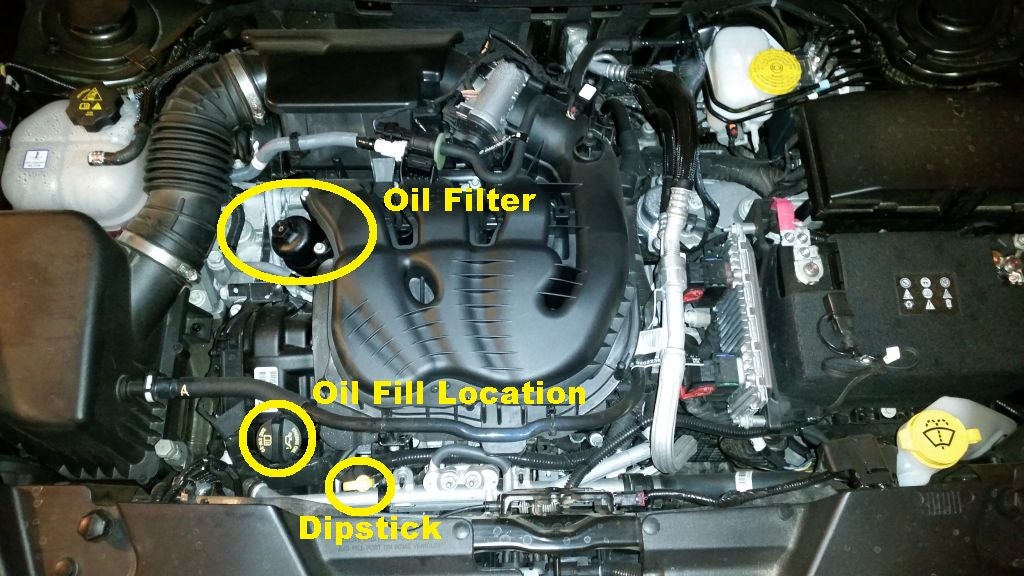
- Locate the Oil Drain Plug and Filter: Consult your owner’s manual to find the oil drain plug (usually on the bottom of the oil pan) and the oil filter (typically screwed into the engine block).
- Position the Drain Pan: Place the drain pan directly beneath the oil drain plug.
- Drain the Old Oil: Using the correct size wrench, carefully loosen and remove the oil drain plug. Let the old oil drain completely into the pan. This can take several minutes. Once drained, clean the drain plug and reinstall it with a new crush washer if recommended, tightening it securely but without overtightening.
- Position Drain Pan for Filter: Move the drain pan beneath the oil filter.
- Remove the Old Oil Filter: Use your oil filter wrench to loosen the old filter by turning it counter-clockwise. Once loose, finish unscrewing it by hand. Be prepared for some oil to spill out as you remove it.
- Prepare the New Oil Filter:
- Take your new oil filter.
- Dip your finger into some of the new engine oil.
- Lubricate the rubber gasket on the new filter with this oil. This helps ensure a good seal and makes future removal easier.
- Optional: Some mechanics like to pre-fill the new filter with a small amount of oil, especially if it will be mounted vertically. This helps to get oil pressure up faster on startup. However, be careful not to spill it.
- Install the New Oil Filter: Carefully screw the new oil filter onto the engine block by hand, turning it clockwise. Once the gasket makes contact with the engine block, tighten it an additional three-quarters to one full turn by hand. Do not use the oil filter wrench to tighten it, as this can overtighten and damage the filter or gasket. Check the filter manufacturer’s instructions for specific tightening guidance.
- Add New Engine Oil: Lower the vehicle if it was raised. Open the hood and locate the oil fill cap (usually marked with an oil can symbol). Using a funnel, add the correct amount and type of new engine oil specified in your owner’s manual.
- Check for Leaks and Oil Level: Start the engine and let it run for about a minute. Check the oil pressure light on your dashboard, it should turn off within a few seconds. While the engine is running, carefully inspect the oil drain plug and the new oil filter for any signs of leaks. Turn off the engine. After a few minutes, check the oil level using the dipstick. Add more oil if necessary to reach the full mark.
- Dispose of Old Oil and Filter Properly: Used motor oil and filters are hazardous waste.