The Jeep Cherokee is a popular SUV known for its off-road capabilities and versatility. Like any vehicle, it requires regular maintenance, and one crucial component to pay attention to is the fuel line.
The fuel line system is responsible for delivering gasoline from the tank to the engine. When it malfunctions, it can cause a range of problems, from poor engine performance to serious safety hazards.
Understanding the different types of fuel lines, common issues, and proper maintenance for your Jeep Cherokee can save you time, money, and keep you safe on the road.
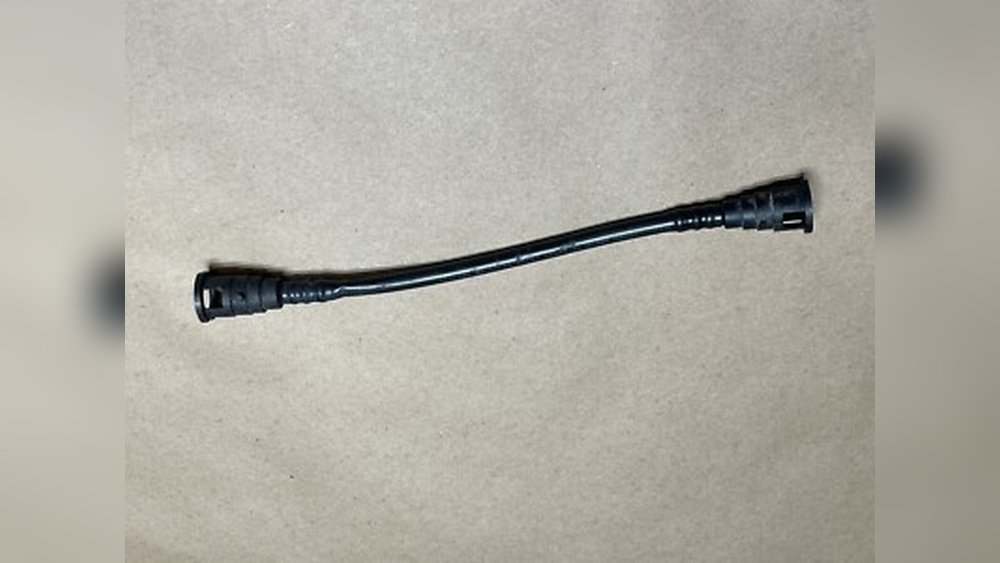
Understanding The Jeep Cherokee Fuel Line System
The fuel line system in a Jeep Cherokee is a network of pipes and hoses that carry fuel. It’s a critical part of the internal combustion engine‘s operation. The system typically includes several key components:
- Fuel Tank: Stores the gasoline.
- Fuel Pump: Usually located inside the fuel tank, it pushes fuel through the lines.
- Fuel Filter: Cleans the fuel before it reaches the engine.
- Fuel Lines: These are the conduits that carry fuel. They can be made of different materials and vary in location.
- Fuel Injectors or Carburetor: These deliver the fuel into the engine cylinders.
The lines themselves are designed to withstand the pressure of the fuel pump and the corrosive nature of gasoline. Over time, however, these components can degrade due to age, exposure to elements, or physical damage.
Types Of Fuel Lines In A Jeep Cherokee
Jeep Cherokees, depending on the model year, can have different types of fuel lines. Modern vehicles often use a combination of materials for durability and cost-effectiveness.
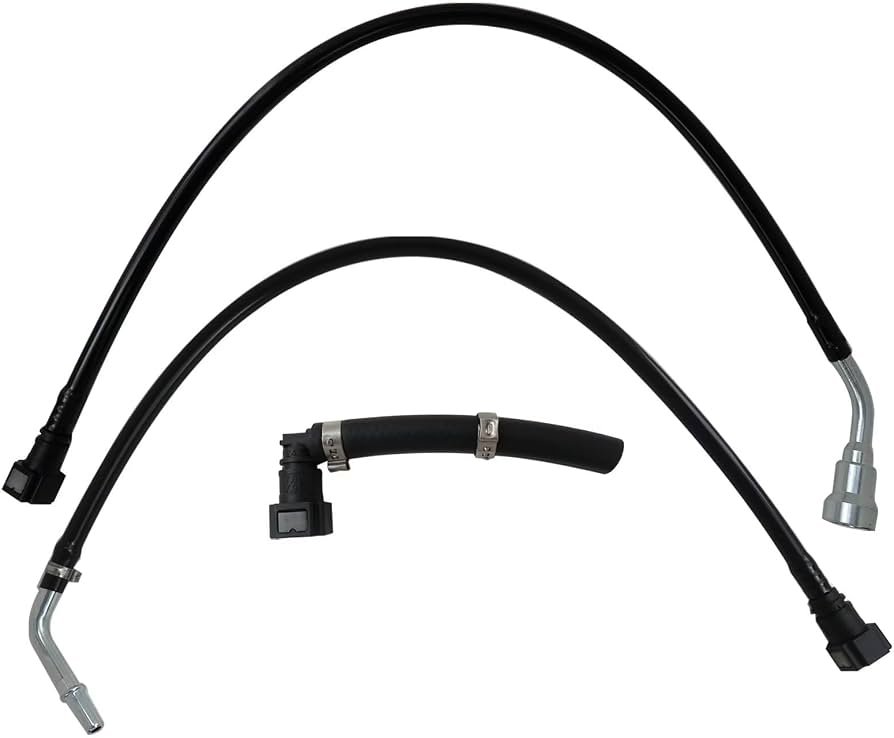
- Metal Fuel Lines: These are typically made of steel or aluminum. They are rigid and often used for the main runs of the fuel system, especially under the vehicle. Metal lines are durable but can be susceptible to rust and corrosion, particularly in areas with harsh road salt. They can also be damaged by impacts from road debris.
- Rubber Fuel Hoses: Flexible rubber hoses are often used at connection points where some movement is expected, such as between the fuel tank and the metal lines, or near the engine where vibrations are common. These hoses are specifically designed to be resistant to fuel and heat. However, rubber can degrade over time, becoming brittle, cracked, or soft.
- Nylon or Plastic Fuel Lines: Some newer Cherokees might incorporate nylon or other plastic composite lines. These are lightweight and resistant to corrosion. However, they can be more vulnerable to damage from sharp impacts or extreme heat.
The specific configuration and materials used will depend on the generation and model year of your Jeep Cherokee. For instance, a classic XJ model might have a different setup than a newer KL generation.
Common Issues With Jeep Cherokee Fuel Lines
Several problems can arise with the fuel line system. Recognizing these issues early can prevent more significant damage and safety concerns.
- Leaks: This is one of the most common and dangerous problems. Leaks can occur due to corrosion, cracks in hoses, loose fittings, or damage from road debris. A fuel leak is a fire hazard, and any smell of gasoline should be investigated immediately. Leaks can also lead to fuel starvation for the engine, causing sputtering or stalling.
- Clogs: The fuel filter is designed to prevent debris from entering the fuel lines, but over time, it can become clogged. If the filter is severely blocked, fuel flow to the engine will be restricted. This can cause hesitation, poor acceleration, and loss of power, especially under load. Sometimes, debris can bypass a failing filter and clog the lines or injectors themselves.
- Corrosion and Rust: Metal fuel lines are prone to rust, especially in humid climates or areas where roads are treated with salt during winter. Rust can weaken the lines, leading to leaks. It can also create internal obstructions if rust particles break off and enter the fuel flow.
- Degradation of Rubber Hoses: Over years, rubber hoses can become brittle and crack. This often happens at connection points or bends. Cracks can lead to small leaks that might not be immediately obvious but can worsen over time.
- Fuel Pump Issues: While not directly a fuel line problem, a failing fuel pump can put extra strain on the fuel lines or cause inconsistent fuel pressure, mimicking some fuel line issues.
Symptoms Of A Failing Jeep Cherokee Fuel Line
Recognizing the signs of a failing fuel line is crucial for timely repair. Ignoring these symptoms can lead to more severe damage or unsafe driving conditions.
Visible Signs
The most obvious sign is often a visible leak. This might appear as wet spots under the vehicle, especially after it has been running. You might also see corrosion or rust on metal lines, or cracks and brittleness on rubber hoses. If you can safely get under your Cherokee (use jack stands, never just a jack!), inspect the entire length of the fuel lines running from the tank to the engine bay. Look for any signs of damage, leaks, or excessive wear.
Fuel Smell
A persistent smell of gasoline around your vehicle, particularly when it’s parked or shortly after driving, is a strong indicator of a leak. This smell can be faint at first but will usually become more pronounced as the leak worsens. Never ignore a fuel smell, as it poses a significant fire risk.
Engine Performance Issues
A compromised fuel line can significantly impact how your engine runs. Common performance issues include:
- Hard Starting: If fuel isn’t reaching the engine consistently, it can take longer to start, or the engine might crank without firing up.
- Stalling: Sudden loss of fuel pressure can cause the engine to stall unexpectedly, often while driving.
- Rough Idling: An inconsistent fuel supply can lead to the engine running unevenly when at idle.
- Hesitation or Surging: When you accelerate, the engine might hesitate or feel like it’s sputtering because it’s not getting enough fuel.
- Loss of Power: Especially during acceleration or when going uphill, you might notice a significant drop in engine power.
- Check Engine Light: Modern Cherokees have sophisticated emissions systems. A fuel leak can cause the Check Engine Light to illuminate, often with codes related to the evaporative emission control (EVAP) system or fuel pressure.
Fuel Economy Decrease
If you notice your Jeep Cherokee is getting significantly worse gas mileage than usual, a fuel leak could be the culprit. Even small, slow leaks can result in a noticeable drop in fuel efficiency over time.
Diagnosing Jeep Cherokee Fuel Line Problems
Diagnosing fuel line issues requires a systematic approach. It’s often best left to a professional mechanic, but understanding the process can help you communicate effectively with them and potentially identify simple issues yourself.
Visual Inspection
As mentioned, a thorough visual inspection is the first step. Look for:
- Leaks: Dripping fuel, wet spots on lines or hoses.
- Corrosion: Pitting or flaking on metal lines.
- Cracks/Brittleness: Splits or hardened sections on rubber hoses.
- Loose Connections: Fittings that appear loose or have fuel residue around them.
- Physical Damage: Dents or punctures from road debris.
Fuel Pressure Test
A fuel pressure test is a critical diagnostic step. This involves connecting a fuel pressure gauge to the fuel rail or a Schrader valve on the fuel line. The gauge measures the pressure at which fuel is being delivered to the engine.
- Low Pressure: Indicates a potential issue with the fuel pump, a clogged fuel filter, a leak in the line, or a faulty fuel pressure regulator.
- High Pressure: Could point to a blocked fuel return line or a malfunctioning regulator.
- Fluctuating Pressure: May suggest an intermittent fuel pump problem or a leak that opens and closes.
The specific pressure readings you should expect will vary by Jeep Cherokee model and year. Consulting a service manual or a trusted mechanic is essential for interpreting these results accurately.
Smoke Test (evap System)
Fuel leaks are often part of the Evaporative Emission Control (EVAP) system. This system captures fuel vapors from the tank and prevents them from escaping into the atmosphere. A common diagnostic tool for EVAP issues is a smoke machine. This machine injects harmless smoke into the fuel system. If there’s a leak, the smoke will escape and become visible, pinpointing the location of the problem. This is particularly effective for small, hard-to-find leaks in lines, hoses, or even the fuel tank itself.
Listening For The Fuel Pump
When you turn the ignition key to the “ON” position (without starting the engine), you should typically hear the fuel pump prime for a few seconds. This is a whirring or humming sound coming from the rear of the vehicle (where the tank is usually located). If you don’t hear this sound, it could indicate a problem with the fuel pump, its relay, fuse, or wiring.
Repairing And Replacing Jeep Cherokee Fuel Lines
Repairing or replacing fuel lines is a task that often requires specialized tools and knowledge, and safety is paramount. Fuel is highly flammable, so extreme caution must be exercised.
Safety Precautions
Before attempting any work on the fuel system:
- Disconnect the Battery: Always disconnect the negative battery terminal to prevent sparks.
- Work in a Well-Ventilated Area: Ensure good airflow to dissipate fuel fumes.
- No Open Flames or Sparks: Avoid smoking, using lighters, or creating any potential ignition sources.
- Wear Safety Gear: Use safety glasses and fuel-resistant gloves.
- Have a Fire Extinguisher Nearby: Keep a Class B (flammable liquids) fire extinguisher readily accessible.
- Relieve Fuel Pressure: If working on lines connected to the engine, ensure the fuel system pressure is released safely according to the vehicle’s service manual.
Replacing Damaged Sections
Minor damage, like a small crack in a rubber hose or a corroded section of metal line, can sometimes be repaired.
- Rubber Hoses: If a rubber hose is damaged, it’s usually best to replace the entire section with a new hose specifically designed for fuel applications. Use proper fuel injection hose clamps to secure the connections. Do not use generic hose clamps.
- Metal Lines: Small leaks in metal lines can sometimes be patched using specialized fuel line repair kits, which often involve compression fittings. However, for significant corrosion or damage, replacement of the entire line is recommended.
Replacing Entire Fuel Lines
If a fuel line is extensively damaged, rusted, or kinked, it will need to be replaced. This is a more involved process.
- Access the Lines: Depending on the location, you may need to remove other components, such as exhaust parts, heat shields, or fuel tank straps, to gain access.
- Disconnect Lines: Carefully disconnect the old fuel lines from the tank, fuel filter, and any other connection points. Be prepared for residual fuel to drain.
- Route New Lines: Carefully route the new fuel lines, ensuring they are positioned correctly and are not rubbing against any sharp edges or hot components. Use any existing mounting clips or brackets to secure the new lines properly.
- Connect New Lines: Securely connect the new lines using appropriate fittings and clamps. For fuel injection systems, using quick-disconnect fittings or specific flare nuts might be required, depending on the Jeep Cherokee model.
- Test for Leaks: After installation, reconnect the battery and turn the ignition to the “ON” position to allow the fuel pump to prime. Carefully inspect all connections for leaks before starting the engine. Once running, re-inspect for any signs of fuel leakage.
Fuel Filter Replacement
Replacing the fuel filter is often done as part of fuel system maintenance and can prevent future line clogs. The location varies by year:
- Older Models (e.g., XJ): The filter is typically located along the frame rail, often near the firewall or under the driver’s side.
- Newer Models (e.g., KL): The fuel filter is often integrated with the fuel pump module inside the fuel tank. In this case, replacing the filter means replacing the entire fuel pump assembly.
When replacing the filter, always relieve fuel pressure first. Use a fuel filter wrench if necessary and ensure new seals or O-rings are used if applicable.
Maintenance Tips For Your Jeep Cherokee Fuel Lines
Proactive maintenance can help prevent fuel line issues and extend the life of your fuel system components.
Regular Inspections
Make it a habit to visually inspect your fuel lines whenever you perform other maintenance, like oil changes. Look for any signs of corrosion, cracks, or damage. Pay close attention to areas where lines are exposed under the vehicle.
Address Rust Promptly
If you live in an area with harsh winters or high humidity, rust on metal fuel lines is a common concern. If you notice minor surface rust, you can clean it off and apply a rust-inhibiting paint or coating specifically designed for automotive underbodies. For significant rust that has caused pitting or weakening, replacement is the safer option.
Use Quality Fuel
Always use high-quality gasoline from reputable stations. While gasoline formulations vary, using consistently poor-quality fuel with excessive contaminants can lead to premature clogging of filters and potential damage to fuel system components over time.
Replace Fuel Filter At Recommended Intervals
Refer to your Jeep Cherokee’s owner’s manual for the recommended fuel filter replacement interval. Replacing the filter at these intervals prevents excessive buildup of debris, which can strain the fuel pump and lead to restricted fuel flow. If you frequently drive in dusty or dirty conditions, consider replacing it more often.
Be Mindful Of Road Conditions
When driving off-road or on rough terrain, be aware of potential hazards that could damage fuel lines. Avoid driving over obstacles that could snag or strike the underside of your vehicle. If you do bottom out, inspect your fuel lines for any new damage.
When To Call A Professional
While some basic inspections can be done by any owner, many fuel line repairs and replacements are best left to qualified mechanics.
- Lack of Experience or Tools: Fuel system work requires specific tools (like flare nut wrenches, fuel pressure gauges, potentially a smoke machine) and a good understanding of how the system works.
- Safety Concerns: The risk of fire or injury is significant if you are not experienced with working around flammable liquids.
- Complex Systems: Modern fuel systems, especially those with direct injection or complex EVAP systems, can be intricate. Diagnosing and repairing them often requires specialized knowledge and diagnostic equipment.
- Warranty Concerns: If your Jeep Cherokee is still under warranty, attempting repairs yourself could void certain coverage.
A professional mechanic can accurately diagnose the problem, perform the repair safely and correctly, and ensure your vehicle meets emissions standards. They have access to the latest diagnostic tools and service information specific to your Jeep Cherokee model.




















