Understanding Jeep Cherokee Factory Wheel Backspacing
The wheels on your Jeep Cherokee are more than just round metal pieces that hold your tires. They play a crucial role in how your vehicle looks, handles, and performs, especially off-road.
One of the most important, yet often misunderstood, specifications of a wheel is its backspacing. For Jeep Cherokee owners, understanding factory wheel backspacing is key to making informed decisions about potential upgrades or simply understanding how your stock setup works.
This knowledge helps prevent common issues like tire rubbing, improper suspension geometry, and even affects the overall stance of your vehicle.
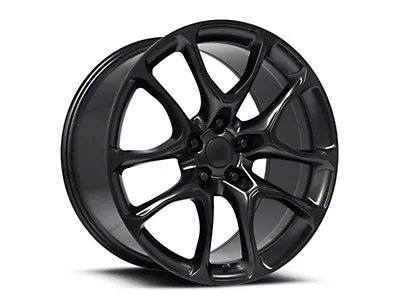
Backspacing refers to the distance from the wheel’s mounting surface (where it bolts to the hub) to the outer lip of the wheel. It’s typically measured in inches. This measurement is critical because it directly impacts how far the wheel sits inward or outward from the vehicle’s hub. A wheel with more backspacing will sit further *inside* the fender, while a wheel with less backspacing will sit further *outward*. This seemingly simple measurement has significant implications for tire clearance, suspension component clearance, and the overall look of your Jeep Cherokee.
This article will dive deep into the specifics of Jeep Cherokee factory wheel backspacing. We’ll explore what it means, why it’s important, how it varies across different Cherokee generations and trims, and how understanding it can help you when considering aftermarket wheels or modifications.
By the end, you’ll have a clear picture of what your Jeep Cherokee’s wheels are doing and how to best manage them.
What Is Wheel Backspacing And Why It Matters
Before we get into specific Jeep Cherokee models, let’s solidify our understanding of backspacing. Imagine you have a wheel. The mounting surface is the flat part that touches your Jeep’s hub assembly. Backspacing is measured from this surface to the very edge of the wheel that faces outwards, towards the front of your Jeep.
Think of it this way:
- High Backspacing: The mounting surface is further from the outer edge. This pushes the wheel deeper into the wheel well.
- Low Backspacing: The mounting surface is closer to the outer edge. This pushes the wheel further out from the wheel well, closer to the fender.
The Impact Of Backspacing On Your Jeep Cherokee
The backspacing of your wheels has several direct impacts on your Jeep Cherokee:
- Tire Clearance: This is perhaps the most significant effect. Too much backspacing can cause the inside edge of your tire to rub against suspension components like control arms or brake calipers. Conversely, too little backspacing can cause the tire to rub against the fender or fender flares, especially when turning or articulating the suspension off-road.
- Fender Clearance and Stance: Less backspacing pushes the wheel and tire outwards, giving your Jeep a wider, more aggressive stance. This can be desirable for aesthetics but can also lead to rubbing issues if not managed correctly. More backspacing tucks the wheel in, which can look more subtle but might limit tire size without modifications.
- Steering Geometry: While not as dramatic as changing offset, backspacing can subtly influence steering feel and turning radius. Wheels that stick out too far can sometimes lead to increased scrub radius, affecting steering stability.
- Bearing Load: Wheels with significantly less backspacing (effectively a larger positive offset) push the wheel further out. This increases the leverage on the wheel bearings, potentially leading to premature wear, especially under heavy off-road use or with larger, heavier tires.
- Off-Road Performance: For off-roading, proper backspacing is crucial. It ensures your tires clear suspension components during articulation and don’t rub on the fenders when climbing over obstacles. Finding the right balance allows for more suspension travel and less worry about damage.
Jeep Cherokee Factory Wheel Specifications
Jeep has produced the Cherokee across several generations, and each has had different wheel sizes and, consequently, different factory backspacing specifications. Understanding these variations is essential if you’re looking to swap wheels or even just identify what you currently have.
The Original Xj Cherokee (1984-2001)
The classic XJ Cherokee is a beloved platform for many off-road enthusiasts. Its factory wheels typically came in 15-inch or 16-inch diameters.
- Common Factory Wheel Size: 15×7 inches or 16×7 inches.
- Typical Factory Backspacing: For most XJ models with 15-inch wheels, the factory backspacing is around 5.25 to 5.5 inches. For 16-inch wheels, it’s often slightly more, around 5.5 to 5.75 inches.
Why this matters for XJs: Many aftermarket wheel companies offer wheels with significantly less backspacing (e.g., 4 inches or 3.75 inches) for the XJ. While these can provide a wider stance and allow for larger tires without rubbing the control arms, they push the tires out considerably. This can lead to rubbing on the fenders and requires careful consideration of fender flares and potential trimming. Sticking closer to the factory backspacing, or slightly less, is generally recommended for mild modifications and to maintain good steering geometry and bearing life.
The Kj Liberty (2002-2007)
While not technically a Cherokee, the KJ Liberty is often considered its spiritual successor and shares many characteristics. These Jeeps typically came with 16-inch or 17-inch wheels.
- Common Factory Wheel Size: 16×7 inches or 17×7.5 inches.
- Typical Factory Backspacing: For the KJ Liberty, the factory backspacing is usually in the range of 5.5 to 6 inches.
Considerations for KJ: The KJ has a slightly different suspension geometry than the XJ. The higher backspacing of the factory wheels helps keep the tires tucked in. If you opt for aftermarket wheels with significantly less backspacing, you’ll need to be mindful of fender clearance and potential rubbing, especially with larger tires.
The Kk Liberty (2008-2012)
The second generation of the Liberty (KK) continued with similar wheel sizes, but the overall design and suspension evolved.
- Common Factory Wheel Size: 17×7.5 inches or 18×7.5 inches.
- Typical Factory Backspacing: The factory backspacing for the KK Liberty is generally around 6 inches.
KK Specifics: Similar to the KJ, the KK’s factory wheels have a good amount of backspacing. When choosing aftermarket wheels, aiming for something with around 5 to 5.5 inches of backspacing is often a good starting point for a mild lift and slightly larger tires, balancing stance with clearance.
The Kl Cherokee (2014-2026)
The KL generation marked a significant departure, moving to a unibody construction and a more modern, car-like platform. This generation has seen various wheel sizes and designs.
- Common Factory Wheel Size: 17×7.5 inches, 18×7.5 inches, and 19×7.5 inches.
- Typical Factory Backspacing: For the KL Cherokee, the factory backspacing is usually around 6.25 to 6.5 inches.
KL Considerations: The KL Cherokee’s design means its wheel wells are somewhat constrained. The high factory backspacing helps ensure clearance within the body. If you are looking to fit larger tires on a KL, managing backspacing becomes critical. Wheels with less backspacing (e.g., 5.5 inches) will push the tire out, potentially causing fender rub. Often, for the KL, achieving larger tire fitment involves a combination of mild lifts, careful wheel selection (often with moderate backspacing), and sometimes minor fender modifications or trimming.
Aftermarket Wheels And Backspacing Calculations
When you move away from factory wheels, you enter the world of aftermarket options. This is where understanding backspacing, and its close cousin, offset, becomes crucial.
Backspacing Vs. Offset
Offset and backspacing measure the same thing, the wheel’s position relative to the hub, but from different reference points.
- Offset: Measured from the centerline of the wheel to the mounting surface.
- Positive Offset: The mounting surface is *further out* than the centerline. This pushes the wheel *inward*.
- Negative Offset: The mounting surface is *further in* than the centerline. This pushes the wheel *outward*.
- Backspacing: Measured from the mounting surface to the outer lip of the wheel.
- High Backspacing: Pushes the wheel *inward*.
- Low Backspacing: Pushes the wheel *outward*.
The relationship between them is roughly:
Backspacing = (Wheel Width / 2) + Offset
*(Note: This is an approximation, as wheel width is often measured bead-to-bead, not the total outside dimension.)*
For example, a 17×8 wheel with a 0mm offset:
- Wheel width is 8 inches. Half of that is 4 inches.
- 0mm offset is 0 inches.
- Approximate backspacing = 4 inches + 0 inches = 4 inches.
This means a wheel with 4 inches of backspacing and a 0mm offset will push the tire out significantly compared to a factory wheel with 5. 5 inches of backspacing.
Calculating Your Needs
When choosing aftermarket wheels for your Jeep Cherokee, consider these points:
- Tire Size: What size tire do you plan to run? Larger tires require more clearance.
- Lift Height: A lift kit provides more suspension travel and fender clearance, allowing for larger tires and potentially different wheel backspacing.
- Intended Use: Will you be mostly on-road, or are you planning serious off-roading? Off-roading demands more clearance for articulation.
- Aesthetics: Do you want the wheels tucked in or sticking out?
Pro Tip: A common and often successful strategy for many Jeep Cherokee models (especially XJ and KL) looking to fit slightly larger tires (e.g., 31-32 inches) with a mild lift (2-3 inches) is to choose an aftermarket wheel with a backspacing around 4.5 to 5 inches. This provides a slightly wider stance than stock without pushing the tires too far out, minimizing rubbing issues.
Common Aftermarket Wheel Specs For Jeeps
Many aftermarket wheel manufacturers offer wheels specifically designed for Jeeps. You’ll often see options like:
- 15×8 wheels with 3.75″ to 4.5″ backspacing: Popular for XJs, these push the tires out for a more aggressive look and can help clear suspension components with larger tires.
- 17×8.5 wheels with 4.5″ to 5″ backspacing: A good modern option for various Cherokee generations, offering a balance between stance and clearance.
- 17×9 wheels with 4.5″ backspacing: These will push the tire out even further, requiring careful consideration of fender clearance and potential modifications.
It’s crucial to do your research for your specific Jeep Cherokee generation and model year. Online forums, Jeep enthusiast groups, and wheel manufacturer websites are excellent resources.
Measuring Your Current Backspacing
If you want to know the exact backspacing of your current Jeep Cherokee wheels, you can measure it yourself.
- Remove the Wheel: Take one of your wheels off the Jeep.
- Place on a Flat Surface: Lay the wheel flat on the ground or a workbench, with the *outside* of the wheel facing up.
- Use a Straight Edge: Place a straight edge (like a ruler or a piece of wood) across the back of the wheel, spanning from lip to lip.
- Measure to the Mounting Surface: Now, measure the distance from the straight edge down to the mounting surface of the wheel. This measurement is your wheel’s backspacing.
Example: If you measure 5.5 inches from the straight edge to the mounting surface, your wheel has 5.5 inches of backspacing.
This DIY measurement is invaluable when comparing your stock setup to potential aftermarket wheels.
Choosing wheels with incorrect backspacing can lead to several frustrating problems. Being aware of these can help you avoid them.
Tire Rubbing
This is the most frequent issue.
- Inner Tire Rub: If you have too much backspacing (wheel is too far in), your tire might rub against the control arms (on older models like XJ) or frame rails. This is especially common when turning.
- Outer Tire Rub: If you have too little backspacing (wheel is too far out), your tire might rub against the fender flares, fenders, or body panels. This is common during suspension compression or articulation off-road, and also when turning.
Steering And Handling Problems
- Increased Steering Effort: Wheels pushed too far out with low backspacing can increase the scrub radius, making steering feel heavier and less responsive.
- Instability: In extreme cases, significantly altering the wheel’s position can impact the vehicle’s stability, especially at higher speeds.
Suspension And Drivetrain Stress
- Wheel Bearing Wear: As mentioned earlier, wheels with very low backspacing (pushing the tire far out) put more leverage on the wheel bearings, accelerating wear. This is particularly true if you’re running heavier, larger tires.
- Ball Joint and Tie Rod Wear: Similar to wheel bearings, excessive outward force can also put extra stress on ball joints and tie rod ends.
Aesthetic Concerns
While subjective, wheels that are too far in or too far out can look awkward. Too much positive offset (high backspacing) can make the Jeep look narrow, while too much negative offset (low backspacing) can make it look like the wheels are about to fall off.
Factory Wheel Data For Jeep Cherokee Generations
Let’s consolidate some typical factory wheel data for common Jeep Cherokee models. This is a general guide, as specific trims and options could vary.
| Jeep Cherokee Generation | Typical Wheel Size | Typical Factory Backspacing (inches) | Typical Factory Offset (mm) | Notes |
|---|---|---|---|---|
| XJ (1984-2001) | 15×7 or 16×7 | 5.25 – 5.75 | +25 to +30 (approx.) | Most common for upgrades. Lower backspacing recommended for larger tires. |



















