Every driver knows the feeling: you’re cruising down the road, and suddenly, a light pops up on your dashboard. For many Jeep Cherokee owners, these dashboard lights can be confusing or even alarming.
What do they mean? Is it safe to keep driving?
Should you worry? This guide explains the most common Jeep Cherokee dashboard lights, what they indicate, and how to respond.
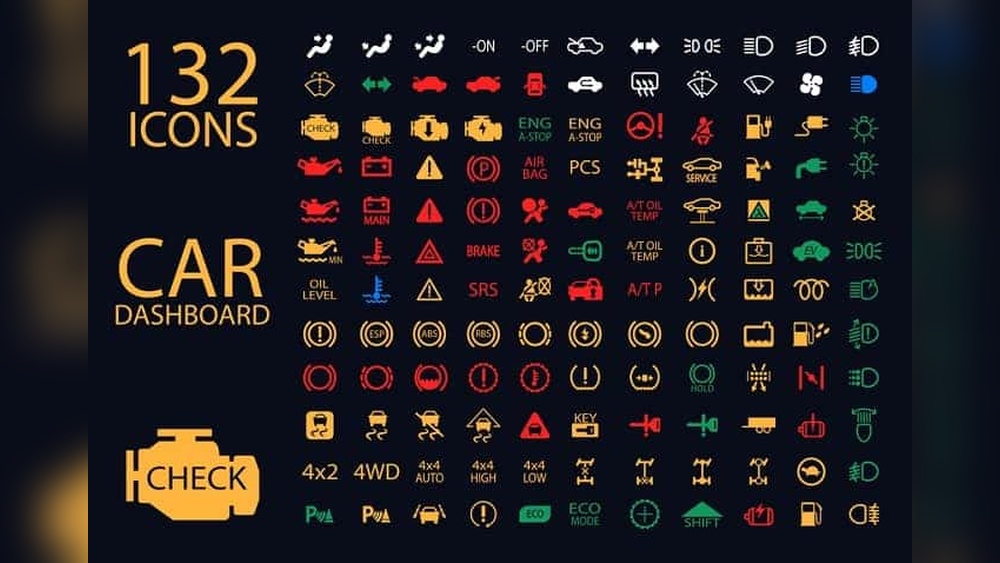
Whether you’re a new driver or a seasoned Jeep owner, understanding these signals keeps you safer and could save you time and money.
Why Dashboard Lights Matter
Dashboard lights are not just warnings—they’re your Jeep’s way of talking to you. Modern vehicles, like the Jeep Cherokee, use a system of sensors and computers to monitor everything from your engine’s health to tire pressure. When something needs attention, a light appears.
Ignoring these signals can lead to bigger problems, expensive repairs, or even accidents.
Some lights are simple reminders, while others mean you need to act fast. Knowing the difference is key. For example, a seat belt warning is very different from an engine oil pressure alert. Recognizing each light and its urgency helps you make smart decisions on the road.
Understanding Jeep Cherokee Dashboard Light Colors
The color of a dashboard light tells you how urgent the issue is. Here’s how Jeep Cherokee dashboard lights are usually coded:
| Color | Meaning | Example |
|---|---|---|
| Red | Serious problem or safety issue. Stop as soon as it’s safe. | Engine oil pressure, brake warning |
| Yellow/Amber | Something needs attention soon. Not urgent, but don’t ignore it. | Check engine, tire pressure |
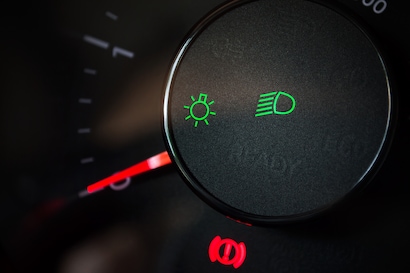
| Green/Blue | System is on or working as expected. Usually informational. | Turn signals, high beams |
Recognizing the color helps you judge if you should pull over immediately or schedule a repair soon.

Most Common Jeep Cherokee Dashboard Lights
Let’s look at the lights you’ll see most often. Each serves a different purpose, and understanding them can prevent stress or breakdowns.
Check Engine Light
The check engine light is one of the most recognized but also most misunderstood signals. It looks like a small engine outline, usually in yellow or orange.
- What it means: The engine or emissions system has detected a problem.
- What to do: If the light is steady, you can usually keep driving, but schedule a diagnostic soon. If it’s flashing, stop driving immediately—this usually means a serious misfire.
Non-obvious tip: Even a loose gas cap can trigger this light. Try tightening it before heading to the shop.
Oil Pressure Warning
This red light, shaped like an oil can, means low oil pressure.
- What it means: The engine isn’t getting enough oil.
- What to do: Stop the car as soon as it’s safe. Running with low oil pressure can ruin your engine in minutes.
A common mistake: Adding oil without checking for leaks. Always check for puddles under your car.
Battery/charging System Warning
A red battery icon means your Jeep’s charging system isn’t working right.
- What it means: The battery isn’t charging. It could be a bad battery, alternator, or wiring.
- What to do: Turn off non-essential electronics and get the vehicle checked soon. If you keep driving, you could lose power and get stranded.
Brake System Warning
A red exclamation mark inside a circle or the word “BRAKE” signals a serious brake issue.
- What it means: Could be low brake fluid, a faulty brake system, or the parking brake is on.
- What to do: Make sure the parking brake is off. If the light stays on, stop driving and check the brakes.
Non-obvious insight: Sometimes, a brake warning comes on after driving through deep water. Moisture can cause temporary sensor errors.
Tire Pressure Monitoring System (tpms) Light
Looks like a horseshoe with an exclamation point.
- What it means: One or more tires are under-inflated.
- What to do: Check and fill your tires to the recommended pressure.
A practical tip: Don’t just fill the low tire—check all four. Changes in temperature can make all your tires lose air.
Abs Warning Light
The letters “ABS” light up in yellow.
- What it means: There’s a problem with your anti-lock brakes.
- What to do: Regular brakes still work, but ABS might not. Drive carefully and get it checked.
Airbag Warning Light
A person with a circle (airbag) in front of them.
- What it means: A problem with the airbag system.
- What to do: Airbags may not work in a crash. Get your Jeep checked soon.
Coolant Temperature Warning
A thermometer in liquid, usually red.
- What it means: The engine is overheating.
- What to do: Pull over immediately. Wait for the engine to cool before checking coolant levels.
Hidden danger: Never open a hot radiator cap—it can cause burns.
Traction Control/stability Control Lights
A car with squiggly lines or “ESC” (Electronic Stability Control).
- What it means: The system is helping you keep control, or there is a fault.
- What to do: If the light flashes, it’s working. If it stays on, get it checked.
Service 4wd Warning
A Message Or Light Saying “service 4wd.”
- What it means: A problem with the four-wheel drive system.
- What to do: Four-wheel drive may not work. Schedule a repair, especially before off-road trips.
Seat Belt Reminder
A person with a seat belt.
- What it means: Someone isn’t buckled up.
- What to do: Always fasten seat belts. The light usually goes off once everyone is secure.
Less Common, But Important, Dashboard Lights
Not every light comes up often, but it’s good to know them.
- Low Fuel Warning: Gas pump icon; time to refuel soon.
- Door Ajar Warning: Car with open doors; check all doors and the trunk.
- Washer Fluid Low: Windshield and wiper; fill up your washer fluid.
- Adaptive Cruise Control: Speedometer with a car; shows the system is active or has a problem.
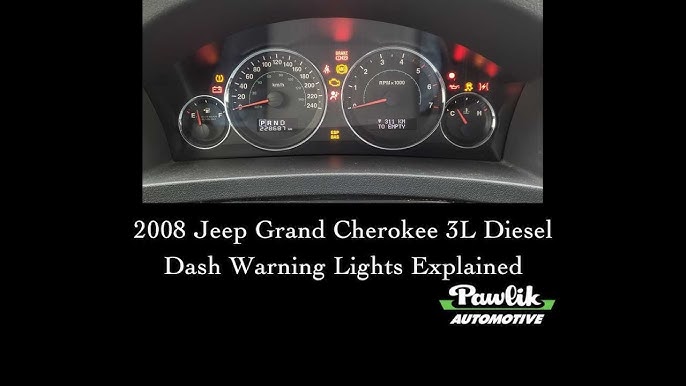
What To Do When A Dashboard Light Comes On
Seeing a new light can be stressful, but there’s a simple process to follow:
- Check the color: Red means stop, yellow means caution.
- Look for obvious issues: Is a door open? Is the parking brake on?
- Consult your owner’s manual: Every Jeep Cherokee model has a manual with light explanations.
- Don’t ignore repeated warnings: If a light keeps coming back, get a diagnostic check.
- Call for help if unsure: Better safe than sorry, especially for red lights.
Jeep Cherokee Dashboard Light Meanings: Quick Reference
For a fast comparison, here’s a summary of key dashboard lights and what action to take:
| Light | Urgency | Action |
|---|---|---|
| Check Engine | Medium/High | See mechanic soon; stop if flashing |
| Oil Pressure | High | Stop immediately |
| Battery | Medium | Check charging system |
| Brake | High | Stop and check brakes |
| TPMS | Low/Medium | Check tire pressure |
| ABS | Medium | Drive with caution |
| Airbag | Medium/High | Check airbag system |
Differences Between Cherokee Model Years
Jeep Cherokee dashboard lights and their meanings have changed over the years. For example, the 2014–2026 Cherokee uses more symbols and digital displays, while older models have simpler lights.
| Model Year | Dashboard Display | Notable Differences |
|---|---|---|
| 2014–2026 | Digital/Analog Mix | More warning icons, customizable info screens |
| 2008–2013 | Mainly Analog | Fewer lights, basic symbols |
| Pre-2007 | Analog | Very simple lights, less info |
If you buy a used Cherokee, check which model year you have—symbols can look different, and some warnings may be new to you.
When To Visit A Mechanic
Not every dashboard light means you need a mechanic right away. Here’s when you should go:
- Red lights: Always take seriously. Stop and get help.
- Yellow lights: Schedule a check soon, especially if the light stays on.
- If unsure: When in doubt, call your dealer or a trusted mechanic.
Ignoring dashboard warnings can risk your safety or void your warranty. Many problems are cheaper to fix early.
Advanced Tips For Cherokee Owners
Two things many Cherokee owners overlook:
- Software updates can fix some warning lights. Sometimes, a dashboard light is triggered by a computer glitch, not a real problem. Check with your dealer for updates.
- Regular maintenance prevents surprise lights. Changing fluids, rotating tires, and checking sensors can stop many issues before they start.
Some Jeep Cherokees also let you see detailed warnings on the infotainment screen. Learning to use these features gives you more control and insight.
For a deeper dive into dashboard lights for all cars, not just Jeep Cherokee, check out this helpful NHTSA guide.
Frequently Asked Questions
What Should I Do If My Check Engine Light Flashes While Driving?
A flashing check engine light means a serious engine problem, often a misfire. Pull over as soon as possible and turn off the engine. Driving further can cause expensive damage.
Is It Safe To Drive With The Abs Light On?
You can usually drive with the ABS light on, but your anti-lock brakes may not work. Drive more carefully and have the system checked soon.
Why Does My Tire Pressure Light Come On In Cold Weather?
Tire pressure drops when temperatures fall. This can trigger the TPMS light.
Check your tire pressures and adjust them to the recommended level.
Can I Reset Dashboard Warning Lights Myself?
Some lights, like the TPMS, can be reset after fixing the issue. Others need a scan tool or mechanic.
Never reset a warning without fixing the problem first.
What Does It Mean If Multiple Dashboard Lights Come On At Once?
This could signal a serious electrical or computer problem. Stop the car and get professional help.
Multiple lights often mean a central system is failing.
Understanding your Jeep Cherokee dashboard lights is about more than memorizing symbols. It’s about knowing your car, staying safe, and keeping repair costs down. The more you learn, the more confident you’ll feel behind the wheel. When in doubt, trust your instincts and seek expert help—your Jeep (and your wallet) will thank you.