If you own a Jeep Cherokee, understanding the coolant hose diagram is important for keeping your engine healthy. Coolant hoses are often ignored, but they can cause big problems if they fail.
A clear diagram helps you locate each hose, spot leaks, and plan replacements. Whether you drive an older model or a newer one, knowing your coolant system can save money and prevent breakdowns.
What Is A Coolant Hose Diagram?
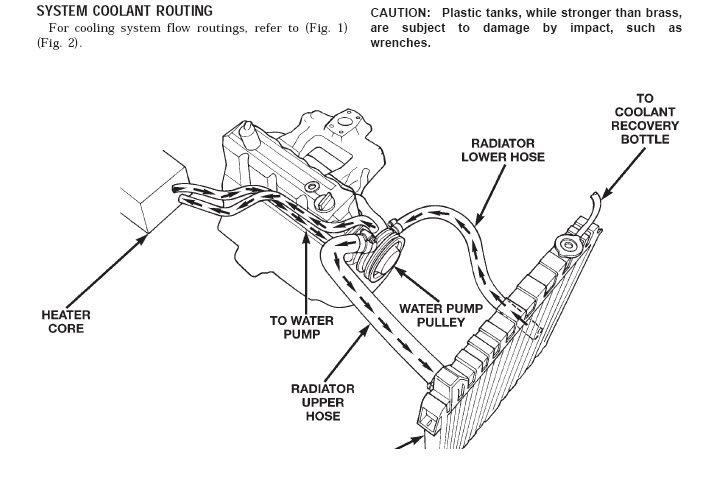
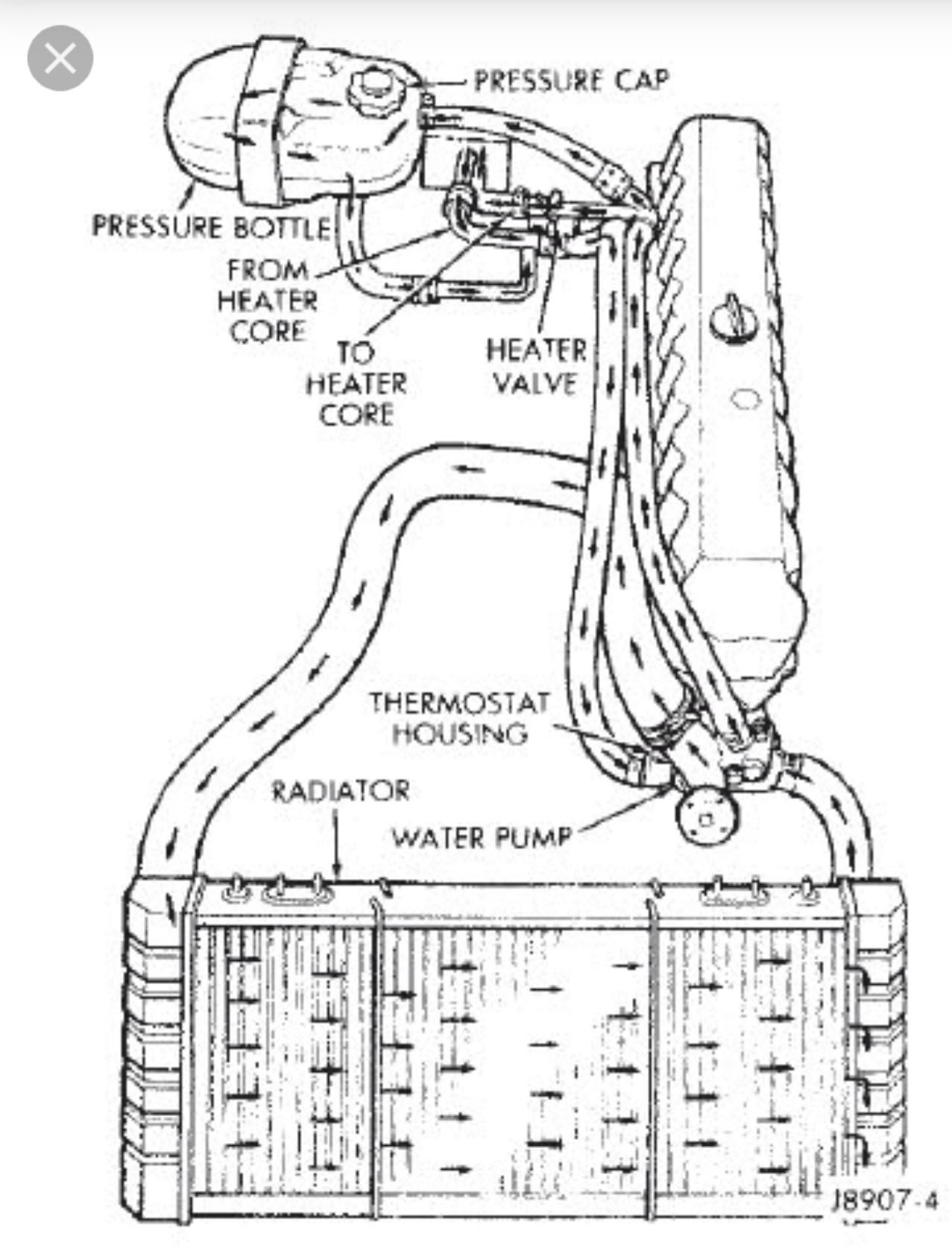
A coolant hose diagram shows all hoses that carry coolant in your Jeep Cherokee. It highlights connections between the radiator, engine, heater core, and other parts. This visual guide makes it easier to fix leaks, replace old hoses, or upgrade your cooling system.
Most diagrams use arrows to show how coolant moves. Each hose is labeled, so you can identify the upper radiator hose, lower radiator hose, heater hoses, and sometimes smaller bypass hoses. These diagrams are found in service manuals, online guides, or sometimes under the hood itself.
Main Coolant Hoses In Jeep Cherokee
Understanding the main hoses helps you recognize their role and importance:
- Upper Radiator Hose: Carries hot coolant from the engine to the radiator.
- Lower Radiator Hose: Returns cooled fluid from the radiator to the engine.
- Heater Core Hoses: Transport coolant to and from the heater core (for cabin heat).
- Bypass Hose: Lets coolant circulate when the thermostat is closed.
- Overflow Hose: Directs excess coolant to the reservoir.
Each hose has a unique location and function. For example, the upper radiator hose is usually at the top front of the engine, while the lower radiator hose sits lower and connects to the radiator’s bottom outlet.
Typical Jeep Cherokee Coolant Hose Diagram
Here’s a simplified diagram for a Jeep Cherokee XJ (1997–2001), one of the most popular models:
| Hose Name | Connection Points | Function |
|---|---|---|
| Upper Radiator Hose | Engine to Radiator (Top) | Transfers hot coolant |
| Lower Radiator Hose | Radiator (Bottom) to Engine | Returns cooled fluid |
| Heater Core Inlet Hose | Engine to Heater Core | Feeds coolant to heater |
| Heater Core Outlet Hose | Heater Core to Engine | Returns coolant from heater |
| Overflow Hose | Radiator to Reservoir | Directs excess coolant |
Some models may have extra hoses, like transmission cooler hoses, but these are not part of the main coolant system.
Spotting Common Issues Using The Diagram
A clear diagram helps you quickly identify problems. Here are some signs of trouble:
- Leaks or wet spots near hose clamps
- Swollen or cracked hoses
- Coolant smell inside the cabin (often heater hose issues)
- Low coolant levels in the reservoir
If you see coolant leaking, use the diagram to trace which hose is affected. For example, leaks near the radiator’s top usually mean problems with the upper radiator hose. Heater core leaks often leave a wet patch on the passenger side floor.

Replacing Coolant Hoses: Step-by-step
Changing coolant hoses is simple if you follow these steps:
- Let the engine cool fully. Never work on hot hoses.
- Locate the faulty hose using the diagram.
- Drain the coolant system (use a drain pan).
- Remove hose clamps and detach the old hose.
- Fit the new hose in place, tighten clamps securely.
- Refill with fresh coolant and check for leaks.
Most hoses last 5–7 years, but extreme heat or poor maintenance can shorten their life. Always use hoses designed for your Jeep Cherokee model.
Comparison: Oem Vs Aftermarket Coolant Hoses
Choosing between OEM (Original Equipment Manufacturer) and aftermarket hoses is common. Here’s a quick comparison:
| Feature | OEM Hose | Aftermarket Hose |
|---|---|---|
| Fitment | Exact | Varies |
| Durability | High | Medium to High |
| Warranty | Manufacturer-backed | Third-party |
| Cost | More expensive | Usually cheaper |
| Availability | Dealer only | Auto stores, online |
OEM hoses are ideal for reliability, but quality aftermarket hoses can be a good value. Always check reviews and product specs before buying.
Real-world Data: Hose Failure Statistics
Coolant hose failure is a top cause of engine overheating in Jeeps. According to AAA, about 20% of engine breakdowns are related to cooling system faults. For Jeep Cherokee owners, the most common issues are radiator hose leaks (especially on older XJ models) and heater core hose failures.
A survey of Jeep forums showed:
| Year Range | Common Hose Issue | Reported Frequency (%) |
|---|---|---|
| 1997-2001 | Upper radiator hose leak | 37 |
| 2002-2007 | Heater core hose failure | 27 |
| 2008-2013 | Lower radiator hose split | 19 |
| 2014-2020 | Minor overflow hose leaks | 9 |
These numbers show older models have more frequent issues, so regular inspection is key.
Two Insights Most Owners Miss
- Heater core hoses often fail quietly. Many owners only notice when their cabin heat stops working or there’s a wet carpet. Check these hoses during every coolant flush.
- Hose clamps are as important as the hoses themselves. Loose or corroded clamps cause leaks even if the hose is fine. Always replace old clamps with new stainless steel ones.
Where To Find Accurate Jeep Cherokee Hose Diagrams
The best diagrams are in official Jeep service manuals. Online forums and websites like Jeep Official Site also offer diagrams for most models. Make sure diagrams match your Cherokee’s year and engine type.
Frequently Asked Questions
<!– wp:rank-math/faq-block {"questions":[{"id":"faq-question-3cf4d5948e35","title":"What Are The Signs Of A Bad Coolant Hose?","content":"Look for swelling, cracks, or leaks. If you smell coolant or see puddles under the vehicle, a hose is likely damaged.
“,”visible”:true},{“id”:”faq-question-09656af4b6b0″,”title”:”Can I Drive With A Leaking Coolant Hose?”,”content”:”No, driving with a leak can cause engine overheating. It is best to fix the hose before using your Jeep again.
“,”visible”:true},{“id”:”faq-question-b54b70eee313″,”title”:”How Often Should Coolant Hoses Be Replaced?”,”content”:”Most hoses last 5–7 years. Replace sooner if you see damage or if your Jeep has high mileage.
“,”visible”:true},{“id”:”faq-question-09079104be70″,”title”:”Are Silicone Hoses Better Than Rubber Hoses?”,”content”:”Silicone hoses last longer and resist heat, but they cost more. For most drivers, rubber hoses are enough unless you need extra durability.
“,”visible”:true},{“id”:”faq-question-721a31a826da”,”title”:”Where Can I Buy Replacement Hoses For My Jeep Cherokee?”,”content”:”You can buy hoses at Jeep dealerships, auto parts stores, or online. Make sure you choose hoses that fit your model and engine.
Knowing your Jeep Cherokee coolant hose diagram helps you spot problems early, plan repairs, and keep your engine cool. With regular checks and timely replacements, you avoid costly damage and stay safe on the road. Always use reliable diagrams and quality parts for the best results.
“,”visible”:true}]} –>What Are The Signs Of A Bad Coolant Hose?
Look for swelling, cracks, or leaks. If you smell coolant or see puddles under the vehicle, a hose is likely damaged.
Can I Drive With A Leaking Coolant Hose?
No, driving with a leak can cause engine overheating. It is best to fix the hose before using your Jeep again.
How Often Should Coolant Hoses Be Replaced?
Most hoses last 5–7 years. Replace sooner if you see damage or if your Jeep has high mileage.
Are Silicone Hoses Better Than Rubber Hoses?
Silicone hoses last longer and resist heat, but they cost more. For most drivers, rubber hoses are enough unless you need extra durability.
Where Can I Buy Replacement Hoses For My Jeep Cherokee?
You can buy hoses at Jeep dealerships, auto parts stores, or online. Make sure you choose hoses that fit your model and engine.
Knowing your Jeep Cherokee coolant hose diagram helps you spot problems early, plan repairs, and keep your engine cool. With regular checks and timely replacements, you avoid costly damage and stay safe on the road. Always use reliable diagrams and quality parts for the best results.