The Jeep Cherokee 2015 oil filter is a crucial component for maintaining the health and performance of your vehicle’s engine. This small but mighty part plays a vital role in keeping your engine clean by trapping contaminants like dirt, metal particles, and sludge before they can cause damage.
Over time, these contaminants build up, and the filter becomes saturated, reducing its effectiveness. Regular replacement is essential to ensure your 2015 Cherokee runs smoothly and efficiently for years to come.
Choosing the right oil filter for your Jeep Cherokee 2015 involves understanding the different types available, their pros and cons, and what specific features to look for. This guide will walk you through everything you need to know, from the basic function of an oil filter to specific recommendations and maintenance tips.
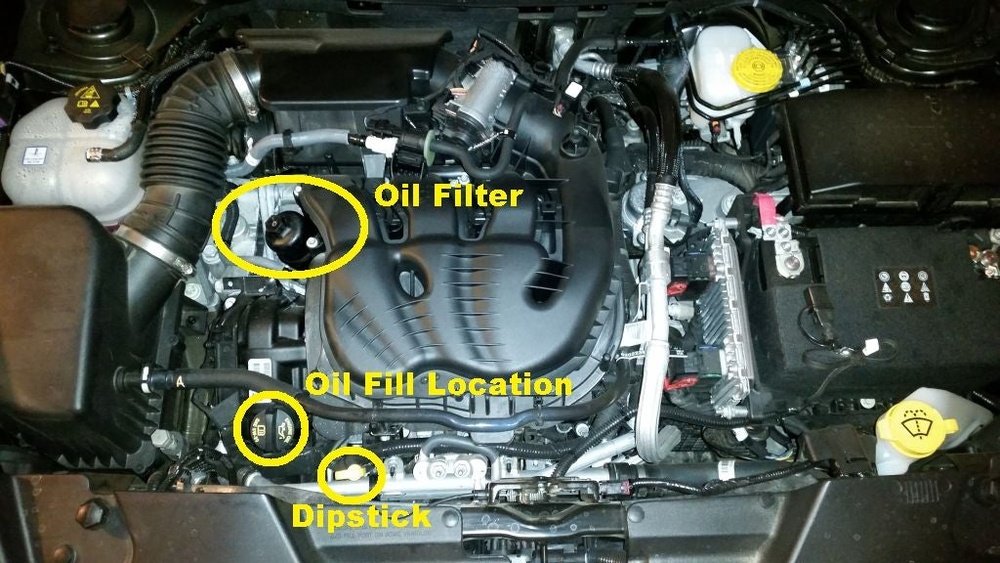
Whether you’re a seasoned DIY mechanic or a new car owner looking to keep your vehicle in top shape, this information will help you make informed decisions about your Jeep Cherokee’s oil filter.
Understanding The Role Of The Oil Filter
An oil filter acts as the kidney of your engine. Its primary job is to remove impurities from the engine oil. As the oil circulates through the engine, it picks up microscopic particles from the wear and tear of moving metal parts, as well as combustion byproducts and general dirt that can enter the engine. If these particles are not removed, they can act like sandpaper, accelerating wear on critical engine components such as bearings, pistons, and cylinder walls.
The oil filter is designed with a specialized filtering medium, typically made of synthetic or cellulose fibers, which captures these contaminants. The oil is forced through this medium under pressure. As the filter collects more debris, the flow of oil can become restricted. This is why oil filters have a bypass valve. If the filter becomes too clogged, this valve opens, allowing oil to bypass the filter and continue circulating. While this prevents the engine from running without lubrication, it means unfiltered, dirty oil is circulating, which can still cause significant damage. This highlights the importance of timely filter replacement.
The design of the oil filter also includes a gasket to create a seal against the engine block and a threaded nipple for easy installation. The housing protects the filter media from damage. Understanding these basic components helps in appreciating why a quality filter is so important.
Key Factors When Choosing A 2015 Jeep Cherokee Oil Filter
When selecting an oil filter for your 2015 Jeep Cherokee, several factors come into play that can impact its effectiveness, longevity, and compatibility. It’s not just about grabbing the cheapest option; a little knowledge goes a long way in protecting your engine.
Filter Media Type
The material used inside the filter is arguably the most important factor. There are generally three types:
- Cellulose: These are the most common and affordable filters. They are made from paper-based materials and offer good filtration for most standard driving conditions. However, they can break down over time, especially under extreme temperatures or high mileage.
- Synthetic: Made from polyester or other synthetic fibers, these filters offer superior filtration efficiency and capacity. They are more durable, can withstand higher temperatures and pressures, and generally last longer than cellulose filters. They are often recommended for synthetic oil or severe driving conditions.
- Blended (Cellulose-Synthetic): These filters combine the benefits of both materials, offering a good balance of performance, durability, and cost. They provide better filtration than pure cellulose and are more robust.
For a 2015 Jeep Cherokee, especially if you use synthetic oil or drive in harsh conditions (like frequent stop-and-go traffic, towing, or extreme temperatures), a synthetic or blended filter is often a better choice.
Filtration Efficiency And Capacity
Filtration efficiency refers to how well the filter captures small particles. High-efficiency filters can trap a higher percentage of contaminants, even very small ones. Filtration capacity refers to how much debris the filter can hold before it becomes clogged and the bypass valve engages.
A filter with higher efficiency and capacity will protect your engine better and potentially allow for longer intervals between oil changes, provided the manufacturer’s recommendations are followed. Look for specifications that mention the micron rating (a measure of particle size captured) and the overall capacity.
Anti-drainback Valve
Most modern oil filters, including those designed for the 2015 Jeep Cherokee, feature an anti-drainback valve. This is a small rubber flap or diaphragm located at the inlet of the filter. Its purpose is to prevent oil from draining out of the filter and oil galleries when the engine is shut off. When you start the engine again, this ensures that oil is immediately available to lubricate critical components, reducing startup wear. If a filter lacks this feature or if the valve fails, your engine could run with low oil pressure for a few seconds during each startup, which is detrimental over time.
Bypass Valve Pressure
As mentioned earlier, the bypass valve allows oil to flow around the filter media if it becomes clogged. The bypass valve pressure is the point at which this valve opens. Different filters are designed to open at different pressures. It’s important that the bypass valve pressure is set correctly for your specific vehicle. If it opens too easily, you might get unfiltered oil circulating more often than necessary. If it opens too late, the filter might rupture under pressure before oil bypasses it. Most reputable filter manufacturers design their filters with the correct bypass valve pressure for specific vehicle applications.
Construction Quality
The overall build quality of the filter matters. This includes the thickness and durability of the metal casing, the quality of the silicone or rubber gasket, and the integrity of the internal components like the anti-drainback and bypass valves.
A well-constructed filter will withstand engine vibrations and temperature fluctuations without leaking or failing prematurely.
Check for sturdy construction and a well-fitted gasket.
Brand Reputation And Warranty
Choosing filters from reputable brands known for quality automotive parts is generally a safe bet. Brands that have been around for a long time and have good customer reviews often indicate reliable products.
Some manufacturers also offer warranties on their filters, which can provide an extra layer of peace of mind.
Specific Oil Filter Recommendations For 2015 Jeep Cherokee
The 2015 Jeep Cherokee was available with two main engine options: the 2.4L Tigershark MultiAir I4 and the 3.2L Pentastar V6. The correct oil filter is specific to the engine and sometimes even the trim level, though usually, it’s engine-dependent. Always verify the part number against your vehicle’s owner’s manual or a reliable parts catalog.
Here are some popular and well-regarded oil filter options that typically fit the 2015 Jeep Cherokee. Please confirm fitment for your specific vehicle before purchasing.
For The 2.4l Tigershark Engine
The 2. 4L engine often uses a smaller, cartridge-style filter or a spin-on filter.
- Wix 57712 (Spin-on): Wix is known for its high-quality filters. The 57712 is a popular choice, offering excellent filtration and durability. It typically features a high-efficiency synthetic media and a robust construction. This filter is designed to meet or exceed OEM specifications.
- Fram PH10175 (Spin-on): Fram is another widely available brand. The PH10175 is a common spin-on filter for this engine. While Fram has had mixed reviews in the past, their higher-end lines, like the Ultra Synthetic, offer good performance. The standard PH10175 provides adequate protection for normal driving conditions.
- Mobil 1 M1-210A (Spin-on): If you are using Mobil 1 synthetic oil, their filters are a natural pairing. The M1-210A is a synthetic filter designed for high performance and extended drain intervals. It offers superior filtration efficiency and capacity, making it ideal for those who push their vehicles or want maximum protection.
- Purolator BOSS DBL22500 (Spin-on): The Purolator BOSS line is their premium synthetic filter. It boasts exceptional filtration capabilities and a durable design, suitable for synthetic oil and longer oil change intervals. It often features a high-capacity synthetic media and a robust build.
- Mopar (OEM) Filter: Using the original equipment manufacturer (OEM) filter ensures perfect fitment and compatibility. For the 2015 Cherokee 2.4L, the Mopar part number is typically something like 68157291AA. While often more expensive, OEM filters are guaranteed to meet Chrysler’s (Jeep’s parent company) standards.
For The 3.2l Pentastar V6 Engine
The 3. 2L V6 engine also typically uses a spin-on filter, but the part number will differ from the 2. 4L.
- Wix 57712 (Spin-on): Interestingly, the same Wix 57712 filter often fits both the 2.4L and the 3.2L Pentastar engine in the 2015 Cherokee. This is a testament to its widespread application. Its robust construction and high-efficiency media make it a solid choice for the V6 as well.
- Fram PH10175 (Spin-on): Similar to the 2.4L, the Fram PH10175 is a common fit for the 3.2L engine. For routine maintenance and standard driving, it performs adequately.
- Mobil 1 M1-210A (Spin-on): Again, the M1-210A is a strong contender for the 3.2L engine, especially when paired with synthetic oil. Its advanced synthetic media provides excellent protection for the more powerful V6.
- Purolator BOSS DBL22500 (Spin-on): The Purolator BOSS filter is also a suitable premium option for the 3.2L Pentastar, offering enhanced filtration and longevity.
- Mopar (OEM) Filter: The OEM filter for the 3.2L Pentastar engine in the 2015 Cherokee might have a part number like 68157291AA or a similar variant. Always confirm with a dealer or parts specialist.
Additional Considerations For Engine Fitment
It’s critical to double-check the exact part number for your specific vehicle. Factors like the build date or specific packages (e.g., heavy-duty cooling) might influence the required filter. You can usually find this information:
- In your owner’s manual.
- On the old oil filter itself (if it hasn’t been replaced with an incorrect one).
- By using online parts lookup tools on auto parts retailer websites, where you enter your vehicle’s year, make, model, and engine size.
- By calling a Jeep dealership with your VIN.
How To Change The Oil Filter On A 2015 Jeep Cherokee
Changing the oil filter is a standard part of an oil change. While it’s a task many DIYers tackle, it requires some basic tools and understanding.
If you’re uncomfortable with any step, it’s always best to have it done by a professional mechanic.
Tools And Materials Needed:
- New oil filter (correct part number for your engine)
- New engine oil (correct type and quantity for your engine)
- Wrench for drain plug
- Oil filter wrench (strap, cap, or plier type)
- Drain pan
- Funnel
- Gloves (nitrile or latex)
- Rags or shop towels
- Jack and jack stands (if needed for access)
- Wheel chocks
Step-by-step Guide:
- Warm Up the Engine: Run the engine for a few minutes to warm the oil. Warm oil flows more easily, making it simpler to drain. However, don’t let it get too hot, as you could burn yourself.
- Prepare the Vehicle: Park the Jeep on a level surface. Engage the parking brake and place wheel chocks behind the rear wheels for safety. If you need more clearance, use a jack to lift the front of the vehicle and secure it with jack stands. Never work under a vehicle supported only by a jack.
- Locate the Drain Plug and Oil Filter: The oil drain plug is typically located at the bottom of the oil pan. The oil filter is usually screwed onto the engine block or a specific housing. Consult your owner’s manual if you’re unsure of their exact locations.
- Drain the Old Oil: Place the drain pan under the drain plug. Using the appropriate wrench, carefully loosen and remove the drain plug. Let the old oil drain completely into the pan. This can take several minutes. Once drained, clean the drain plug and reinstall it, tightening it securely but without overtightening.
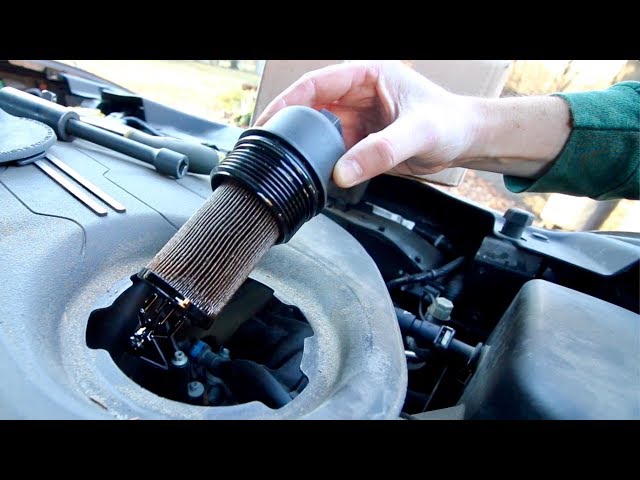
- Remove the Old Oil Filter: Reposition the drain pan under the oil filter. Use the oil filter wrench to loosen the filter by turning it counter-clockwise. Once loose, unscrew it by hand. Be prepared for some oil to spill out as you remove it.
- Prepare the New Oil Filter: Before installing the new filter, take a small amount of new engine oil on your finger and lubricate the rubber gasket on the new filter. This helps create a good seal and prevents the gasket from sticking or tearing during installation. Some mechanics also recommend pre-filling the new filter with oil, especially if it’s mounted vertically or at an angle, to ensure immediate lubrication upon startup.
- Install the New Oil Filter: Carefully screw the new oil filter onto the engine mounting point by hand. Turn it clockwise until the gasket makes contact with the engine surface. Then, tighten it an additional three-quarters to one full turn by hand. Do not use the oil filter wrench to tighten the filter, as this can lead to overtightening, damaging the gasket or the filter housing. Hand-tight is sufficient.
- Add New Engine Oil: Using a funnel, add the correct amount and type of new engine oil specified in your owner’s manual. For the 2.4L engine, it typically takes around 5 quarts, and for the 3.2L V6, it’s usually around 6 quarts.
- Check Oil Level and Run Engine: Replace the oil fill cap. Start the engine and let it run for a minute or two. Check for any leaks around the drain plug and the new oil filter. The oil pressure light on the dashboard should turn off within a few seconds.
- Final Check: Turn off the engine and wait a few minutes for the oil to settle back into the pan. Check the oil level using the dipstick and add more oil if necessary to reach the full mark. Dispose of the old oil and filter responsibly at a recycling center.




















