The Jeep Cherokee 2. 4 is a reliable compact SUV, popular for its balance of performance and practicality.
One small but crucial part is the serpentine belt. This belt powers key engine accessories like the alternator, power steering pump, air conditioning, and sometimes the water pump.
If you’re a Jeep owner or a DIY mechanic, understanding the serpentine belt diagram is vital for maintenance, troubleshooting, or replacement. In this guide, you’ll learn how the belt runs, why it matters, and how to handle common issues—without confusing jargon.
Understanding The Serpentine Belt System
A serpentine belt is a single, long belt that drives multiple engine components. Unlike older vehicles with separate belts for each part, modern engines use just one. This makes the system more efficient, but a problem with the belt can affect several functions at once.
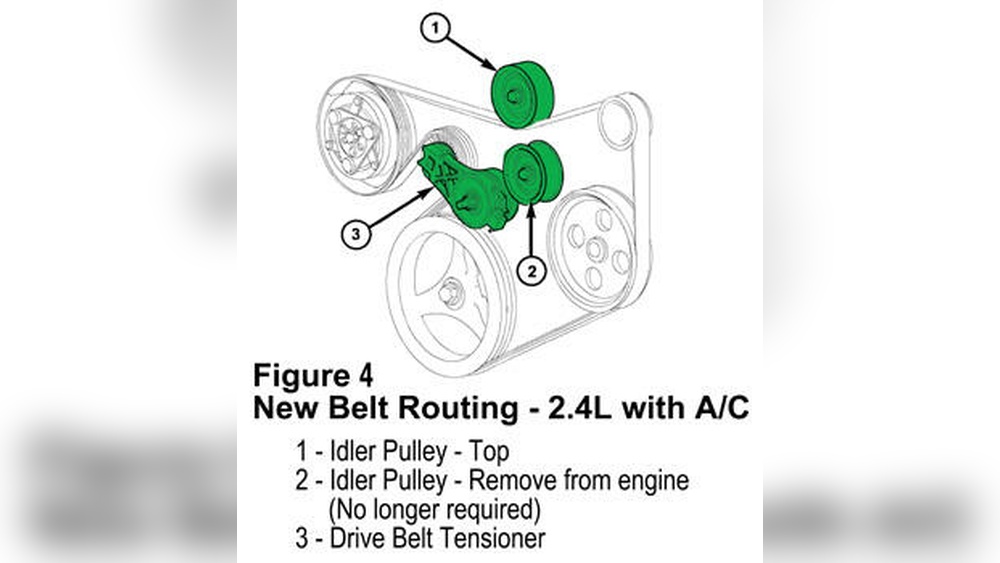
The 2.4-liter engine in the Jeep Cherokee uses a standard serpentine layout. Knowing the diagram helps you route the belt correctly and avoid mistakes that can damage the engine.
Key Components Driven By The Belt
- Alternator: Charges the battery and powers electrical systems.
- Power steering pump: Makes steering easier.
- Air conditioning compressor: Keeps the cabin cool.
- Water pump: Helps regulate engine temperature (in some models).
If the belt snaps, you’ll lose these functions instantly. For example, the battery won’t charge, steering will feel heavy, and the engine may overheat.
Jeep Cherokee 2.4 Serpentine Belt Diagram Explained
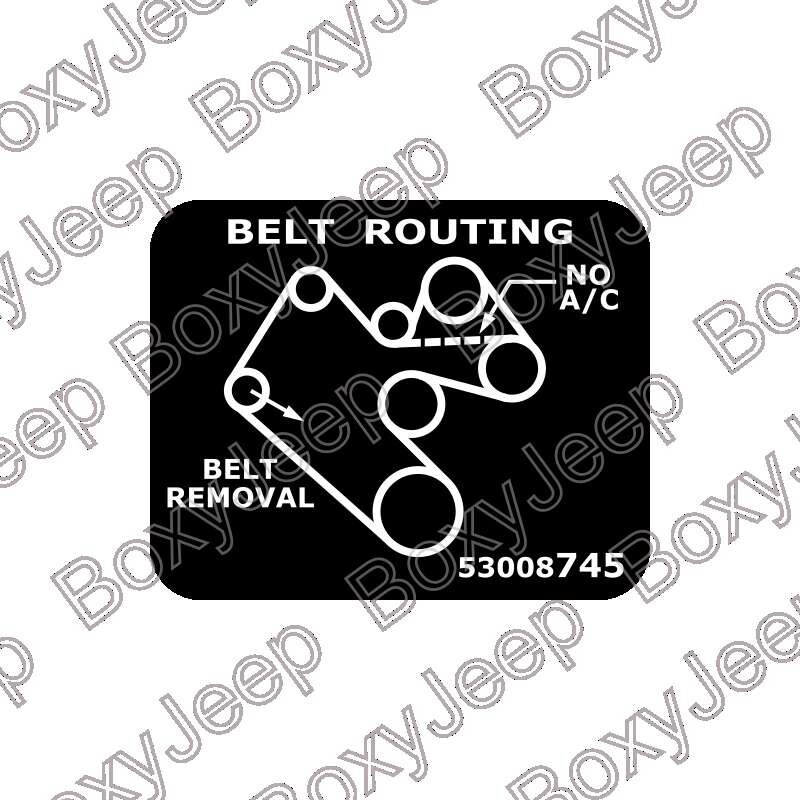
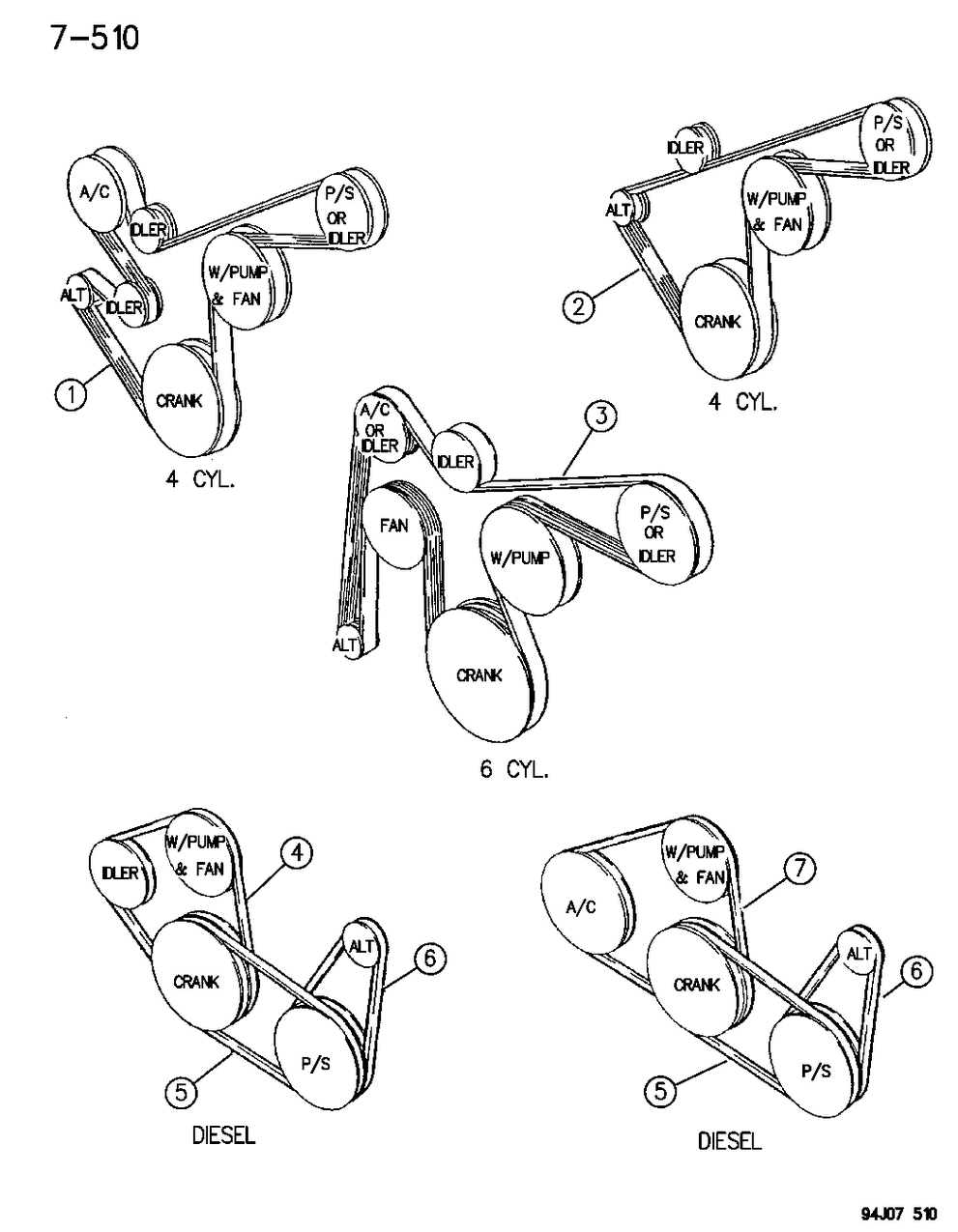
The serpentine belt diagram shows the path the belt takes around pulleys. Each pulley connects to a specific component. For the Jeep Cherokee 2.4, the layout is simple but must be followed exactly.
Here’s a comparison of the 2.4 engine setup versus other common Jeep engines:
| Engine | Belt Route Complexity | Number of Accessories | Common Mistakes |
|---|---|---|---|
| 2.4L I4 | Medium | 4 | Wrong tensioner position |
| 3.2L V6 | High | 5 | Misrouting near AC compressor |
| 2.0L Turbo | Medium | 4 | Skipping idler pulley |
Typical Belt Routing For Jeep Cherokee 2.4
The belt wraps in this sequence:
- Crankshaft pulley (main drive)
- Tensioner pulley
- Alternator
- Power steering pump
- Air conditioning compressor
- Idler pulley
A diagram is often printed under the hood or found in the owner’s manual. If not, follow this routing to avoid costly mistakes.
How To Replace The Serpentine Belt
Changing the serpentine belt doesn’t require advanced tools, but following the diagram is critical. Here’s a step-by-step guide:
- Turn off the engine and allow it to cool.
- Locate the tensioner pulley. This is usually spring-loaded.
- Use a wrench (typically 15mm) to release tension on the belt.
- Slide the old belt off the pulleys.
- Route the new belt following the diagram: Start at the crankshaft, then loop to each accessory in order.
- Release the tensioner to secure the belt in place.
- Check alignment. Ensure the belt sits in the grooves and is not twisted.
The whole process takes about 30–45 minutes for most DIYers.
Common Mistakes During Replacement
- Misrouting the belt: Even a single wrong loop can lead to poor accessory function or squealing noises.
- Over-tightening: This can damage bearings or pulleys.
- Ignoring tensioner wear: A weak tensioner causes the belt to slip.
Many beginners overlook the tensioner’s role. It’s important to inspect and replace it if it’s loose or noisy.
Signs Your Serpentine Belt Needs Attention
A failing belt can cause several problems. Watch for these signs:
- Squealing noises: Often when starting the engine or turning on the AC.
- Power steering loss: Steering becomes difficult.
- Battery warning light: Alternator may not be spinning.
- Visible cracks or fraying: Inspect the belt for wear.
Most serpentine belts last 50,000–100,000 miles, but hot climates or heavy accessory use can shorten this lifespan.
| Symptom | Possible Cause | Action Needed |
|---|---|---|
| Squealing | Belt slipping or tensioner weak | Replace belt/tensioner |
| Accessory failure | Belt broken | Immediate replacement |
| Visible wear | Age or misalignment | Inspect and replace |
Practical Tips For Diy Maintenance
- Always check the belt diagram before starting.
- If the belt is off, compare its length and design with the new one.
- Use a permanent marker to label the routing for future reference.
- Don’t ignore squeaks—even if the belt looks fine, tensioner problems are common.
- Buy quality belts; cheap versions often fail quickly.
A non-obvious insight: Idler pulleys often go bad before the belt itself. If you hear a constant whine, check the idler.
Another overlooked tip: After replacing the belt, run the engine for a few minutes, then re-check the belt tension. Sometimes the belt “settles,” and a second adjustment is needed.
Where To Find Reliable Serpentine Belt Diagrams
Many owners rely on the manual, but official diagrams are sometimes unclear. You can also find diagrams on trusted auto sites or forums. For detailed reference, visit Jeep Official Site, which provides up-to-date diagrams and part numbers.

Frequently Asked Questions
<!– wp:rank-math/faq-block {"questions":[{"id":"faq-question-39a9557a6897","title":"What Is The Serpentine Belt In The Jeep Cherokee 2.4?","content":"The serpentine belt is a long, flexible belt that drives multiple engine accessories, including the alternator, power steering pump, and air conditioning compressor.
“,”visible”:true},{“id”:”faq-question-0cc40f2ee92d”,”title”:”How Do I Know If My Serpentine Belt Needs Replacing?”,”content”:”Check for squealing sounds, visible cracks, fraying, or loss of accessory function. If the belt has run more than 60,000 miles, it’s wise to inspect it during routine maintenance.
“,”visible”:true},{“id”:”faq-question-e58903238f9d”,”title”:”What Happens If The Belt Is Routed Incorrectly?”,”content”:”Incorrect routing can cause accessory failure, overheating, battery drain, or even engine damage. Always use the correct diagram for your specific engine.
“,”visible”:true},{“id”:”faq-question-44ef49e8cd3e”,”title”:”Can I Replace The Serpentine Belt Myself?”,”content”:”Yes, with basic tools and careful attention to the belt diagram, most owners can replace the belt in under an hour.
“,”visible”:true},{“id”:”faq-question-b05a988261a7″,”title”:”Where Can I Find The Diagram For My Jeep Cherokee 2.4?”,”content”:”The diagram is often under the hood, in the owner’s manual, or on the Jeep Official Site. Always verify the diagram matches your engine configuration.
Keeping your Jeep Cherokee 2.4 running smoothly starts with simple maintenance like checking and replacing the serpentine belt. Understanding the diagram and the role of each pulley saves time and prevents costly mistakes. With these tips and clear instructions, you’ll handle this job confidently and keep your SUV reliable for years to come.
“,”visible”:true}]} –>What Is The Serpentine Belt In The Jeep Cherokee 2.4?
The serpentine belt is a long, flexible belt that drives multiple engine accessories, including the alternator, power steering pump, and air conditioning compressor.
How Do I Know If My Serpentine Belt Needs Replacing?
Check for squealing sounds, visible cracks, fraying, or loss of accessory function. If the belt has run more than 60,000 miles, it’s wise to inspect it during routine maintenance.
What Happens If The Belt Is Routed Incorrectly?
Incorrect routing can cause accessory failure, overheating, battery drain, or even engine damage. Always use the correct diagram for your specific engine.
Can I Replace The Serpentine Belt Myself?
Yes, with basic tools and careful attention to the belt diagram, most owners can replace the belt in under an hour.
Where Can I Find The Diagram For My Jeep Cherokee 2.4?
The diagram is often under the hood, in the owner’s manual, or on the Jeep Official Site. Always verify the diagram matches your engine configuration.
Keeping your Jeep Cherokee 2.4 running smoothly starts with simple maintenance like checking and replacing the serpentine belt. Understanding the diagram and the role of each pulley saves time and prevents costly mistakes. With these tips and clear instructions, you’ll handle this job confidently and keep your SUV reliable for years to come.