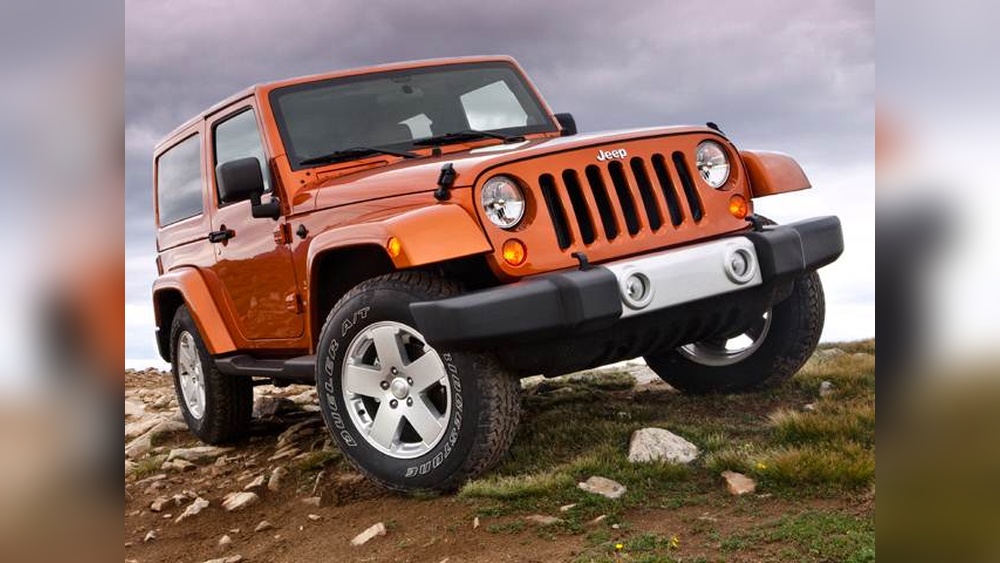
The Jeep Cherokee has long been a popular SUV choice, thanks to its mix of rugged style, everyday comfort, and strong off-road potential. But when people talk about performance, one number often stands out: the 0-60 mph time.
This figure shows how quickly a vehicle can accelerate from a stop to highway speed, and it matters to drivers who want both power and confidence in traffic. If you’re curious about how the Jeep Cherokee performs in this key area, you’re in the right place.
This article breaks down everything you need to know about the Jeep Cherokee’s 0-60 times, what affects them, how they compare to rivals, and what real-world drivers actually experience.
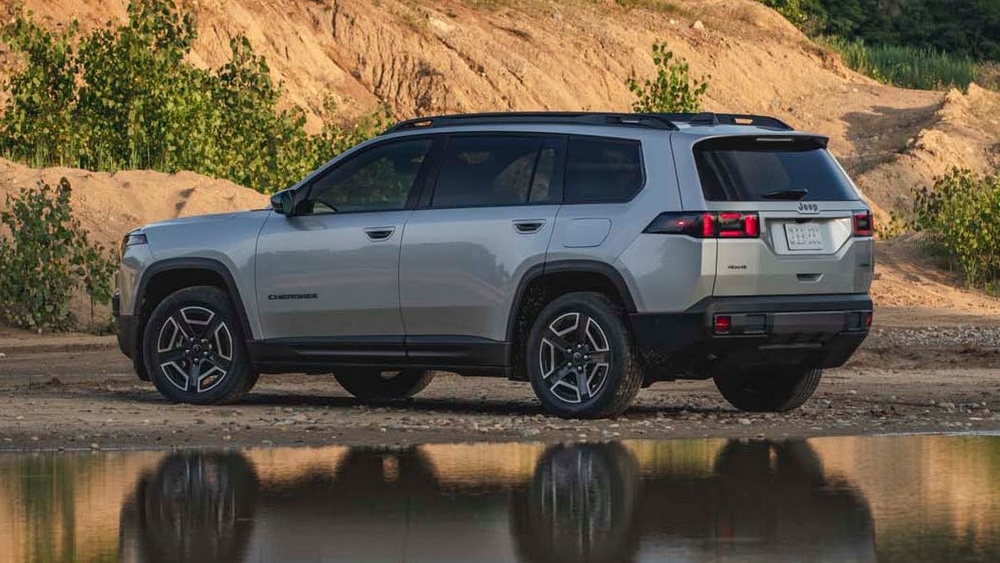
Understanding 0-60 Times: Why They Matter
The 0-60 mph time is more than just a number for car fans. It’s a simple, clear way to measure how fast a vehicle accelerates. For SUVs like the Cherokee, this stat also helps show how the car can handle merging onto highways, passing other vehicles, or carrying loads without feeling sluggish.
While sports cars often chase the lowest 0-60 times, for most SUV buyers, a good 0-60 time means:
- Safe highway entry without long waits
- Quick passing when needed
- Confidence in city traffic
It’s also a way to compare different models or engines, and to see how technology and design changes over time.
Jeep Cherokee Generations And Engine Options
The Jeep Cherokee name has been around since the 1970s, but for 0-60 mph times, the modern models (especially from 2014 to 2026) matter most. The Cherokee comes with several engines over the years, and each one has different performance numbers.
Key Engine Options (2014–2026)
- 2.4L Tigershark I4
- Found in base models.
- Offers decent fuel economy.
- 3.2L Pentastar V6
- More powerful.
- Used in higher trims and off-road versions.
- 2.0L Turbocharged I4
- Available on newer models.
- Blends good power and efficiency.
Each engine pairs with a 9-speed automatic transmission, but the drivetrain (front-wheel drive or four-wheel drive) can also affect acceleration.
Cherokee 0-60 Times By Model Year And Engine
To really understand the Cherokee’s performance, let’s look at real numbers. Below is a comparison of 0-60 mph times for the main engines across recent years.
| Model Year | Engine | 0-60 mph (seconds) | Drivetrain |
|---|---|---|---|
| 2014–2018 | 2.4L I4 | 8.7–9.0 | FWD/4WD |
| 2014–2026 | 3.2L V6 | 6.9–7.4 | FWD/4WD |
| 2019–2026 | 2.0L Turbo I4 | 6.5–7.0 | FWD/4WD |
As you can see, the 2.0L turbo engine is the fastest, followed closely by the V6. The base four-cylinder is noticeably slower, especially when the SUV is loaded or going uphill.
How The Cherokee’s 0-60 Stacks Up Against Rivals
Many buyers wonder how the Jeep Cherokee compares with other compact SUVs. Below is a look at 0-60 times for some of the Cherokee’s main competitors.
| Model | Engine | 0-60 mph (seconds) |
|---|---|---|
| Jeep Cherokee (2.0L Turbo) | 2.0L Turbo I4 | 6.5–7.0 |
| Honda CR-V | 1.5L Turbo I4 | 7.8–8.2 |
| Toyota RAV4 | 2.5L I4 | 8.0–8.2 |
| Ford Escape | 2.0L Turbo I4 | 6.5–6.7 |
| Mazda CX-5 | 2.5L Turbo I4 | 6.2–6.5 |
The Cherokee’s 2.0L turbo engine keeps it competitive. While the base engine is slower than many rivals, the top engines match or beat most compact SUVs in acceleration.

What Affects Cherokee’s 0-60 Performance?
A vehicle’s 0-60 time can change based on several factors. Knowing these helps you understand why your experience might differ from the numbers in brochures.
1. Engine Choice
The biggest factor. Turbocharged and V6 engines are much quicker than the base four-cylinder.
2. Drivetrain
Four-wheel drive (4WD) adds weight and can slightly slow down acceleration compared to front-wheel drive (FWD).
3. Vehicle Weight
Extra features, bigger wheels, or even a full load of passengers can add weight and increase 0-60 times.
4. Tires And Road Conditions
Worn tires or slippery roads (rain, snow) can reduce grip, making acceleration slower.
5. Altitude And Temperature
Higher altitudes have thinner air, which can lower engine power. Cold engines also perform worse until they warm up.
6. Break-in Period
New engines sometimes need a few thousand miles before they reach peak performance.
Real-world 0-60: What Drivers Actually Experience
Lab-tested numbers are helpful, but real-world driving is different. Many Cherokee owners report that:
- The 2.4L engine feels adequate in town but underpowered on highways or with heavy loads.
- The 3.2L V6 gives strong acceleration for merging and passing, even with passengers or cargo.
- The 2.0L turbo feels quick, especially at low speeds. Some drivers mention a slight turbo “lag,” but this is minor.
One insight many beginners miss: using “Sport” mode (if equipped) can improve response and slightly reduce 0-60 times. This changes how the transmission shifts and makes the throttle more sensitive. It won’t turn the Cherokee into a sports car, but it helps.
Another tip: premium fuel is recommended for the 2.0L turbo engine to get the best performance, even if regular is allowed. Many drivers notice smoother power delivery and slightly better acceleration with higher-octane fuel.
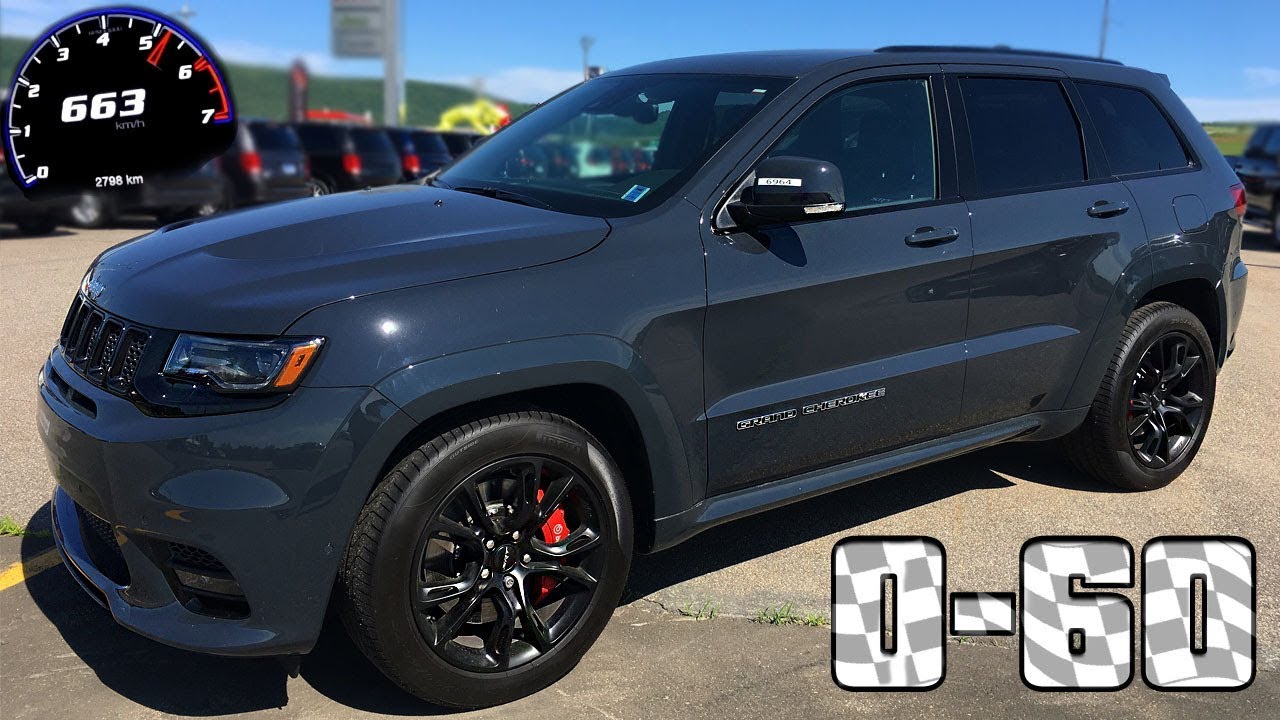
Cherokee 0-60: Trim And Feature Differences
Not all Cherokees are the same. Special trims or packages can also affect performance.
- Trailhawk: This off-road-focused trim has extra weight from skid plates, tow hooks, and off-road tires. Its 0-60 time is usually 0.2–0.4 seconds slower than other trims with the same engine.
- Latitude/Limited: These offer the best mix of speed and comfort, especially with the 2.0L turbo.
- Altitude: More style features, but similar performance to Latitude.
If acceleration is important to you, avoid the base engine and look for Limited or Overland trims with the upgraded powertrains.
Practical Tips For Improving Cherokee Acceleration
While you can’t turn a Cherokee into a racecar, there are steps to make the most of its acceleration:
- Use Sport Mode if your Cherokee has it, especially when merging or passing.
- Keep tires in good shape and properly inflated for best grip.
- Limit extra weight—remove unnecessary cargo or roof racks.
- Use recommended fuel (especially for turbo engines).
- Regular maintenance like oil changes and air filter replacement keeps the engine running strong.
These small steps can help you get closer to the best possible 0-60 times for your model.
Jeep Cherokee Performance Evolution Over The Years
The Cherokee has changed a lot over its life. In the 1990s, even the fastest Cherokee models took over 10 seconds to reach 60 mph. With the introduction of the 3.2L V6 and 2.0L turbo engines, the Cherokee became much faster and more refined.
Another often-missed insight: the 9-speed automatic transmission introduced in recent years plays a big role in acceleration. Early versions of this gearbox had some hesitation, but software updates improved shifting speed and smoothness, helping lower 0-60 times.
Future Of Cherokee Performance
Jeep is moving toward more efficient and electrified models. While there’s no fully electric Cherokee yet, hybrid and plug-in options are expected in the future.
These may deliver even faster 0-60 times, as electric motors can provide instant torque.
If you’re interested in the latest trends or want the fastest possible acceleration, keeping an eye on future Cherokee plug-in hybrid models could be worthwhile. These vehicles often combine strong gas engines with electric motors for quick, smooth launches.