Jeep Car Suspension Comfort: More Than Just Trail Capability
Jeep vehicles are famous for their off-road prowess. When you think of a Jeep, you probably picture it climbing rocks or splashing through mud.
This rugged image is well-earned. However, many drivers wonder if Jeeps can also offer a comfortable ride on regular roads.
The answer is yes, but it’s a bit more complex than with a typical car.
Jeep suspension systems are designed with a dual purpose: to handle tough terrain and to provide a decent level of comfort for daily driving. While older models might have been known for a harsher ride, newer Jeeps have made significant improvements. Understanding how Jeep suspension works, what factors affect comfort, and how you can enhance it will help you appreciate your Jeep’s capabilities even more. This article will explore the nuances of Jeep suspension comfort, looking at the technology, common issues, and solutions for a smoother drive.
Understanding Jeep Suspension Systems
Jeep’s approach to suspension is different from many other car manufacturers. They often prioritize durability and articulation for off-roading over the plush, isolated ride found in luxury sedans. This means using robust components that can withstand significant stress.
Solid Axles Vs. Independent Suspension
Historically, many Jeep models, especially the iconic Wrangler, have used solid axles front and rear.
- Solid Axles: These are a single, rigid beam that connects the wheels on opposite sides.
- Pros: They are extremely durable, simple to maintain, and allow for excellent wheel articulation (meaning the wheels can move up and down independently to maintain contact with uneven ground). This is crucial for off-roading.
- Cons: Solid axles tend to transmit more vibrations and bumps from the road directly into the cabin. They also have more unsprung weight (the weight of components not supported by the suspension), which can negatively impact handling and ride comfort on paved surfaces.
- Independent Suspension: Most other vehicles use independent suspension, where each wheel is connected to the chassis separately.
- Pros: This system isolates each wheel’s movement from the others, leading to a smoother, more comfortable ride and better on-road handling. It also reduces unsprung weight.
- Cons: It is generally less robust and offers less articulation than solid axles, making it less ideal for extreme off-roading.
Jeep has adapted to modern demands. While the Wrangler still largely sticks to its solid axle roots for maximum off-road capability, other Jeep models like the Grand Cherokee, Cherokee, and Compass use independent suspension systems. These models offer a more car-like ride, blending comfort with some level of trail capability. Even on solid axle Jeeps, engineering has evolved to mitigate some of the inherent ride harshness.
Key Suspension Components And Their Role In Comfort
Several parts make up a Jeep’s suspension system, and each plays a role in how comfortable the ride feels:
- Springs: These absorb the shock from bumps and imperfections in the road.
- Coil Springs: Common in many modern Jeeps, they offer a good balance of comfort and control.
- Leaf Springs: Often found in older or heavy-duty Jeeps, they can be stiffer but are very durable.
- Shock Absorbers (Dampers): These control the spring’s movement, preventing excessive bouncing after hitting a bump. Worn-out shocks are a major cause of a harsh or floaty ride.
- Control Arms: These connect the axle or suspension components to the vehicle’s frame, controlling the movement of the wheels.
- Bushings: Rubber or polyurethane components that cushion joints and reduce noise and vibration transfer. Worn bushings can lead to clunks and a less refined feel.
- Sway Bars (Anti-roll Bars): These connect opposite wheels to reduce body roll during cornering. While beneficial for handling, they can sometimes stiffen the ride over uneven surfaces.
The tuning of these components by Jeep engineers is critical. They aim for a balance that allows the vehicle to perform its intended function, whether that’s conquering a trail or providing a comfortable daily commute.
Factors Affecting Jeep Suspension Comfort
Several elements directly influence how comfortable your Jeep feels on the road. Understanding these can help you diagnose issues or plan upgrades.
Tire Pressure And Size
This is one of the easiest factors to overlook, but it has a significant impact.
- Tire Pressure: Running tires at a higher pressure than recommended makes the ride harsher. The air inside the tire acts as a secondary spring; if it’s too stiff, it transmits more road shock. Conversely, underinflated tires can lead to poor handling and uneven wear. Always adhere to the recommended tire pressure found on the sticker in your driver’s side doorjamb or owner’s manual.
- Tire Size: Larger, off-road tires with aggressive tread patterns often have stiffer sidewalls to resist punctures and impacts. This can contribute to a firmer ride. Smaller tires with more flexible sidewalls generally offer better comfort.
Aftermarket Modifications
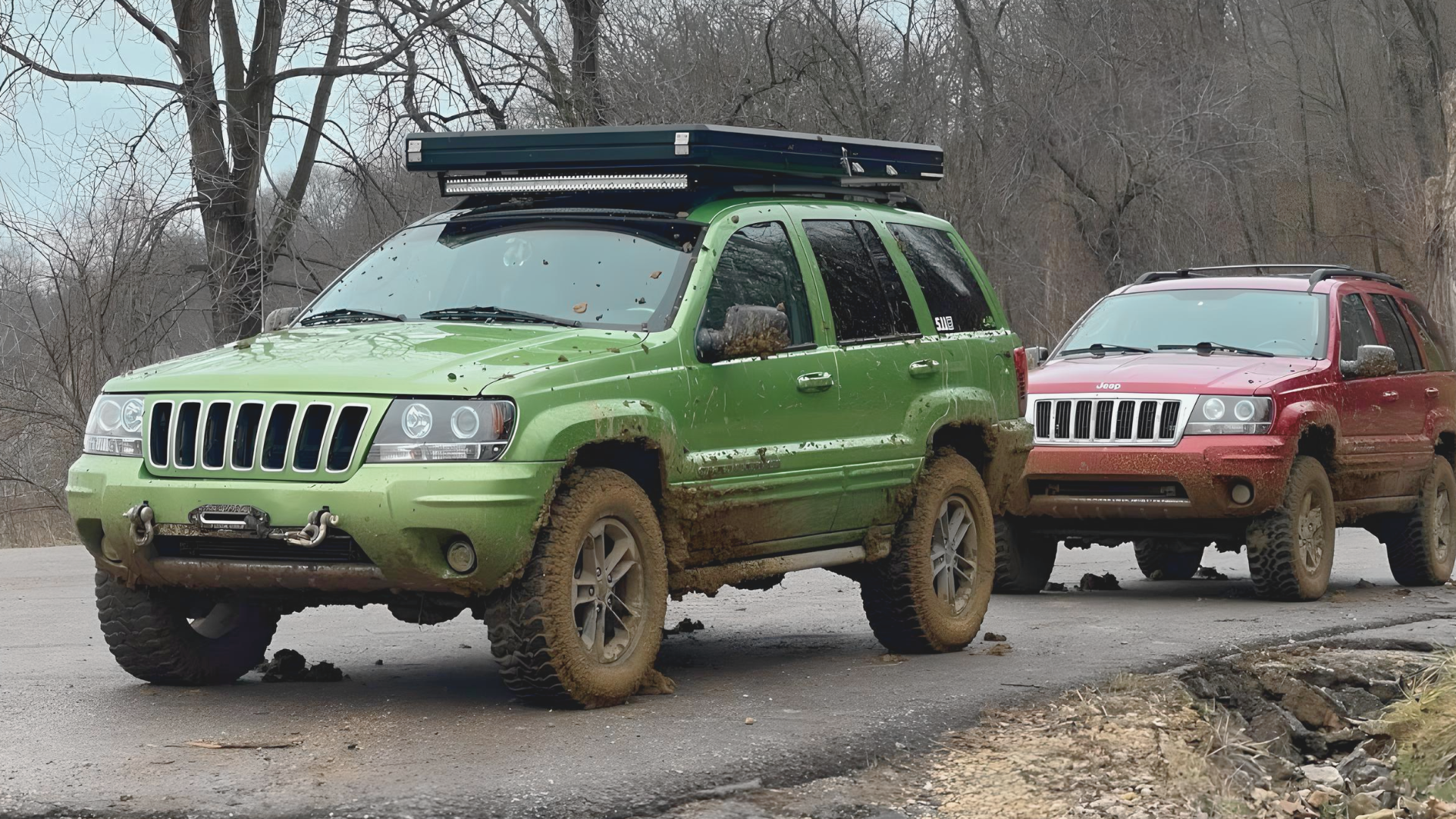
Many Jeep owners modify their vehicles for off-roading. While these changes can improve capability, they often compromise on-road comfort.
- Lift Kits: Raising a Jeep often involves stiffer springs and longer-travel shocks designed for articulation. This can make the ride noticeably harsher.
- Larger Tires: As mentioned, bigger tires, especially those with thicker sidewalls and aggressive tread, reduce comfort.
- Stiffer Suspension Components: Upgraded shocks, springs, and control arms designed for extreme use will typically be firmer than stock components.
Vehicle Age And Maintenance
Like any vehicle, Jeeps require regular maintenance. Worn-out suspension parts directly translate to a less comfortable ride.
- Worn Shocks/Struts: When shock absorbers lose their ability to dampen movement, you’ll notice excessive bouncing, a feeling of instability, and potentially a harsher impact over bumps.
- Damaged Springs: Broken or sagging springs can alter ride height and affect how the suspension absorbs impacts.
- Worn Bushings: These rubber or polyurethane parts degrade over time. When they wear out, they can cause clunking noises, rattles, and a general feeling of looseness in the suspension, all of which reduce comfort.
Load And Payload
The weight carried inside your Jeep affects how the suspension behaves. An overloaded vehicle will have its suspension compressed more, leading to a harsher ride and potentially bottoming out over bumps.
Enhancing Jeep Suspension Comfort
If you find your Jeep’s ride too harsh for your liking, there are several ways to improve comfort without sacrificing too much capability.
1. Optimize Tire Pressure And Choose The Right Tires
This is the most accessible and cost-effective first step.
- Check Your Pressure Regularly: Use a reliable tire pressure gauge. Ensure you’re using the recommended pressure for your specific Jeep model and tire size. For daily driving, you might even experiment with slightly lower pressure (within safe limits) for added comfort, but be aware of the impact on fuel economy and handling.
- Consider Tire Type: If you have aggressive off-road tires, switching to more street-oriented all-terrain (A/T) or even highway tires (H/T) can make a big difference. Look for tires with a higher sidewall aspect ratio (e.g., 65 or 70 instead of 55 or 60), which means more rubber between the rim and the road, offering a softer cushion.
2. Upgrade Shocks And Struts
The shock absorbers are crucial for ride quality. Replacing worn-out shocks is essential, but even upgrading stock shocks can improve comfort.
- Performance Shocks: Many aftermarket companies offer shocks specifically tuned for a balance of on-road comfort and off-road performance. These often feature:
- Adjustable Damping: Allows you to fine-tune the stiffness.
- Bypass Technology: Some high-end shocks can sense the type of impact (small bump vs. large drop) and adjust damping accordingly.
- Nitrogen Gas Charged: Helps prevent shock fade during heavy use.
- Coilovers: These are integrated units combining springs and shocks. High-quality coilovers can offer significant improvements in ride quality and adjustability.
Pro Tip: When choosing new shocks, consider your primary driving conditions. If you spend most of your time on pavement, prioritize shocks designed for comfort. If you frequently go off-road, look for a versatile option.
3. Improve Bushings
Worn or degraded suspension bushings are a common culprit for a rough or noisy ride.
- Polyurethane Bushings: Replacing old rubber bushings with new ones, often made from polyurethane, can restore a tighter, more controlled feel. Polyurethane is more durable than rubber and can offer a slightly firmer but more responsive ride.
- Quality Matters: Ensure you’re getting high-quality replacement bushings. Cheap ones may not last or provide the desired improvement.
4. Consider Suspension Geometry And Alignment
Proper alignment ensures your wheels are pointing in the right direction, which affects handling and can indirectly impact perceived comfort. If your alignment is off, you might experience pulling, uneven tire wear, and a less stable feel.
5. Evaluate Lift Kits Carefully
If you have a lift kit, assess its impact on comfort.
- Spacer Lifts: These are often the most basic and can sometimes negatively affect ride quality by altering suspension geometry.
- Longer Shocks/Springs: Kits that replace the factory shocks and springs with longer units designed for off-road use might be stiffer.
- Re-gearing Suspension: Some advanced suspension systems are designed to improve both on-road comfort and off-road articulation. Research brands known for quality and ride tuning.
Example: A 2-inch lift kit using basic spacers might make your Jeep feel noticeably bouncier. A well-designed 2-inch kit that includes specific shocks and springs tuned for on-road manners might offer a smoother ride than stock, even with the added height.
6. Sound Deadening And Insulation
While not strictly suspension, reducing noise and vibration entering the cabin can significantly enhance the perception of comfort. Adding sound-deadening material to the floor, doors, and firewall can make a noticeable difference, especially on models known for road noise.
Common Jeep Suspension Issues Affecting Comfort
Even with the best intentions, suspension components can wear out or fail, leading to a less comfortable experience.
Worn-out Shocks And Struts
This is perhaps the most common cause of a degraded ride. Signs include:
- Excessive Bouncing: The vehicle continues to bounce after hitting a bump.
- Nose Diving/Squatting: The front end dips excessively during braking, or the rear squats during acceleration.
- Uneven Tire Wear: Shocks that aren’t controlling wheel movement can lead to cupping or scalloping on tires.
- Visible Leaks: Oil leaking from the shock body is a clear indicator of failure.
Sagging Or Broken Springs
Springs can weaken over time due to constant load and stress.
- Lowered Ride Height: The vehicle sits lower than it should, especially at the corners with the failing springs.
- Harsh Bottoming Out: The suspension hits its limit over bumps because the springs can no longer absorb the impact effectively.
- Uneven Load Distribution: Can cause handling issues.
Worn Suspension Bushings And Ball Joints
These components allow for movement in the suspension while keeping parts securely connected.
- Clunking or Rattling Noises: Especially when going over bumps or turning.
- Looseness or Vagueness in Steering: A feeling that the front end is not tightly connected.
- Squeaks or Creaks: Can indicate dried-out or worn bushings.
- Uneven Tire Wear: Similar to worn shocks, worn bushings and ball joints can cause improper wheel alignment and tire wear.
Steering Components
While not directly part of the suspension, worn steering components like tie rods or steering stabilizers can mimic suspension issues and contribute to a rougher ride or poor control.
Control Arm Issues
Problems with control arms or their mounting points can affect wheel alignment and suspension travel.
- Alignment Problems: The vehicle pulls to one side.
- Unusual Noises: From the front or rear suspension area.
- Vibrations: Felt through the steering wheel or chassis.
When To Seek Professional Help
If you’re experiencing significant ride comfort issues, it’s often best to consult a qualified mechanic. They have the tools and expertise to properly diagnose suspension problems.
- Visual Inspection: A mechanic can check for leaks, damage, and wear on springs, shocks, bushings, and other components.
- Alignment Check: They can perform a precise wheel alignment.
- Test Drive: An experienced mechanic can often identify issues simply by driving the vehicle and listening for noises or feeling for abnormal behavior.
Warning: Never ignore persistent noises or handling problems. Suspension issues can affect your vehicle’s safety and control.
Comparing Suspension Comfort Across Jeep Models
Jeep offers a range of models, each with a different suspension philosophy and resulting comfort level.
Jeep Wrangler (jk, Jl Generations)
- Suspension Type: Primarily solid axles front and rear.
- Comfort Focus: Built for extreme off-road capability. On-road comfort has improved significantly with the JL generation compared to older JK models, but it still prioritizes articulation and durability.
- Ride Quality: Can be firm and less refined on paved roads, especially with larger tires. Road noise can be noticeable. Modifications for off-roading often increase harshness.
Jeep Grand Cherokee
- Suspension Type: Independent front and rear suspension, often with available air suspension (Quadra-Lift).
- Comfort Focus: Designed as a more luxurious and comfortable SUV with significant capability.
- Ride Quality: Generally offers a smooth, quiet, and comfortable ride, comparable to other luxury SUVs. The air suspension system allows for adjustable ride height and can significantly enhance comfort by softening the ride.
Jeep Cherokee (kl Generation)
- Suspension Type: Independent front and rear suspension.
- Comfort Focus: A balance between on-road comfort and off-road capability, positioned below the Grand Cherokee.
- Ride Quality: Offers a comfortable and composed ride for daily driving. It handles bumps well and is generally quieter than a Wrangler.
Jeep Compass & Renegade
- Suspension Type: Independent front and rear suspension.
- Comfort Focus: Primarily focused on urban driving, fuel efficiency, and a car-like experience, with some light off-road capability.
- Ride Quality: Typically provide a comfortable and compliant ride, soaking up city bumps effectively. They are generally the most car-like in terms of suspension comfort within the Jeep lineup.