The Jeep Wrangler is famous for its strong body and SUV capabilities. It's built to go off-road, tackle tough trails, and look good doing it.
Jeep has a long history of making tough vehicles, and the Wrangler is the modern version of that legacy. This article will explore what makes the Jeep Wrangler's body so strong and why it’s a top choice for adventurers.
We'll look at its design, the materials used, and how these features contribute to its legendary toughness.

The Foundation Of Toughness: Jeep Wrangler’s Body-on-frame Design
One of the most important reasons for the Jeep Wrangler’s strong body is its body-on-frame construction. This is different from most modern SUVs, which use a unibody design. In a body-on-frame setup, the vehicle’s body is a separate unit that is bolted onto a strong, rigid chassis or frame.
How Body-on-frame Works
Think of it like building a house. With body-on-frame, you build a strong foundation (the frame) first, and then you place the house (the body) on top of it.
This frame is typically made of thick steel beams that run the length of the vehicle.
It’s designed to handle a lot of stress and twisting forces.
The body of the Wrangler is then mounted to this frame using rubber or metal mounts. This separation allows the frame to absorb the shocks and stresses from rough terrain, protecting the body and its occupants.
Benefits Of Body-on-frame For Off-roading
This design offers several key advantages for off-road driving:
- Durability: The separate frame is incredibly strong and can withstand the extreme twisting forces that occur when one or more wheels are off the ground on uneven terrain. A unibody design, where the body and frame are one integrated piece, is more prone to flexing and damage in such situations.
- Repairability: If the frame is damaged, it can often be repaired or even replaced more easily than a damaged unibody structure. This is a significant advantage for serious off-roaders who might push their vehicles to the limit.
- Towing and Hauling: The rigid frame provides a solid platform for towing trailers and carrying heavy loads. While not the primary focus for all Wrangler owners, it’s a capability that adds to its utility.
- Ground Clearance: The body-on-frame design often allows for higher ground clearance, which is essential for clearing obstacles on trails.
Comparison With Unibody Suvs
Most modern SUVs, like the Toyota Highlander or Honda CR-V, use a unibody construction. In this design, the body and frame are a single, integrated structure.
This makes the vehicle lighter and often improves on-road handling and fuel efficiency. However, for extreme off-road use, the traditional body-on-frame design of the Wrangler offers superior strength and resilience.
Materials And Construction: Building A Tough Exterior
The strong body of the Jeep Wrangler isn’t just about its frame. The materials used in its construction and the way the body panels are designed also play a crucial role in its durability and toughness.
High-strength Steel
Jeep utilizes high-strength steel in key areas of the Wrangler’s body and frame. This steel is stronger and more rigid than standard steel, meaning it can withstand impacts and stresses without deforming. This is particularly important for the chassis rails and suspension mounting points, which bear the brunt of off-road abuse.
Steel Bumpers And Rock Rails
Many Jeep Wrangler models come equipped with steel bumpers and rock rails. These are not just for looks.
- Steel Bumpers: The front and rear steel bumpers are designed to absorb impacts from rocks, branches, and other trail hazards. They are much more robust than the plastic bumpers found on many other SUVs.
- Rock Rails: These are sturdy metal bars that run along the sides of the vehicle, just above the rocker panels (the area below the doors). Their purpose is to protect the body panels from damage when navigating rocky terrain. If the Jeep slides sideways against a rock, the rock rails take the impact, preventing dents and tears in the sheet metal.
Removable Doors And Top
A unique feature contributing to the Wrangler’s rugged appeal and perceived toughness is its removable doors and top. While this might seem counterintuitive for body strength, the way it’s engineered is part of the overall robust design. The doors and roof are designed to be easily detached, transforming the Wrangler into an open-air experience. The underlying structure of the vehicle is still immensely strong and capable of handling the stresses of off-roading even without its doors or roof. The roll cage structure integrated into the A-pillars and B-pillars provides crucial structural support.
Corrosion Resistance
Jeep also pays attention to corrosion resistance. Off-roading often involves exposure to mud, water, salt, and sand, which can quickly rust a vehicle. The Wrangler uses various coatings, galvanization techniques, and materials to protect its steel components from rust and corrosion, ensuring its strong body lasts for many years, even in harsh environments.
The Iconic Jeep Design: Form Meets Function
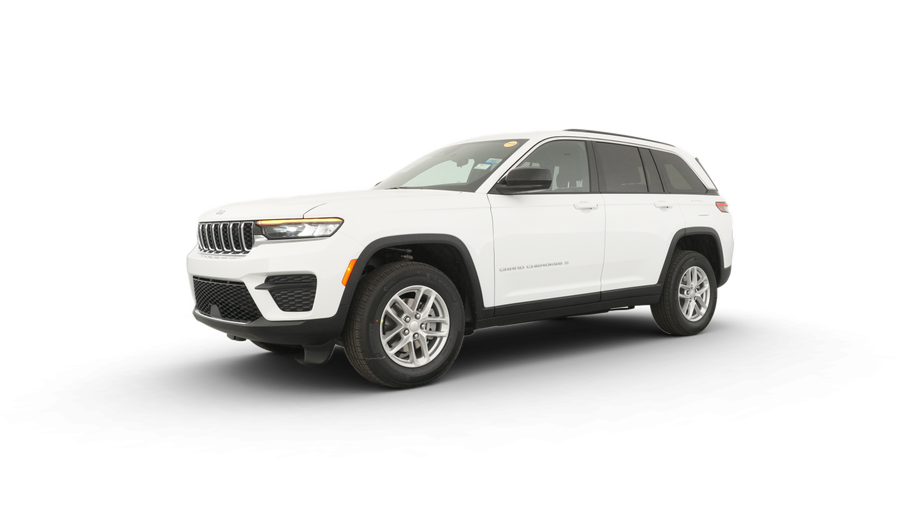
The Jeep Wrangler’s strong body is instantly recognizable. Its iconic design is not just for aesthetics; it’s deeply rooted in function and performance, especially for off-road use.
Seven-slot Grille
The seven-slot grille is a signature Jeep feature. While it has evolved over the years, its core design remains. It’s positioned vertically, allowing air to flow efficiently to the engine, even when the vehicle is angled steeply on a trail. This functional element is as much a part of the Wrangler’s identity as its strength.
Round Headlights
The round headlights are another classic Jeep cue. They are positioned to maximize their protection from trail debris. On many models, the headlights are set into the fenders, slightly recessed, offering a degree of shielding from direct impacts with rocks or branches. This design choice prioritizes durability and practicality over sleek aerodynamics.
Flat Fender Flares
The Wrangler typically features flat fender flares that are bolted on. This design has a practical advantage: if a fender flare gets damaged on the trail, it can often be easily replaced by unbolting the damaged one and attaching a new one. This minimizes repair time and cost, keeping the Jeep operational for its next adventure.
Short Wheelbase And Overhangs
The Wrangler often has a short wheelbase and short overhangs (the parts of the body that extend beyond the wheels). This design is crucial for off-roading:
- Short Wheelbase: A shorter distance between the front and rear wheels makes the vehicle more agile on tight trails and easier to maneuver over obstacles.
- Short Overhangs: The front and rear overhangs determine the vehicle’s approach angle, departure angle, and breakover angle. These are critical measurements for off-roading:
- Approach Angle: The angle of the ground the vehicle can drive onto without the front bumper hitting.
- Departure Angle: The angle of the ground the vehicle can drive off without the rear bumper hitting.
- Breakover Angle: The angle of an obstacle the vehicle can drive over without the chassis scraping.
A short overhang means larger angles, allowing the Wrangler to climb over obstacles that would ground out other vehicles.
Engineering For The Trail: Suspension And Drivetrain Integration
The strong body of the Jeep Wrangler is only one part of its off-road prowess. Its suspension and drivetrain are engineered to work in harmony with the robust chassis, allowing the vehicle to tackle extreme terrain.
Solid Axles
Historically, and still on many models, the Jeep Wrangler uses solid front and rear axles. This is a key differentiator from many other SUVs that use independent suspension.
What Are Solid Axles?
A solid axle is a single, rigid beam that connects the wheels on opposite sides of the vehicle. The differential (which splits power to the wheels) and suspension components are mounted directly to this beam.
Advantages Of Solid Axles For Off-roading:
- Articulation: Solid axles allow for greater wheel articulation. This means the wheels can move up and down independently over uneven surfaces, keeping more tires in contact with the ground. More tires on the ground means better traction and stability.
- Durability: Solid axles are incredibly strong and simple in design, making them highly resistant to damage from impacts and the stresses of off-road driving.
- Ground Clearance: They contribute to higher ground clearance, helping the vehicle clear obstacles.
While independent front suspension (IFS) offers better on-road comfort and handling, the ruggedness and articulation of solid axles remain a favorite for hardcore off-road enthusiasts.
Heavy-duty Suspension Components
To complement the solid axles and body-on-frame design, the Wrangler features heavy-duty suspension components. This includes:
- Robust Springs and Shocks: The springs are designed to handle heavy loads and absorb significant impacts. The shock absorbers are tuned to control wheel movement effectively on rough terrain without being overly harsh for daily driving.
- Strong Control Arms and Track Bars: These components connect the axles to the frame and help control the vehicle’s movement. In the Wrangler, they are built with thick, durable materials to withstand the forces encountered off-road.
Transfer Case And 4×4 Systems
The Wrangler’s four-wheel-drive (4×4) system is central to its capability. Most Wranglers feature a robust transfer case that allows the driver to select different drive modes:
- 2H (Two-Wheel Drive High): For normal on-road driving, saving fuel.
- 4H (Four-Wheel Drive High): For slippery conditions like rain, snow, or gravel roads.
- 4L (Four-Wheel Drive Low): This setting provides maximum torque at very low speeds, essential for crawling over difficult obstacles, steep inclines, or descents.
The robust engineering of the transfer case and the electronic or manual systems that control it ensure reliable power delivery to all four wheels when needed most.
Protection Features: Safeguarding The Strong Body
Beyond its inherent strength, the Jeep Wrangler incorporates specific protection features designed to shield its strong body from the hazards of off-road environments.
Skid Plates
Skid plates are perhaps the most critical underbody protection. These are thick metal plates (often steel or aluminum) that are mounted underneath vital components like the engine, transmission, transfer case, fuel tank, and differentials.
- Purpose: Their function is to slide over rocks, logs, and other trail debris, protecting the vulnerable components from punctures or damage. Without skid plates, a single sharp rock could easily disable a vehicle off-road.
- Material and Design: The Wrangler’s skid plates are typically made from durable materials and are designed to cover the most exposed areas, allowing the vehicle to be dragged over obstacles rather than getting hung up on them.
Steel Bumpers And Rock Rails (revisited)
As mentioned earlier, the optional steel bumpers and rock rails are also forms of protection. They act as a shield for the body panels and crucial mechanical parts. For instance, a steel front bumper can protect the radiator and front fenders from impact. Rock rails are essential for preventing damage to the lower body and door sills when navigating tight, rocky trails.
Underbody Coatings
Jeep applies specialized underbody coatings to protect the frame and lower body panels from corrosion and abrasion. These coatings are designed to resist chipping from impacts and to prevent moisture and salt from reaching the metal, which is crucial for longevity, especially in areas with harsh weather or where salt is used on roads.
The Evolution Of The Wrangler: Maintaining Strength Through Generations
The Jeep Wrangler has evolved significantly since its military origins, but the core philosophy of a strong, capable body has remained consistent. Each generation has built upon the legacy of its predecessors, incorporating modern technology while retaining its essential ruggedness.
Early Generations (cj Series)
The early Jeep CJ (Civilian Jeep) models, which paved the way for the Wrangler, were built on simple, robust frames with basic, functional bodies. They were designed for utility and durability in demanding conditions, setting the standard for what a Jeep should be.
The Wrangler Yj (1987-1995)
The YJ generation officially introduced the "Wrangler" name. While it moved to leaf springs and introduced some more car-like features, it retained the body-on-frame construction and a generally tough build.
Its square headlights were a departure from the traditional round ones, making it easily identifiable.
The Wrangler Tj (1997-2006)
The TJ generation is often considered a golden era by many Jeep enthusiasts. It brought back the iconic round headlights and, crucially, adopted coil springs instead of leaf springs. Coil springs provide a smoother ride on-road while maintaining excellent off-road articulation, a significant engineering achievement that improved comfort without sacrificing capability. The body structure remained strong and body-on-frame.
The Wrangler Jk (2007-2018)
The JK generation saw the Wrangler grow in size and capability. It introduced a longer wheelbase option (the 4-door "Unlimited" model), making it more practical for families and cargo.
Despite the increased size, Jeep maintained the body-on-frame design and reinforced the chassis and body to handle the larger vehicle and its increased potential for off-road adventure.
The JK also saw advancements in 4×4 systems and interior comfort.
The Wrangler Jl (2018-present)
The current generation, the JL, continues the tradition of body-on-frame construction. It features significant updates, including:
- Lighter Materials: Jeep has incorporated more aluminum in the body panels and some chassis components to reduce weight, improving fuel efficiency and on-road performance. However, critical structural elements and the core frame remain robust steel.
- Improved Aerodynamics: While still maintaining its iconic shape, the JL has subtle aerodynamic improvements.
- Enhanced Off-Road Tech: The JL offers advanced 4×4 systems, electronic disconnecting sway bars (on Rubicon models) for maximum articulation, and improved underbody protection.
Despite the use of lighter materials in some areas, the fundamental strength and integrity of the Wrangler’s body and chassis are meticulously engineered to meet the demands of serious off-roading.

Beyond The Build: Owner Experiences And Real-world Toughness
The specifications and engineering of the Jeep Wrangler’s strong body are impressive, but its true testament lies in the experiences of its owners and its performance in real-world conditions.
Owner Testimonials
Jeep owners are a passionate community, and many share stories of their Wranglers enduring incredible abuse and coming out relatively unscathed. From navigating boulder fields to being used as daily drivers in harsh climates, the Wrangler’s reputation for toughness is well-earned.
Many owners perform modifications, adding aftermarket bumpers, lifts, and armor, which further enhance the vehicle’s already strong foundation



















