The thought of driving your precious family around can bring a mix of joy and worry. You want to enjoy the journey, but safety is always the top priority.
When it comes to family vehicles, Jeep cars often come up in conversations. Many people think of Jeeps as rugged off-road machines, but the brand has evolved significantly.
Today, Jeep offers a range of vehicles that blend capability with features designed to keep your loved ones safe.
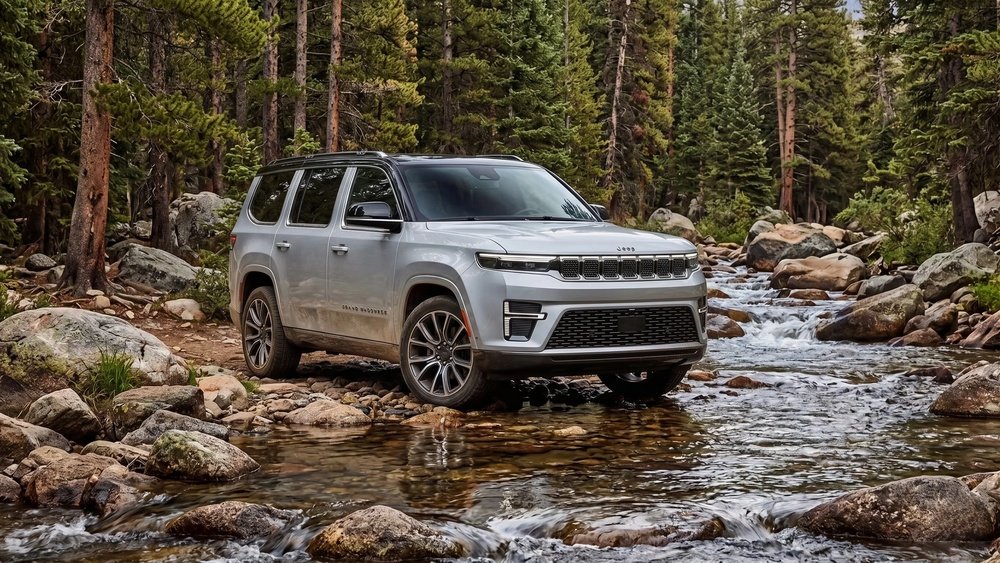
This guide is for families looking to understand just how safe a Jeep can be for their everyday needs and adventures. We’ll explore the safety technologies, design elements, and real-world performance that make Jeeps a viable, and often excellent, choice for family transport.
Forget the old image of a bare-bones explorer; modern Jeeps are packed with advanced safety systems, comfortable interiors, and the practical space families need. Let’s dive into what makes a Jeep a smart choice for keeping your family secure on the road.
Understanding Jeep’s Commitment To Family Safety
Jeep’s evolution from a military vehicle to a mainstream family SUV is a story of adaptation and innovation. While the core DNA of capability and adventure remains, the focus on passenger safety has become paramount. Jeep, under the Stellantis umbrella, has integrated a comprehensive suite of safety features across its model lineup. This commitment is not just about meeting regulatory standards; it’s about providing peace of mind for drivers who rely on their vehicles for the most important cargo: their families.
The brand understands that families have diverse needs. Some need a compact SUV for city driving and school runs, while others require a larger vehicle for road trips and outdoor excursions. Jeep addresses this by offering a variety of models, each equipped with a similar philosophy towards safety, but tailored to different lifestyles. This means whether you’re looking at a Jeep Compass for urban commuting or a Jeep Grand Cherokee for family adventures, you can expect a strong foundation of safety.
Active Safety Features: Preventing Accidents
Active safety systems are designed to help drivers avoid crashes in the first place. They use sensors, cameras, and radar to monitor the vehicle's surroundings and can even intervene to prevent an accident.
Jeep has been steadily rolling out these technologies, making them standard or available on most of its current models.
One of the most significant advancements is the suite of driver-assistance systems. These are not just fancy gadgets; they are intelligent tools that work with you. For instance, Forward Collision Warning with Active Braking is a system that detects potential frontal collisions. If the system senses a high risk of impact, it will alert the driver with audible and visual warnings. If the driver doesn’t react in time, the system can automatically apply the brakes to reduce the severity of the impact or even prevent it altogether. This is especially crucial in busy family environments where distractions can easily occur.
Another vital system is Blind Spot Monitoring and Rear Cross Path Detection. This is incredibly helpful when changing lanes or backing out of parking spots. Blind Spot Monitoring alerts you if a vehicle is detected in your blind spot, typically through icons on the side mirrors. Rear Cross Path Detection warns you of approaching vehicles when you are reversing, a common scenario in school drop-off zones or crowded parking lots. These features significantly reduce the risk of side-swipe accidents and collisions when visibility is limited.
LaneSense Lane Departure Warning with Lane Keep Assist is also a key feature. It helps keep the vehicle centered in its lane. The system monitors lane markings and will provide a gentle steering wheel nudge or an audible alert if the vehicle begins to drift out of its lane without the turn signal being activated. This is particularly useful on long highway drives when fatigue can set in.
Passive Safety Features: Protecting Occupants In A Crash
While active safety features aim to prevent accidents, passive safety features are designed to protect occupants if a crash does occur. Jeep vehicles are built with robust structures and a comprehensive airbag system to provide maximum protection.
The vehicle’s body structure is engineered to absorb and dissipate crash energy. This often involves using high-strength steel in critical areas like the A-pillars, B-pillars, and roof rails. The goal is to create a strong safety cage around the passengers, minimizing intrusion into the cabin during an impact. Jeep’s commitment to structural integrity is a fundamental aspect of its safety design.
Airbags are another critical component of passive safety. Modern Jeeps are equipped with a multi-stage airbag system. This includes front airbags for the driver and front passenger, side-impact airbags mounted in the seats, and side-curtain airbags that deploy from the roof to protect the heads of occupants in the front and second rows. Some models also offer knee airbags for the driver and front passenger, providing an extra layer of protection for this vulnerable area. The number and placement of airbags are carefully calibrated to provide optimal protection for all occupants, regardless of their size or position in the vehicle.
The seat belts are also a crucial part of the passive safety system. Jeep vehicles feature three-point seat belts for all seating positions. Many models also include pretensioners, which tighten the seat belt instantly in the event of a collision, and load limiters, which allow the seat belt to release a small amount of tension to reduce the force on the occupant’s chest. For families with young children, the LATCH (Lower Anchors and Tethers for Children) system is standard, making it easier and more secure to install child safety seats.
Key Jeep Models And Their Safety Highlights
Jeep offers a diverse lineup, and understanding the specific safety features of each model can help families make an informed decision. While all Jeeps share a common safety philosophy, some models may offer more advanced features or have higher safety ratings due to their size and intended use.
Jeep Grand Cherokee: The Family Flagship
The Jeep Grand Cherokee is often considered the pinnacle of Jeep’s offerings, blending luxury, capability, and safety. It’s a popular choice for families who want a versatile SUV that can handle daily commutes and adventurous road trips. The Grand Cherokee typically earns excellent safety ratings from organizations like the National Highway Traffic Safety Administration (NHTSA) and the Insurance Institute for Highway Safety (IIHS).
In terms of active safety, the Grand Cherokee usually comes standard with a comprehensive suite of features. This often includes Full-Speed Forward Collision Warning with Active Braking, Blind Spot Monitoring and Rear Cross Path Detection, LaneSense Lane Departure Warning with Lane Keep Assist, and ParkView Rear Back-Up Camera. Higher trim levels often add even more advanced systems like Adaptive Cruise Control with Stop and Go, which can automatically adjust the vehicle’s speed to maintain a safe distance from the car ahead, and Parallel and Perpendicular Park Assist, which helps with parking in tight spots.
For passive safety, the Grand Cherokee boasts a robust unibody structure designed for exceptional crashworthiness. It features an extensive array of airbags, including front, side, knee, and curtain airbags, providing all-around protection. The LATCH system is robust and easy to use, making it straightforward to install child seats securely. The interior is designed with family comfort in mind, offering ample space for passengers and cargo, which indirectly contributes to safety by reducing clutter and ensuring comfortable seating for long journeys.
Jeep Wagoneer / Grand Wagoneer: The Ultimate Family Hauler
For larger families or those who prioritize maximum space and luxury, the Jeep Wagoneer and Grand Wagoneer are compelling options. These three-row SUVs are designed to carry more passengers and cargo while maintaining a high level of safety. They are built on a body-on-frame platform, which is known for its durability and towing capability, and Jeep has incorporated advanced safety technologies into this robust design.
These models typically come equipped with an even more extensive list of standard and available driver-assistance systems. This can include features like Night Vision with pedestrian and animal detection, offering an extra layer of awareness during nighttime driving. Intersection Collision Assist is another advanced feature that helps detect and prevent potential collisions at intersections. The 360-degree Surround View Camera system provides an overhead view of the vehicle and its surroundings, making maneuvering in tight spaces much easier and safer.
The passive safety features are equally impressive. The strong body-on-frame construction provides a solid foundation. The Wagoneer and Grand Wagoneer feature a comprehensive airbag system, including advanced multi-stage front airbags, side airbags, and curtain airbags that extend to cover all three rows. The LATCH system is designed for ease of use across multiple seating positions. The sheer size and weight of these vehicles can also offer an advantage in certain types of collisions, providing a greater buffer for occupants.
Jeep Cherokee & Grand Cherokee L: Versatile Family Choices
The Jeep Cherokee offers a more compact yet still capable option for families. It strikes a good balance between maneuverability and interior space. While it might not have all the bells and whistles of the Grand Cherokee, it still comes with a strong emphasis on safety. Standard features often include Forward Collision Warning with Active Braking, Blind Spot Monitoring, and a ParkView Rear Back-Up Camera.
The Jeep Grand Cherokee L is essentially an extended-wheelbase version of the Grand Cherokee, offering a third row of seating. It shares many of the safety features and ratings with its shorter counterpart but provides more room for families needing that extra seating capacity. The safety systems are designed to protect a larger number of occupants, with curtain airbags extending to cover the third row.
Jeep Compass & Renegade: Compact And Capable
For families seeking a more budget-friendly and city-friendly option, the Jeep Compass and Jeep Renegade are excellent choices. These compact SUVs prove that safety doesn’t have to come with a premium price tag. They are equipped with essential safety technologies that have become standard in the automotive industry.
Both models typically offer Forward Collision Warning with Active Braking, LaneSense Lane Departure Warning, and Blind Spot Monitoring as available or standard features, depending on the trim level. The ParkView Rear Back-Up Camera is also standard, aiding in safe parking. Their smaller size can make them easier to maneuver in tight urban environments, potentially reducing the risk of minor collisions.
Despite their compact size, these Jeeps are built with strong materials and feature a robust safety cell designed to protect occupants in a crash. They are equipped with multiple airbags and the LATCH system for child seat installation. While they might not have the sheer mass of larger SUVs, their modern safety engineering ensures they perform well in crash tests relative to their class.

Advanced Safety Technologies Explained
Beyond the standard features, Jeep continues to innovate by incorporating advanced technologies that further enhance family safety. These systems are designed to work seamlessly, providing an extra layer of awareness and protection for drivers and passengers.
Adaptive Cruise Control (acc)
Adaptive Cruise Control (ACC) is a significant step up from traditional cruise control. Instead of maintaining a set speed, ACC maintains a pre-set distance from the vehicle in front. Using radar or camera sensors, the system can detect vehicles ahead and automatically adjust your speed, slowing down when traffic slows and resuming your set speed when traffic clears. This feature is particularly beneficial on highways and in moderate traffic, reducing driver fatigue and helping to prevent rear-end collisions caused by inattentive driving or sudden braking. For families on long road trips, ACC can make the journey much more relaxed and safer.
Lane Management Systems
Lane Management Systems encompass a range of technologies designed to keep the vehicle within its lane. Lane Departure Warning (LDW) alerts the driver with an audible or visual cue if the vehicle begins to drift out of its lane unintentionally. Lane Keep Assist (LKA) goes a step further by providing gentle steering input to nudge the vehicle back into its lane. These systems are invaluable for preventing accidents caused by driver distraction or drowsiness.
Automatic Emergency Braking (aeb)
Automatic Emergency Braking (AEB) is a critical safety feature that can prevent or mitigate frontal collisions. It works by using sensors to detect an imminent collision with another vehicle or pedestrian. If the driver doesn’t react in time, the system can apply the brakes automatically with significant force. AEB systems often have different modes, such as pedestrian detection, which can even stop the vehicle if a pedestrian unexpectedly enters the path of travel. This technology is a powerful tool for reducing the severity of accidents, especially in urban driving conditions where unexpected events are common.
Parking Assistance Systems
Maneuvering a family vehicle in tight parking spaces can be stressful. Jeep offers various parking assistance systems to alleviate this. These include ParkSense Front and Rear Park Assist, which uses sensors to detect obstacles and alerts the driver with audible warnings and on-screen graphics. More advanced systems, like the Surround View Camera, provide a bird’s-eye view of the vehicle and its surroundings, making it incredibly easy to see all obstacles, even those directly in front or behind the vehicle. Some models also offer ParkSense Automated Parking System, which can steer the vehicle into parallel or perpendicular parking spots with minimal driver input.
Real-world Safety Performance And Ratings
While specifications and features are important, real-world safety performance is best understood through independent testing and crash ratings. Organizations like the NHTSA and IIHS conduct rigorous tests to evaluate how well vehicles protect occupants in various crash scenarios.
The National Highway Traffic Safety Administration (NHTSA) assigns an overall 5-Star Safety Rating to vehicles that perform exceptionally well across multiple crash tests, including frontal, side, and rollover assessments. Many Jeep models, particularly the Grand Cherokee and Wagoneer/Grand Wagoneer, consistently achieve high ratings from NHTSA, often earning a 5-Star Overall Vehicle Score. This rating provides consumers with a clear, easy-to-understand benchmark for a vehicle’s safety.
The Insurance Institute for Highway Safety (IIHS) conducts even more detailed testing, awarding vehicles with Top Safety Pick or Top Safety Pick+ designations. These awards are given to vehicles that excel in their crashworthiness tests, including the challenging small overlap front test, moderate overlap front test, side impact test, and roof strength test. They also evaluate the effectiveness of front crash prevention systems and headlights. Jeep vehicles that earn these accolades demonstrate a superior ability to protect occupants in a wide range of accident types. For example, the Jeep Grand Cherokee has frequently been recognized by the IIHS for its strong safety performance.
It’s important to note that safety ratings can vary slightly by model year and specific trim level, as manufacturers often update features and designs. Always check the latest ratings for the exact vehicle you are considering.
Understanding Crash Test Results
When looking at crash test results, pay attention to the different types of tests:
- Frontal Crash Tests: These tests simulate a head-on collision. The small overlap front test is particularly challenging, as it simulates hitting a narrow object like a pole or tree with only a small portion of the front of the vehicle. A good performance here indicates excellent protection for the driver and front passenger.
- Side Crash Tests: These simulate a collision with another vehicle or object hitting the side of your car. This is one of the most dangerous types of crashes, and good performance here is critical for occupant protection, especially for those in the rear seats.
- Rollover Resistance: This test evaluates the vehicle’s



















