Conquer Any Terrain: Choosing The Right Jeep Off-road Tires
Your Jeep is more than just a vehicle; it's a ticket to adventure. It’s built to go where paved roads end.
But to truly unleash its potential, you need the right off-road tires. These aren't your average car tires.
They are rugged, specialized tools designed to grip dirt, mud, rocks, and sand. Choosing the wrong tires can limit your Jeep’s capabilities, leave you stuck, or even be unsafe.
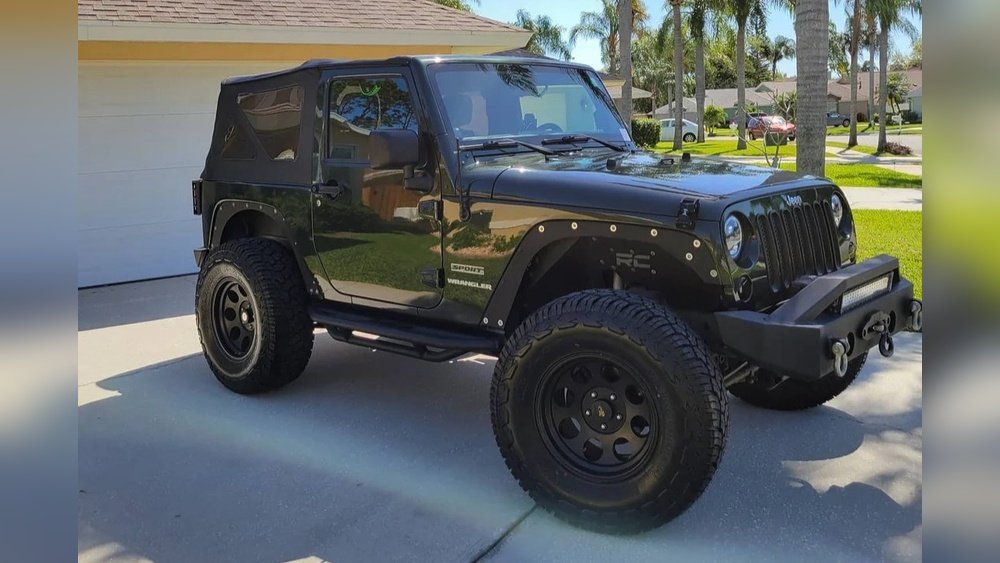
This guide will help you understand the different types of off-road tires, what to look for, and how to pick the perfect set for your Jeep and your adventures.
When you think about off-roading, you picture mudslinging, rock crawling, and exploring remote landscapes. Your tires are the only point of contact between your Jeep and the wild. They need to perform under extreme conditions. This means they need to offer superior traction, durability, and puncture resistance compared to standard road tires. But the world of off-road tires can seem complex, with many different types, sizes, and specifications. Understanding these details is key to making an informed decision that will enhance your off-roading experience.
Understanding Tire Types For Jeep Off-roading
Not all off-road tires are created equal. They are designed for different terrains and driving styles.
Knowing the main categories will help you narrow down your choices.
All-terrain (at) Tires
All-terrain tires are the most popular choice for Jeep owners who want a good balance between on-road comfort and off-road capability. They are designed to perform reasonably well on highways, dirt roads, gravel, and light mud.
- Tread Pattern: AT tires have a more aggressive tread than highway tires, with larger, more spaced-out blocks. This helps them grip loose surfaces. They also have sipes (small cuts) for better traction on wet or icy roads, making them more versatile.
- Sidewall: The sidewalls are usually reinforced to resist punctures from rocks and debris.
- On-Road Performance: While they are a compromise, modern AT tires offer surprisingly good on-road manners. They are generally quieter and handle better at speed than more extreme off-road tires.
- Best For: Daily driving, light to moderate off-roading, fire roads, gravel paths, and occasional light mud.
Mud-terrain (mt) Tires
If your primary focus is serious off-roading, especially in mud, mud-terrain tires are likely what you need. These tires are built for maximum traction in the loosest and slipperiest conditions.
- Tread Pattern: MT tires feature very large, widely spaced tread blocks with deep voids. This design allows them to scoop up mud and eject it, maintaining grip. They often have aggressive shoulder lugs for added traction when cornering on soft surfaces.
- Sidewall: Sidewalls are typically very robust and often feature aggressive patterns themselves, offering extra protection and grip.
- On-Road Performance: This is where MT tires make the biggest compromise. They are significantly louder on the highway, can reduce fuel economy, and may offer a rougher ride. Their handling at higher speeds can also feel less precise.
- Best For: Extreme mud, deep sand, loose dirt, rock crawling, and serious off-road enthusiasts who prioritize off-road performance above all else.
Hybrid Or All-purpose Off-road Tires
These tires aim to blend the best features of AT and MT tires. They offer more aggressive tread than AT tires but are designed to be more manageable on the road than traditional MT tires.
- Tread Pattern: They usually have a more open tread pattern than AT tires, with larger voids, but not as extreme as MT tires. Some feature siping for wet weather grip.
- Sidewall: Generally reinforced, offering better protection than standard tires.
- On-Road Performance: They strike a middle ground. They will be louder and less fuel-efficient than AT tires but generally quieter and more comfortable than MT tires.
- Best For: Off-roaders who do a mix of daily driving and more challenging trails, wanting a step up in off-road capability without sacrificing too much on-road comfort.
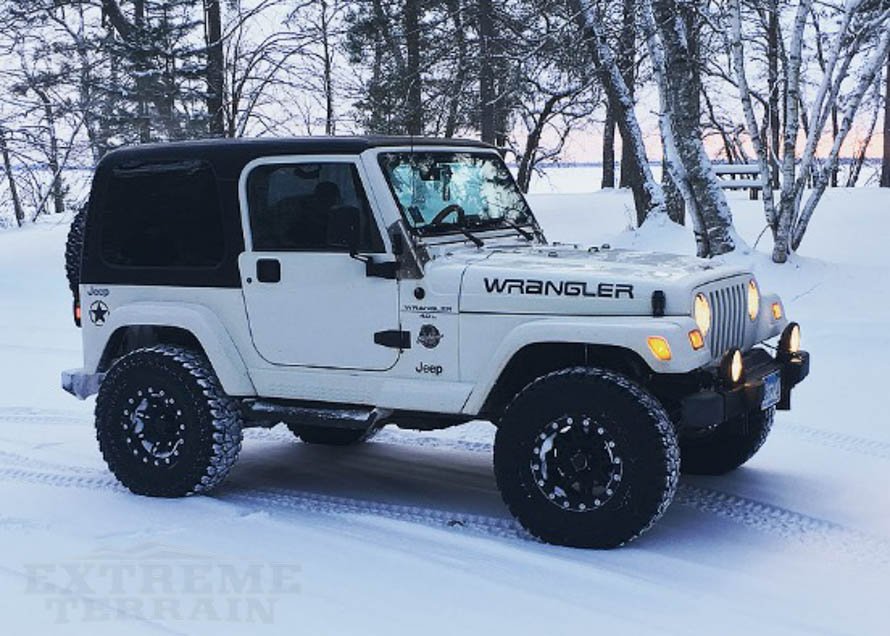
Key Tire Specifications Explained
When looking at off-road tires, you’ll see a lot of numbers and letters. Understanding these is crucial for selecting the correct size and type for your Jeep.
Tire Size
Tire sizes are usually written in a format like P285/70R17 or LT285/70R17. Let’s break this down:
- P (or LT): ‘P’ indicates a P-metric tire (standard passenger car tire construction). ‘LT’ indicates a Light Truck tire, which typically has a stronger construction and higher load rating, making it more suitable for heavier off-roading and towing.
- 285: This is the tire width in millimeters. So, 285mm wide.
- 70: This is the aspect ratio. It’s the tire’s sidewall height as a percentage of its width. So, 70 means the sidewall height is 70% of 285mm. A lower number means a shorter sidewall (more aggressive look, potentially better on-road handling), and a higher number means a taller sidewall (more sidewall flex off-road, potentially more comfortable).
- R: This signifies Radial construction, which is standard for most modern tires.
- 17: This is the wheel diameter in inches. The tire will only fit wheels of this size.
Pro Tip: When increasing tire size, ensure your Jeep’s suspension and gearing can handle the change. Larger tires can put more strain on your drivetrain and affect speedometer accuracy.
Load Index And Speed Rating
- Load Index: This is a numerical code that indicates the maximum weight each tire can support. LT tires often have higher load indexes. Ensure the chosen tires meet or exceed your Jeep’s requirements.
- Speed Rating: This letter indicates the maximum speed the tire can safely sustain. For off-roading, this is less critical than traction and durability, but it’s good to be aware of.
Ply Rating And Load Range
For LT (Light Truck) tires, you’ll often see Ply Rating (e.g., 10-ply) or Load Range (e.g., C, D, E). These indicate the tire’s strength and load-carrying capacity. Higher numbers or letters generally mean a stronger tire, often with more robust sidewalls, which is beneficial for off-roading.
What To Consider When Buying Jeep Off-road Tires
Selecting the right tires involves more than just picking the most aggressive-looking tread. Several factors should guide your decision.
Your Primary Use Case
This is the most important factor. Be honest about how you’ll use your Jeep.
- Daily Driver with Weekend Warrior: If your Jeep is your daily commute vehicle and sees moderate off-road use (e.g., forest service roads, light trails), All-Terrain tires are likely your best bet. They offer a good compromise.
- Serious Off-Roader: If you spend most weekends tackling challenging trails, mud bogs, or rock crawling, Mud-Terrain tires or aggressive Hybrid tires will provide the necessary grip and durability.
- Overlanding/Expedition: For long trips with varied terrain, All-Terrain tires with robust sidewalls or specialized Expedition tires might be ideal. They need to be reliable and handle highway miles between destinations.
Tire Construction And Durability
Off-road tires take a beating. Look for features that enhance durability:
- Reinforced Sidewalls: This is critical. Sidewalls are the most vulnerable part of a tire when off-roading. Tires with thicker, multi-ply sidewalls (especially in LT tires) are much more resistant to cuts and punctures from rocks.
- Tough Rubber Compounds: Some tires use special rubber compounds that are more resistant to abrasion and cuts.
- Aggressive Tread Design: While primarily for traction, deep, widely spaced lugs can also help shed mud and rocks, reducing the chance of punctures.
On-road Comfort And Noise
If you drive your Jeep a lot on paved roads, tire noise and ride comfort are significant considerations.
- Noise: Aggressive off-road tires, especially MTs, can be very noisy at highway speeds. This noise can be tiring on long drives.
- Ride Quality: Stiffer sidewalls and aggressive tread patterns can lead to a harsher ride on pavement.
- Fuel Economy: Larger, heavier off-road tires with aggressive treads can decrease your Jeep’s fuel efficiency.
Size Matters (and Fits)
- Stock vs. Modified: If your Jeep is stock, you’ll likely be limited to stock tire sizes or slightly larger ones that fit without modifications.
- Lift Kits and Modifications: If you plan to install a lift kit, fender flares, or re-gear your axles, you can fit larger tires. Larger tires offer better ground clearance off-road but require these modifications to prevent rubbing and maintain drivability.
- Rubbing: Always check if a larger tire will rub against your fenders, suspension components, or bodywork, especially when turning or flexing the suspension.
Budget
Off-road tires can be significantly more expensive than standard tires. Prices vary based on brand, size, and type.
Remember to factor in the cost of mounting and balancing, and potentially new wheels if you change bolt patterns or sizes drastically.

Popular Jeep Off-road Tire Brands And Models
Many reputable brands offer excellent off-road tires for Jeeps. Here are a few popular choices and what makes them stand out:
Bfgoodrich
A long-time favorite among off-roaders.
- All-Terrain T/A KO2: Arguably the benchmark for AT tires. Known for its durability, excellent traction on various surfaces, and good on-road manners. It’s a great all-around performer for daily driving and moderate trails.
- Mud-Terrain T/A KM3: A highly capable mud-terrain tire. It offers exceptional grip in mud and on rocks, with improved tread life and sidewall toughness over previous generations. It’s still noisy on the road, but it’s a top choice for serious mud enthusiasts.
Goodyear
Another major player with a strong lineup.
- Wrangler DuraTrac: Often considered a hybrid tire. It has an aggressive tread pattern that performs well in mud and rocks but is generally quieter and more comfortable on the road than many dedicated MT tires. It’s a very popular choice for Jeeps.
- Wrangler MT/R Kevlar: A more extreme mud-terrain tire known for its exceptional off-road traction, especially on rocks, thanks to its Kevlar-reinforced sidewalls and unique tread design. It is, however, quite noisy and less refined on pavement.
Falken
Known for offering good performance at a competitive price.
- Wildpeak A/T3W: A highly regarded all-terrain tire that excels in wet conditions and offers good off-road capability. It balances on-road comfort with off-road prowess effectively.
- Wildpeak M/T: A capable mud-terrain tire that provides aggressive looks and performance for challenging terrains. It aims to offer better on-road manners than some competitors in the MT category.
Toyo Tires
Offers robust tires for demanding applications.
- Open Country A/T III: A strong contender in the AT category, offering excellent traction in various conditions, including snow, and good durability.
- Open Country M/T: A popular mud-terrain tire known for its aggressive tread, strong construction, and impressive off-road performance. It’s a solid choice for those who need serious mud grip.
Tire Maintenance For Off-road Durability
Proper maintenance can significantly extend the life and performance of your off-road tires.
Tire Pressure
- On-Road: Maintain recommended pressures for optimal on-road handling, fuel economy, and tire wear. Check your Jeep’s doorjamb sticker for these values.
- Off-Road: Lowering tire pressure is crucial for off-roading. It increases the tire’s contact patch, providing more grip and a smoother ride over rough terrain. For light trails and gravel, dropping to 20-25 PSI is common. For serious rock crawling or deep sand, you might go as low as 10-15 PSI (or even lower with specialized equipment like beadlocks).
Warning: Never drive at high speeds with significantly lowered tire pressure, as it can lead to tire damage, loss of control, and potential de-beading (the tire coming off the wheel). Always reinflate tires before returning to paved roads.
Rotation
Regular tire rotation (every 5,000-7,000 miles) helps ensure even wear, especially with aggressive off-road treads. This is vital because off-road tires can wear unevenly due to varied terrain and driving styles.
Alignment And Balancing
Proper wheel alignment and balancing are essential. Off-roading can knock your alignment out of whack, leading to uneven wear and poor handling.
Balancing ensures a smooth ride and prevents premature wear on suspension components.
Cleaning
After off-roading, especially in mud, clean your tires thoroughly. Mud and debris can harden, potentially causing damage or affecting balance.
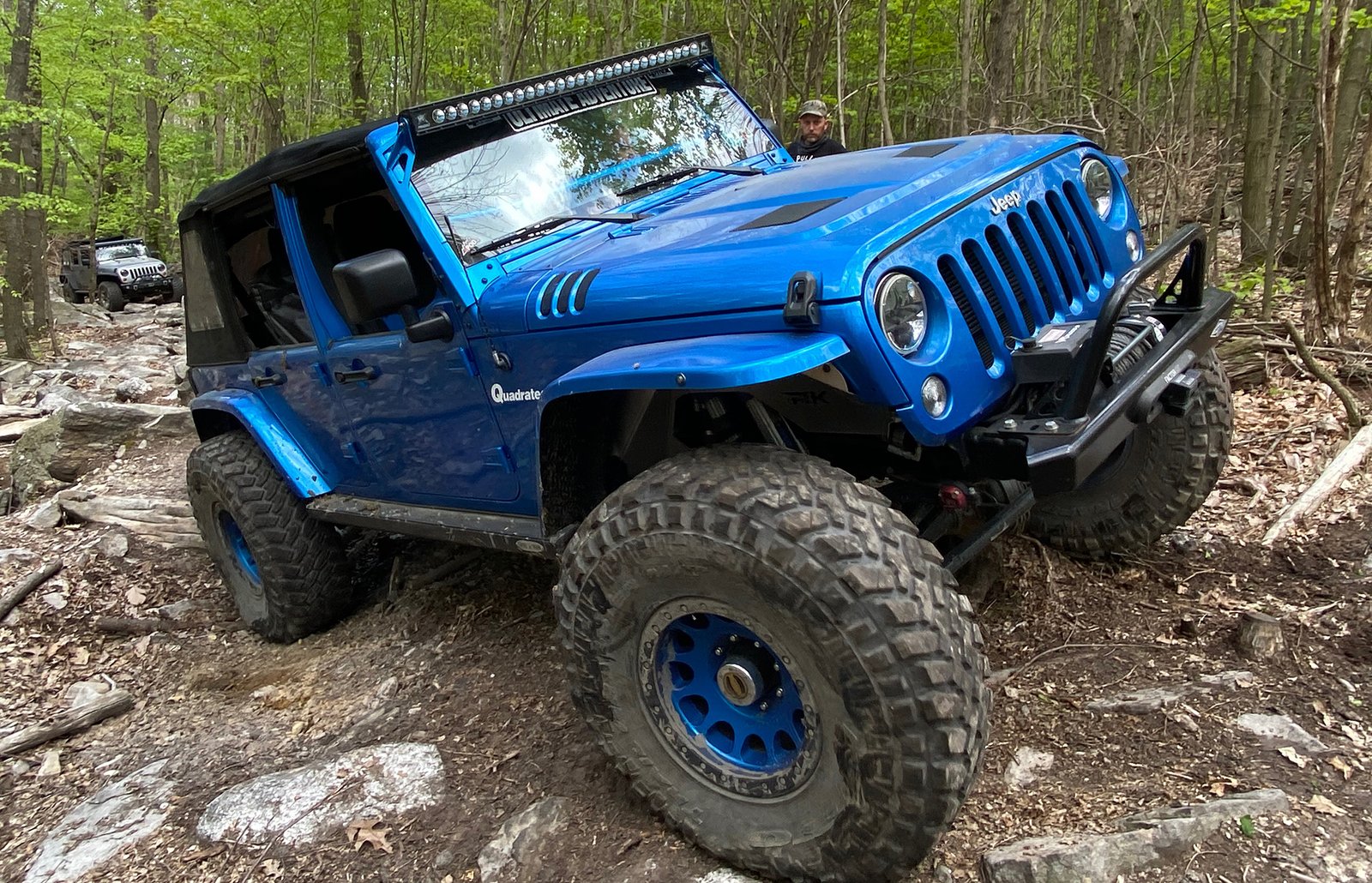
Common Mistakes To Avoid
Many Jeep owners make mistakes when choosing or using off-road tires. Being aware of these can save you hassle and money.
- Buying the Most Aggressive Tire: Not everyone needs mud-terrain tires. If you mostly drive on pavement and light trails, aggressive MT tires will be noisy, uncomfortable, and inefficient. Choose a tire that matches your actual needs.
- Ignoring Sidewall Strength: For serious off-roading, sidewall durability is paramount. Choosing a tire with a weak sidewall is an invitation for a flat tire on the trail. Look for LT tires with higher load ranges or tires specifically designed with reinforced sidewalls.
- Not Considering Tire Size Limits: Putting on tires that are too large for your stock suspension will lead to rubbing. This can damage your fenders, tires, and suspension components, and it makes off-roading difficult. Always check clearance requirements.
- Forgetting About Gearing: Larger tires require more torque to turn. If you significantly increase tire size (e.g., from 32 inches to 37 inches) without re-gearing your axles, your Jeep will feel sluggish, your fuel economy will plummet, and you’ll put excessive strain on your drivetrain.
- Neglecting Tire Pressure Adjustment: Driving on the highway with low off-road pressures is dangerous. Conversely, never take



















