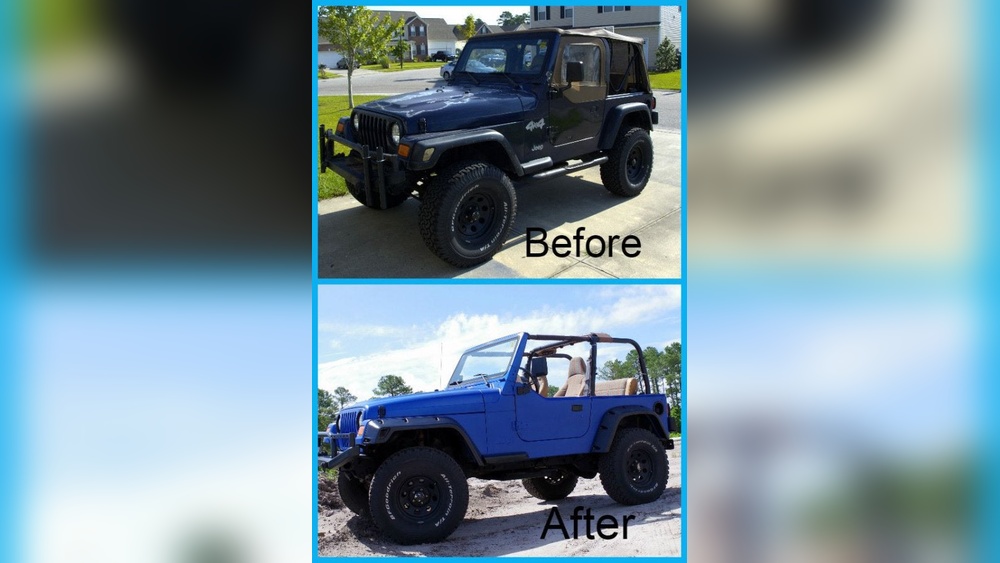
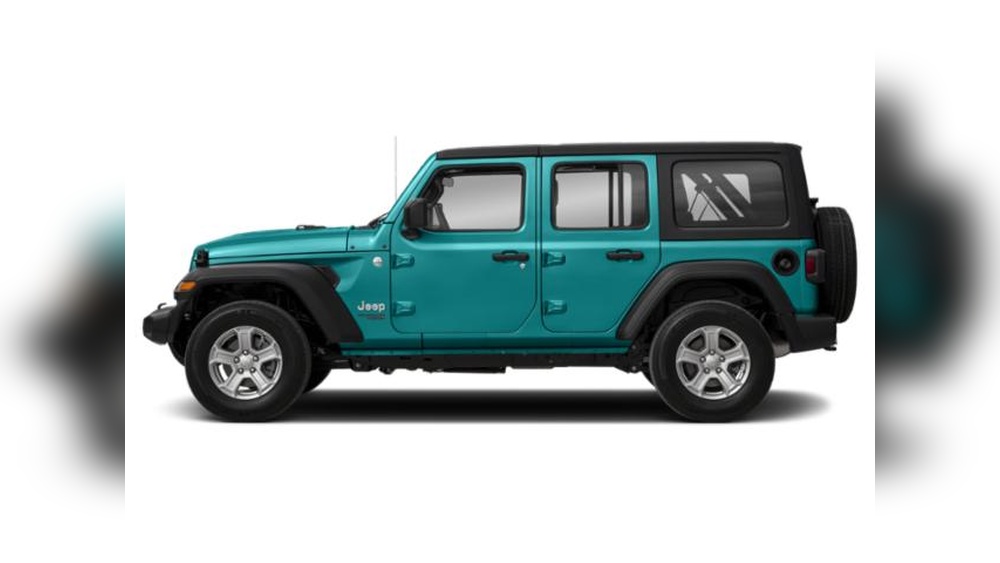
Jeep vehicles are known for their rugged capability and off-road prowess. From the iconic Wrangler to the family-friendly Grand Cherokee, Jeeps are built to handle tough terrain and adventurous journeys.
However, like any complex machine, Jeeps can experience mechanical issues. Understanding these common problems can help owners prepare for potential repairs, perform timely maintenance, and keep their Jeep running smoothly for years to come.
This guide will explore some of the most frequent mechanical issues Jeep owners might encounter, offering insights into their causes, symptoms, and potential solutions.
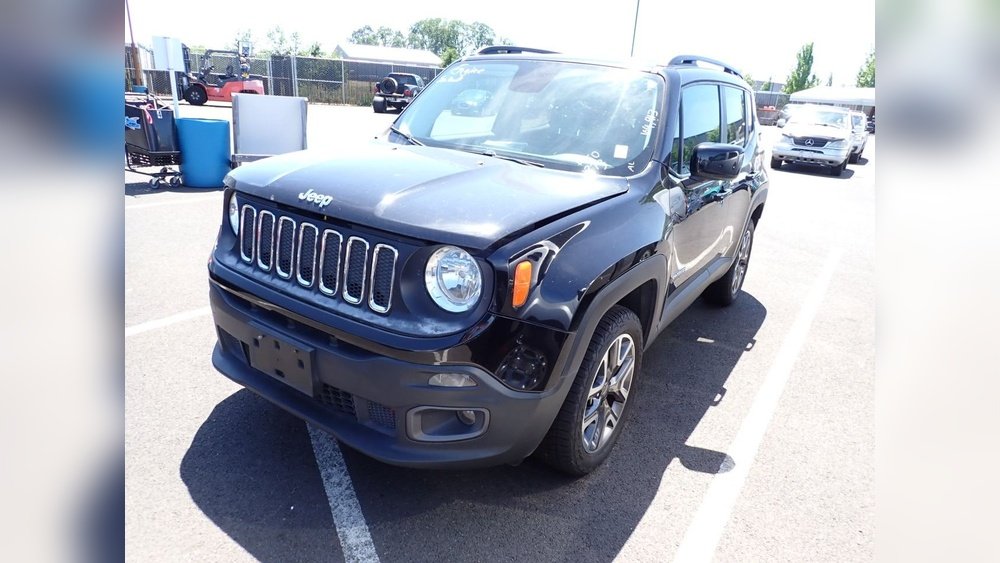
Common Jeep Mechanical Issues And Solutions
Jeep's reputation for durability doesn't mean they are immune to problems. Many issues stem from the very nature of their design, built for off-roading means components are often under more stress than in a standard passenger car.
Regular maintenance is key, but even with diligent care, certain parts can wear out or fail.
Engine Problems
The engine is the heart of any vehicle, and Jeeps are no exception. While Jeep engines are generally robust, several issues can arise.
Overheating
Overheating is a serious problem that can lead to significant engine damage if not addressed promptly.
- Causes: Low coolant levels, a faulty thermostat, a clogged radiator, a bad water pump, or a leaking hose are common culprits. In older models, the radiator fan might also fail.
- Symptoms: The temperature gauge rising into the red zone, steam coming from under the hood, a sweet smell (from leaking coolant), and reduced engine power.
- Solutions: Check coolant levels and top up if necessary. Inspect hoses for leaks or damage. If the issue persists, a mechanic will need to diagnose the thermostat, water pump, or radiator. Regular coolant flushes are recommended to prevent buildup.
Oil Leaks
Oil leaks can range from minor annoyances to serious threats to engine health.
- Causes: Worn valve cover gaskets, oil pan gaskets, or seals are frequent sources of leaks. Sometimes, a cracked oil pan or a loose oil filter can also be the cause.
- Symptoms: Visible oil puddles under the vehicle, a burning oil smell, and a low oil pressure warning light.
- Solutions: Identify the exact source of the leak. Gaskets and seals can be replaced. If the oil pan is cracked, it will need to be repaired or replaced. Always use the correct type of oil recommended by Jeep.
Spark Plug And Ignition Coil Issues
Problems with spark plugs or ignition coils can affect engine performance.
- Causes: Worn-out spark plugs, faulty ignition coils, or damaged spark plug wires can lead to misfires.
- Symptoms: Rough idling, engine sputtering, reduced acceleration, and the check engine light illuminating.
- Solutions: Inspect and replace spark plugs and wires as part of routine maintenance. If an ignition coil is faulty, it will need to be replaced.
Transmission And Drivetrain Issues
The transmission and drivetrain are crucial for transferring power to the wheels, especially for off-road driving.
Transmission Fluid Leaks
Similar to engine oil, transmission fluid leaks can cause serious problems.
- Causes: Worn transmission seals, a damaged transmission pan, or a loose transmission fluid filter can lead to leaks.
- Symptoms: Reddish or brownish fluid leaks under the vehicle, difficulty shifting gears, slipping gears, and a burning smell.
- Solutions: Check transmission fluid levels and condition. If leaks are present, the seals or pan may need replacement. A mechanic should inspect the transmission if shifting problems occur.
Transfer Case Problems
The transfer case is vital for engaging 4WD. Issues here can leave you stuck in 2WD.
- Causes: Low transfer case fluid, worn internal components, or damage from hard off-roading.
- Symptoms: Grinding noises when engaging 4WD, difficulty shifting between 2WD and 4WD, or a clunking sound from the undercarriage.
- Solutions: Ensure the transfer case fluid is at the correct level and is clean. For internal issues, professional repair is usually necessary.
Driveshaft And U-joint Issues
The driveshaft connects the transmission to the differential, and U-joints allow for movement.
- Causes: Wear and tear from mileage and off-roading, lack of lubrication, or damage from impacts.
- Symptoms: Vibrations felt through the vehicle, especially at certain speeds, clunking noises when accelerating or decelerating, and a squeaking or creaking sound from under the vehicle.
- Solutions: Regular lubrication of U-joints is important. If worn, they need to be replaced. Driveshaft balancing or repair might be needed for persistent vibrations.
Suspension And Steering Issues
A robust suspension and precise steering are hallmarks of a Jeep, but these systems can also develop faults.
Worn Ball Joints
Ball joints connect the control arms to the steering knuckles, allowing for steering and suspension movement.
- Causes: Constant stress from driving, especially off-road, can wear them out.
- Symptoms: Clunking or knocking sounds when turning or going over bumps, loose steering, and uneven tire wear.
- Solutions: Ball joints are wear items and need to be replaced when they become loose or worn. This is a critical safety component.
Steering Gearbox Problems
The steering gearbox translates steering wheel input into movement of the wheels.
- Causes: Leaks from seals, internal wear, or damage from impacts.
- Symptoms: Loose steering, excessive play in the steering wheel, difficulty holding a straight line, and fluid leaks under the front of the vehicle.
- Solutions: Check power steering fluid levels. Leaks often require seal replacement. If the gearbox is severely worn, it will need to be rebuilt or replaced.
Leaking Shocks Or Struts
Shocks and struts dampen suspension movement, providing a smoother ride and better control.
- Causes: Age, mileage, and exposure to harsh conditions can cause them to wear out or leak.
- Symptoms: A bouncy ride, excessive body roll when cornering, nose-diving during braking, and visible fluid leaks on the shock/strut body.
- Solutions: Replace worn or leaking shocks and struts in pairs to maintain balanced handling.
Braking System Issues
Reliable brakes are essential for safety, especially in a vehicle that can handle varied terrain.
Worn Brake Pads And Rotors
This is a common wear-and-tear item for all vehicles.
- Causes: Normal use, but aggressive driving or off-roading can accelerate wear.
- Symptoms: Squealing or grinding noises when braking, a spongy brake pedal, and longer stopping distances.
- Solutions: Regular inspection and replacement of brake pads and rotors are part of routine maintenance.
Brake Fluid Leaks
Leaks in the brake system can compromise braking performance.
- Causes: Damaged brake lines, worn seals in calipers or wheel cylinders, or a faulty master cylinder.
- Symptoms: Soft or spongy brake pedal, the brake warning light illuminating, and visible fluid leaks.
- Solutions: Any brake fluid leak is a serious safety concern and requires immediate professional attention. Lines, seals, or the master cylinder will need repair or replacement.
Electrical System Problems
Modern Jeeps have complex electrical systems that can sometimes be a source of frustration.
Battery Issues
A weak or failing battery can cause a range of problems.
- Causes: Age, extreme temperatures, or a faulty charging system (alternator).
- Symptoms: Slow engine crank, dim headlights, warning lights on the dashboard, and the vehicle not starting at all.
- Solutions: Test the battery and charging system. Replace the battery if it’s old or failing. Ensure battery terminals are clean and connections are secure.
Alternator Failure
The alternator charges the battery and powers the electrical system when the engine is running.
- Causes: Internal component failure due to age or wear.
- Symptoms: Dimming headlights, battery warning light, whining noise from the engine bay, and electrical accessories malfunctioning.
- Solutions: An alternator needs to be replaced by a qualified mechanic.
Sensor Failures
Jeeps, like all modern cars, rely on numerous sensors for engine management, emissions, and other functions.
- Causes: Heat, vibration, or age can cause sensors to fail.
- Symptoms: Check engine light, poor engine performance, reduced fuel economy, and rough idling.
- Solutions: A diagnostic scan will identify the faulty sensor, which then needs to be replaced.
Cooling System Issues
Beyond overheating, other cooling system problems can occur.
Radiator Fan Malfunction
The radiator fan pulls air through the radiator, especially at low speeds or when stationary.
- Causes: Electrical issues (fuse, relay, motor) or mechanical failure of the fan itself.
- Symptoms: Engine overheating, especially in stop-and-go traffic or at idle.
- Solutions: Check fuses and relays. If the fan motor or blades are damaged, replacement is necessary.
Thermostat Failure
The thermostat regulates engine temperature by controlling coolant flow.
- Causes: Corrosion or mechanical failure.
- Symptoms: Engine takes too long to warm up, overheating, or poor heater performance.
- Solutions: Replace the thermostat. It’s a relatively inexpensive part that can prevent major engine damage.
Understanding Common Jeep Models And Their Specific Issues
While many mechanical issues are common across all vehicles, some Jeep models have developed reputations for specific problems. This doesn’t mean every vehicle of that model will experience them, but they are worth noting.
Jeep Wrangler (jk & Jl Generations)
The JK (2007-2018) and JL (2018-present) Wranglers are popular for their off-road capabilities.
- Death Wobble: This is a well-known phenomenon in Wranglers, characterized by violent shaking of the steering wheel and front end, usually after hitting a bump at speed. It’s often caused by worn steering and suspension components like track bars, ball joints, and tie rod ends, exacerbated by larger tires.
- Oil Filter Housing Leaks: Some JK models are known for leaks from the oil filter housing, which can lead to oil loss and potential engine damage if not caught.
- Wrangler JL Pentastar V6 Issues: Early JL models with the 3.6L Pentastar engine experienced some issues with the eTorque system, and some owners reported oil filter housing leaks similar to the JK.
Jeep Grand Cherokee
The Grand Cherokee is Jeep’s luxury SUV, offering comfort and capability.
- Air Suspension Problems (Quadra-Lift): Models equipped with the optional Quadra-Lift air suspension system can experience leaks in the air springs, compressor failures, or sensor issues, leading to the vehicle sagging or riding unevenly.
- Transmission Issues (545RFE/W5A580): Older Grand Cherokees with certain transmissions have sometimes reported issues with hard shifting, slipping gears, or complete transmission failure, often related to solenoids or valve body problems.
- Electronic Shifter Malfunctions: Some models with the electronic rotary shifter have experienced failures, preventing the vehicle from being shifted out of park.
Jeep Cherokee (kl Generation)
The KL Cherokee (2014-2026) is a crossover SUV with Jeep’s styling and some off-road capability.
- 9-Speed Transmission Problems: The ZF 9-speed automatic transmission in the KL Cherokee has been a source of complaints, including harsh shifting, hesitation, and occasional transmission failure. Software updates have sometimes helped, but mechanical issues can still arise.
- Cooling Fan Issues: Some owners have reported problems with the radiator cooling fans failing prematurely, leading to overheating.
- Water Pump Leaks: Similar to other Jeep models, water pump leaks can occur.
Jeep Compass And Patriot
These smaller SUVs share platforms and some common issues.
- CVT Transmission Issues: Models equipped with the Continuously Variable Transmission (CVT) have sometimes experienced overheating, slipping, and premature failure.
- Oil Cooler Leaks: Leaks from the engine oil cooler and its seals are a recurring issue.
- Suspension Noises: Worn control arm bushings or strut mounts can lead to clunking or rattling sounds.

Maintenance Is Key: Preventing Common Jeep Issues
The best way to deal with mechanical issues is to prevent them. A proactive approach to vehicle maintenance can save you significant money and headaches down the road.
Regular Oil Changes
This is fundamental. Dirty or low oil can cause severe engine damage. Follow Jeep’s recommended oil change intervals, or change it more frequently if you drive in harsh conditions. Use the correct oil viscosity and type.
Fluid Checks And Flushes
Regularly check and maintain all vehicle fluids: coolant, brake fluid, power steering fluid, and transmission fluid. Follow your owner’s manual for recommended fluid flush intervals. Old, contaminated fluid can lead to component failure.
Tire Rotation And Balancing
This ensures even tire wear, which extends tire life and can prevent suspension and steering issues caused by uneven loads. It also improves fuel economy and ride comfort.
Inspecting Belts And Hoses
The serpentine belt drives many accessories. Cracks or wear can lead to belt failure, leaving you stranded. Hoses can degrade over time, leading to coolant leaks and overheating. Inspect them regularly for cracks, swelling, or stiffness.
Brake Inspections
Have your brakes inspected at every oil change. Worn pads, rotors, or leaks in the system can compromise safety.
Battery And Charging System Checks
Ensure your battery terminals are clean and connections are tight. Have the battery and alternator tested periodically, especially before extreme weather.
When To Seek Professional Help
While some minor maintenance can be done at home, many Jeep mechanical issues require specialized tools and expertise.
- Complex Engine or Transmission Repairs: These systems are intricate. If you’re not experienced, it’s best to leave these to professionals.
- Brake System Repairs: Brake work is critical for safety. Unless you are highly confident, consult a mechanic.
- Suspension and Steering: While some simple tasks like replacing a sway bar link can be DIY, issues like ball joints or steering gearbox problems require precision and safety checks.
- Electrical Diagnosis: Modern vehicles have complex wiring harnesses and modules. Diagnosing electrical gremlins can be challenging without the right equipment.
Pro Tip: Keep A Maintenance Log
Documenting all your maintenance and repairs can help you track issues, identify recurring problems, and even