Embarking on a long drive in a Jeep can be an exhilarating experience, promising adventure and the freedom to explore off the beaten path. However, for many, the word "Jeep" conjures images of rugged capability rather than plush comfort.
While Jeeps are undeniably built for toughness, modern models have significantly evolved, offering a surprisingly comfortable ride for extended journeys. The key lies in understanding what contributes to long drive comfort in a Jeep and how to optimize your vehicle for those miles.
This isn't just about the seats; it's a holistic approach involving vehicle setup, personal preparation, and smart driving habits.
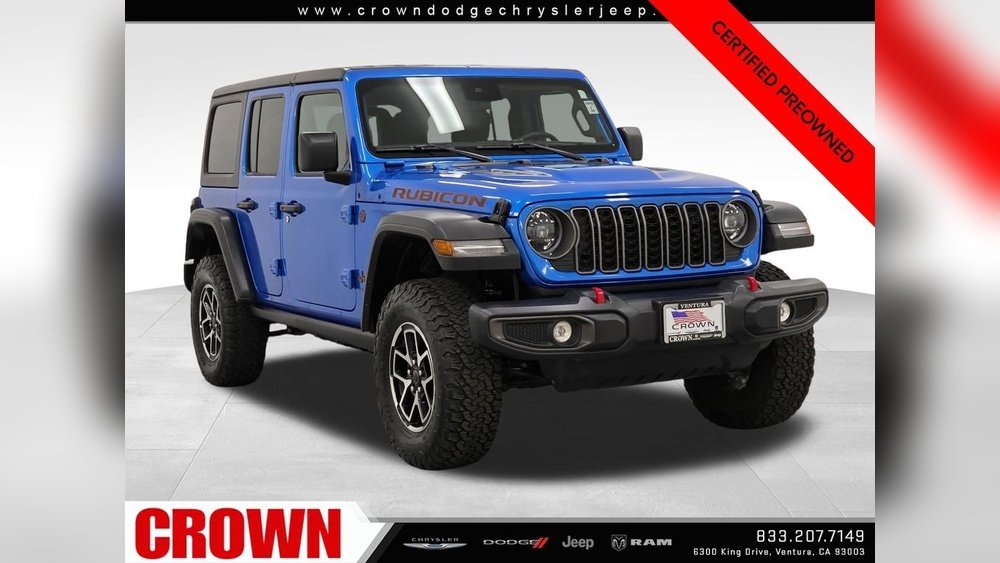
Many drivers assume that if you want comfort, you need a luxury sedan or a minivan. This is a common misconception. While their primary design goals differ, a well-equipped Jeep can rival many other vehicles for long-distance travel. Think about the sheer space and the feeling of security a Jeep provides. When you’re prepared, these characteristics become assets, not drawbacks. This article will guide you through making your Jeep a comfortable companion for any road trip, covering everything from tire pressure to entertainment systems. We’ll explore how to enhance the Jeep driving experience for passengers and drivers alike, ensuring your adventures are as enjoyable as the destination.
Understanding Jeep’s Comfort Evolution
Jeep's reputation for off-road prowess is well-earned. For decades, their focus was on durability and capability, often at the expense of on-road refinement.
Early models were known for stiff rides, noisy cabins, and basic interiors. However, as the automotive market shifted and consumer expectations grew, Jeep began to integrate more comfort-oriented features.
Newer generations of models like the Grand Cherokee, Wagoneer, and even the Wrangler have seen significant advancements.
These improvements include more sophisticated suspension systems designed to absorb road imperfections better, enhanced sound deadening to reduce cabin noise, and more ergonomically designed seats with better support and adjustability. The materials used in the interiors have also become more premium, contributing to a more pleasant environment. For instance, the Jeep Grand Cherokee has consistently been praised for its comfortable ride quality, often rivaling luxury SUVs. Even the iconic Wrangler, while still prioritizing off-road performance, has seen substantial upgrades in its interior comfort and on-road manners over the years. This evolution means that a modern Jeep, especially in its higher trim levels, is far more capable of providing a comfortable long drive than its ancestors.
Optimizing Your Jeep For Long Drives
Making your Jeep road-trip ready involves more than just packing your bags. Several adjustments and considerations can dramatically improve your comfort over many hours behind the wheel.
Tire Pressure And Selection
Tires are your primary connection to the road, and their condition significantly impacts ride comfort. Proper tire pressure is crucial. Underinflated tires can lead to a mushy ride and reduced fuel efficiency, while overinflated tires transmit more road shock and can cause a harsh, bouncy feel. Always check your owner’s manual or the sticker on your driver’s side doorjamb for the recommended tire pressure for your specific Jeep model. For long highway drives, slightly adjusting the pressure might be considered, but always stay within the manufacturer’s recommended range.
Beyond pressure, the type of tires you choose matters. While aggressive all-terrain tires are great for off-roading, they can be noisier and less comfortable on pavement. For a vehicle primarily used for long drives with occasional off-road excursions, a good set of all-season tires or highway tires will offer a quieter and smoother ride. Many tire manufacturers offer tires specifically designed for a balance of on-road comfort and off-road capability.
Suspension And Shocks
The suspension system is what absorbs bumps and keeps your tires in contact with the road. While you can’t easily change the entire suspension for a long drive, ensuring your existing shocks and struts are in good condition is vital. Worn-out shocks can lead to a jarring ride, excessive bouncing, and poor handling. If your Jeep feels particularly floaty or transmits every little imperfection in the road, it might be time to have your suspension components inspected. Some aftermarket suspension upgrades can also improve on-road comfort, though this is a more significant modification.
Cabin Noise Reduction
Road noise can be a major contributor to fatigue on long drives. Jeep cabins, especially in models like the Wrangler with removable tops and doors, can be prone to wind and road noise. Several strategies can help:
- Sound Deadening Materials: Applying sound-deadening mats to the floor, doors, and firewall can significantly reduce noise intrusion.
- Weatherstripping: Ensure all door and window seals are in good condition. Worn-out seals allow noise and drafts to enter the cabin.
- Aftermarket Tops/Soft Tops: For Wranglers, consider investing in a high-quality, well-insulated soft top or a hardtop that seals better than the standard options.
- All-Season Tires: As mentioned, these are generally quieter than aggressive off-road tires.
Seat Comfort And Support
The seats in your Jeep are where you’ll spend most of your time. For long drives, ergonomic seat design is paramount. Look for seats with:
- Adjustability: Multiple adjustment points, including lumbar support, are essential to find a comfortable driving position.
- Padding: Sufficient padding prevents pressure points from developing on long journeys.
- Material: While leather can feel luxurious, breathable cloth seats can sometimes be more comfortable by reducing heat buildup.
If your Jeep’s seats are lacking, consider seat cushions or lumbar support pillows. These can provide extra padding and support, especially for your lower back.

Essential Gear For A Comfortable Jeep Journey
Beyond the vehicle itself, the right gear can make a world of difference in your long-drive comfort. These are items that enhance the passenger experience and make the journey more enjoyable.
Climate Control And Air Quality
Staying comfortable temperature-wise is key. Ensure your Jeep’s air conditioning and heating systems are functioning optimally. For very long drives, especially in varying climates, consider:
- Seat Covers with Ventilation: Some aftermarket seat covers offer built-in ventilation or heating, which can be a lifesaver on hot or cold days.
- Cabin Air Filter: A clean cabin air filter ensures that the air circulating in your Jeep is fresh and free of dust and allergens. Replacing it regularly is a simple maintenance task that greatly impacts air quality.
Entertainment And Connectivity
Long drives can become monotonous without good entertainment. Modern Jeeps come with advanced infotainment systems, but you can enhance this:
- Premium Sound System: If your Jeep doesn’t have one, consider aftermarket speaker upgrades.
- Device Mounts: Secure mounts for phones and tablets are essential for navigation and entertainment.
- Charging Ports: Ensure you have enough USB ports or a reliable power inverter for all your devices.
- Portable Wi-Fi Hotspot: For areas with poor cell service, a hotspot can keep everyone connected.
Storage And Organization
A cluttered car is an uncomfortable car. Efficient storage solutions prevent items from becoming hazards or distractions.
- Cargo Organizers: Use organizers for the trunk or cargo area to keep essentials tidy.
- Seatback Pockets: These are great for passengers to store books, snacks, and electronics.
- Center Console: Maximize the use of your center console for frequently accessed items.
Comfort Accessories
These are small items that can have a big impact:
- Neck Pillows: Essential for passengers to sleep comfortably.
- Blankets: Even in warm weather, temperatures can drop at night or in mountainous regions.
- Sunshades: For windows, especially for passengers in the back, to reduce glare and heat.
- Travel Mugs/Cooler: Keeping drinks and snacks accessible and at the right temperature is a small luxury that adds significant comfort.
Driving Techniques For Enhanced Comfort
How you drive your Jeep also plays a role in comfort. Smooth driving minimizes jarring movements and reduces passenger fatigue.
Smooth Acceleration And Braking
Avoid sudden starts and stops. Gradual acceleration allows the suspension to settle and prevents passengers from being thrown forward. Similarly, smooth braking reduces jerky movements. Anticipate traffic flow and light changes to brake gently and early. This not only improves comfort but also saves fuel and reduces wear on your vehicle.
Steering And Lane Changes
Make smooth steering inputs. Quick, jerky movements can unsettle the vehicle and make passengers feel uneasy. When changing lanes, check your blind spots thoroughly and execute the maneuver deliberately rather than abruptly. Jeeps, especially larger models like the Grand Cherokee or Wagoneer, have a higher center of gravity, so smooth inputs are even more important for stability and comfort.
Managing Road Imperfections
Even with good tires and suspension, some road imperfections are unavoidable. Learn to anticipate them:
- Potholes: Whenever possible, steer around them. If unavoidable, slow down significantly and approach them as straight-on as possible to minimize side impact.
- Speed Bumps: Reduce speed considerably before hitting them.
- Uneven Surfaces: Maintain a steady, moderate speed. Trying to speed through rough patches often leads to a more uncomfortable ride.
Taking Breaks
This is perhaps the most crucial driving technique for long-drive comfort. Regular breaks are essential for both the driver and passengers. Aim to stop every two to three hours. Get out, stretch your legs, walk around, and rehydrate. This helps prevent stiffness, fatigue, and improves overall alertness.
Vehicle Maintenance For Road Trip Readiness
Before you even think about packing, ensuring your Jeep is in top mechanical shape is non-negotiable for comfort and safety on a long drive.
Fluid Levels
Check all essential fluid levels:
- Engine Oil: Crucial for engine performance and longevity.
- Coolant: Prevents overheating, especially important in demanding driving conditions.
- Brake Fluid: Essential for safe stopping.
- Power Steering Fluid: Ensures smooth steering.
- Windshield Washer Fluid: For maintaining visibility.
Low fluid levels can lead to performance issues that translate into a less comfortable or even unsafe driving experience.
Brakes
Worn brake pads and rotors can lead to squealing noises and reduced braking effectiveness, which can be unsettling on a long trip. Have them inspected and serviced if necessary.
Wipers And Lights
Ensure your windshield wipers are in good condition for clear visibility in rain. Check that all your lights, headlights, taillights, brake lights, and turn signals, are working correctly. This is vital for safety, especially if you encounter driving in low light or adverse weather conditions.
Battery Check
A weak battery can leave you stranded. Have it tested, especially if it's more than three years old.
A reliable battery ensures all your vehicle's electrical systems, including entertainment and navigation, function without interruption.
Jeep-specific Considerations
While many comfort tips apply to any vehicle, Jeeps have unique characteristics that warrant special attention.
Wrangler Removable Panels
The ability to remove doors and roof panels is a hallmark of the Jeep Wrangler. While fantastic for off-roading and scenic drives, it significantly impacts on-road comfort, particularly noise levels and weather protection. For long highway stretches, ensure all panels are securely reinstalled and sealed properly. If you frequently drive long distances with the intention of removing panels, consider aftermarket accessories like molded hardtops or premium soft tops that offer better insulation and sealing.
Off-road Vs. On-road Tires
Many Jeep owners opt for aggressive off-road tires. While they provide excellent grip on trails, they are often louder and provide a harsher ride on paved roads. If long drives are a priority, consider having a second set of tires for highway use, perhaps a good set of all-season tires. The difference in noise and ride comfort can be dramatic.
Suspension Lift Kits
While a suspension lift kit increases ground clearance for off-roading, it can also alter the vehicle’s on-road handling and ride quality. Some lifts can make the ride stiffer or introduce new vibrations. If comfort is a priority, choose lift kits known for maintaining or even improving on-road manners, or consult with suspension specialists.
Towing Capacity And Load
If you plan to tow a trailer or carry a heavy load, remember that this will affect your Jeep's handling and ride comfort. Ensure your suspension is up to the task, and adjust your driving style accordingly.
Overloading can lead to a sagging rear end, reduced braking performance, and a less stable ride.
Long Drive Comfort Comparison: Jeep Vs. Other Suvs
When considering a Jeep for long drives, it’s helpful to compare it to other vehicles in the SUV segment. This comparison isn’t about which is “better” overall, but which might suit specific needs for comfort.
| Feature | Jeep Wrangler (Example) | Standard SUV (e.g., Toyota Highlander) | Luxury SUV (e.g., Lexus RX) |
|---|---|---|---|
| **On-Road Ride** | Can be stiff, especially with off-road tires/suspension | Generally smooth and composed | Very smooth, refined, and quiet |
| **Cabin Noise** | Higher, especially with soft tops or removable panels | Moderate, well-insulated | Very low, excellent sound deadening |
| **Seat Comfort** | Functional, improved in newer models | Good support and cushioning | Excellent, often with premium materials and more adjustments |
| **Infotainment** | Modern systems, improved over generations | User-friendly, reliable | Advanced, intuitive, premium features |
| **Off-Road Capability** | Exceptional | Limited to moderate | Minimal to none |
| **Overall Comfort** | Good for its class, but less refined than others | High | Very High |
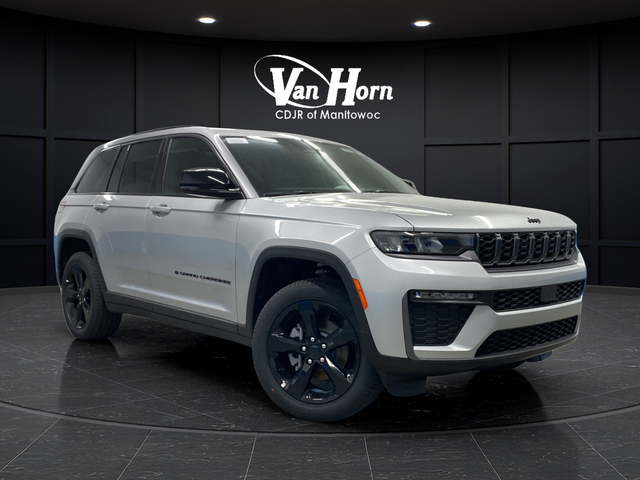
As you can see, if maximum on-road comfort and quietness are your absolute top priorities, a dedicated luxury SUV might offer a more serene experience. However, for those who value capability and adventure alongside comfort, modern Jeeps like the Grand Cherokee or even a well-appointed Wrangler can provide a very satisfying long-drive experience. The key is understanding the trade-offs and choosing the model and configuration that best suits your needs. For instance, a Jeep Grand Cherokee L offers three rows of seating and a focus on passenger comfort, making it a strong contender for families on long road trips.
Pro Tip: The Power Of Planning Your Route
Don’t underestimate the impact of your route on comfort. Planning your journey to avoid notoriously bad roads, minimize stop-and-go traffic, and include scenic detours can make a significant difference. Using navigation apps that show real-time traffic and road conditions can help you make on-the-fly adjustments. Sometimes, a slightly longer route on a smoother highway is far more comfortable than a shorter route on a poorly maintained road.



















