Jeep vehicles are known for their ruggedness, off-road capability, and iconic style. However, when it comes to highway mileage, many drivers wonder how these capable machines perform on long stretches of asphalt.
Unlike compact cars designed purely for fuel economy, Jeeps often prioritize power, durability, and versatility. This can sometimes mean a compromise in miles per gallon (MPG) on the open road.
But understanding the factors that influence a Jeep's highway mileage, and knowing how to optimize them, can make a significant difference.

This guide will explore what you can expect from Jeep highway MPG, what affects it, and practical ways to improve it, ensuring your adventures don't come with an excessive fuel bill.
What To Expect: Jeep Highway Mpg Realities
The mileage you get from a Jeep on the highway varies greatly depending on the specific model, engine, drivetrain, and even the tire size. Jeep offers a wide range of vehicles, from the compact Renegade and Compass to the legendary Wrangler and the larger Grand Cherokee and Wagoneer.
Each has a different aerodynamic profile and weight, impacting fuel consumption.
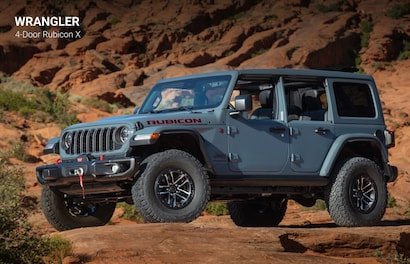
For instance, a two-wheel-drive Jeep Compass with a smaller engine might achieve highway MPG figures in the upper 20s or even low 30s. On the other hand, a powerful, four-wheel-drive Jeep Wrangler Rubicon with larger tires and a V8 engine will naturally consume more fuel, often landing in the mid-to-high teens for highway driving.
The Grand Cherokee and Wagoneer, being larger and heavier, typically fall somewhere in between, with many configurations achieving highway MPG in the low to mid-20s.
It’s crucial to look at the EPA estimated MPG ratings for the specific Jeep model and configuration you are interested in. These estimates provide a standardized benchmark, though real-world results can differ. Factors like driving habits, road conditions, and vehicle maintenance play a significant role. For example, a 2026 Jeep Grand Cherokee 4×4 with the standard V6 engine is officially rated at 19 MPG city and 26 MPG highway. However, consistent, smooth driving on flat terrain can sometimes push these numbers higher, while aggressive acceleration or driving into strong headwinds will lower them.
Key Factors Affecting Jeep Highway Mileage
Several elements contribute to how many miles your Jeep gets per gallon on the highway. Understanding these can help you identify areas where you might be losing efficiency.
Engine And Drivetrain
The engine size and type are primary drivers of fuel consumption. Larger, more powerful engines, especially V8s, generally use more fuel than smaller, more efficient four-cylinder or V6 engines. Jeep offers a variety of powertrains, including turbocharged four-cylinders, naturally aspirated V6s, and potent V8s.
The drivetrain also plays a critical role. Four-wheel-drive (4WD) systems, while excellent for off-roading and traction, add weight and mechanical drag compared to two-wheel-drive (2WD) systems. This extra drag means the engine has to work harder to maintain speed, thus consuming more fuel. Many Jeep models offer both 2WD and 4WD options, and choosing 2WD where appropriate can yield better highway mileage.
Aerodynamics
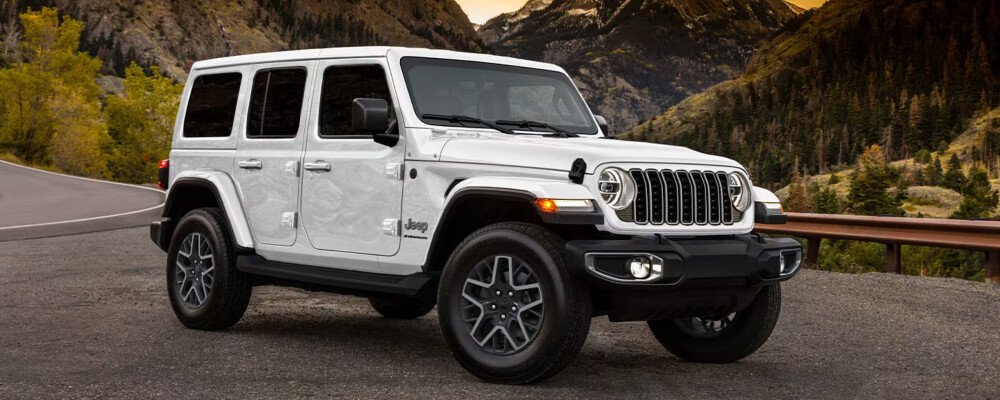
Jeep vehicles, particularly models like the Wrangler, are not renowned for their aerodynamic efficiency. Their boxy shapes and upright grilles are designed for function, providing good visibility, accommodating off-road suspension, and offering ample interior space, rather than slicing through the air. This increased aerodynamic drag at highway speeds forces the engine to work harder, burning more fuel to overcome the resistance. Even subtle changes, like adding aftermarket accessories such as roof racks or larger off-road tires, can further disrupt airflow and negatively impact MPG.
Weight
The weight of the vehicle is another significant factor. Heavier vehicles require more energy to accelerate and maintain speed. Jeeps, with their robust construction, often built on body-on-frame platforms (like the Wrangler) or featuring substantial chassis components for durability, tend to be heavier than many unibody crossovers. This added weight directly translates to lower fuel efficiency, especially during stop-and-go driving, but it still contributes to highway consumption by requiring more sustained engine effort.
Tire Type And Pressure
The tires on your Jeep have a surprisingly large impact on fuel economy.
- Tire Size: Larger, wider tires, often chosen for off-road aesthetics and performance, increase rolling resistance and weight, both of which hurt MPG.
- Tread Pattern: Aggressive, knobby off-road tires designed for mud and rocks create more friction with the road surface than all-season or highway tires.
- Tire Pressure: Underinflated tires create a larger contact patch with the road, increasing rolling resistance and fuel consumption. Maintaining proper tire pressure is one of the simplest and most effective ways to improve MPG.
Driving Habits
How you drive is paramount. Aggressive acceleration and hard braking are major fuel-wasters, even on the highway. Frequent speed changes, rapid acceleration to merge into traffic, and braking late will significantly reduce your MPG. Smooth, consistent driving is key to maximizing fuel efficiency.
Vehicle Maintenance
A well-maintained Jeep will always perform better and more efficiently.
- Engine Tune-ups: Ensuring the engine is running optimally with clean spark plugs, filters, and the correct fluid levels is fundamental.
- Air Filter: A clogged engine air filter restricts airflow to the engine, making it work harder and consume more fuel.
- Oil: Using the recommended grade of motor oil can also contribute to better efficiency, as some oils reduce internal engine friction.
Practical Tips To Improve Jeep Highway Mileage
While you can’t change the fundamental design of your Jeep, you can adopt strategies and make adjustments to maximize its highway MPG.
1. Maintain Optimal Tire Pressure
This is arguably the easiest and most impactful change you can make. Check your tire pressure regularly, especially before long trips. The recommended pressure is usually found on a sticker inside the driver’s side doorjamb or in the owner’s manual. Overinflating slightly (within safe limits and avoiding exceeding the maximum pressure listed on the tire sidewall) can sometimes offer a marginal improvement, but always prioritize safety and ride comfort. Underinflated tires are a common cause of reduced fuel economy.
2. Drive Smoothly And Consistently
On the highway, aim for a steady speed. Use cruise control whenever possible on flat or gently rolling terrain. Avoid rapid acceleration and hard braking. Anticipate traffic flow: if you see a red light or slowing traffic ahead, ease off the accelerator early rather than braking hard at the last moment. Smoothness reduces the workload on the engine and saves fuel.
3. Reduce Aerodynamic Drag
Minimize anything that catches the wind.
- Remove Roof Racks: If you’re not actively using a roof rack or cargo carrier, remove it. Even empty, these accessories create significant drag.
- Keep Windows Up: At highway speeds, driving with windows down creates more drag than running the air conditioning.
- Consider Aerodynamic Accessories: Some aftermarket accessories are designed to improve aerodynamics, though their impact on Jeeps with inherently boxy designs is often limited.
4. Lighten The Load
The less weight your Jeep has to move, the less fuel it will consume.
- Remove Unnecessary Items: Empty your vehicle of any heavy items you don’t need for your trip. Tools, sports equipment, or extra gear can add up.
- Check for Hidden Weight: Sometimes, spare tires, aftermarket bumpers, or heavy-duty suspension components can add significant weight. While often necessary for off-roading, be aware of their contribution to overall vehicle mass.
5. Optimize Engine Performance With Maintenance
Regular maintenance ensures your Jeep’s engine is running at peak efficiency.
- Regular Oil Changes: Use the manufacturer-recommended oil grade and change it at the recommended intervals.
- Clean Air Filter: Inspect and replace your engine air filter as needed. A dirty filter restricts airflow and hurts MPG.
- Spark Plugs: Ensure spark plugs are in good condition and properly gapped. Worn spark plugs lead to inefficient combustion.
- Fuel System Cleaning: Periodically using a quality fuel injector cleaner can help maintain optimal fuel delivery.
6. Consider Tire Upgrades (when Needed)
If you frequently drive on highways and are looking to improve MPG, consider your tires.
- Highway Tires: If your Jeep came with aggressive off-road tires and you don’t regularly use them for serious off-roading, switching to a more road-biased all-season or touring tire can provide a noticeable improvement in rolling resistance and thus MPG.
- Smaller/Narrower Tires: If you’ve upgraded to larger, wider tires, consider downsizing to a slightly smaller diameter or narrower tire when it’s time for replacement, provided it still meets your functional needs.
7. Use Higher Octane Fuel (when Recommended)
Some Jeep engines, particularly higher-performance variants or those with turbochargers, are designed to run on premium (higher octane) fuel. Using the recommended octane level ensures the engine performs as designed. In some cases, using a lower octane fuel than recommended can lead to pre-ignition or “knocking,” causing the engine management system to retard timing, which can reduce power and efficiency. Always refer to your owner’s manual for fuel recommendations.
8. Optimize Your Route
Planning your route can also contribute to better mileage.
- Avoid Congestion: Driving in heavy traffic, even on the highway, involves frequent slowing and accelerating, which is less efficient. Try to travel during off-peak hours if possible.
- Minimize Hills: While not always feasible, routes with fewer steep inclines will generally result in better fuel economy.
Real-world Examples And Data
To illustrate the impact of these factors, let’s look at some hypothetical scenarios.
Consider a 2026 Jeep Wrangler Rubicon equipped with the 3.6L V6 engine, 8-speed automatic transmission, and 33-inch all-terrain tires. Its EPA estimated MPG is 17 city / 25 highway.
- Scenario A: Stock, well-maintained, smooth highway driving. With proper tire pressure, minimal load, and consistent 65-70 MPH driving, a driver might achieve close to the EPA estimate, perhaps 24-25 MPG.
- Scenario B: Modified, aggressive driving. If the same Wrangler has larger 35-inch tires, a roof rack, and the driver frequently accelerates hard and exceeds 80 MPH, the highway mileage could drop significantly, potentially to 17-19 MPG.
Now, let’s consider a 2026 Jeep Grand Cherokee L 4×4 with the 3.6L V6 engine and 8-speed automatic transmission. Its EPA estimate is 18 city / 25 highway.
- Scenario C: Stock, smooth highway driving. A driver might reasonably expect to achieve 24-26 MPG on the highway under ideal conditions.
- Scenario D: Loaded for a family trip. With the vehicle fully loaded with passengers and cargo, and potentially towing a small trailer, the highway mileage might decrease to 20-22 MPG.
These examples highlight how driving habits, modifications, and load significantly influence real-world mileage, often diverging from the EPA estimates.
Impact Of Engine Choice: V6 Vs. V8
Let’s compare two similar configurations of the Jeep Grand Cherokee:
| Feature | Jeep Grand Cherokee 4×4 (V6) | Jeep Grand Cherokee 4×4 (V8) |
|---|---|---|
| Engine | 3.6L V6 | 5.7L V8 |
| EPA City MPG | 18 | 14 |
| EPA Highway MPG | 25 | 22 |
| Combined MPG | 21 | 17 |
| Horsepower | 293 | 357 |
| Torque | 257 lb-ft | 390 lb-ft |
As you can see, the V8 engine offers significantly more power and torque, but at the cost of fuel efficiency across the board. The difference of 3 MPG on the highway might seem small, but over thousands of miles, it adds up.
For drivers prioritizing fuel economy, the V6 is the clear choice. Those who need the extra power for towing or performance will accept the reduced MPG.
The Trade-off: Capability Vs. Economy
It's important to acknowledge that Jeeps are designed with a specific purpose in mind. Their robust construction, higher ground clearance, and available 4WD systems are built for adventure, not just economical commuting.
The compromises made for off-road prowess, like less aerodynamic shapes and more robust (and heavier) suspension components, inherently affect highway fuel economy.
For many Jeep owners, the capability and freedom that a Jeep offers outweigh the slightly lower MPG figures compared to a car or a more car-like crossover. The question for potential buyers and current owners is not necessarily about achieving class-leading MPG, but rather about understanding the expected range and how to optimize it for their specific needs.
Advanced Considerations And Technologies
Modern Jeeps incorporate technologies aimed at improving efficiency, even within their capable designs.
Engine Start-stop Technology
Many newer Jeep models are equipped with engine start-stop (ESS) systems. This technology automatically shuts off the engine when the vehicle comes to a complete stop (e.g., at a traffic light) and restarts it instantly when the driver releases the brake pedal. While its primary benefit is in city driving, it can contribute to overall fuel savings by eliminating idling time. On the highway, ESS typically does not engage unless you are stopped for an extended period.
Eco Mode
Some Jeep models feature an “Eco Mode” button. When activated, this mode adjusts throttle response, transmission shift points, and sometimes climate control settings to prioritize fuel efficiency. The throttle may feel less responsive, and the transmission might shift into higher gears sooner, keeping engine RPMs lower. While it can lead to a modest improvement in MPG, it does so at the expense of acceleration performance.
Aerodynamic Enhancements (subtle Changes)
While Jeeps are not inherently aerodynamic, subtle design choices can make a difference. For example, the active grille shutters found on some Jeep models can close off the grille openings at highway speeds when maximum cooling is not required, reducing drag.
Similarly, careful design of underbody panels can help smooth airflow beneath the vehicle.
Fuel Efficiency Myths Debunked
There are many persistent myths about improving fuel economy. Let’s address a few common ones:
- Myth: Using premium fuel always improves MPG. Unless your Jeep’s manufacturer specifically recommends premium fuel for optimal performance and efficiency, using it in an engine designed for regular