When you think about buying a new vehicle, one of the biggest factors many people consider is how much fuel it uses. This is often called fuel economy, and it’s measured in miles per gallon (MPG) in the United States.
For many drivers, especially those who travel long distances or are on a budget, getting good MPG is very important. It means saving money at the gas station and also reducing your impact on the environment.
Jeep is a brand known for its off-road capabilities and rugged designs. While they are famous for tackling tough terrain, many drivers also want to know how well their Jeeps perform when it comes to everyday driving and fuel efficiency. Over the years, Jeep has made efforts to improve the MPG of its models, introducing new technologies and engine options. However, there’s often a trade-off between the powerful engines and 4×4 systems that Jeeps are loved for, and achieving top-tier fuel economy. This article will explore the world of Jeep car fuel economy, looking at what factors influence it, how different models perform, and what you can do to maximize your MPG. We’ll examine real-world tests and provide insights to help you understand what to expect from a Jeep.
Understanding Jeep Fuel Economy: What You Need To Know
Fuel economy for any car, including a Jeep, is not a single, fixed number. It depends on many things, from the specific model and its engine to how and where you drive it.
Jeep offers a wide range of vehicles, from smaller SUVs like the Compass to larger ones like the Grand Cherokee, and even the iconic Wrangler.
Each of these has different engines, drivetrains (like 2WD or 4WD), and weights, all of which affect how much fuel they consume.
The official MPG ratings you see, like those from the EPA (Environmental Protection Agency), are based on standardized tests. These tests are done in a lab under controlled conditions. They help provide a consistent way to compare different vehicles. However, many drivers find that their real-world MPG is often different from the EPA estimates. This is because real-world driving involves traffic, hills, weather changes, and driving styles that can’t be perfectly replicated in a lab.
Factors Influencing Jeep Mpg
Several key factors play a significant role in determining how many miles your Jeep gets per gallon. Understanding these can help you set realistic expectations and make informed decisions.
- Engine Size and Type: Larger engines generally use more fuel than smaller ones. Jeeps often come with powerful V6 or V8 engines designed for towing and off-roading, which can lower MPG. However, Jeep has also introduced more fuel-efficient options, including turbocharged four-cylinder engines and even hybrid powertrains in some models.
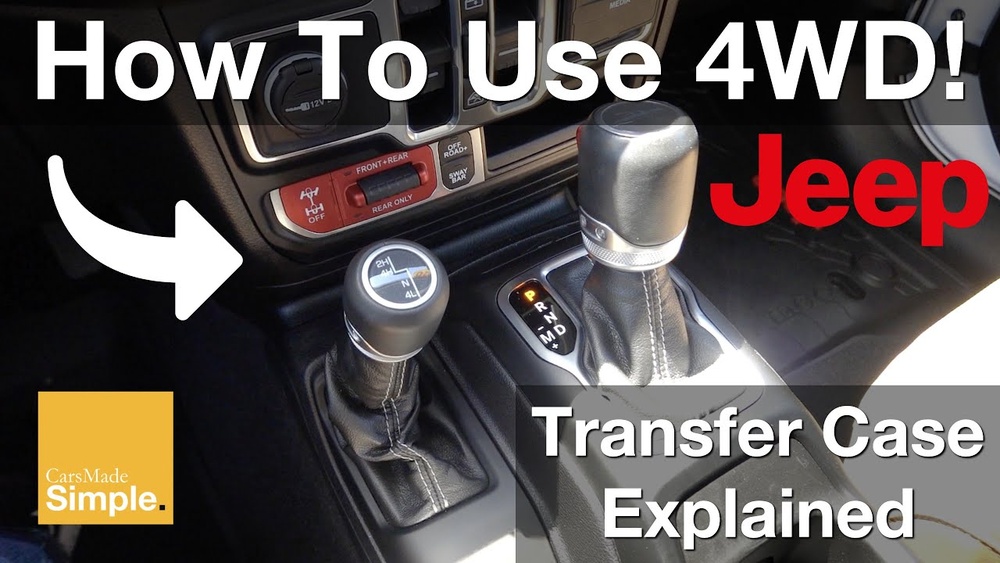
- Drivetrain (2WD vs. 4WD): Most Jeeps offer both two-wheel drive (2WD) and four-wheel drive (4WD) options. 4WD systems are heavier and have more moving parts that create friction, leading to increased fuel consumption compared to their 2WD counterparts. If you don’t regularly need 4WD, choosing a 2WD model can offer better MPG.
- Vehicle Weight: Heavier vehicles require more energy to move, which translates to burning more fuel. The larger Jeep models, especially those with heavy-duty components for off-roading, will naturally have lower MPG than smaller, lighter SUVs.
- Aerodynamics: The shape of a vehicle affects how easily it moves through the air. Boxier designs, common in some Jeep models like the Wrangler, create more drag, which requires the engine to work harder and use more fuel, especially at higher speeds.
- Tires: The type and condition of your tires can impact fuel economy. Wider, more aggressive off-road tires can increase rolling resistance, using more fuel. Keeping tires properly inflated is also crucial; underinflated tires make the engine work harder.
- Driving Habits: Your driving style has a huge effect. Aggressive acceleration, hard braking, and speeding all consume significantly more fuel than smooth, steady driving. Using cruise control on highways can also help maintain a consistent speed and improve MPG.
- Driving Conditions: Stop-and-go city traffic is far less fuel-efficient than steady highway driving. Driving in mountainous terrain, against strong headwinds, or in very cold weather (when the engine takes longer to warm up) can also reduce MPG.
Epa Estimates Vs. Real-world Mpg
The EPA provides MPG estimates for new vehicles, which are useful for comparison. For example, the EPA might rate a particular Jeep model as 22 MPG city / 30 MPG highway / 25 MPG combined. However, it’s important to remember these are estimates.
In my experience, real-world MPG can vary by 10-20% or even more. Factors like payload (how much weight you carry), towing, using the air conditioning, and tire pressure all contribute to this difference.
A Jeep Wrangler, for instance, with its boxy shape and off-road tires, might struggle to reach its EPA highway estimate in everyday highway driving.
Conversely, a more aerodynamic Jeep like the Compass, driven conservatively on the highway, might sometimes exceed its estimates.
Pro Tip: Always check the EPA’s FuelEconomy.gov website for official ratings, but also look for real-world MPG reports from owners and automotive publications to get a more complete picture.
Fuel Economy Performance Of Popular Jeep Models
Jeep offers a diverse lineup, and their fuel economy varies considerably from one model to another. Let’s look at some of the most popular Jeep models and what kind of fuel efficiency you can expect.
Jeep Wrangler
The Jeep Wrangler is perhaps the most iconic Jeep. It’s built for adventure, with a rugged body-on-frame construction, solid axles, and advanced 4×4 systems. These features, while excellent for off-roading, make it less aerodynamic and heavier, impacting fuel economy.
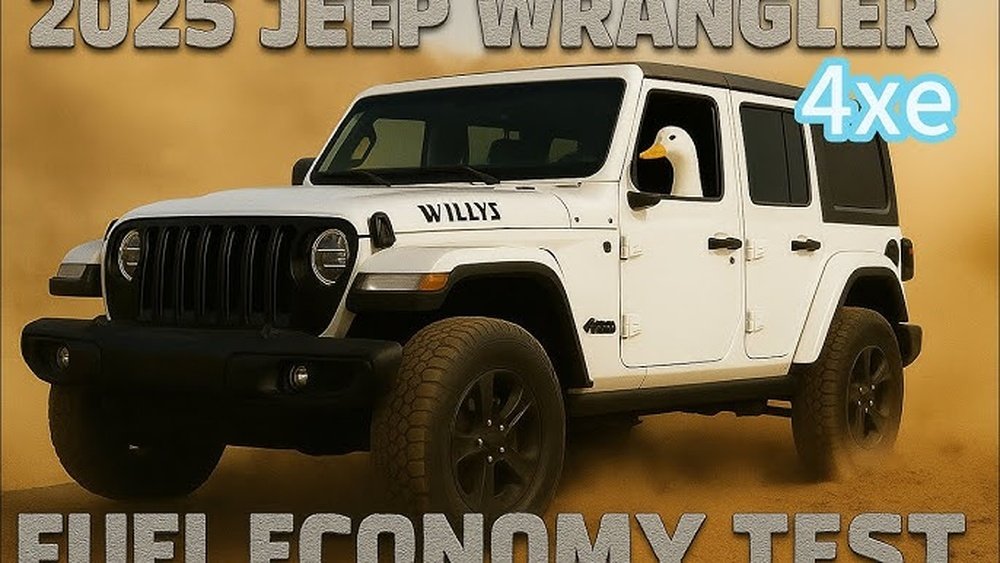
- Engine Options: The Wrangler typically offers a standard V6 engine, with options for a more powerful V8 (in Rubicon 392 models) or a turbocharged four-cylinder. There’s also the Wrangler 4xe, a plug-in hybrid version.
- MPG Expectations:
- Standard V6 (2WD): Around 17 MPG city / 25 MPG highway.
- Standard V6 (4WD): Around 17 MPG city / 23 MPG highway.
- Turbocharged 4-cylinder (4WD): Similar to the V6, sometimes slightly better on the highway.
- Wrangler 4xe (Hybrid): This is where significant improvements are seen. It offers an electric-only range and then operates like a regular hybrid. Combined MPG can be in the high 20s or even low 30s, with impressive MPG when using electric power.
- Real-World Considerations: Expect lower MPG if you frequently engage the 4WD system, drive at high speeds, or use aggressive off-road tires. The boxy shape creates a lot of wind resistance.
Jeep Grand Cherokee
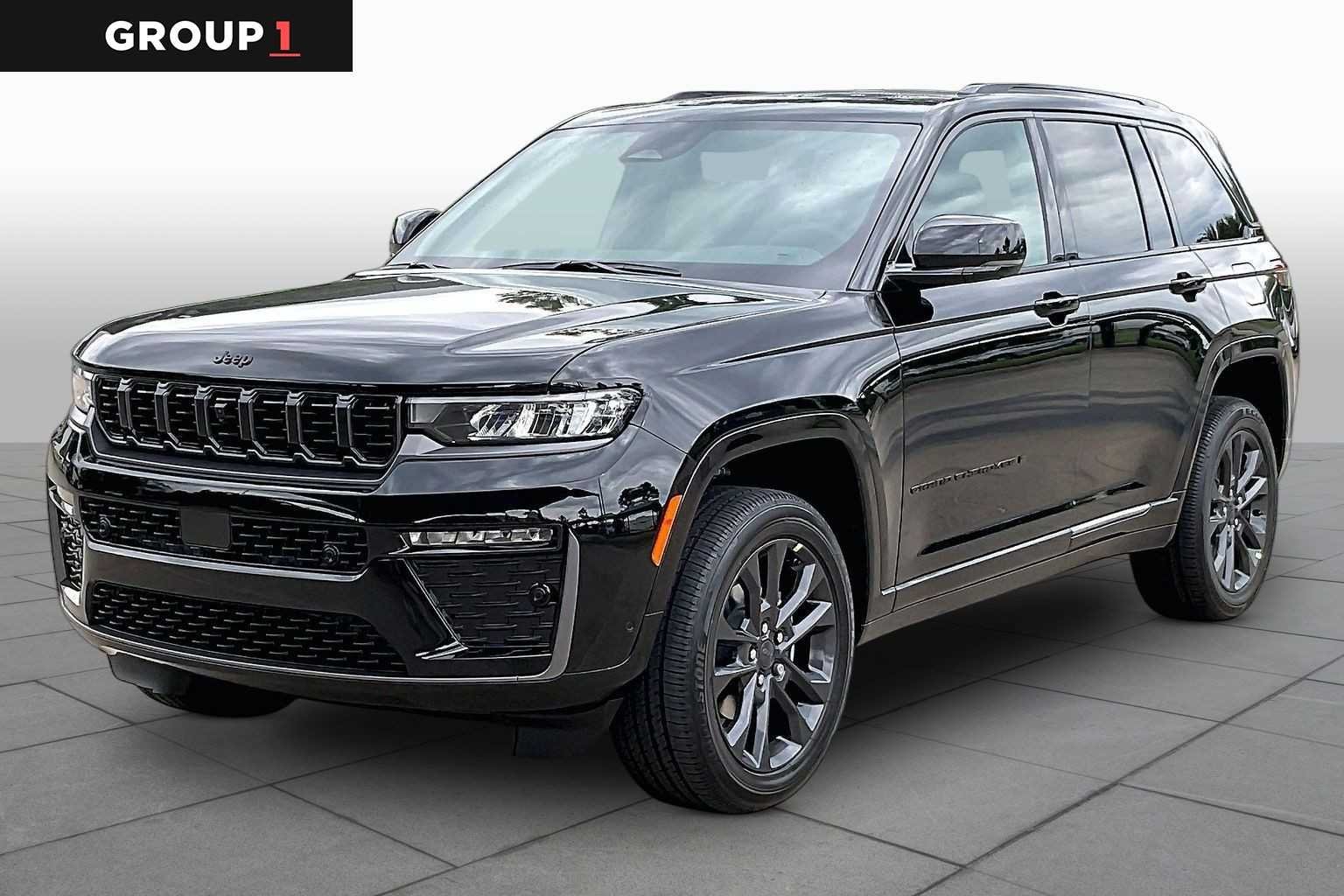
The Grand Cherokee is Jeep’s larger, more luxurious SUV. It offers a blend of comfort, capability, and family-friendly features. Its MPG is generally better than the Wrangler due to a more aerodynamic design and available smaller engines.
- Engine Options: It usually comes with a standard V6 engine, and an optional, more powerful V8. There’s also the Grand Cherokee 4xe, a plug-in hybrid variant.
- MPG Expectations:
- V6 (2WD): Around 19 MPG city / 26 MPG highway.
- V6 (4WD): Around 18 MPG city / 25 MPG highway.
- V8: Lower MPG, often in the mid-teens for city driving.
- Grand Cherokee 4xe (Hybrid): Offers substantial MPG gains, often reaching the equivalent of 50+ MPG when combining electric and gas power.
- Real-World Considerations: The Grand Cherokee’s refined design helps it achieve better highway MPG than the Wrangler. However, its size and weight mean city driving will still consume a noticeable amount of fuel.
Jeep Cherokee
The Jeep Cherokee (distinct from the Grand Cherokee) is a mid-size SUV that aims for a balance between on-road comfort and some off-road prowess. It’s generally more fuel-efficient than its larger siblings.
- Engine Options: Typically offered with a standard 4-cylinder engine or an optional V6.
- MPG Expectations:
- 4-cylinder (2WD): Around 22 MPG city / 31 MPG highway.
- 4-cylinder (4WD): Around 21 MPG city / 28 MPG highway.
- V6 (4WD): Slightly lower, around 19 MPG city / 25 MPG highway.
- Real-World Considerations: The Cherokee’s more conventional SUV shape and available smaller engines make it a more sensible choice for daily commuting if fuel economy is a priority within the Jeep brand.
Jeep Compass
The Jeep Compass is a compact SUV, designed primarily for urban driving and light off-roading. It prioritizes fuel efficiency and affordability.
- Engine Options: Usually comes with a turbocharged 4-cylinder engine.
- MPG Expectations:
- 4-cylinder (2WD): Around 24 MPG city / 32 MPG highway.
- 4-cylinder (4WD): Around 22 MPG city / 30 MPG highway.
- Real-World Considerations: The Compass is one of the most fuel-efficient Jeeps. Its smaller size and more aerodynamic profile contribute to better MPG, making it a good option for those who want a Jeep but need to save on fuel.
Jeep Renegade
The Jeep Renegade is Jeep’s smallest SUV, offering a unique, rugged-yet-boxy styling. It’s built on a platform shared with Fiat, focusing on city maneuverability and decent fuel economy.
- Engine Options: Typically features a small turbocharged 4-cylinder engine.
- MPG Expectations:
- 4-cylinder (2WD): Around 23 MPG city / 30 MPG highway.
- 4-cylinder (4WD): Around 21 MPG city / 29 MPG highway.
- Real-World Considerations: Similar to the Compass, the Renegade offers a respectable balance of Jeep styling and fuel efficiency for its class.
Here’s a quick comparison table for some of these models, showing estimated combined MPG:
| Jeep Model | Engine Option | Drivetrain | Estimated Combined MPG (EPA) |
|---|---|---|---|
| Wrangler | 3.6L V6 | 4WD | 20 MPG |
| Wrangler 4xe | 2.0L Turbo Hybrid | 4WD | 49 MPG (MPGe) |
| Grand Cherokee | 3.6L V6 | 4WD | 21 MPG |
| Grand Cherokee 4xe | 2.0L Turbo Hybrid | 4WD | 47 MPG (MPGe) |
| Cherokee | 2.4L 4-Cyl | 2WD | 25 MPG |
| Compass | 2.4L 4-Cyl | 2WD | 26 MPG |
| Renegade | 1.3L Turbo 4-Cyl | 2WD | 27 MPG |
*Note: MPG figures are estimates and can vary based on specific configurations, driving conditions, and model year. MPGe (Miles Per Gallon equivalent) is used for hybrids and electric vehicles to compare their energy consumption.*
Testing Jeep Fuel Economy: Methods And Findings
How do we know what kind of fuel economy to expect from a Jeep in the real world? Various organizations and automotive publications conduct fuel economy tests to provide more practical insights beyond the EPA estimates. These tests often involve driving vehicles on a set route, under specific conditions, and measuring the actual fuel consumed.
Standardized Real-world Testing Protocols
Many automotive journalists and consumer organizations follow structured protocols to test fuel economy. These often include:
- Highway Driving: A consistent speed (e.g., 65-75 mph) is maintained on a highway loop for a significant distance.
- City Driving: A route is designed to simulate typical city conditions, including traffic lights, stop-and-go traffic, and varying speed limits.
- Mixed Driving: A combination of highway and city driving to simulate a typical week’s commute.
- Fuel Measurement: Fuel is precisely measured, often by filling the tank completely before and after the test, or by using specialized fuel flow meters.
- Controlled Conditions: Drivers aim to maintain a consistent driving style, and external factors like weather are noted.
Findings From Real-world Tests
Real-world tests often confirm that Jeeps, particularly those with larger engines and 4WD, tend to perform slightly below their EPA estimates in mixed driving. However, the results can be surprising.
- Wrangler: Tests consistently show the Wrangler achieving MPG figures close to its EPA estimates in gentle highway driving. However, aggressive driving, off-roading, or adding accessories like larger tires can easily drop MPG by 3-5 MPG or more. The Wrangler 4xe, when driven with a charged battery, often surpasses its EPA estimates significantly, especially for shorter trips where electric power is prioritized.
- Grand Cherokee: Real-world tests for the V6 Grand Cherokee usually align closely with EPA estimates for highway driving. City driving often results in MPG a few points lower than the EPA’s city rating. The Grand Cherokee 4xe also performs very well in real-world scenarios, especially if owners can charge it regularly.
- Cherokee, Compass, and Renegade: These models, designed with efficiency in mind, tend to perform closer to their EPA estimates in real-world driving, especially if driven smoothly. Their smaller engines and more aerodynamic shapes give them an advantage.
Impact Of Off-roading And Accessories
It’s crucial to remember that the “Jeep experience” often involves more than just pavement. When you take a Jeep off-road, fuel economy takes a backseat to capability.
- 4WD Engagement: Constantly running in 4WD, especially on