Driving a Jeep through floodwaters might seem like a scene from an action movie, but it’s a risky maneuver that requires careful consideration and specific knowledge. Many people believe that all Jeeps, especially those with high ground clearance and four-wheel drive, are invincible in water.
While a Jeep’s capabilities are impressive, they are not limitless. Understanding the risks, preparing your vehicle, and knowing the correct techniques can make the difference between a successful passage and a costly disaster.
This guide will explore what you need to know before you consider driving your Jeep through floodwaters, covering everything from the dangers involved to the essential steps for preparation and execution.
Understanding The Dangers Of Driving Through Floodwaters
Driving through flooded areas is one of the most dangerous things you can do with any vehicle, including a Jeep. The water might look shallow, but hidden dangers can quickly turn a routine drive into a life-threatening situation.
It's crucial to understand these risks before even considering entering floodwaters.
The Deceptive Nature Of Floodwater Depth
One of the biggest dangers is that floodwater often looks shallower than it is. A few inches of moving water can be enough to sweep a small car off the road. For larger vehicles like Jeeps, the perception of safety can be dangerously misleading. Even a foot of standing water can lift a vehicle, making it float and lose traction. Two feet of moving water can carry away most vehicles, including SUVs and trucks. The current might not be obvious, especially in urban areas where it can be channeled by roads and buildings.
Beneath the murky surface of floodwaters lie hidden obstacles that can cause severe damage. These can include:
- Potholes and Washed-out Roads: The roadbed itself might have been eroded, creating sudden drops or sinkholes that can swallow a tire and damage the suspension or undercarriage.
- Debris: Logs, branches, trash cans, and even parts of buildings can be carried by the current. Hitting these at speed can cause significant damage to the vehicle’s body, tires, and critical components like the radiator or oil pan.
- Manhole Covers and Grates: In urban areas, manhole covers can be dislodged by floodwaters, leaving open shafts that can trap a wheel and cause a sudden, violent stop.
Mechanical Risks And Water Ingress
Even if you manage to avoid physical obstacles, water can wreak havoc on your Jeep’s mechanical systems.
- Engine Ingestion: The most critical risk is water entering the engine through the air intake. If water gets into the cylinders, it can cause hydro-lock. Water is incompressible, meaning the engine cannot compress it. When the piston tries to move up, the force of trying to compress water will bend or break connecting rods, damage pistons, and potentially destroy the entire engine. This is an extremely expensive repair.
- Electrical System Damage: Modern vehicles, including Jeeps, have complex electrical systems. Water can corrode connectors, short-circuit components, and cause malfunctions in everything from sensors to the engine control unit (ECU). This can lead to intermittent problems or complete failure.
- Transmission and Drivetrain Issues: Water can contaminate transmission fluid, differentials, and transfer cases. This contamination can lead to increased wear, overheating, and eventual failure of these vital components.
- Brake System Compromise: Water can reduce the effectiveness of your brakes, especially if it gets into the brake lines or onto the brake pads and rotors. This makes stopping much more difficult and dangerous.
The Risk Of Getting Stranded
If your Jeep does stall in floodwaters, you risk becoming stranded. This can be incredibly dangerous, especially if the water level continues to rise.
Rescue operations in flood conditions are difficult and often delayed. You could be trapped in a vehicle that is slowly filling with water, facing hypothermia or other dangers.
Preparing Your Jeep For Flood Driving
If you absolutely must attempt to drive through floodwaters, and have assessed the risks and determined it is the only viable option, proper preparation is paramount. This isn’t about making your Jeep amphibious; it’s about minimizing the inherent risks.
Essential Checks Before Entering Water
Before even approaching floodwaters, perform these critical checks:
- Assess the Water: Never assume it’s safe. If you can’t see the road or the bottom, don’t go in. Look for signs of current. If the water is moving fast, it’s too dangerous. Check with local authorities or emergency services for flood warnings and road closure information.
- Check Vehicle Condition: Ensure your Jeep is in top mechanical condition. Brakes should be fully functional, tires properly inflated, and all fluids at the correct levels.
- Secure Loose Items: Inside the vehicle, secure any loose items that could become projectiles if the vehicle encounters a sudden jolt or movement.
- Know Your Air Intake Location: This is crucial. On most Jeeps, the air intake is located relatively high up, often behind the grille or in the engine bay. However, modifications or specific models might have different setups. Knowing its exact location helps you understand how deep the water can be before it reaches this critical point. For example, on a stock Jeep Wrangler, the air intake is generally positioned to handle moderate water crossings.
Modifications That Can Help (and Those That Can’t)
Some modifications can improve a Jeep’s ability to handle water, but they don’t make it a submarine.
- Raised Air Intake (Snorkel): A snorkel extends the air intake to a much higher point, typically on the A-pillar. This significantly reduces the risk of engine hydro-lock in deeper water. This is one of the most effective modifications for water crossings.
- Diff Breathers: Differentials, transmission, and transfer case have breather tubes that allow them to equalize pressure as they heat up. In cold water, these can suck water in if they aren’t extended. Diff breathers reroute these tubes to a higher, drier location, preventing water ingress.
- Waterproofed Electrical Components: While not a common modification for casual off-roading, some extreme off-roaders waterproof critical electrical components. This is a complex and expensive process.
- Tires: All-terrain or mud-terrain tires offer better grip on slippery surfaces, which can be helpful, but they won’t magically make your Jeep float or drive through deep water.
What doesn’t help: Simply having high ground clearance or 4WD is not enough. These features help with *obstacles* and *traction*, but not with the fundamental physics of water depth and buoyancy.
Using Four-wheel Drive Correctly
Your Jeep’s four-wheel-drive system is essential, but it needs to be used correctly.
- Engage 4WD Low (4L): For most water crossings, engaging 4WD Low is recommended. This provides maximum torque at low speeds, allowing for a controlled crawl through the water. It also helps maintain momentum without excessive speed, which can create a dangerous bow wave.
- Avoid Shifting Gears: Once you engage 4L, try to maintain that gear. Shifting gears in water increases the risk of stalling or damaging the transmission.
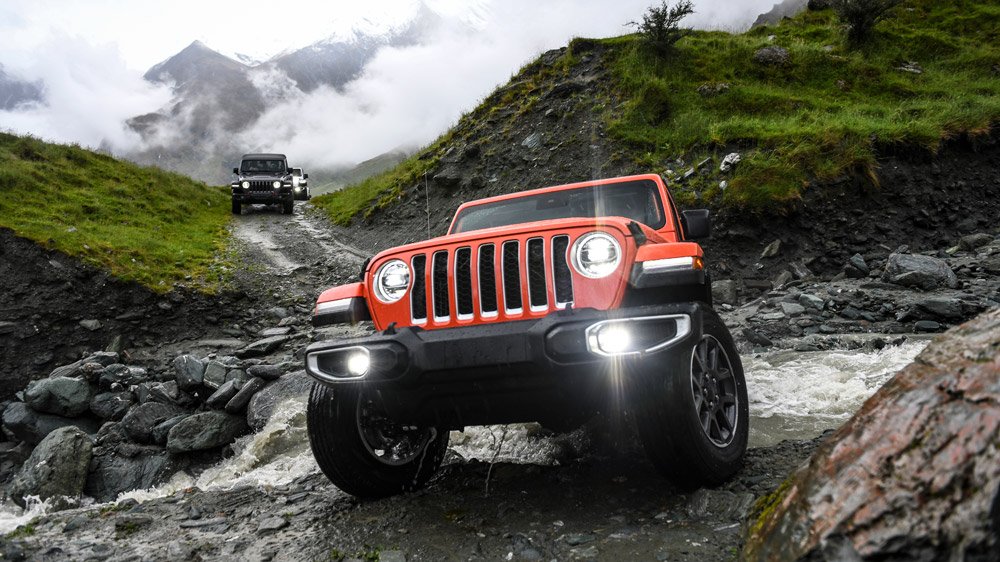
The Technique For Driving Through Floodwaters
If you’ve assessed the risks, prepared your Jeep, and decided to proceed, the technique you use is critical. This is where knowledge and a calm demeanor can save your vehicle.
Speed And Momentum: The Delicate Balance
The key to crossing floodwaters is maintaining consistent, slow momentum.
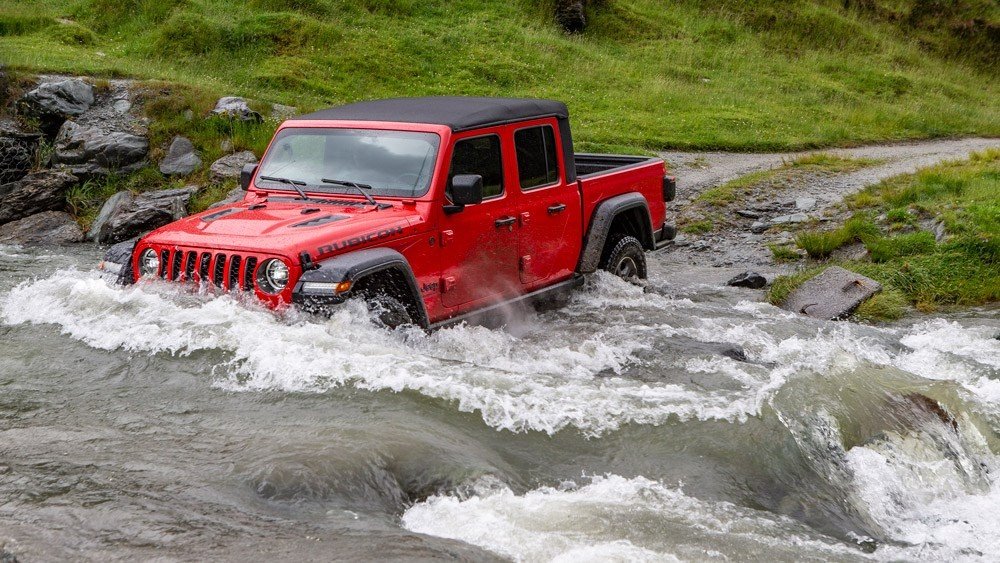
- Slow and Steady: Aim for a speed that creates a small bow wave in front of your vehicle, but not so large that it swamps the hood or enters the engine bay. This wave helps push water away from the front of the Jeep, reducing the pressure on the engine’s air intake. A speed of around 3-5 miles per hour is often recommended.
- Avoid Stopping: Once you commit to crossing, do not stop. Stopping allows water to potentially enter the engine if the intake is submerged. It also allows the current to push your vehicle sideways. If you lose momentum, you risk getting stuck or being swept away.
- Avoid High Speeds: Driving too fast creates a large bow wave that can flood your engine compartment and electro-mechanical systems. It can also cause the vehicle to hydroplane or lose traction, making steering impossible.
- Maintain a Straight Line: Try to drive in a straight line as much as possible. Turning increases the risk of the vehicle being pushed off course by the current.
Managing The Bow Wave
The bow wave is a crucial concept. It’s the wave that forms at the front of your vehicle as you move through water.
- Controlled Bow Wave: A small, controlled bow wave is beneficial. It helps to keep the water level around your engine bay lower than it would be if you were stationary or moving too slowly.
- Excessive Bow Wave: Too large a bow wave, created by driving too fast, can push water over the hood and into the engine air intake, windshield wipers, and other sensitive areas.
- Monitoring: Constantly monitor the bow wave and adjust your speed slightly to maintain an optimal level.
What To Do If Your Jeep Stalls
Despite best efforts, your Jeep might stall. This is a critical situation.
- Do Not Restart: If your engine stalls, do not try to restart it. This is the quickest way to ingest water into the engine.
- Assess the Situation: Immediately assess the water depth and current. Is it rising? Is the current strong?
- Evacuate if Safe: If the water is not too deep and the current is not too strong, and it is safe to do so, evacuate the vehicle. Get to higher ground immediately.
- Wait for Rescue: If evacuation is not safe, stay in the vehicle with windows slightly open (if possible) and wait for rescue. Keep your seatbelt on if the current is strong, as it might help keep you in place.
- Be Aware of Rising Water: If the water is rising rapidly, you may need to evacuate even if it seems risky. Your life is more important than the vehicle.
Post-flood Driving Checks And Maintenance
Even if your Jeep successfully navigates floodwaters without apparent issue, thorough post-flood checks and maintenance are essential. Water can cause hidden damage that may not show up immediately.
Immediate Checks After Driving Through Water
As soon as you are on dry land and it’s safe to do so, perform these checks:
- Brake Check: Test your brakes carefully at a low speed. They will likely be wet and less effective initially. Drive slowly for a short distance, applying the brakes gently to help dry them out. Listen for any unusual noises.
- Fluid Levels: Check all fluid levels, engine oil, transmission fluid, power steering fluid, coolant, and brake fluid. Look for any signs of water contamination (milky or frothy appearance).
- Visual Inspection: Walk around the vehicle and inspect for any visible damage, such as bent components, loose parts, or debris lodged underneath. Check the tires for damage.
- Listen for Noises: Pay attention to any new or unusual noises coming from the engine, transmission, suspension, or brakes.
Draining And Changing Fluids
Water contamination in lubricants is a serious issue.
- Differential and Transfer Case Breathers: If you don’t have extended breathers, water can enter these components. You should drain and refill the differential and transfer case fluids immediately.
- Transmission Fluid: If water entered the transmission, the fluid will need to be changed. This is a complex job and may require professional attention.
- Engine Oil: If you suspect water has entered the engine oil (e.g., if you had to stop or slow down significantly in deep water), the oil and oil filter must be changed immediately. Driving with contaminated oil will lead to rapid engine wear.
Checking Electrical Components
Water and electronics do not mix well.
- Inspect Connectors: Visually inspect accessible electrical connectors for signs of corrosion or water ingress.
- Test Systems: Test all electrical systems: lights, wipers, power windows, infotainment system, and any other electronic features. Be aware that some issues might not appear immediately.
Cleaning And Drying
Thoroughly cleaning your Jeep after driving through floodwaters is important for preventing corrosion.
- Wash Thoroughly: Wash the exterior and undercarriage of your Jeep to remove mud, silt, and any contaminants. Pay special attention to areas where water might have pooled.
- Dry the Interior: If water entered the cabin, dry it out as thoroughly as possible to prevent mold and mildew. Open doors and windows (if safe), use fans, and consider using a wet/dry vacuum.
When Not To Drive Through Floodwaters
There are absolute ‘no-go’ situations when it comes to driving through floodwaters, regardless of what vehicle you’re in. Understanding these boundaries is the most important part of flood driving safety.
The Universal Rule: Turn Around, Don’t Drown
This is the most critical piece of advice. The National Weather Service promotes the slogan “Turn Around, Don’t Drown®” for a reason. It’s a simple, life-saving message. If you encounter floodwaters on the road, assume it is too dangerous to cross.
Specific Indicators Of Danger
Several signs clearly indicate that you should not attempt to drive through floodwaters:
- Moving Water: If the water is flowing, even slowly, it is extremely dangerous. Moving water has immense power. A depth of just six inches can knock an adult off their feet, and a foot of moving water can sweep away most vehicles.
- Water Depth: If the water is deeper than the bottom of your Jeep’s doors, it’s generally too deep to attempt a crossing. For most SUVs and trucks, this is around 1.5 to 2 feet. If you can’t see the road surface, it’s too deep.
- Uncertainty: If you are unsure about the depth, the current, or the condition of the road beneath the water, do not enter. The risk is simply too high.
- Road Conditions: If the road appears washed out, damaged, or has debris visible, do not proceed.
- Warnings and Advisories: If local authorities have issued flood warnings or advised against travel, heed their advice.
The Psychological Trap Of “just A Little Bit”
It’s easy to underestimate the danger. You might think, “It’s just a few inches,” or “My Jeep can handle this.” This overconfidence is a major factor in accidents. Remember that even a few inches of moving water can exert significant force on a vehicle. The physics of water are unforgiving.
Example Scenario: The Washed-out Culvert
Imagine driving towards a familiar road after heavy rain. You see water covering the road ahead.
It looks like only a foot deep. You engage 4L and start to drive through. Halfway across,