Understanding Jeep Car Engine Performance
Jeep vehicles are known for their ruggedness, off-road capability, and powerful engines. When you think of a Jeep, you probably picture it climbing over rocks or cruising down a dusty trail.
But what makes these vehicles so capable? A big part of it is the engine performance.
The engine is the heart of any car, and for a Jeep, it needs to be strong, reliable, and adaptable to different conditions.
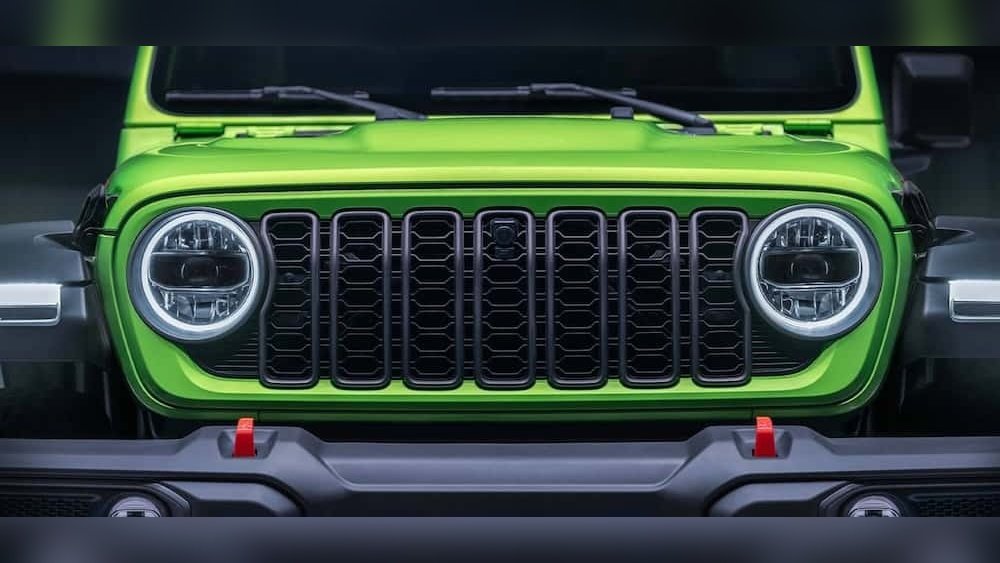
This article will explore what goes into Jeep engine performance, from the different engine types they offer to how they are designed for tough jobs and what owners can do to keep them running at their best.
Jeep has a long history, and over the decades, they have used many different engines. Today, their lineup includes a variety of options, each built with specific goals in mind.
Some are designed for fuel efficiency, others for raw power, and many aim to strike a balance between the two.
Understanding these differences is key to appreciating what makes a Jeep perform the way it does, whether you’re driving on city streets or tackling challenging terrain.
The Evolution Of Jeep Engines
Jeep's engine story began with the original Willys MB during World War II. It used a simple, yet effective, 4-cylinder "Go Devil" engine.
This engine was basic but provided enough power for the military to rely on it for various tasks.
After the war, Jeep continued to evolve. The CJ (Civilian Jeep) series saw the introduction of more powerful engines, including inline-6 and V8 options.
These engines gave Jeeps more versatility, making them suitable for work, recreation, and everyday driving.
In the 1980s and 1990s, Jeep, under Chrysler's ownership, introduced more modern engine technologies. The AMC-designed inline-6 engines, known for their durability and smooth power delivery, became a staple.
Later, the introduction of the PowerTech V6 and V8 engines, and eventually the HEMI V8s, brought even more power and refinement to the Jeep lineup, especially in models like the Grand Cherokee and Wrangler.
Today, Jeep continues to innovate, with engines that offer a blend of performance, efficiency, and advanced technology, including new powertrains aimed at reducing emissions and improving fuel economy.
Key Components Affecting Jeep Engine Performance
Several critical components work together to determine how well a Jeep’s engine performs. Each part plays a vital role, and their condition directly impacts power, efficiency, and longevity.
1. The Engine Block And Internals
The engine block is the foundation of the engine. It houses the cylinders, pistons, crankshaft, and connecting rods. Jeep engines are typically built with robust materials like cast iron or aluminum alloys, designed to withstand high stress and heat, especially during demanding off-road use.
- Cylinders: These are the chambers where fuel combustion occurs. The size and number of cylinders significantly affect an engine’s power output and smoothness. Jeep offers engines with 4, 6, or 8 cylinders.
- Pistons: They move up and down inside the cylinders, driven by the combustion of fuel. The material and design of pistons are crucial for handling the intense pressure and heat.
- Crankshaft: This rotating shaft converts the linear motion of the pistons into rotational motion, which ultimately powers the wheels.
- Connecting Rods: These link the pistons to the crankshaft.
The internal components are precision-engineered. Any wear or damage here can lead to a significant drop in performance, increased oil consumption, and potential engine failure. For example, worn piston rings can cause a loss of compression, leading to reduced power and poor fuel economy.
2. Fuel System
The fuel system delivers the right amount of fuel to the engine for efficient combustion. Modern Jeep engines use fuel injection systems, which are far more precise than older carburetor systems.
- Fuel Pump: This supplies fuel from the tank to the engine.
- Fuel Injectors: These spray fuel directly into the engine’s intake manifold or cylinders. The timing and amount of fuel injected are controlled electronically for optimal performance and emissions.
- Fuel Filter: This removes impurities from the fuel before it reaches the injectors, preventing them from getting clogged.
A clogged fuel filter or faulty injector can lead to hesitation, misfires, and a loss of power. Keeping the fuel system clean and ensuring proper fuel pressure are essential for maintaining engine performance.
3. Air Intake System
Engines need air to burn fuel. The air intake system ensures that the engine receives clean air, and the amount of air entering the engine is precisely controlled.
- Air Filter: This traps dirt, dust, and debris, preventing them from entering the engine and causing damage. A dirty air filter restricts airflow, reducing power and fuel efficiency.
- Throttle Body: This is controlled by the accelerator pedal and regulates the amount of air entering the engine.
- Sensors: Various sensors, like the Mass Airflow (MAF) sensor, measure the incoming air’s temperature and density, providing data to the engine control unit (ECU).
A clogged air filter is one of the simplest and most common issues that can negatively impact Jeep engine performance. Regularly replacing the air filter is a crucial maintenance step.
4. Ignition System
The ignition system creates a spark that ignites the fuel-air mixture in the cylinders. In modern Jeeps, this is managed by the ECU and typically involves spark plugs and ignition coils.
- Spark Plugs: These create the electrical spark. Over time, they can wear out, leading to weak sparks, misfires, and reduced power.
- Ignition Coils: These provide the high voltage needed to create the spark. A failing coil can cause a specific cylinder to misfire.
Regularly replacing spark plugs at recommended intervals is important. Signs of ignition problems include a rough idle, hesitation during acceleration, and a check engine light.
5. Exhaust System
While primarily designed to reduce noise and remove harmful gases, the exhaust system also impacts engine performance.
- Exhaust Manifold: Collects exhaust gases from the cylinders.
- Catalytic Converter: Reduces harmful emissions. A clogged catalytic converter can severely restrict exhaust flow, leading to a significant loss of power.
- Muffler: Reduces noise.
- Oxygen Sensors: Monitor the amount of oxygen in the exhaust gases, helping the ECU adjust the fuel mixture for optimal combustion and emissions.
A restricted exhaust system can choke the engine, making it feel sluggish and perform poorly.
Jeep Engine Types And Their Performance Characteristics
Jeep offers a range of engines across its diverse models. Each engine is designed with specific performance goals in mind, catering to different driver needs and vehicle applications.
1. The Pentastar V6 Engine
The 3.6L Pentastar V6 has been a workhorse for Jeep for many years, found in models like the Wrangler, Grand Cherokee, and Gladiator. It’s known for offering a good balance of power, refinement, and reasonable fuel economy.
- Horsepower: Typically around 285 hp.
- Torque: Around 260 lb-ft.
- Performance: Provides strong acceleration for daily driving and sufficient power for off-roading. It’s a versatile engine that handles both highway cruising and climbing steep inclines well.
- Key Features: Features dual variable valve timing (VVT) for improved efficiency and power delivery across the RPM range. It’s also designed for durability.
- Non-Obvious Insight: While powerful, the Pentastar V6 can sometimes feel a bit strained when paired with the automatic transmission in very demanding off-road situations at low speeds, especially when carrying heavy loads or towing. Drivers might find themselves needing to manually select lower gears more often than expected to maintain optimal torque.
2. The Hurricane Twin-turbo I4 Engine
Jeep’s 2.0L Turbocharged I4 (Hurricane) engine is a more modern option, offering impressive power from a smaller displacement. It’s available in models like the Wrangler and Grand Cherokee, often as an alternative to the V6.
- Horsepower: Can range from around 270 hp to over 275 hp depending on the application.
- Torque: Often produces more torque than the Pentastar V6, sometimes exceeding 295 lb-ft.
- Performance: The turbocharger provides a significant boost in low-end torque, making it feel very responsive from a standstill and excellent for climbing or accelerating quickly. It also offers better fuel economy than the V6 in many driving conditions.
- Key Features: Direct fuel injection and a turbocharger are key. It’s engineered for a good power-to-weight ratio.
- Non-Obvious Insight: Turbocharged engines, while powerful, can be more sensitive to maintenance. Ensuring the air intake system is clean and free of restrictions is paramount. Also, allowing the turbocharger to cool down after hard driving (the “turbo timer” concept, though often managed electronically now) can extend its life.
3. The Hemi V8 Engines
For those seeking maximum power and a distinctive sound, Jeep offers HEMI V8 engines, most notably the 5.7L and the supercharged 6.2L found in performance-oriented models like the Grand Cherokee SRT/Trackhawk and the Wrangler Rubicon 392.
- 5.7L HEMI V8:
- Horsepower: Around 360 hp.
- Torque: Around 390 lb-ft.
- Performance: Offers strong, effortless acceleration and towing capability. It provides that classic V8 rumble and power delivery.
- 6.2L Supercharged HEMI V8 (Hellcat-based):
- Horsepower: Exceeds 700 hp in some applications.
- Torque: Well over 600 lb-ft.
- Performance: Provides supercar-level acceleration and immense power for extreme performance.
- Key Features: The HEMI’s characteristic hemispherical combustion chambers contribute to its power and efficiency. The supercharged versions add a forced induction system for extreme output.
- Non-Obvious Insight: While incredibly powerful, HEMI engines are less fuel-efficient and require more robust cooling systems. Their sheer power output also puts more stress on other drivetrain components like axles and transmissions, which are beefed up in models equipped with these engines.
4. Diesel Engines (historically And Select Models)
Jeep has offered EcoDiesel engines in models like the Grand Cherokee and Gladiator. These engines are known for their high torque at low RPMs and excellent fuel efficiency, especially for towing and long-distance driving.
- Performance: Diesel engines excel in torque delivery, making them ideal for pulling heavy loads and for low-speed crawling in off-road situations. They offer a different kind of power than gasoline engines, less about high-revving speed and more about brute pulling force.
- Fuel Efficiency: Generally better than comparable gasoline engines, especially on the highway.
- Key Features: Turbocharging and high compression ratios are standard. They also require specific diesel fuel and maintenance procedures.
- Non-Obvious Insight: Diesel engines require specific maintenance, including fuel filter changes and ensuring the use of proper diesel exhaust fluid (DEF) if equipped with modern emissions controls. Neglecting these can lead to significant performance issues and costly repairs.
Factors Influencing Real-world Jeep Engine Performance
Beyond the engine’s design, several external factors influence how a Jeep’s engine performs in real-world conditions.
1. Altitude And Air Density
At higher altitudes, the air is thinner, meaning there is less oxygen available for combustion. This can lead to a noticeable decrease in engine power and throttle response, especially for naturally aspirated engines. Turbocharged engines often compensate better because the turbocharger can force more air into the cylinders, but they still perform best at lower altitudes.
2. Temperature
Extreme temperatures can affect engine performance. Very cold weather can make an engine take longer to reach optimal operating temperature, affecting efficiency and power initially. Very hot weather can cause the engine to overheat if the cooling system isn’t functioning perfectly, leading the engine’s computer to reduce power to protect it.
3. Load And Terrain
The weight of the vehicle and its cargo, as well as the terrain it’s traversing, significantly impact perceived engine performance. A Jeep climbing a steep, muddy hill with a full load of passengers and gear will require much more from its engine than one driving on a flat, paved road. The engine’s power and torque ratings are tested under ideal conditions; real-world performance will always vary based on these factors.
4. Tire Size And Gearing
Larger tires, often added for off-road capability, can make an engine feel less powerful because they require more torque to turn. If the gear ratios in the differentials are not adjusted accordingly (e.g., with a re-gear), the engine will struggle more, leading to reduced acceleration and fuel economy. Similarly, changing the final drive ratio can significantly alter how the engine’s power is applied to the wheels.
Maintaining Jeep Engine Performance
Proper maintenance is crucial for keeping a Jeep’s engine running at its best. Neglecting maintenance can lead to a gradual decline in performance and eventually costly repairs.
1. Regular Oil Changes
Engine oil lubricates moving parts, reduces friction, and helps dissipate heat. Using the correct type and grade of oil recommended by Jeep and changing it at the recommended intervals (or sooner if driving in severe conditions) is fundamental. Old or dirty oil can lead to increased wear and reduced efficiency.
2. Air Filter Replacement
As mentioned earlier, a clean air filter is vital for proper airflow. Check the air filter regularly and replace it when it becomes dirty or at the manufacturer’s recommended mileage. This is a simple, inexpensive task that can have a noticeable impact on performance and fuel economy.
3. Spark Plug Service
Spark plugs degrade over time. Replacing them at the recommended intervals ensures a strong, consistent spark for efficient combustion. Worn spark plugs can cause misfires, rough idling, and a loss of power.
4. Fuel System Cleaning
Over time, deposits can build up in the fuel injectors and on intake valves. Using a quality fuel system cleaner periodically, or having the system professionally cleaned, can help maintain optimal fuel delivery and combustion efficiency.
5. Cooling System Maintenance
An engine’s cooling system (radiator, coolant, water pump, thermostat) keeps the engine at its optimal operating temperature. Overheating can cause severe engine damage and lead to reduced performance as the engine management system protects itself. Ensure coolant levels are correct and the coolant is flushed and replaced according to the maintenance schedule.



















