The ability of any vehicle to handle turns smoothly and safely is crucial, and for off-road focused vehicles like Jeeps, this aspect is often put to the test in challenging environments.
Jeep vehicles, with their robust build and off-road capabilities, have a unique set of characteristics that influence their cornering stability. Understanding these factors helps drivers maintain control and confidence, whether on a winding mountain road or a tricky trail.
This article explores the various elements that contribute to a Jeep’s cornering stability, from its fundamental design to driver input and maintenance.

Understanding Vehicle Dynamics In Turns
When a vehicle turns, forces are at play that try to push it outwards. This outward force is called centrifugal force. To counteract this, the tires need to generate a grip, or lateral force, pushing the vehicle inwards. The balance between these forces determines how stable the vehicle feels and how safely it can navigate a corner.
Several factors influence this balance:
- Vehicle Speed: The faster you go, the greater the centrifugal force. This means you need more grip from the tires to maintain the same turning radius.
- Tire Grip: The amount of friction between the tires and the road surface is critical. Worn tires, wet roads, or loose surfaces reduce grip.
- Center of Gravity (CoG): A lower CoG generally leads to better stability. A higher CoG makes a vehicle more prone to tipping or rolling during turns.
- Suspension System: The suspension’s job is to keep the tires in contact with the ground and to manage the forces experienced during cornering.
- Weight Distribution: How the vehicle’s weight is distributed front-to-rear and side-to-side affects how it responds to turning forces.
For a Jeep, its design often prioritizes off-road capability, which can sometimes mean a higher center of gravity and a suspension tuned for articulation rather than sharp, on-road handling. This doesn’t mean Jeeps are inherently unstable; it means their stability is managed differently and requires driver awareness.
Key Design Elements Affecting Jeep Cornering Stability
Jeep vehicles, especially iconic models like the Wrangler, are built with a distinct purpose in mind: off-road prowess. This design philosophy directly impacts how they behave in corners.
Chassis And Frame Construction
Most Jeep models utilize a body-on-frame construction. This means the vehicle’s body is mounted onto a separate, strong ladder frame. This design is incredibly robust and durable, ideal for absorbing the shocks and stresses of off-road driving.
- Pros for Stability: The rigid frame provides a solid foundation, resisting twisting forces on uneven terrain. This can translate to a more predictable feel even when one wheel is significantly higher than another.
- Cons for Stability: Compared to unibody construction (where the body and frame are integrated), body-on-frame can sometimes feel less rigid in high-speed, on-road cornering. The separation between the body and frame can lead to more body roll.
Suspension System Design
Jeeps are renowned for their suspension systems, designed to allow for maximum wheel articulation. This means each wheel can move up and down independently to a significant degree, helping the tires maintain contact with the ground over obstacles.
- Solid Axles: Many Jeep models, particularly the Wrangler, feature solid front and rear axles. These are robust and simple, excellent for off-road durability. However, they can transmit more road imperfections into the cabin and contribute to a less precise steering feel compared to independent suspension systems. During a corner, a solid axle can cause both wheels on that axle to lift or compress together, potentially reducing grip if the road surface is uneven.
- Longer Wheelbase: A longer wheelbase generally improves straight-line stability and can make a vehicle feel more planted in a corner. However, it also increases the vehicle’s turning radius.
- Springs and Dampers: The type of springs (coil or leaf) and shock absorbers significantly influence how the vehicle handles body roll. Jeeps often use robust, heavy-duty components that can contribute to a firmer ride and, in some cases, more pronounced body roll due to their tuning for off-road travel.
Center Of Gravity (cog)
The center of gravity is the average location of the weight of the vehicle. For vehicles designed for off-roading, the CoG is typically higher than for a typical car. This is due to factors like:
- Higher Ground Clearance: To clear obstacles, Jeeps sit higher off the ground.
- Heavier Components: Robust axles, transfer cases, and frame structures add weight higher up.
- Tire Size: Larger tires can also raise the CoG.
A higher CoG means that during a turn, more weight shifts to the outside wheels. This increased weight transfer amplifies the forces acting on the suspension and tires, leading to more body roll and a greater tendency for the vehicle to feel less stable.
Tire Choice And Size
The tires are the only contact points between the Jeep and the road. Their specifications play a vital role in cornering stability.
- Tread Pattern: Aggressive, knobby off-road tires provide excellent grip on dirt, mud, and rocks. However, on paved roads, their tread blocks can flex more, leading to less precise steering and reduced grip in corners compared to smoother, street-oriented tires.
- Tire Sidewall: Taller tire sidewalls, common on Jeeps for off-road flexibility and comfort, can flex more during cornering. This sidewall flex contributes to a less direct steering response and can make the vehicle feel less stable.
- Tire Pressure: Incorrect tire pressure affects the tire’s contact patch and its ability to provide grip. Underinflated tires can feel sluggish and unstable, while overinflated tires can reduce the contact patch and lead to a harsher ride.
- Tire Width and Offset: Wider tires offer a larger contact patch, potentially increasing grip. However, the wheel offset and backspacing can also influence how the vehicle handles, affecting scrub radius and steering feel.
How Different Jeep Models Handle Corners
While all Jeeps share a lineage of capability, their specific designs mean they can feel quite different when cornering.
Jeep Wrangler (jk/jl Generations)
The Jeep Wrangler is perhaps the most iconic for its off-road prowess, and this heavily influences its on-road cornering.
- Solid Front and Rear Axles: These are the defining feature. They provide ruggedness and excellent articulation off-road but can lead to more noticeable body roll and a less connected feel on pavement compared to independent suspension.
- Short Wheelbase (compared to larger SUVs): While not as short as some compact cars, the Wrangler’s wheelbase, especially in the 2-door version, contributes to its agility but can make it feel less planted at higher speeds in corners than longer-wheelbase vehicles.
- High Center of Gravity: This is a significant factor. The Wrangler is designed to go over things, not necessarily around them at high speed. Drivers often feel the vehicle lean into corners.
- Steering Feel: Steering can be vague, especially with larger off-road tires, due to tire flex and the nature of the steering system (often a recirculating ball system).
Pro Tip: For Wranglers, reducing tire pressure for off-roading significantly impacts on-road handling. Always ensure tires are inflated to the manufacturer’s recommended pressure for paved surfaces to maximize stability.
Jeep Grand Cherokee
The Grand Cherokee is designed to offer a balance between on-road comfort and off-road capability.
- Independent Front Suspension (IFS): Modern Grand Cherokees use independent suspension for the front wheels. This generally allows for a lower center of gravity, more precise steering, and less body roll on paved roads compared to solid axles.
- Available Air Suspension: Some Grand Cherokee models offer adaptive air suspension. This system can adjust the vehicle’s ride height and stiffness. In the ‘sport’ mode, it can lower the CoG and stiffen the suspension, significantly improving cornering stability.
- Longer Wheelbase: Compared to the Wrangler, the Grand Cherokee has a longer wheelbase, contributing to greater stability in high-speed turns.
- Weight: While heavier than a Wrangler, its weight is often distributed lower and more evenly, aiding its on-road dynamics.
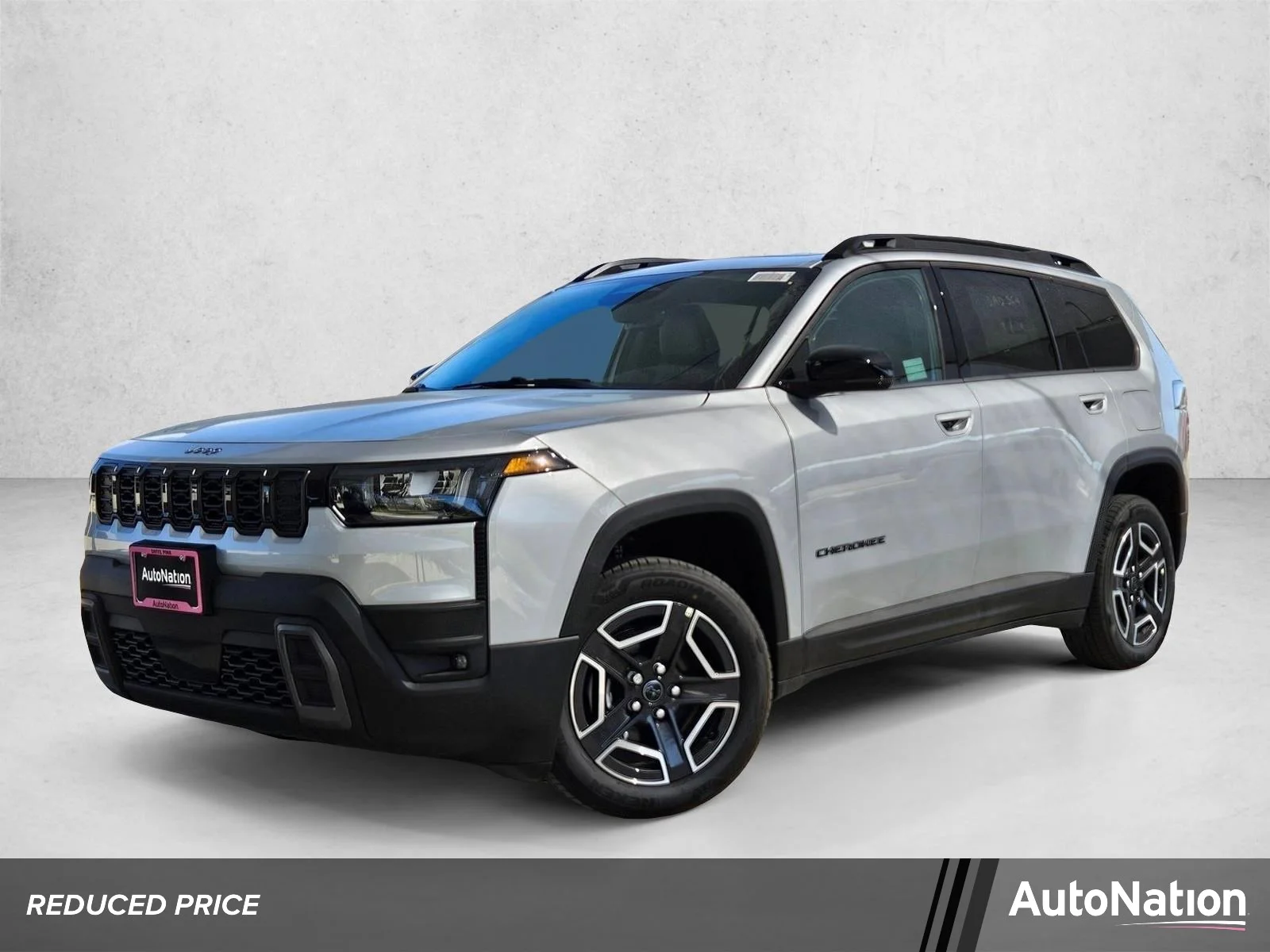
Jeep Cherokee (kl Generation)
The Jeep Cherokee (KL) bridges the gap, offering more car-like handling than a Wrangler but with more off-road capability than a typical crossover.
- Independent Suspension: It features independent suspension all around, contributing to better on-road manners.
- Curb Weight: It’s lighter than the Grand Cherokee, which can contribute to a more nimble feel.
- Tuning: The suspension is tuned for a blend of comfort and capability, meaning it will exhibit less body roll than a Wrangler but might not feel as sporty as some competitors.
Jeep Compass / Renegade
These smaller, more urban-focused Jeeps are built on car-based platforms (often shared with Fiat).
- Unibody Construction: Their unibody design and independent suspension systems are optimized for on-road driving.
- Lower Center of Gravity: They have a significantly lower CoG than their larger siblings, making them much more stable and predictable in corners.
- Tires: They typically come with tires designed for on-road use, offering good grip on pavement.
Factors Influencing Stability During Cornering
Beyond the vehicle’s inherent design, several external factors and driver inputs heavily influence how a Jeep handles turns.
Tire Condition And Maintenance
The importance of tires cannot be overstated.
- Tread Depth: Worn tires have significantly reduced grip. As tread wears down, the tire’s ability to channel water away (preventing hydroplaning) and bite into the road surface diminishes. For optimal cornering stability, ensure your tires have adequate tread depth.
- Tire Age: Rubber degrades over time, even if the tread looks good. Old tires can become brittle and lose their grip. Check the tire’s manufacturing date (DOT code) and consider replacement if they are over six years old.
- Alignment: Proper wheel alignment ensures that your tires are pointed in the correct direction. Misalignment can cause uneven tire wear, pulling to one side, and reduced stability in corners.
- Balancing: Unbalanced tires can cause vibrations at speed, which can indirectly affect the driver’s confidence and control in turns.
Suspension Component Health
The suspension system is complex and works hard. Worn components can severely compromise stability.
- Shocks and Struts: These damp the suspension’s movement. Worn shocks and struts allow the vehicle to bounce excessively after hitting bumps and can lead to increased body roll, longer braking distances, and a generally less controlled feel.
- Bushings: Rubber or polyurethane bushings are used throughout the suspension and steering systems to absorb vibration and allow for movement. When these wear out, they create slop and looseness, making the steering feel vague and the suspension less responsive.
- Ball Joints and Tie Rod Ends: These are critical steering and suspension connection points. Excessive wear here can lead to unpredictable steering and a dangerous loss of control.
Loading And Weight Distribution
How you load your Jeep can significantly impact its stability.
- Weight Transfer: Adding weight, especially high up (like roof racks with cargo), raises the vehicle’s center of gravity, increasing body roll.
- Uneven Loading: Loading cargo heavier on one side can cause the vehicle to pull to that side and feel unstable in turns. It’s best to distribute weight evenly.
- Towing: Towing a trailer, especially a heavy one, drastically changes the vehicle’s dynamics. The added weight at the rear can lighten the front end, affecting steering and braking. Always ensure your Jeep is rated for the trailer weight and drive with extreme caution.
Driving Style And Speed
The driver is a critical component in maintaining stability.
- Speed: This is the most significant factor. Driving too fast for the conditions or the vehicle’s capabilities is the leading cause of cornering incidents. Always adjust speed based on the road, weather, and your vehicle’s limits.
- Smooth Inputs: Jerky steering, sudden braking, or aggressive acceleration while turning can upset the vehicle’s balance, especially in a vehicle with a higher center of gravity like many Jeeps. Smooth, progressive inputs are key.
- Looking Ahead: Anticipating the road ahead allows you to brake and steer smoothly before entering the corner, rather than making abrupt corrections mid-turn.

Enhancing Jeep Cornering Stability
While Jeeps are designed for capability, there are ways to improve their on-road cornering performance if desired.
Tire Upgrades
Choosing the right tires for your primary use is crucial.
- All-Terrain (AT) Tires: For a balance between off-road and on-road, AT tires are a popular choice. Look for models with stiffer tread blocks and reinforced sidewalls for better on-road response.
- Highway Terrain (HT) Tires: If your Jeep spends most of its time on pavement, HT tires offer the best on-road grip, comfort, and stability. They have smoother tread patterns and are designed for paved surfaces.
- Wheel Size: Larger wheels often come with lower-profile tires (shorter sidewalls), which reduces sidewall flex and improves steering response and stability. However, this can also lead to a harsher ride and reduced off-road capability.
Suspension Modifications
Suspension upgrades can dramatically alter a Jeep’s cornering behavior.
- Aftermarket Shocks and Struts: Performance shocks can offer better damping control, reducing body roll and improving responsiveness.
- Sway Bar Upgrades: For Wranglers, upgrading the sway bar system can be very effective. Some systems offer disconnecting sway bars for off-road articulation and a stiffer, connected sway bar for better on-road stability. Aftermarket heavy-duty sway bars can also significantly reduce body roll.
- Coilover Systems: For serious off-roaders or those seeking improved on-road performance, adjustable coilover suspension systems offer a wide range of tuning capabilities for both ride height and damping.
- Lowering Kits: While not typical for off-road Jeeps, lowering kits can reduce the center of gravity, directly improving cornering stability.
Chassis And Body Stiffening
For extreme off-road builds or performance-oriented builds, stiffening the chassis can help.
- Roll Cages and Bracing: Internal or external roll cages add significant structural rigidity to the body and frame, reducing flex during hard cornering or off-road maneuvers.
- Subframe Connectors: While less common on body-on-frame vehicles, aftermarket bracing can sometimes be added to improve chassis rigidity.
Data And Statistics On Vehicle Stability
Understanding the physics involved can be aided by looking at some general data points. While specific statistics for Jeep cornering stability across all models and conditions are vast



















