The Jeep’s cooling system is more than just a simple component; it's the heart of your vehicle's ability to perform under pressure.
Whether you're crawling over rocks on a challenging trail, towing a heavy load, or simply navigating stop-and-go city traffic on a hot summer day, your Jeep’s engine needs to stay within its optimal operating temperature. Overheating can lead to severe engine damage, costly repairs, and leave you stranded.
Understanding how the Jeep cooling system works, its common issues, and how to maintain it is crucial for every Jeep owner. This guide will explore the intricacies of Jeep car cooling performance, helping you keep your adventurer running cool and reliably.
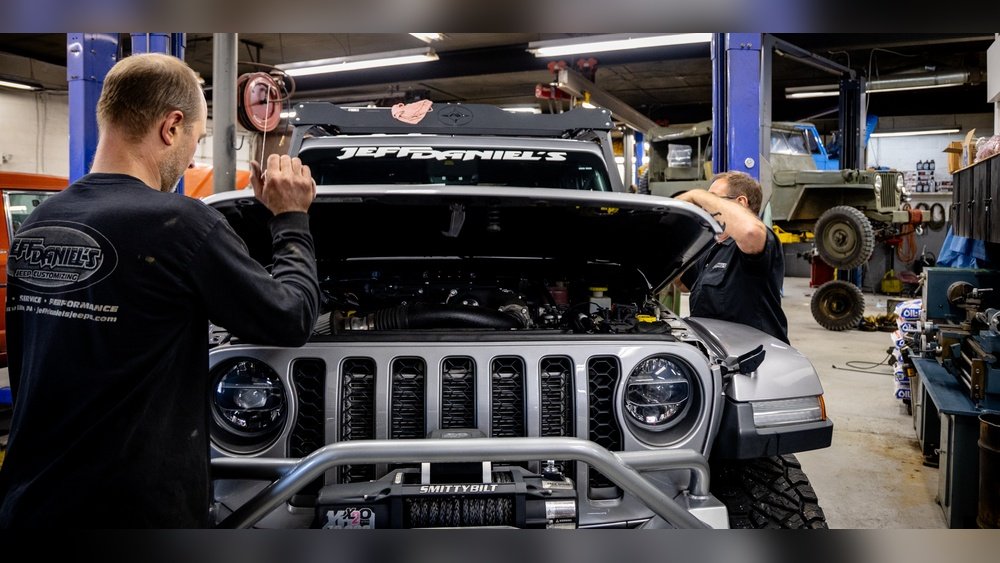
Understanding The Jeep Cooling System
At its core, a car’s cooling system is designed to prevent the engine from overheating. The combustion process inside an engine generates immense heat.
Without an effective way to dissipate this heat, engine components would quickly reach critical temperatures, causing them to warp, seize, or fail.
Jeep vehicles, often used in demanding off-road conditions, require robust and efficient cooling systems that can handle extreme temperatures and heavy loads.
The primary components of a typical Jeep cooling system include:
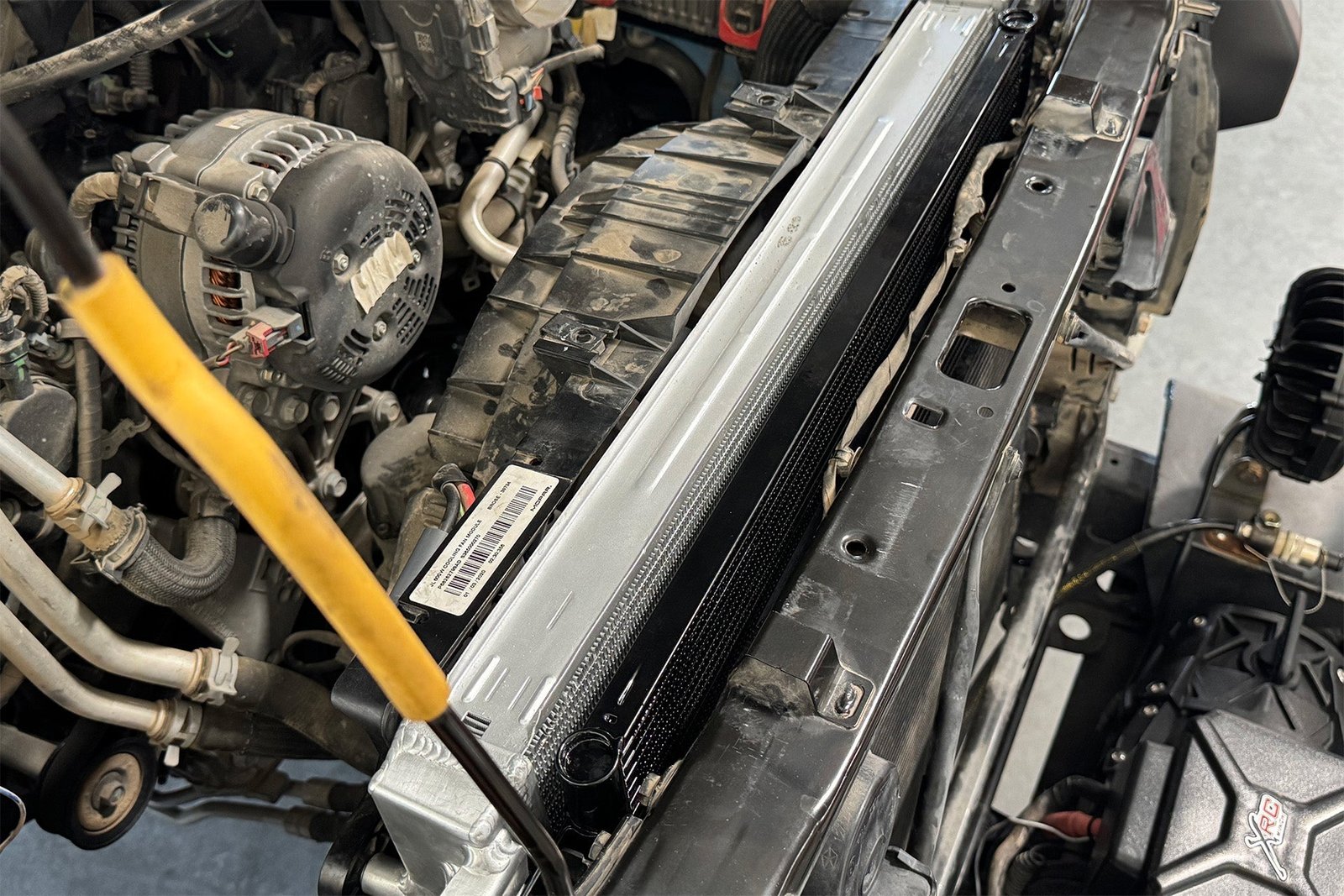
- Radiator: This is the main heat exchanger. Hot coolant from the engine flows through a series of thin tubes and fins. Air passing over these fins dissipates the heat from the coolant.
- Coolant (Antifreeze): A mixture of water and ethylene glycol (or propylene glycol) that circulates through the engine. It absorbs heat from the engine block and then releases it in the radiator. Coolant also contains additives to prevent freezing in cold weather and corrosion in the system.
- Water Pump: This mechanical pump, usually driven by the engine’s serpentine belt, circulates the coolant throughout the system. It ensures a constant flow of coolant from the engine to the radiator and back.
- Thermostat: A temperature-sensitive valve that controls the flow of coolant. When the engine is cold, the thermostat remains closed, preventing coolant from reaching the radiator, allowing the engine to warm up quickly. Once the engine reaches its operating temperature, the thermostat opens, allowing coolant to flow to the radiator for cooling.
- Cooling Fan: This fan pulls air through the radiator, especially when the vehicle is moving slowly or stopped. Jeeps often have electric fans, which are more efficient and can be controlled by the vehicle’s computer.
- Hoses: Flexible rubber or silicone tubes that connect the various components of the cooling system, allowing coolant to flow between the engine, radiator, water pump, and heater core.
- Heater Core: A small radiator located inside the dashboard. Hot coolant flows through it, and the vehicle’s blower fan pushes air over it, providing heat to the cabin.
- Coolant Reservoir (Expansion Tank): This tank stores excess coolant. As the coolant heats up, it expands, and the excess volume is pushed into the reservoir. When the coolant cools down, it contracts, and coolant is drawn back from the reservoir into the system. This maintains proper coolant levels and prevents air from entering the system.
The system operates in a continuous loop. The water pump pushes coolant through the engine block, absorbing heat.
This hot coolant then travels through a hose to the radiator. As air flows over the radiator's fins (either from the vehicle’s movement or the cooling fan), the heat is transferred from the coolant to the air.
The cooled coolant then returns to the engine via another hose, and the cycle repeats. The thermostat ensures this process only happens when necessary, optimizing engine warm-up and efficiency.
Common Jeep Cooling System Problems
Jeeps, especially those that have seen significant off-road use or have accumulated high mileage, are prone to certain cooling system issues. Recognizing these problems early can save you from extensive damage.
Radiator Issues
The radiator is exposed to road debris, dirt, and sometimes impacts off-road, making it susceptible to damage.
- Leaks: Radiators can develop leaks from corrosion, physical damage to the fins or tanks, or faulty seals. Leaks are often visible as puddles of coolant under the front of the vehicle or as green, orange, or pink stains on the radiator itself.
- Clogging: Internal passages within the radiator can become clogged with sediment, rust, or debris over time. This restricts coolant flow, reducing the radiator’s ability to dissipate heat. Symptoms include the engine running hotter than normal, especially under load or at higher speeds.
- Damaged Fins: Bent or damaged radiator fins reduce the surface area available for heat exchange, making the radiator less efficient.
Water Pump Failures
The water pump is a wear item. Its internal seals can degrade, or the bearing can fail.
- Leaking Seals: A common sign of a failing water pump is a leak from the weep hole, located on the pump housing. This hole is designed to allow a small amount of coolant to escape if the internal seal fails, signaling a problem before catastrophic failure.
- Bearing Noise: A worn bearing in the water pump can produce a grinding or whining noise, especially when the engine is running. This noise often changes with engine RPM.
- Impeller Damage: The impeller blades inside the water pump can corrode or break off, especially if the coolant has not been maintained properly or if the system has been run dry. Damaged impellers reduce the pump’s ability to circulate coolant effectively.
Thermostat Malfunctions
The thermostat is a relatively simple but critical component.
- Stuck Closed: If the thermostat gets stuck in the closed position, coolant cannot reach the radiator. This will cause the engine to overheat very quickly, often within minutes of starting. The temperature gauge will rapidly climb into the red zone.
- Stuck Open: If the thermostat gets stuck open, coolant will constantly circulate through the radiator. This can prevent the engine from reaching its optimal operating temperature, especially in cold weather. This leads to poor fuel economy, reduced heater performance, and increased engine wear, as engines are designed to run at a specific temperature.
Cooling Fan Problems
The cooling fan is essential for maintaining airflow through the radiator when the vehicle is stationary or moving slowly.
- Electric Fan Failure: Electric fans can fail due to a faulty motor, blown fuse, bad relay, or a malfunctioning temperature sensor that tells the fan when to turn on. If the fan doesn’t engage, the engine temperature will rise significantly in traffic or when idling for extended periods.
- Fan Clutch Failure (on some older models): Older Jeeps might use a mechanical fan with a fan clutch. If the clutch fails, the fan will not engage properly, leading to reduced airflow and potential overheating.
Hose And Clamp Issues
Rubber hoses degrade over time, becoming brittle, cracked, or soft and spongy.
- Cracked or Leaking Hoses: Old hoses can develop cracks, leading to coolant leaks. A burst hose can cause a sudden and massive loss of coolant, leading to rapid overheating.
- Swollen Hoses: Hoses that have become excessively soft and swollen may be on the verge of failure.
- Loose Clamps: Clamps that secure the hoses to the radiator, water pump, or engine can loosen over time, causing leaks or even allowing a hose to pop off under pressure.
Coolant Leaks And Low Coolant Levels
Any leak in the system, no matter how small, will eventually lead to low coolant levels and potential overheating.
- Head Gasket Leaks: A blown head gasket is a more serious issue. It can allow coolant to leak into the combustion chambers (producing white smoke from the exhaust) or into the oil (making the oil look milky). It can also allow combustion gases to enter the cooling system, causing pressure buildup and overheating.
- Reservoir Leaks: The plastic coolant reservoir can crack or develop leaks, especially at the seams or where hoses connect.

Maintaining Your Jeep’s Cooling System
Regular maintenance is the best defense against cooling system failures. By performing simple checks and adhering to a schedule, you can significantly extend the life of your cooling system components and prevent costly repairs.
Regular Coolant Checks
- Level: Check the coolant level in the expansion tank when the engine is cool. The level should be between the “MIN” and “MAX” marks. If it’s consistently low, you likely have a leak somewhere in the system.
- Condition: The coolant should be a bright, clear color (usually green, orange, pink, or blue, depending on the type). If it looks rusty, cloudy, or has debris floating in it, it’s time for a coolant flush and replacement.
Coolant Flushes And Replacement
- Frequency: Follow your Jeep owner’s manual for the recommended coolant flush interval. This is typically every 30,000 to 60,000 miles, or every 2-5 years.
- Procedure: A coolant flush involves draining the old coolant, flushing the system with a cleaning solution or distilled water to remove sediment and rust, and then refilling with the correct type and mixture of new coolant. Using the wrong type of coolant can cause damage or reduce its effectiveness. Always use the OEM-specified coolant for your Jeep.
- Mixing Coolants: Never mix different types or colors of coolant. This can cause chemical reactions that lead to sludge formation, corrosion, and reduced cooling efficiency.
Inspecting Hoses And Clamps
- Visual Inspection: Regularly examine all coolant hoses for cracks, swelling, hardening, or signs of leaks. Squeeze them gently (when cool) to check for sponginess or brittleness.
- Clamp Tightness: Ensure all hose clamps are tight and not corroded. Replace any damaged or loose clamps.
Checking The Radiator
- External Cleaning: Keep the radiator fins clean. Remove leaves, bugs, dirt, and other debris that can block airflow. You can use a garden hose to gently spray the fins from the back (engine side) to push debris out. Be careful not to bend the delicate fins.
- Leak Detection: Look for any signs of coolant leaks around the radiator seams, tanks, or core.
Testing The Thermostat And Water Pump
- Thermostat: A faulty thermostat is best diagnosed by observing the engine temperature gauge. If the engine overheats quickly, the thermostat is a prime suspect. Replacement is usually the most effective test.
- Water Pump: Listen for unusual noises from the front of the engine, and check for coolant leaks around the water pump housing.
Monitoring The Cooling Fan
- Electric Fans: With the engine at operating temperature, check if the electric cooling fan cycles on and off as needed. You can sometimes trigger it by turning on the air conditioning, as the A/C system often activates the cooling fan.
Enhancing Jeep Cooling Performance
For Jeeps that are used for demanding off-road adventures, towing, or in extremely hot climates, the stock cooling system might need enhancements to cope with the increased heat load.
Upgraded Radiator
- All-Aluminum Radiators: These are lighter and often more efficient than stock copper/brass or plastic/aluminum radiators. They typically have a larger core or more rows, increasing their heat dissipation capacity.
- Higher Fin Density: Radiators with more fins per inch can offer better cooling, but they can also be more prone to clogging if not kept clean.
High-flow Water Pump
A high-flow water pump can increase the volume of coolant circulating through the system, improving its ability to transfer heat away from the engine.
Performance Cooling Fans
- Dual Electric Fans: Replacing a single electric fan with a dual-fan setup can significantly increase airflow through the radiator, especially at low speeds or when stationary.
- More Powerful Motors: Aftermarket fans with more powerful motors can move more air.
Silicone Hoses
While rubber hoses are standard, high-quality silicone hoses offer better durability, heat resistance, and can withstand higher pressures. They are less prone to cracking or swelling.
Auxiliary Transmission Cooler
If you tow frequently or engage in hard off-roading, the transmission can generate a lot of heat. An auxiliary transmission cooler, installed separately from the main engine cooling system, can help keep transmission fluid temperatures down, preventing damage to the transmission.
Engine Oil Cooler
Similarly, an engine oil cooler can help maintain optimal oil temperatures, especially in high-stress situations. Cooler oil provides better lubrication and reduces wear.
Proper Coolant Selection
Using a high-quality coolant designed for high-performance or extreme conditions can offer superior heat transfer properties and corrosion protection compared to basic coolants. Some coolants are specifically designed for water-less systems or extreme temperature ranges.
Troubleshooting Overheating Issues
When your Jeep’s temperature gauge starts creeping up, or the warning light comes on, it’s crucial to act quickly and systematically.
- Pull Over Safely: The first step is always to find a safe place to pull over and turn off the engine. Continuing to drive an overheating engine can cause catastrophic damage.
- Let it Cool Down: Do NOT open the radiator cap or touch any part of the hot cooling system. The system is under pressure, and the coolant is extremely hot. Wait at least 30-60 minutes for the engine to cool down significantly.
- Check Coolant Level: Once cool, carefully check the coolant level in the expansion tank. If it’s low, you’ll need to add coolant. Use the correct type of coolant mixed with distilled water (usually a 50/50 ratio).
- Inspect for Visible Leaks: Look for obvious signs of leaks: puddles under the vehicle, wet spots on hoses, the radiator, or the water pump. Check hose clamps and connections.
- Check Fan Operation: If the engine overheats at idle or low speeds, the cooling fan is a likely culprit. Once the engine is cool enough to safely start, turn it on and check if the fan engages as the temperature rises.
- Listen for Unusual Noises: Any grinding or whining noises from the front of the engine could indicate a failing water pump.
- Check Radiator Fins: Ensure the radiator isn’t severely blocked by debris.
When To Seek Professional Help
If you can’t find the source of the problem, or if the issue seems more complex (like a suspected head gasket leak), it’s best to have your Jeep inspected by a qualified mechanic. They have specialized tools and expertise to diagnose and repair cooling system problems accurately.
Factors Affecting Jeep Cooling Performance
Several external and internal factors can influence how well your Jeep’s cooling system performs. Understanding these can help you anticipate and manage potential issues.
Driving Conditions
- Off-Roading: Slow-speed crawling, steep inclines, and high-load situations generate significant heat. Airflow through the radiator is minimal, placing heavy reliance on the cooling fan.
- Towing: Pulling a trailer, especially uphill or in hot weather, puts a tremendous strain on the engine and cooling system.
- City Driving: Stop-and-go traffic means the engine



















