The idea of a Jeep often brings to mind rugged trails, off-road adventures, and the freedom to explore. Jeeps are built tough, designed for capability.
But what about daily life in the city? Many people wonder about the fuel efficiency of Jeeps, especially in urban environments where stop-and-go traffic and shorter trips are common.
It's a valid concern: will owning a Jeep mean frequent trips to the gas station and a higher fuel bill?
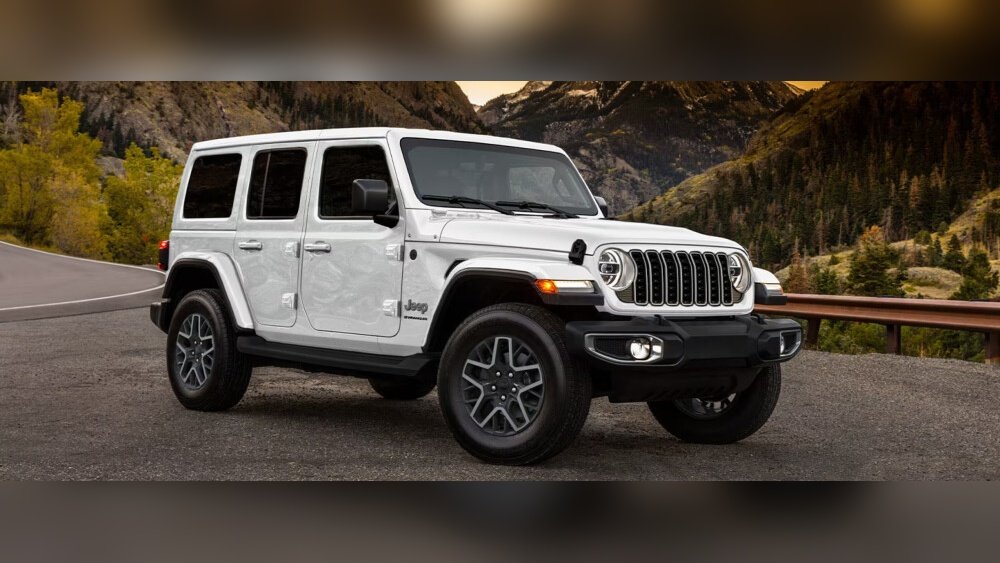
The truth is, Jeep vehicles, like most SUVs and trucks, have historically not been known for their exceptional city mileage. Their design prioritizes durability, power, and off-road prowess, which can sometimes come at the expense of fuel economy. However, the automotive landscape is changing. Manufacturers are increasingly focusing on improving fuel efficiency across their entire lineups, and Jeep is no exception. New technologies, engine options, and design tweaks are making newer Jeep models more competitive in the city.
This article will explore the city mileage of various Jeep models. We’ll look at what factors influence this mileage, how different Jeep models compare, and what you can do to maximize your Jeep’s fuel efficiency when driving in urban areas. Whether you’re considering buying a Jeep or already own one and want to improve its city performance, this guide will provide the information you need.
Understanding Jeep City Mileage: What Affects It?
Before diving into specific Jeep models, it’s crucial to understand what makes city mileage different from highway mileage and what factors specifically impact a Jeep’s fuel consumption in urban settings. City driving is inherently less fuel-efficient than highway driving for any vehicle, and this effect is often amplified in larger, heavier vehicles like many Jeeps.
The Nature Of City Driving
City driving is characterized by frequent stopping and starting, lower average speeds, and more idling. When you brake, the energy your vehicle has built up is lost as heat. When you accelerate again, the engine has to work harder to regain speed, using more fuel. Idling, even for short periods, burns fuel without covering any distance. These factors combine to significantly reduce the miles per gallon (MPG) you achieve in the city compared to cruising on the open road.
Jeep-specific Factors
Several characteristics of Jeep vehicles can influence their city mileage:
- Weight: Jeeps are often built with robust frames and durable materials, making them heavier than many other vehicles. A heavier vehicle requires more energy (and thus more fuel) to accelerate and maintain speed.
- Aerodynamics: The boxy, upright design that gives Jeeps their iconic look and excellent visibility also creates more aerodynamic drag. This drag increases significantly at higher speeds but can still play a role in city driving, especially on faster urban routes.
- Engine Size and Type: Many Jeep models offer powerful engine options, including V6 and V8 engines, which are designed for towing and off-road performance. Larger, more powerful engines typically consume more fuel, especially in demanding city conditions. However, newer Jeeps also offer smaller, more efficient engines, and even hybrid options.
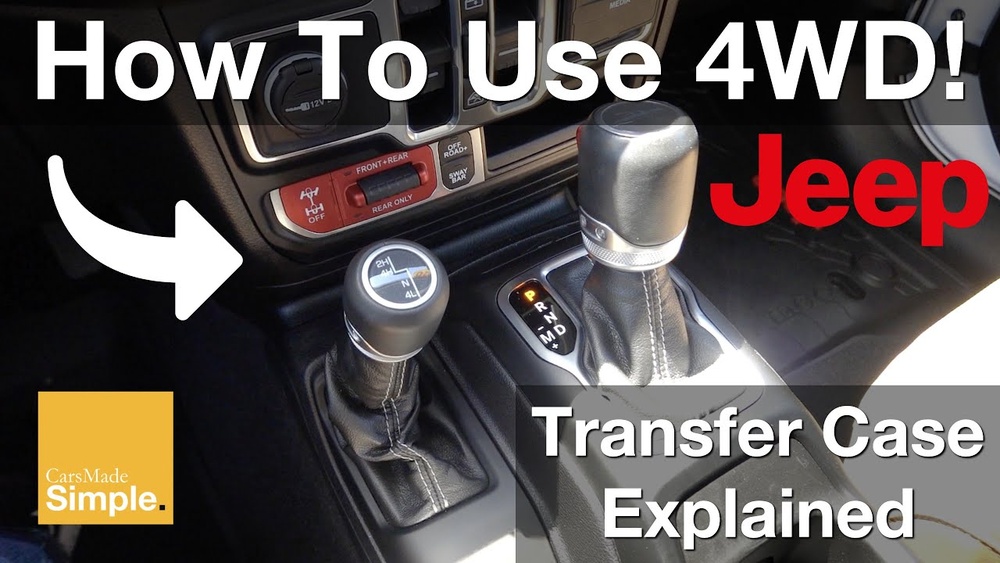
- Drivetrain: While 4×4 systems are a hallmark of the Jeep brand, engaging them can increase fuel consumption. In city driving, most people use a 2WD or ‘Auto’ setting, but even the added weight and mechanical drag of a 4×4 system can have a minor impact.
- Tires: The type and pressure of tires can affect fuel economy. Off-road tires, often found on Jeeps, can have higher rolling resistance than all-season tires, leading to slightly lower MPG.
Technological Advancements
Jeep is actively working to improve the fuel efficiency of its vehicles. Key technologies include:
- Engine Start-Stop: This system automatically shuts off the engine when the vehicle is stopped (e.g., at a red light) and restarts it when the driver lifts their foot off the brake. This significantly reduces fuel consumption from idling.
- Cylinder Deactivation: Some larger engines can shut down half of their cylinders under light load conditions, effectively turning a V8 into a V4, saving fuel.
- Turbocharging and Smaller Displacement Engines: Using turbochargers allows smaller engines to produce power comparable to larger naturally aspirated engines, often with better fuel efficiency.
- Hybrid and Electric Powertrains: Jeep has introduced plug-in hybrid electric vehicle (PHEV) models, such as the Wrangler 4xe and Grand Cherokee 4xe, which offer significant fuel savings, especially for city driving where regenerative braking can recharge the battery.
Jeep City Mileage: Model By Model Breakdown
Understanding how different Jeep models perform in the city requires looking at their official EPA estimates and considering real-world driving conditions. It’s important to remember that EPA estimates are based on standardized tests and your actual mileage may vary.
Compact Suvs: Compass And Renegade
The Jeep Compass and Renegade are Jeep’s smallest offerings, designed with a greater emphasis on urban usability and fuel efficiency compared to their larger siblings.
- Jeep Compass: The Compass typically features a 2.4-liter Tigershark engine paired with a 9-speed automatic transmission. Its city MPG is generally in the range of 22-24 MPG. This makes it one of the more fuel-efficient options for city driving within the Jeep lineup. Its smaller size and lighter weight contribute to better urban fuel economy.
- Jeep Renegade: The Renegade shares some mechanicals with the Compass and often comes with a 1.3-liter turbocharged engine or the aforementioned 2.4-liter. City mileage for the Renegade usually hovers around 22-23 MPG. While competitive for its class, it’s still a Jeep, meaning some compromises on ultimate fuel economy for its rugged styling and capabilities.
Mid-size Suvs: Cherokee And Grand Cherokee
These models offer more space and capability, which often comes with a slight reduction in city MPG.
- Jeep Cherokee: The Cherokee has offered various engine options over the years, including a 2.0-liter turbocharged four-cylinder and a 3.2-liter V6. Depending on the engine and drivetrain (FWD or 4×4), city MPG estimates typically range from 18-21 MPG. The FWD versions tend to be slightly more efficient in the city.
- Jeep Grand Cherokee: The Grand Cherokee is a larger, more premium SUV. With its standard V6 engine, city MPG estimates are usually around 18-19 MPG. Opting for the more powerful V8 engines will lower this figure further, often into the 14-15 MPG range for city driving. The Grand Cherokee L, with its extended wheelbase, may also see slightly lower MPG figures.
The Iconic Wrangler
The Jeep Wrangler is perhaps the most famous Jeep, built for extreme off-roading. This focus means city fuel economy is not its strong suit.
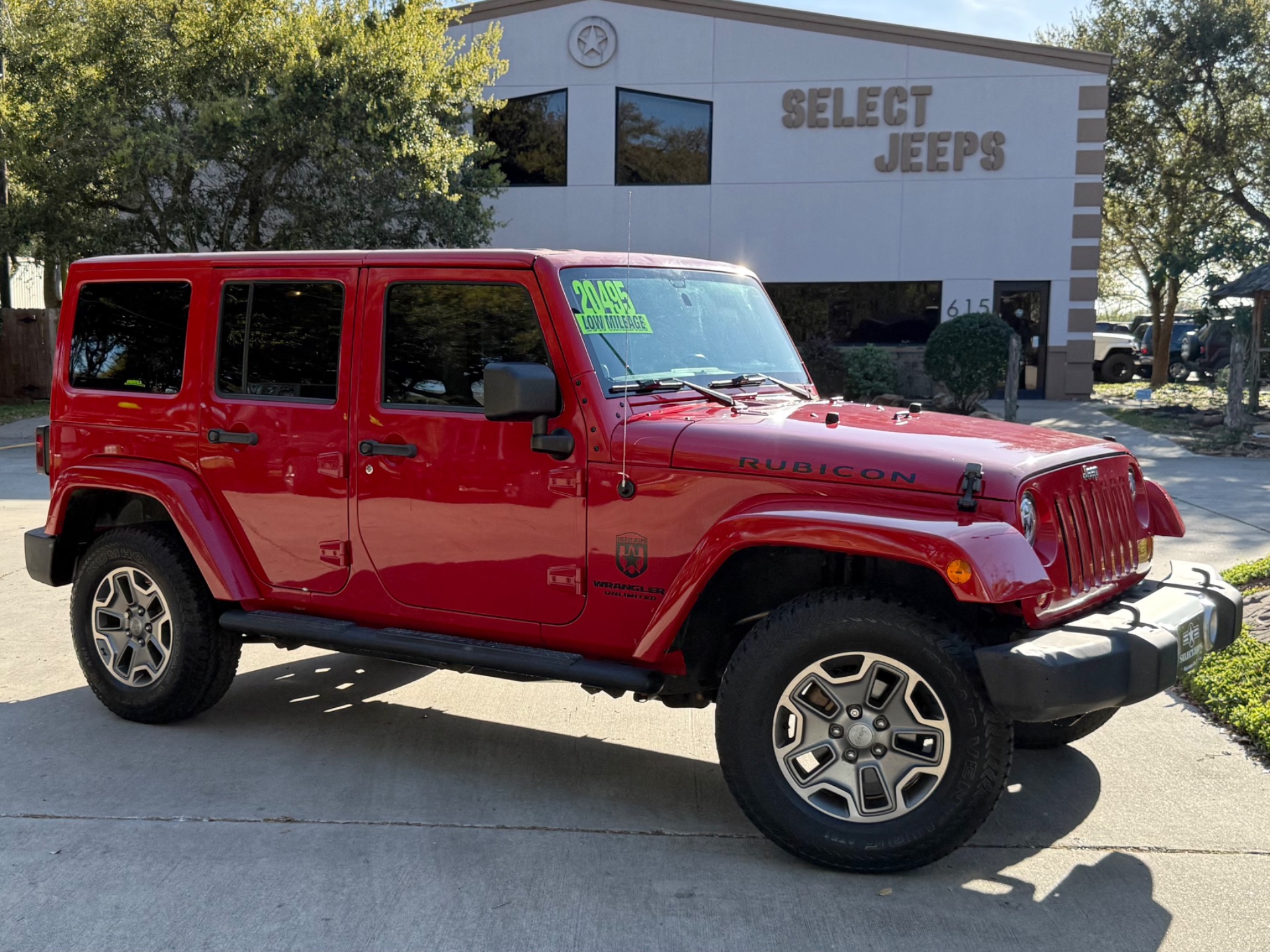
- Jeep Wrangler: The Wrangler typically comes with a 3.6-liter V6 engine, and newer models offer a 2.0-liter turbo-four or a 6.4-liter V8 in the Rubicon 392. Even with the smaller engines, city MPG ratings are often in the 17-19 MPG range for 4×4 models. The larger engines will be less efficient in the city. Its less aerodynamic shape and robust construction contribute to these figures.
Larger Suvs: Wagoneer And Grand Wagoneer
These are the largest and most luxurious Jeeps, offering three rows of seating and powerful engines, typically V8s.
- Jeep Wagoneer & Grand Wagoneer: These models are built on a truck platform and equipped with large displacement engines (e.g., 5.7L V8 or 6.4L V8). As expected, their city MPG ratings are the lowest in the Jeep lineup, often falling into the 13-16 MPG range. They are designed for comfort, capability, and space, with fuel efficiency taking a backseat.
Plug-in Hybrids: The 4xe Models
Jeep’s 4xe models represent a significant leap in fuel efficiency, especially for city driving.
- Wrangler 4xe: This plug-in hybrid version of the Wrangler offers an estimated 49 MPGe (miles per gallon equivalent) in combined city/highway driving when running on electricity and gasoline. In pure electric mode, it can travel around 21 miles. For city driving, where regenerative braking can frequently recharge the battery, the MPGe figures can be even higher, and the reliance on gasoline significantly reduced. When the battery is depleted, its gasoline-only MPG is closer to a standard Wrangler.
- Grand Cherokee 4xe: Similarly, the Grand Cherokee 4xe offers an impressive 56 MPGe combined. It provides an all-electric range of about 25 miles. In city commutes, it’s possible to cover many daily trips using only electric power, drastically cutting down on gasoline consumption.
Here is a comparison of estimated city MPG for some popular Jeep models. Remember, these are EPA estimates and real-world results will vary.
| Jeep Model | Engine Option(s) | Estimated City MPG (2WD/4×4) | Notes |
|---|---|---|---|
| Renegade | 1.3L Turbo-4 / 2.4L 4-cyl | 22-23 MPG (4×4) | Smallest Jeep, decent city MPG for its class. |
| Compass | 2.4L 4-cyl | 22-24 MPG (2WD/4×4) | Similar to Renegade, slightly better city MPG. |
| Cherokee | 2.0L Turbo-4 / 3.2L V6 | 18-21 MPG (2WD/4×4) | V6 and 4×4 reduce city MPG. |
| Wrangler (non-4xe) | 3.6L V6 / 2.0L Turbo-4 / 6.4L V8 | 17-19 MPG (4×4) | Iconic off-roader, city MPG is not its priority. |
| Grand Cherokee | 3.6L V6 / 5.7L V8 | 14-19 MPG (4×4) | Larger SUV, V8 significantly impacts city MPG. |
| Wagoneer / Grand W. | 5.7L V8 / 6.4L V8 | 13-16 MPG (4×4) | Largest Jeeps, lowest city MPG. |
| Wrangler 4xe | 2.0L Turbo-4 PHEV | 49 MPGe (electric+gas) | Excellent for city driving; ~21 miles electric range |
| Grand Cherokee 4xe | 2.0L Turbo-4 PHEV | 56 MPGe (electric+gas) | High MPGe; ~25 miles electric range |
Driving Habits To Improve Jeep City Mileage
Regardless of the Jeep model you drive, your driving habits play a massive role in its city fuel efficiency. Making conscious adjustments to how you drive can lead to noticeable improvements.
Smooth Acceleration And Braking
This is arguably the most impactful change you can make. Aggressive acceleration uses a lot of fuel as the engine works hard to build speed.
Similarly, braking hard wastes energy that could have been used more efficiently.
- Accelerate Gently: Press the accelerator pedal smoothly and gradually. Anticipate traffic flow. You don’t need to reach the speed limit instantly.
- Brake Early and Gently: Look ahead on the road. If you see a red light or slowing traffic, take your foot off the accelerator early and allow the vehicle to coast. Gentle braking is more efficient than sudden stops. For Jeep models with regenerative braking (like the 4xe), this is even more critical for recapturing energy.
Maintain A Steady Speed
City driving often involves constant fluctuations in speed. Where possible, try to maintain a steady pace. This might mean slightly adjusting your speed to match the flow of traffic rather than constantly speeding up and slowing down.
Avoid Excessive Idling
Idling burns fuel without moving the vehicle. If you anticipate being stopped for more than 30 seconds (e.g., waiting for someone, long train crossing), it’s often more fuel-efficient to turn off the engine and restart it when you’re ready to go. Newer Jeeps with engine start-stop technology do this automatically, but you can manually do it too.
Proper Tire Inflation
Under-inflated tires increase rolling resistance, meaning your engine has to work harder to move the vehicle. Check your tire pressure regularly, at least once a month, and ensure they are inflated to the pressure recommended on the sticker inside your driver’s side doorjamb. This is a simple but effective way to improve MPG.
Reduce Unnecessary Weight
The heavier your vehicle, the more fuel it consumes. Remove any unnecessary items from your Jeep, especially from the cargo area.
Extra weight, even something as simple as a forgotten toolbox or sports equipment, adds up.
Plan Your Routes
Combine errands into a single trip to minimize cold starts. A cold engine is less efficient than a warm one. Also, try to plan routes that avoid heavy traffic and frequent stops, if possible. Using navigation apps that provide real-time traffic updates can help you find less congested routes.
Use Air Conditioning Wisely
While AC uses fuel, the impact can be less significant than you might think, especially at lower city speeds. However, at very low speeds, opening the windows might be more efficient than running the AC.
At higher speeds (typically above 40-45 mph), the aerodynamic drag from open windows can be worse for fuel economy than using the AC.
For city driving, it’s a balance.
Maintenance For Optimal Jeep City Mileage
Regular and proper vehicle maintenance is crucial for keeping any car running efficiently, and Jeeps are no exception. Neglecting maintenance can lead to decreased fuel economy.
Regular Oil Changes
Use the recommended grade of motor oil for your Jeep. Clean oil lubricates the engine properly, reducing friction and improving efficiency. Dirty or old oil can increase engine wear and reduce MPG.
Keep Air Filters Clean
A clogged engine air filter restricts airflow to the engine. This forces the engine to work harder and can significantly reduce fuel efficiency. Check your air filter regularly and replace it according to your owner’s manual’s recommendations.
Spark Plug Maintenance
Worn-out spark plugs can cause misfires and incomplete combustion, leading to wasted fuel. Ensure your spark plugs are in good condition and replaced at the recommended service intervals.
Check Engine Light
If your Check Engine light comes on, don’t ignore it. It often