Understanding Jeep Car Boot Loading Space: Maximizing Your Adventure
Jeep vehicles are synonymous with adventure, ruggedness, and the freedom to explore off the beaten path. Whether you're planning a weekend camping trip, a family road holiday, or simply need to haul gear for a hobby, the Jeep car boot loading space is a crucial factor for many buyers.
It's not just about the raw numbers; it's about how that space is shaped, accessed, and utilized. Understanding the nuances of your Jeep's cargo area can make the difference between a smooth, enjoyable journey and a frustrating Tetris-like struggle to fit everything in.
This article will explore the various aspects of Jeep boot space, looking at different models, practical tips for maximizing what you have, and what to consider when choosing a Jeep based on your cargo needs. We’ll break down how factors like body style, seating configuration, and clever design features all play a role in how much you can actually carry.
How Jeep Boot Space Varies Across Models
Jeep offers a diverse range of vehicles, from compact SUVs to larger, more capable off-roaders. This variety means there's a significant difference in boot space from one model to another.
Understanding these differences is key to selecting the right Jeep for your lifestyle.
Compact Suvs: Cherokee And Compass
The Jeep Cherokee and Jeep Compass are designed for urban driving and light off-roading, making them popular choices for families and individuals who need versatility without the bulk of larger SUVs.
The Jeep Cherokee typically offers a respectable boot space for its class. With the rear seats in their upright position, you can expect around 24.6 cubic feet (approximately 696 liters) of cargo volume. This is usually enough for weekly grocery runs, a couple of duffel bags, or sports equipment. When you need more room, the rear seats fold down, expanding the cargo area significantly. This is where the practicality of the boot space really shines, allowing you to carry larger items like furniture, camping gear, or even a bicycle. The shape of the boot is generally well-designed, with a relatively flat floor and usable side pockets for smaller items.
The Jeep Compass, often positioned as a slightly more budget-friendly option, offers a similar, though sometimes slightly smaller, cargo capacity. Expect around 22.0 cubic feet (approximately 623 liters) with the rear seats up. Like the Cherokee, the Compass features folding rear seats to increase capacity when needed. The loading lip height and the width of the opening are important considerations here, especially for bulky items. While not class-leading, the Compass’s boot is perfectly adequate for everyday tasks and weekend adventures.
Mid-size Suvs: Grand Cherokee
The Jeep Grand Cherokee is a step up in size and capability, offering more space and comfort for longer journeys and more demanding adventures. Its larger dimensions translate directly to a more generous boot.
With the rear seats in place, the Grand Cherokee usually provides around 37.7 cubic feet (approximately 1068 liters) of cargo space. This is a substantial area, capable of holding several large suitcases, camping equipment for a family, or larger items for home improvement projects. The rear seats fold down to create a much larger, flatter load floor, significantly increasing the total cargo capacity to over 70 cubic feet (around 1982 liters) in many configurations. The Grand Cherokee often boasts a more sophisticated cargo management system, sometimes including a removable cargo floor, tie-down points, and even a power liftgate for easier access. The height of the boot opening and the depth of the cargo area are key advantages of the Grand Cherokee’s design.
Compact Crossover: Renegade
The Jeep Renegade is the smallest offering from Jeep, focusing on urban maneuverability and a unique, boxy style. Its compact nature means its boot space is more limited, but it’s cleverly designed to be as useful as possible.
The Renegade typically offers around 18.5 cubic feet (approximately 524 liters) of space with the rear seats up. This is suitable for daily essentials, a few shopping bags, or a small stroller. The folding rear seats increase this capacity, but due to its smaller overall footprint, the maximum volume is less than its larger siblings. However, the Renegade’s boxy shape can be an advantage, allowing you to stack items more efficiently than in some more sloped-roof competitors. The height of the boot floor and the width of the tailgate opening are important for loading.
Larger Suvs: Wagoneer And Grand Wagoneer
For those who need maximum space and luxury, the Jeep Wagoneer and Grand Wagoneer are the ultimate choices. These are large, three-row SUVs designed to carry families and all their gear in comfort.
The boot space behind the third row in the Wagoneer models is substantial, often exceeding 27 cubic feet (around 765 liters). This is impressive for a vehicle with a functional third row, allowing for luggage for several passengers even when all seats are in use. When the third-row seats are folded flat, the cargo volume expands dramatically. The Wagoneer models can offer upwards of 70 cubic feet (around 1982 liters) behind the second row, and a massive over 110 cubic feet (around 3115 liters) with both the second and third rows folded. The power-folding rear seats and wide, tall tailgate opening make loading and unloading exceptionally easy. These vehicles are built for carrying capacity, rivaling many minivans.

Practical Tips For Maximizing Your Jeep’s Boot Space
Owning a Jeep with ample boot space is one thing; using it efficiently is another. Here are some practical tips to help you get the most out of your cargo area, no matter which Jeep model you drive.
- Organize with Storage Solutions:
- Cargo Organizers: Invest in a collapsible cargo organizer. These are fabric boxes that fold flat when not in use and provide compartments for groceries, tools, or emergency kits. They prevent items from rolling around and keep your boot tidy.
- Nets and Dividers: Many Jeeps come with or offer optional cargo nets and dividers. These are excellent for securing smaller items and preventing them from shifting during transit, especially on rougher terrain.
- Under-Floor Storage: Some Jeep models, particularly the Grand Cherokee and Wagoneer, feature under-floor storage compartments. These are perfect for stowing away items you need to keep hidden or organized, like a first-aid kit or cleaning supplies.
- Pack Smartly:
- Soft Bags Over Hard Cases: Soft duffel bags are often easier to pack into irregular spaces than rigid suitcases. They can be squeezed and molded to fit around other items.
- Vertical Packing: Where possible, stack items vertically rather than horizontally. This can maximize the use of the boot’s height. Use soft items like blankets or clothing to fill gaps and prevent items from falling over.
- Utilize Seat Backs: When the rear seats are folded, the back of the seats can sometimes offer small storage pockets or can be used to secure items.
- Leverage Folding Seats:
- All Seats Down: For maximum capacity, always fold down the rear seats. Ensure they lie as flat as possible to create a continuous load floor. Some models have 60/40 split-folding seats, allowing you to carry a mix of passengers and cargo.
- Remove Cargo Covers: If your Jeep has a removable cargo cover or parcel shelf, take it out when you need maximum height for taller items. Store it securely at home or in a safe place.
- Consider Roof Racks and Cargo Carriers:
- External Storage: If you frequently need more space than your boot offers, consider a roof rack system. Jeep vehicles are well-suited for roof racks, which can hold luggage carriers, bike racks, kayak mounts, or even rooftop tents.
- Trailer Hitch: For even larger loads, a trailer hitch can be used to tow a trailer or attach a cargo carrier. This is ideal for bulky items like ATVs, motorcycles, or large pieces of equipment.
- Regular Decluttering:
- Empty Unnecessary Items: Regularly clear out your boot of items you no longer need. Old sports equipment, unused tools, or accumulated clutter can significantly reduce usable space. A clean boot is an efficient boot.
Key Features Affecting Jeep Boot Space Usability
Beyond the raw cubic footage, several design features significantly impact how usable your Jeep’s boot space truly is. These elements can make a big difference in your day-to-day experience and during those big packing missions.
Tailgate Design And Opening Height
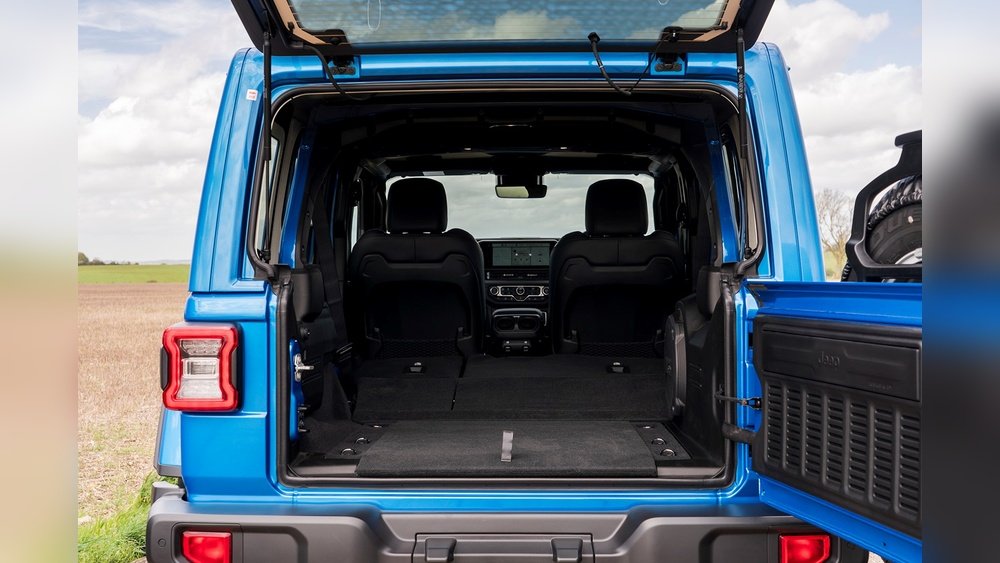
The tailgate design is paramount. A wide, tall opening makes it much easier to load bulky items like furniture, large boxes, or recreational gear. Some Jeeps feature a hands-free power liftgate, which can be incredibly convenient when your hands are full. The height at which the tailgate opens can also be adjusted on some models, preventing it from hitting low garage ceilings. A tailgate that opens vertically is generally more practical than one that swings out to the side in tight parking spaces.
Load Floor Height And Flatness
The height of the load floor from the ground affects how easily you can lift heavy items into the boot. A lower load floor is generally preferred. Equally important is the flatness of the load floor. A completely flat surface, especially when the rear seats are folded down, allows for easier sliding of items and more stable stacking. Some Jeeps offer a dual-level load floor or a reversible cargo mat, adding to the versatility.
Seat Folding Mechanisms
The way the rear seats fold is critical for expanding cargo capacity. Look for seats that fold flat and with minimal effort. Many modern Jeeps feature one-touch folding buttons or 60/40 split-folding capabilities, allowing for flexible configurations. Some higher-end models even offer power-folding rear seats, which can be operated remotely or from the boot itself. The ability to fold seats completely flat creates a seamless extension of the boot floor, maximizing usable volume.
Cargo Management Systems
Advanced cargo management systems can transform a standard boot into a highly organized and functional space. These can include:
- Removable Cargo Floors: These can be lifted out to reveal extra storage or flipped over to provide a more durable, wipe-clean surface.
- Tie-Down Points: Strategically placed tie-down loops or hooks allow you to secure larger items with bungee cords or straps, preventing them from shifting.
- Side Cargo Pockets: Useful for stowing smaller, frequently accessed items like umbrellas, cleaning supplies, or a first-aid kit.
- Integrated Storage Bins: Some models might have built-in bins or compartments within the boot structure.
Third-row Seating Impact
For Jeep models offering third-row seating (like the Wagoneer and Grand Cherokee L), the impact on boot space is significant. When the third row is in use, the cargo area behind it is considerably smaller than in two-row configurations. However, the ability to fold these seats flat dramatically increases the overall capacity. It’s essential to consider how often you’ll use the third row versus how much cargo space you’ll need simultaneously.

Comparing Cargo Space: Jeep Models At A Glance
To provide a clearer picture, here’s a look at the approximate cargo volumes for some popular Jeep models. These figures can vary slightly depending on the specific year, trim level, and optional features.
| Jeep Model | Cargo Space (Seats Up) | Cargo Space (Seats Down) |
|---|---|---|
| Jeep Renegade | ~18.5 cu ft (524 L) | ~50.8 cu ft (1438 L) |
| Jeep Compass | ~22.0 cu ft (623 L) | ~59.8 cu ft (1693 L) |
| Jeep Cherokee | ~24.6 cu ft (696 L) | ~54.7 cu ft (1549 L) |
| Jeep Grand Cherokee | ~37.7 cu ft (1068 L) | ~70.8 cu ft (2005 L) |
| Jeep Grand Cherokee L | ~27.0 cu ft (765 L) | ~84.6 cu ft (2395 L) |
| Jeep Wagoneer | ~27.4 cu ft (776 L) | ~70.8 cu ft (2005 L) |
| Jeep Grand Wagoneer | ~27.2 cu ft (770 L) | ~70.8 cu ft (2005 L) |
*Note: Figures are approximate and can vary by model year and configuration. Always check the specific vehicle’s specifications.*
Choosing A Jeep Based On Your Cargo Needs
When selecting a Jeep, your cargo requirements should be a primary consideration. Think about the types of items you’ll be carrying most frequently and the maximum volume you might need.
- For City Driving and Light Hauls: If your needs are primarily for daily errands, commuting, and occasional trips to the hardware store, the Jeep Renegade or Jeep Compass might suffice. Their smaller footprint makes them easier to park, and their boot space is adequate for everyday life.
- For Families and Weekend Adventures: The Jeep Cherokee or Jeep Grand Cherokee are excellent all-rounders. They offer a good balance of passenger comfort and cargo capacity. The Grand Cherokee, in particular, provides significantly more space for longer trips, camping gear, or larger family outings.
- For Maximum Space and Luxury: If you need to transport large families, multiple pieces of sports equipment, or frequently haul substantial cargo, the Jeep Wagoneer or Grand Wagoneer are the ultimate solutions. Their sheer volume and versatile seating arrangements make them incredibly practical for large groups and big loads. The Grand Cherokee L also offers a strong middle ground for those needing a third row but not the full size of the Wagoneer.
Pro Tip: Don’t just look at the maximum cargo volume. Consider the shape of the boot, the height of the opening, and the ease of access. A slightly smaller boot with a more practical shape and a wider opening might be more useful than a larger boot with awkward dimensions.

Beyond The Boot: Other Jeep Cargo Considerations
While the boot is the primary cargo area, Jeeps often offer other practical solutions for carrying your gear, especially for adventurous pursuits.
Roof Racks And Accessories
Jeep vehicles are often equipped with robust roof rack systems or have mounting points for them. This significantly extends your