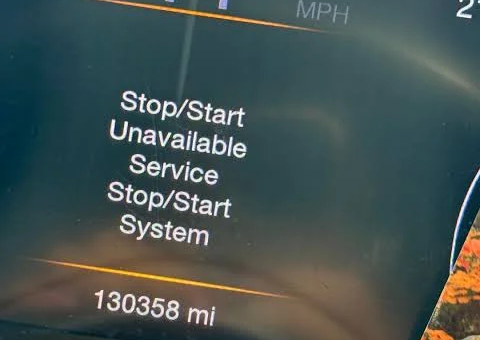
Jeep alert lights are more than just colorful icons on your dashboard—they are your vehicle’s way of talking to you. Whether you drive a rugged Jeep Wrangler or a family-friendly Jeep Grand Cherokee, understanding these lights can save you stress, money, and even prevent accidents.
Many drivers ignore or misinterpret these alerts, but knowing what each one means helps you react quickly and smartly. In this article, you’ll learn how to decode Jeep alert lights, their common causes, and what actions you should take. You’ll also find practical tips, comparison tables, and answers to the most frequent questions.
Let’s make sure your Jeep keeps running smoothly and safely.
What Are Jeep Alert Lights?
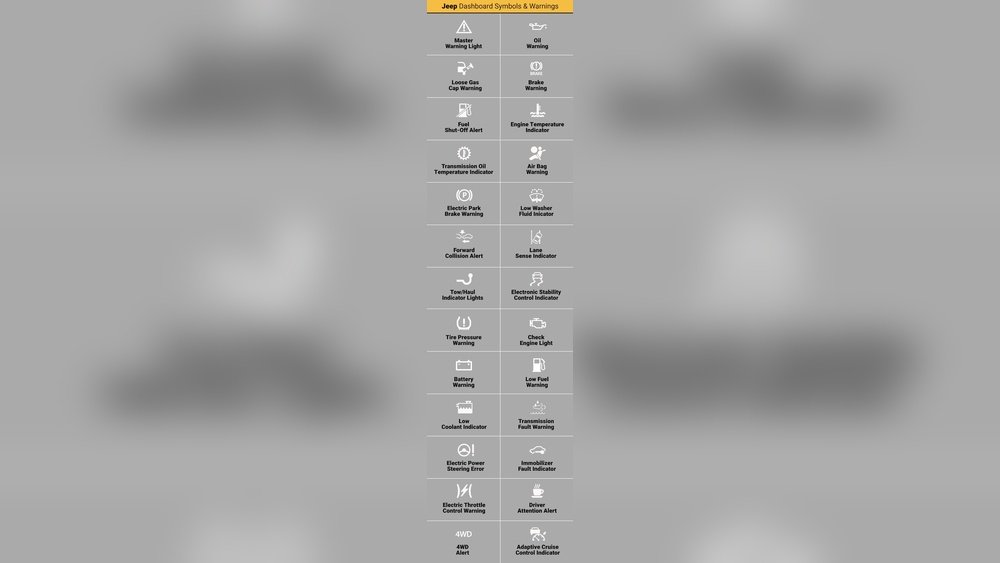
Every Jeep comes with a dashboard full of alert lights. These indicators use symbols and colors to show the status of your vehicle’s key systems. Some lights are reminders, while others warn about serious problems.
Types Of Alert Lights
Jeep alert lights are divided into three main groups:
- Warning Lights: Usually red or yellow. They signal urgent issues like engine problems or low oil pressure.
- Indicator Lights: Often green or blue. They show normal operations, such as headlights being on or cruise control activated.
- Information Lights: Sometimes white or amber. They give you info, like when it’s time for maintenance.
Each light has a unique symbol. Most drivers recognize the basics, but some icons are less obvious. For example, a red battery symbol means battery charging trouble, but a yellow triangle with an exclamation mark is a general warning.
Jeep Alert Light Colors And What They Mean
Colors on your dashboard are not just for decoration. They are coded to show urgency.
| Color | Meaning | Action Required |
|---|---|---|
| Red | Serious problem or safety risk | Stop driving immediately |
| Yellow/Amber | Warning—needs attention soon | Check and fix as soon as possible |
| Green/Blue | System active or info | No immediate action needed |
Most Jeep alert lights follow this color code. For example, a red oil can icon means stop immediately to prevent engine damage.
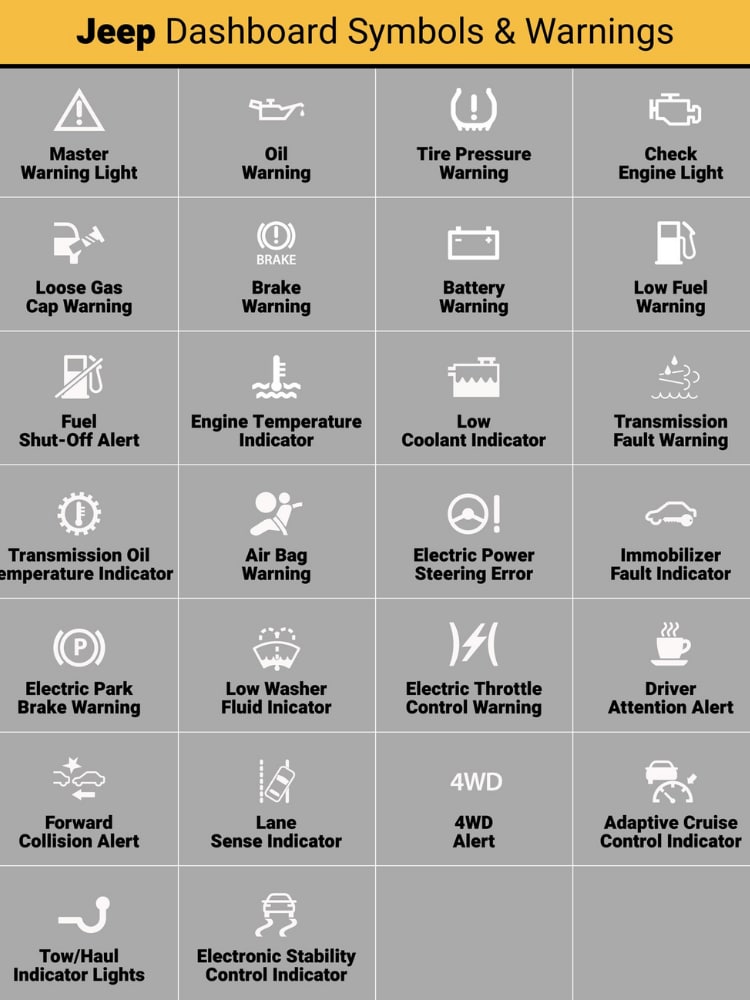
Common Jeep Alert Lights Explained
Jeep vehicles have more than 30 alert lights, but some appear more often than others. Here are the most common ones:
- Check Engine Light (Yellow/Amber): This is the most feared alert. It can mean anything from a loose gas cap to serious engine trouble.
- Oil Pressure Warning (Red): A red oil can icon signals low oil pressure. If this lights up, stop your Jeep right away.
- Battery Charge Warning (Red): A red battery symbol means your alternator isn’t charging the battery. Driving further may leave you stranded.
- Brake Warning Light (Red/Yellow): This light indicates problems with brake fluid, brake pads, or the ABS system.
- Tire Pressure Monitoring Light (Yellow): Looks like a horseshoe with an exclamation mark. It means one or more tires are under-inflated.
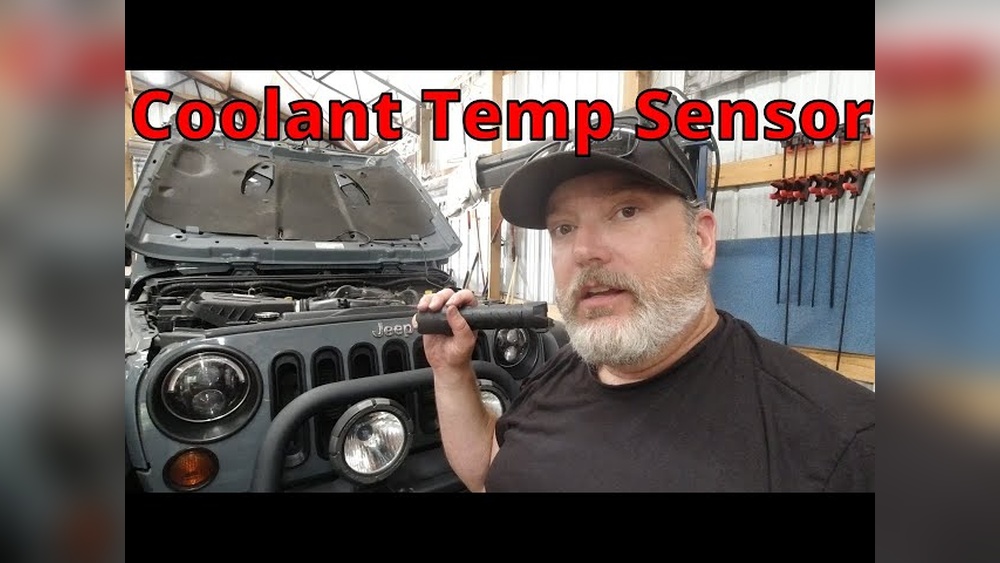
- Temperature Warning (Red): Usually a thermometer symbol. Your engine is overheating.
- Airbag Warning (Red): A red icon showing a person with a circle. It means the airbag system isn’t working right.
- Traction Control Light (Yellow): Shows a car with squiggly lines. This means the traction control system is active or malfunctioning.
- Service Reminder (Amber): Reminds you to schedule routine maintenance, like oil changes or filter replacements.
- Door Ajar Warning (Red): Indicates that a door isn’t fully closed.
Example: Check Engine Light
When the check engine light comes on, many Jeep owners panic. But it’s not always a disaster. Most times, it’s due to:
- Loose gas cap
- Faulty oxygen sensor
- Bad spark plugs
- Exhaust issues
You can drive with this light, but get it checked soon. Ignoring it can cause bigger problems later.
Jeep Alert Lights: Causes And Solutions
Each alert light has common causes. Knowing these helps you decide whether to fix the issue yourself or see a mechanic.
| Alert Light | Possible Causes | Recommended Action |
|---|---|---|
| Check Engine | Loose gas cap, oxygen sensor, spark plugs | Check gas cap, visit mechanic if persists |
| Oil Pressure | Low oil, oil pump failure | Add oil, call for service |
| Battery | Bad alternator, weak battery | Test battery, replace if needed |
| Brake | Low brake fluid, worn pads | Check fluid, inspect pads |
| Tire Pressure | Low tire air, sensor failure | Inflate tires, check sensors |
| Temperature | Coolant leak, broken thermostat | Stop driving, check coolant |
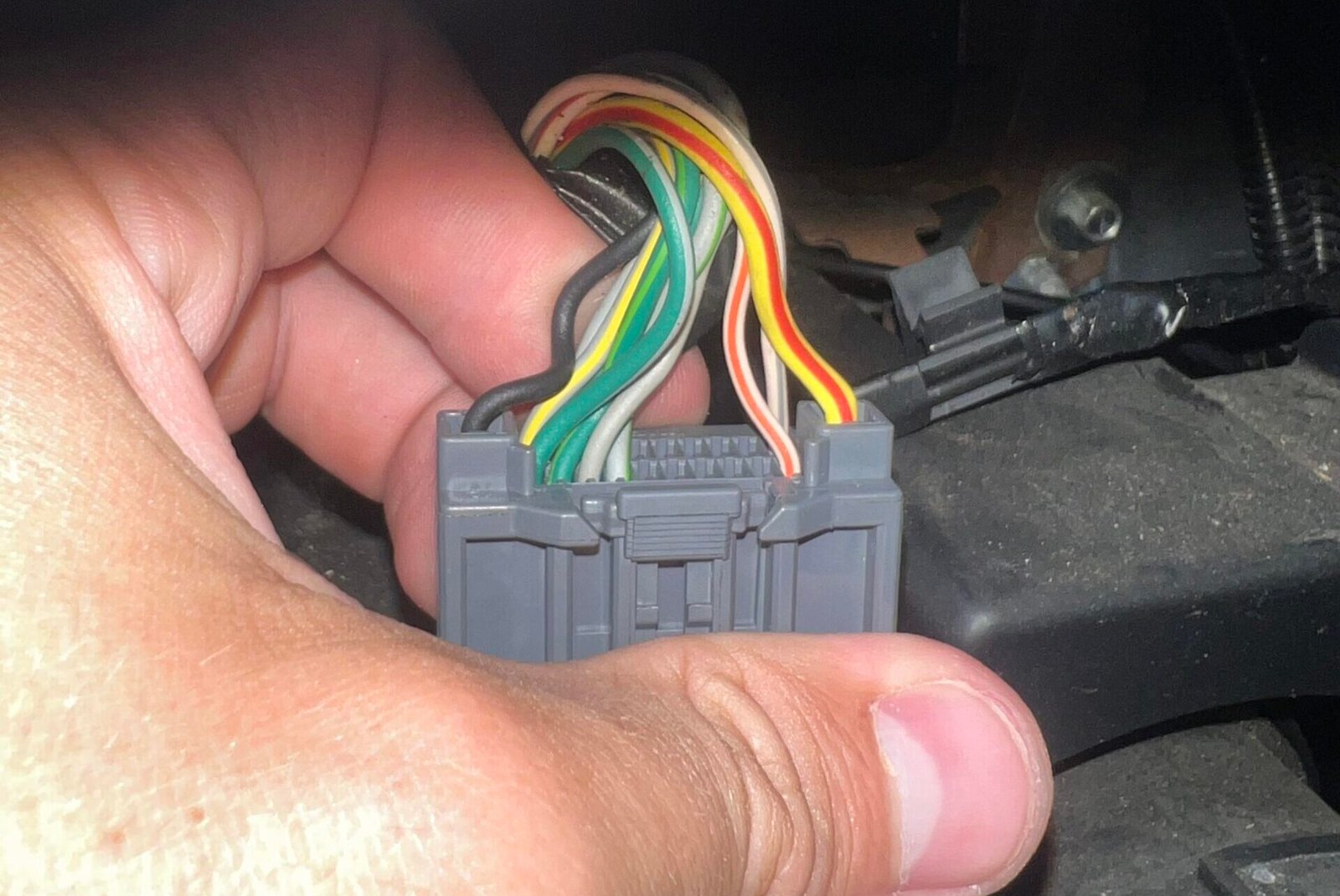
| Airbag | Sensor fault, wiring issue | Visit mechanic |
Non-obvious Insights
- Many people don’t realize that some lights—like the tire pressure symbol—can light up in cold weather even if the tire is fine. Air contracts in cold, so tires may look under-inflated even when they are safe.
- The brake warning light can also appear if you use the parking brake while driving. Always check if the parking brake is fully released before worrying.
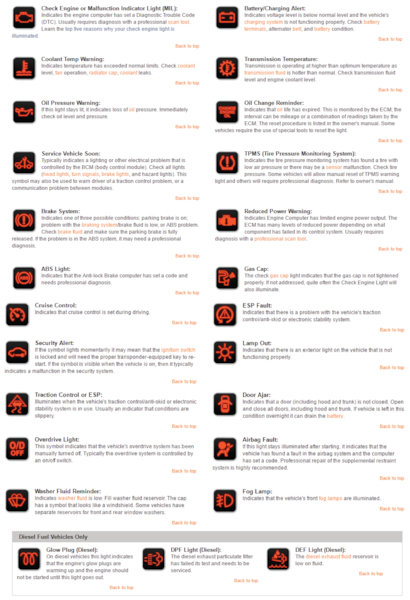
How To Respond To Jeep Alert Lights
Reacting quickly and correctly to alert lights prevents bigger issues. Here’s what to do:
- Red Lights: Stop as soon as it’s safe. Check for obvious problems, like overheating or brake failure. Call for help if needed.
- Yellow Lights: Investigate soon. Check fluid levels, tire pressure, or schedule a mechanic visit.
- Green/Blue Lights: No immediate action needed. These show normal operations.
Practical Tips
- Always keep a basic tool kit and tire pressure gauge in your Jeep.
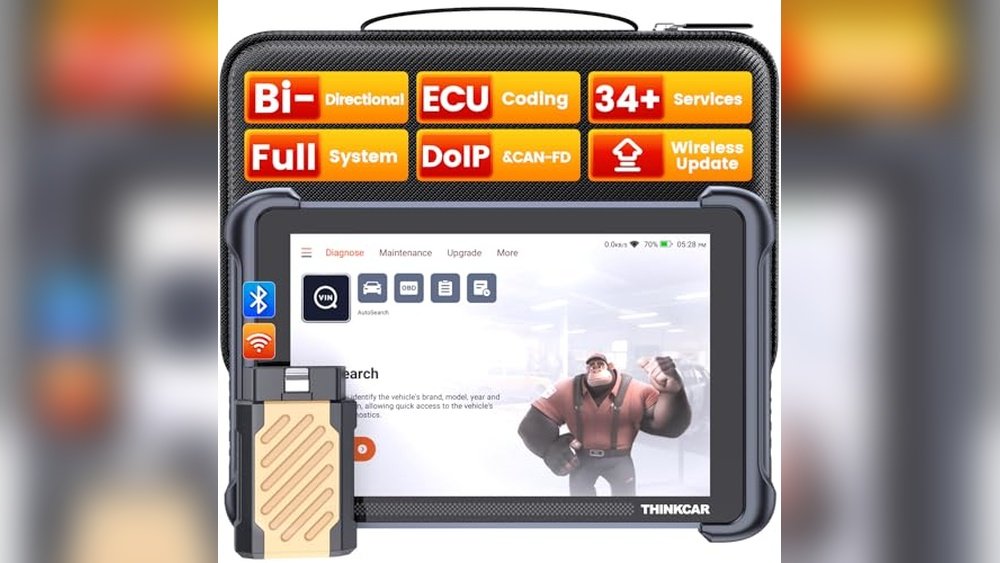
- If unsure, use a smartphone app or OBD-II scanner to read error codes before visiting the mechanic.
- Don’t ignore repeated alerts—even if your Jeep seems to run fine.
Jeep Models And Alert Lights: Differences
Jeep alert lights vary by model and year. Some new Jeeps have advanced systems with more lights, while older models keep it simple.
| Jeep Model | Common Alert Lights | Advanced Features |
|---|---|---|
| Wrangler | Basic warning lights, tire pressure, check engine | Off-road alerts, sway bar status |
| Grand Cherokee | Full set of alert lights, brake, battery, oil | Adaptive cruise, lane departure, blind spot |
| Renegade | Check engine, tire pressure, traction control | Electronic parking brake, hill start assist |
Newer Jeeps can alert you to more issues, including lane departure and blind spot warnings. If you own an older Jeep, expect fewer lights and simpler symbols.
https://www.youtube.com/watch?v=Ym7MFXb9U_gJeep Alert Light Myths And Mistakes
Many Jeep owners make errors with alert lights. Here are the most common myths:
- “If the light turns off, the problem is gone.” Some issues are intermittent, and the light may turn off temporarily. Always check for stored error codes.
- “All alert lights mean you must stop driving.” Only red lights require immediate action. Yellow or amber lights can wait until you’re safe.
- “You can reset alert lights by disconnecting the battery.” This sometimes works, but it hides the problem—not fixes it.
Real-world Example
A Jeep Cherokee owner saw the tire pressure light in winter. After inflating the tires, the light stayed on. The issue was a faulty sensor, not a flat tire. Don’t assume the obvious cause—check all possibilities.
Preventing Jeep Alert Lights
You can reduce the chance of seeing alert lights by maintaining your Jeep regularly.
- Change oil and filters as recommended.
- Check tire pressure monthly.
- Inspect battery and brake fluid.
- Listen for unusual noises or smells.
- Use quality parts and fluids.
Extra Tip
Many drivers miss this: When you wash your Jeep, avoid spraying water directly on sensors or electrical connectors. Water can cause alerts by shorting sensors.

Jeep Alert Lights Vs. Other Brands
Jeep uses standard symbols, but some are unique compared to other brands.
- Jeep’s off-road alert lights: These include sway bar and axle lock alerts, which are rare in other vehicles.
- Jeep’s adaptive system lights: New models have alerts for lane keeping and blind spot monitoring.
Compared to Toyota or Ford, Jeep uses more alerts for off-road and rugged conditions.
Where To Find Jeep Alert Light Information
The Jeep owner’s manual is your best source for alert light meanings. It includes clear diagrams and solutions. You can also use official Jeep websites or trusted auto resources.
If you want more details on dashboard symbols and car safety, check out Wikipedia’s dashboard article.
Frequently Asked Questions
<!– wp:rank-math/faq-block {"questions":[{"id":"faq-question-17f7e852358e","title":"What Should I Do If A Jeep Alert Light Comes On While Driving?","content":"First, check the color of the light. If it’s red, stop as soon as you can. For yellow or amber, drive carefully and check the issue soon. If unsure, call a mechanic or use an OBD-II scanner.
“,”visible”:true},{“id”:”faq-question-a84e597abf54″,”title”:”Can I Drive With The Check Engine Light On?”,”content”:”You can drive if the light is yellow and your Jeep runs fine. But schedule a check soon. If the light turns red or flashes, stop and seek help right away.
“,”visible”:true},{“id”:”faq-question-f4491ecfd520″,”title”:”Why Does My Tire Pressure Light Come On In Cold Weather?”,”content”:”Cold air makes tires contract, lowering pressure. The sensor may see this as under-inflation. Inflate tires to the recommended PSI. If the light stays on, check for sensor problems.
“,”visible”:true},{“id”:”faq-question-fb22a186343a”,”title”:”How Do I Reset Jeep Alert Lights?”,”content”:”Some lights reset after fixing the problem, like inflating tires or closing a door. For others, you need a mechanic or a diagnostic tool to clear error codes.
“,”visible”:true},{“id”:”faq-question-e02b3a8e2398″,”title”:”Are Jeep Alert Lights The Same For All Models?”,”content”:”Most symbols are similar, but newer models have extra alerts for advanced features. Always check your owner’s manual for your specific Jeep.
Understanding Jeep alert lights puts you in control. You’ll know when to act fast and when to relax. By learning these icons, you protect your Jeep and your safety. Stay alert, drive smart, and enjoy the road ahead.
“,”visible”:true}]} –>What Should I Do If A Jeep Alert Light Comes On While Driving?
First, check the color of the light. If it’s red, stop as soon as you can. For yellow or amber, drive carefully and check the issue soon. If unsure, call a mechanic or use an OBD-II scanner.
Can I Drive With The Check Engine Light On?
You can drive if the light is yellow and your Jeep runs fine. But schedule a check soon. If the light turns red or flashes, stop and seek help right away.
Why Does My Tire Pressure Light Come On In Cold Weather?
Cold air makes tires contract, lowering pressure. The sensor may see this as under-inflation. Inflate tires to the recommended PSI. If the light stays on, check for sensor problems.
How Do I Reset Jeep Alert Lights?
Some lights reset after fixing the problem, like inflating tires or closing a door. For others, you need a mechanic or a diagnostic tool to clear error codes.
Are Jeep Alert Lights The Same For All Models?
Most symbols are similar, but newer models have extra alerts for advanced features. Always check your owner’s manual for your specific Jeep.
Understanding Jeep alert lights puts you in control. You’ll know when to act fast and when to relax. By learning these icons, you protect your Jeep and your safety. Stay alert, drive smart, and enjoy the road ahead.