The Jeep 4. 0 serpentine belt diagram is a vital tool for anyone working on Jeep vehicles with the 4.
0-liter engine. If your Jeep’s belt slips, squeals, or breaks, knowing the exact routing can save hours of frustration.
Many owners, especially beginners, struggle to find clear diagrams or instructions. Here, you’ll discover not only the diagram but also the four key parts the belt connects, practical advice for replacement, and how to avoid common mistakes.
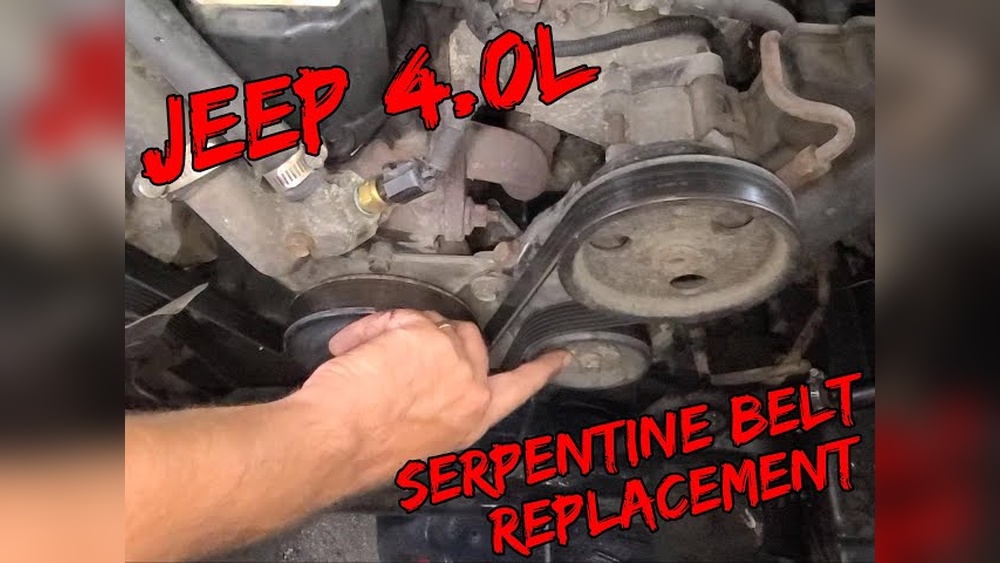
Whether you drive a classic Cherokee, Wrangler, or Grand Cherokee, this guide will help you keep your engine running smoothly.
Understanding The Jeep 4.0 Serpentine Belt System
The serpentine belt is a single, long belt that winds around several pulleys. Unlike older engines with multiple belts, the Jeep 4.0 uses one serpentine belt to power everything. This means if it fails, several crucial systems stop working at once. The belt connects four main items: crankshaft pulley, alternator, power steering pump, and air conditioning compressor. Each part has its own role, and the belt must be routed exactly right for the system to work.
Why The Diagram Matters
Many Jeep engines look similar, but the exact routing can differ. Using the wrong diagram—or guessing—leads to mistakes like reversed routing, missed pulleys, or even damage. A clear diagram removes uncertainty and helps you finish the job faster.
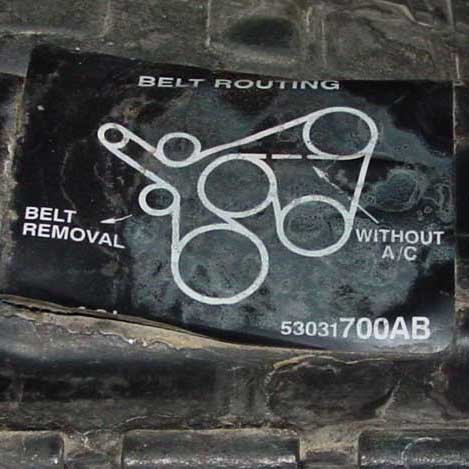
Jeep 4.0 Serpentine Belt Diagram
For most Jeep 4.0 engines (especially 1991–2006 models), the routing is as follows:
- The belt starts at the crankshaft pulley (bottom center).
- It winds up to the power steering pump (top left).
- Then across to the alternator (top right).
- Finally, it wraps around the air conditioning compressor (middle right).
The tensioner pulley is also involved, keeping the belt tight. Here’s a visual comparison for clarity:
| Pulley | Position | Connected to Belt? |
|---|---|---|
| Crankshaft | Bottom center | Yes |
| Power Steering Pump | Top left | Yes |
| Alternator | Top right | Yes |
| Air Conditioning Compressor | Middle right | Yes |
| Tensioner Pulley | Middle | Yes |
The 4 Key Items In The Belt System
Each item is essential. Let’s break them down:
1. Crankshaft Pulley
The crankshaft pulley is the main driver. It sits at the bottom front of the engine. When the engine runs, this pulley turns the belt. If the crankshaft pulley is damaged or misaligned, the belt won’t work properly. Always check this pulley for wear when replacing the belt.
2. Alternator
The alternator is located at the upper right of the engine. It creates electricity for your Jeep. If the belt slips here, you’ll notice dim lights or a dead battery. Some beginners overlook the alternator when routing the belt, causing charging problems.
3. Power Steering Pump
The power steering pump sits at the upper left. It makes steering easier by using hydraulic power. If the belt isn’t tight here, steering becomes heavy. Always make sure the belt fits snugly around this pulley, or your steering may fail.
4. Air Conditioning Compressor
The air conditioning compressor is on the middle right. It keeps your cabin cool. If the belt skips this pulley, your AC won’t work. Many Jeep owners don’t realize that skipping the compressor can affect belt tension, leading to squealing or early failure.
Here’s a quick comparison of what happens if each item fails:
| Component | Effect of Belt Failure | Common Symptoms |
|---|---|---|
| Crankshaft Pulley | All accessories stop | No power, engine stalls |
| Alternator | No charging | Dead battery, dim lights |
| Power Steering Pump | No power steering | Heavy steering, noise |
| AC Compressor | No air conditioning | Warm cabin, squealing belt |
Step-by-step Belt Replacement Guide
Changing the serpentine belt is not difficult, but a few details matter:
- Locate the tensioner pulley. This is usually near the center and keeps the belt tight.
- Release tension. Use a wrench to rotate the tensioner, and the belt will loosen.
- Remove the old belt. Slide it off each pulley, noting the routing.
- Install the new belt. Follow the diagram carefully, making sure it wraps each pulley in the correct order.
- Check alignment. The belt should sit squarely on every groove.
- Restore tension. Let the tensioner return to position. Double-check tension—too loose means squealing, too tight can cause damage.
Practical tip: Take a photo of the old belt before removing it. If you get confused, you have a reference.

Non-obvious Insights For Beginners
- Check pulley condition before installing a new belt. Worn or dirty pulleys can destroy a new belt quickly.
- Don’t overtighten the tensioner. Many beginners make the belt too tight, which wears out bearings in the alternator or AC compressor.
- Watch for misalignment. If any pulley sits at an angle, the belt will slip or shred. Always check alignment after installation.
Common Jeep 4.0 Belt Mistakes
Many Jeep owners make these errors:
- Routing mistakes: Missing one pulley or reversing the belt can cause immediate failure.
- Ignoring noise: Squealing often means the belt is loose or misaligned—not normal.
- Skipping tensioner check: If the tensioner is weak, the new belt won’t last.
Here’s a comparison of correct and incorrect belt installation:
| Installation | Result | Symptoms |
|---|---|---|
| Correct Routing | All accessories work | Smooth operation |
| Missed Pulley | Accessory fails | Noise, system failure |
| Overtightened | Bearing damage | Whining, early failure |
Frequently Asked Questions
<!– wp:rank-math/faq-block {"questions":[{"id":"faq-question-c8bea4c9b2c0","title":"How Often Should I Replace The Jeep 4.0 Serpentine Belt?","content":"Most experts recommend changing the belt every 60,000 to 90,000 miles. If you notice cracks, fraying, or noise, replace it sooner.
“,”visible”:true},{“id”:”faq-question-8213cdee454a”,”title”:”Can I Drive My Jeep If The Serpentine Belt Breaks?”,”content”:”No. Without the belt, you lose power steering, alternator, and AC. The engine can also overheat quickly.
“,”visible”:true},{“id”:”faq-question-7f085b7bb423″,”title”:”What’s The Best Serpentine Belt Brand For Jeep 4.0?”,”content”:”Popular options are Gates, Dayco, and Mopar OEM. Choose a quality brand for longer life and less noise.
“,”visible”:true},{“id”:”faq-question-1da0b68bf3c6″,”title”:”How Do I Know If My Belt Is Installed Correctly?”,”content”:”Check that the belt sits in every pulley groove and follows the diagram exactly. Start the engine and listen for noise—there should be none.
“,”visible”:true},{“id”:”faq-question-2506a9824154″,”title”:”Where Can I Find More Jeep 4.0 Diagrams?”,”content”:”Visit RockAuto for more diagrams and parts information.
Replacing the Jeep 4.0 serpentine belt is a job you can handle with confidence. Use the diagram, check each pulley, and avoid common mistakes. With careful work, your Jeep will stay reliable for years to come.
“,”visible”:true}]} –>How Often Should I Replace The Jeep 4.0 Serpentine Belt?
Most experts recommend changing the belt every 60,000 to 90,000 miles. If you notice cracks, fraying, or noise, replace it sooner.
Can I Drive My Jeep If The Serpentine Belt Breaks?
No. Without the belt, you lose power steering, alternator, and AC. The engine can also overheat quickly.
What’s The Best Serpentine Belt Brand For Jeep 4.0?
Popular options are Gates, Dayco, and Mopar OEM. Choose a quality brand for longer life and less noise.
How Do I Know If My Belt Is Installed Correctly?
Check that the belt sits in every pulley groove and follows the diagram exactly. Start the engine and listen for noise—there should be none.
Where Can I Find More Jeep 4.0 Diagrams?
Visit RockAuto for more diagrams and parts information.
Replacing the Jeep 4.0 serpentine belt is a job you can handle with confidence. Use the diagram, check each pulley, and avoid common mistakes. With careful work, your Jeep will stay reliable for years to come.