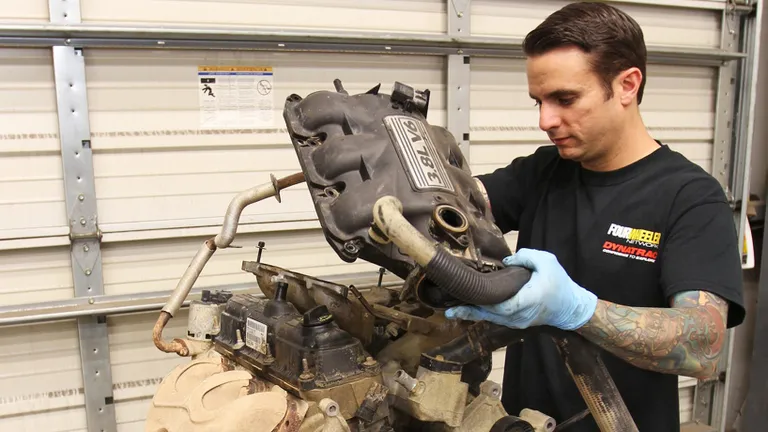
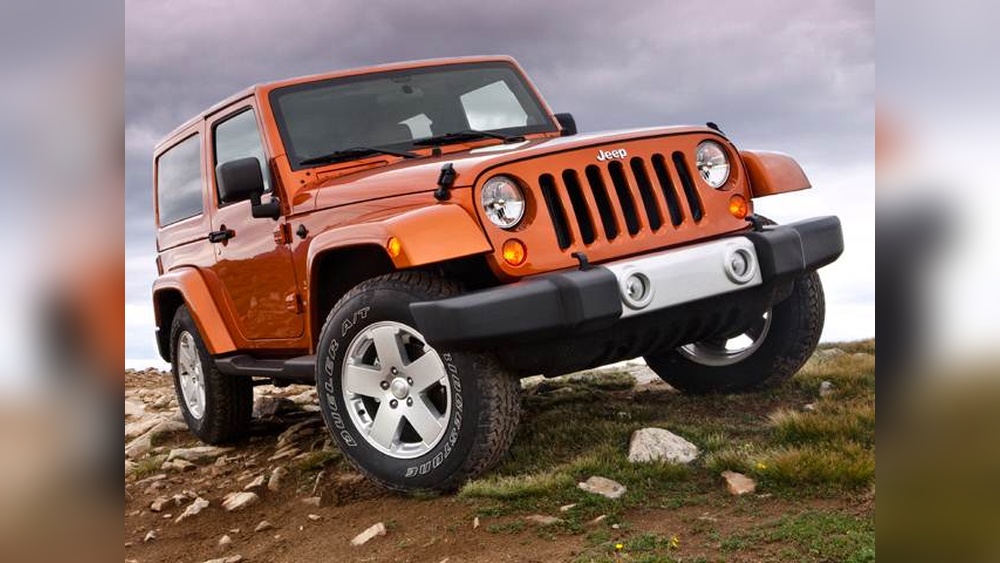
If you drive a Jeep with the 3. 8L V6 engine, you might have heard mixed opinions about its reliability.
Some Jeep owners enjoy years of solid performance, while others face unexpected repairs. Why does this engine create such debate?
The answer lies in its unique strengths and several well-known weaknesses. Whether you own a Jeep Wrangler JK, a Grand Caravan, or another Chrysler vehicle using this engine, it’s smart to learn about the most common Jeep 3.
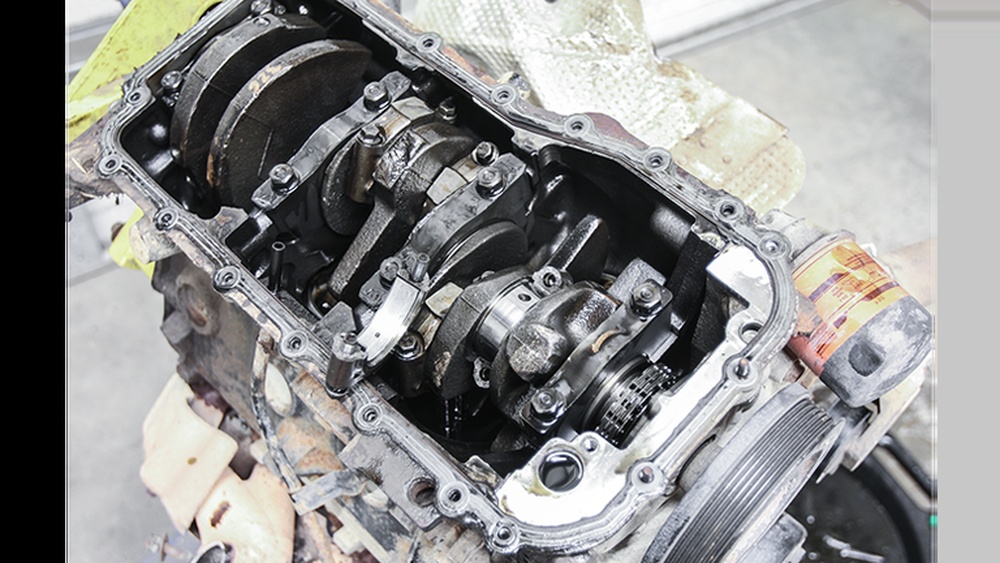
8 engine problems. By understanding the typical issues, you can keep your Jeep running longer, avoid costly surprises, and make better decisions about maintenance or repairs.
This article breaks down the three most frequent and serious problems with the Jeep 3. 8 engine.
You’ll learn what causes each issue, how to spot early warning signs, and the best ways to fix them. Many drivers miss subtle symptoms at first, leading to bigger breakdowns later.
Here, you’ll get practical advice that goes beyond basic maintenance tips—so you can stay ahead of trouble and get the most from your Jeep.
Overview: Jeep 3.8l V6 Engine
The 3.8L EGH V6 engine was used in Jeep Wranglers from 2007 to 2011. It’s also found in some Chrysler minivans and Dodge vehicles. This engine makes about 202 horsepower and 237 lb-ft of torque. While it’s not the most powerful V6, it’s known for its simplicity and easy servicing. However, owners and mechanics have reported some recurring problems, especially as these vehicles age.
What makes the Jeep 3. 8 engine different?
It uses a cast iron block and aluminum heads, with a timing chain instead of a belt. The engine is generally durable, but some components wear out faster than expected.
Let’s look at the three main trouble spots.
1. Excessive Oil Consumption
Excessive oil consumption is the most common complaint with the Jeep 3.8 engine. Many owners notice their oil level dropping between changes, sometimes by as much as one quart every 1,000 miles.
Causes
- Worn piston rings: Over time, the rings can lose tension, letting oil slip past into the combustion chamber.
- Valve stem seal leaks: Hardened or cracked seals allow oil to enter the cylinders.
- PCV system issues: If the Positive Crankcase Ventilation valve is blocked or stuck open, it can pull oil into the intake.
Symptoms
- Blue smoke from the exhaust, especially at startup.
- Oil level dropping quickly between changes.
- Fouled spark plugs, leading to rough idle or misfires.
Why It Matters
Running low on oil can damage the engine’s bearings and camshaft. In severe cases, it causes engine failure. Jeep didn’t issue a recall for this problem, so owners must check oil regularly and top up as needed.
Solutions
- Check oil every 1,000 miles and top up if needed.
- Inspect and replace the PCV valve annually.
- If oil consumption is over one quart per 1,000 miles, a leak-down test can find worn rings or valve seals.
- Repairing piston rings or valve seals is expensive. Many owners wait until a larger rebuild is necessary.
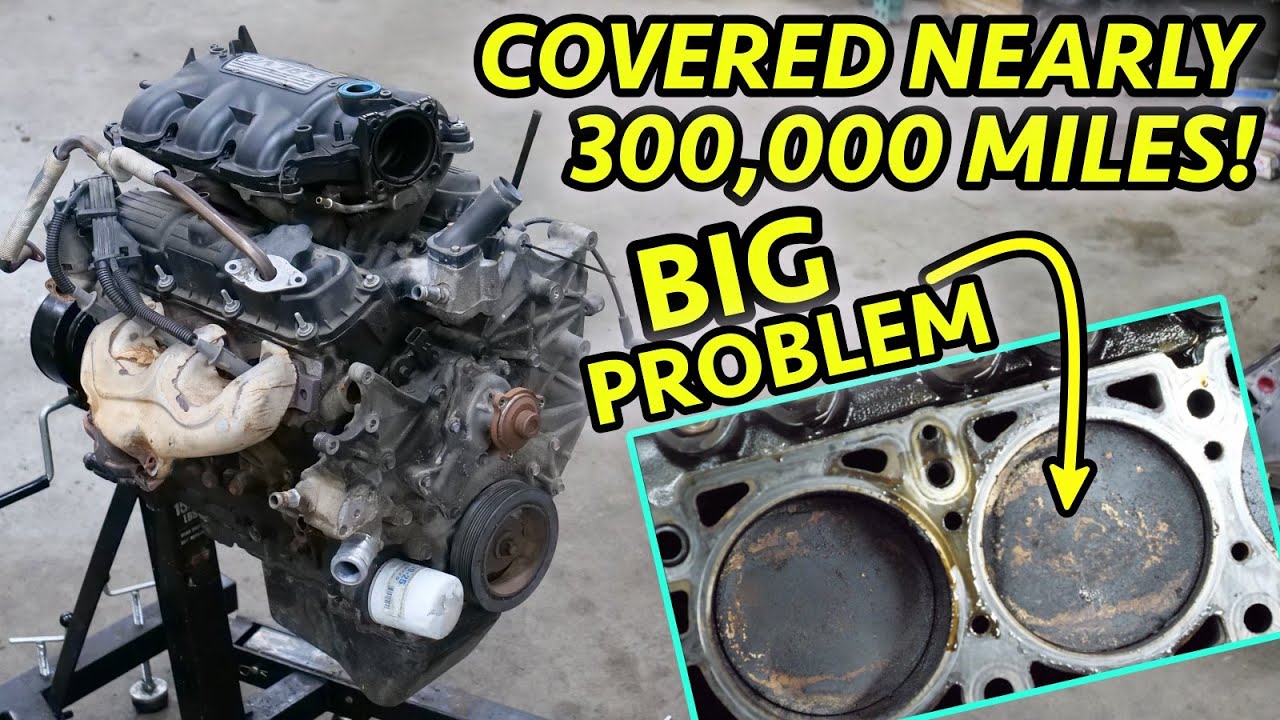
Many Jeep 3. 8 engines begin using more oil after 80,000–100,000 miles.
Some owners are surprised to learn that oil consumption can increase suddenly—often after switching oil brands or using thinner grades. Stick to the recommended oil weight and avoid long intervals between changes.
2. Leaking Head Gaskets
Head gasket failure is another serious issue for the Jeep 3.8 engine, though less common than oil burning. The head gasket sits between the engine block and cylinder head, sealing coolant and oil passages.
Causes
- Overheating: If the engine gets too hot, the gasket can warp or crack.
- Aging: Heat cycles and vibration slowly break down the gasket material.
- Coolant leaks: Low coolant can cause hot spots, stressing the gasket.
Symptoms
- White smoke from the exhaust (burning coolant).
- Milky oil (coolant mixing with oil).
- Loss of coolant without visible leaks.
- Overheating or fluctuating temperature gauge.
Why It Matters
A failed head gasket allows coolant and oil to mix, which can destroy the engine if not fixed quickly. It also causes overheating, which can warp the engine head.
Solutions
- If you notice coolant loss or white exhaust smoke, stop driving and check for leaks.
- A mechanic can perform a compression test or chemical block test to confirm a blown head gasket.
- Replacement is labor-intensive and expensive—often $1,200 to $2,500 depending on the shop and location.
- Catching the problem early can sometimes save the cylinder head from warping.
Non-obvious Insight
On the Jeep 3. 8, head gasket leaks often start as minor coolant loss.
Many owners mistake the symptoms for a simple radiator leak. Monitoring both coolant and oil for changes in color or level can reveal a gasket issue before major damage occurs.
3. Weak Timing Chain Tensioners
Timing chain tensioner failure is the third major problem. The Jeep 3.8 uses a timing chain instead of a belt, which usually lasts longer. However, the plastic and spring-loaded tensioners wear out over time.
Causes
- Normal wear: Tensioners lose strength after many miles.
- Oil starvation: Low oil or dirty oil speeds up wear.
- Cheap oil filters: Poor-quality filters allow debris to damage the tensioner.
Symptoms
- Rattling noise at startup, especially when cold.
- Engine misfires or poor running.
- Check engine light with timing-related codes.
Why It Matters
If the chain gets too loose, it can jump teeth or break. This can cause catastrophic engine damage, including bent valves or a destroyed engine.
Solutions
- Listen for rattling or slapping noises at cold start.
- Change oil and filter regularly, using quality brands.
- If you hear timing noise, get it checked right away—don’t wait.
- Replacing the tensioner (and sometimes the chain) is a big job, often $900–$1,800.
Overlooked Detail
Some Jeep 3. 8 engines make noise for years without failing, while others break suddenly.
Many owners mistake the sound for normal Jeep “character. ” If the noise gets louder or happens when the engine is warm, it’s time for repair.
Comparing The Three Main Problems
To see how these issues stack up, here’s a simple comparison:
| Problem | Common Mileage | Repair Cost | Can Drive Temporarily? |
|---|---|---|---|
| Excessive Oil Consumption | 80,000–120,000 | $500–$2,500 | Yes, with frequent oil checks |
| Head Gasket Failure | 100,000–150,000 | $1,200–$2,500 | No, risk of major damage |
| Timing Chain Tensioner | 120,000–180,000 | $900–$1,800 | No, if noise is loud or engine runs poorly |
Less Common Jeep 3.8 Engine Issues
While the three problems above are most frequent, some owners face other issues:
- Intake manifold leaks: These cause rough idle or lean codes.
- Water pump failure: Leads to overheating but is easy to replace.
- Cracked exhaust manifolds: Makes a ticking noise and can reduce power.
These are less likely but still possible, especially on higher-mileage Jeeps.
Maintenance Tips To Prevent Problems
Keeping your Jeep 3.8 engine healthy is possible with smart maintenance. Here are some practical actions:
- Use high-quality oil and filters. Cheap oil can speed up wear on seals, rings, and the timing chain.
- Change the oil every 3,000–5,000 miles. Don’t stretch intervals, even if using synthetic oil.
- Monitor fluid levels monthly. This helps catch leaks or consumption early.
- Watch for new noises. Address rattles or knocks quickly.
- Flush coolant every 2–3 years. Old coolant can cause gasket failures.
- Replace spark plugs and wires every 30,000–40,000 miles to keep the engine running smoothly.
A well-cared-for Jeep 3. 8 can go 200,000 miles or more.
Neglecting maintenance makes all the common problems worse, so regular checks pay off.
Jeep 3.8 Vs. Other Jeep Engines
How does the 3.8L V6 compare to other Jeep powerplants? Here’s a quick look:
| Engine | Years Used | Common Issues | Longevity |
|---|---|---|---|
| 3.8L V6 | 2007–2011 | Oil burning, head gaskets, timing chain | 180,000–220,000 miles |
| 4.0L Inline-6 | 1987–2006 | Rear main seal leak, noisy lifters | 200,000–300,000 miles |
| 3.6L Pentastar V6 | 2012–present | Oil cooler leaks, cylinder head issues | 180,000–250,000 miles |
The 3. 8 is less powerful than newer engines but is easier to repair.
Its main advantage is simplicity—no direct injection or turbocharging to worry about.
Is The Jeep 3.8 Engine Worth It?
Despite the problems, many Jeep fans still trust the 3.8. If you prefer easy maintenance over high power, the 3.8 can be a good choice—especially for off-roading or weekend use. However, if you want more modern features or plan to tow heavy loads, newer engines like the 3.6L Pentastar are better.
If you’re buying a used Jeep with the 3. 8, ask for records of oil changes and major repairs.
Engines that have been well cared for tend to last longer, even with these common flaws.
Frequently Asked Questions