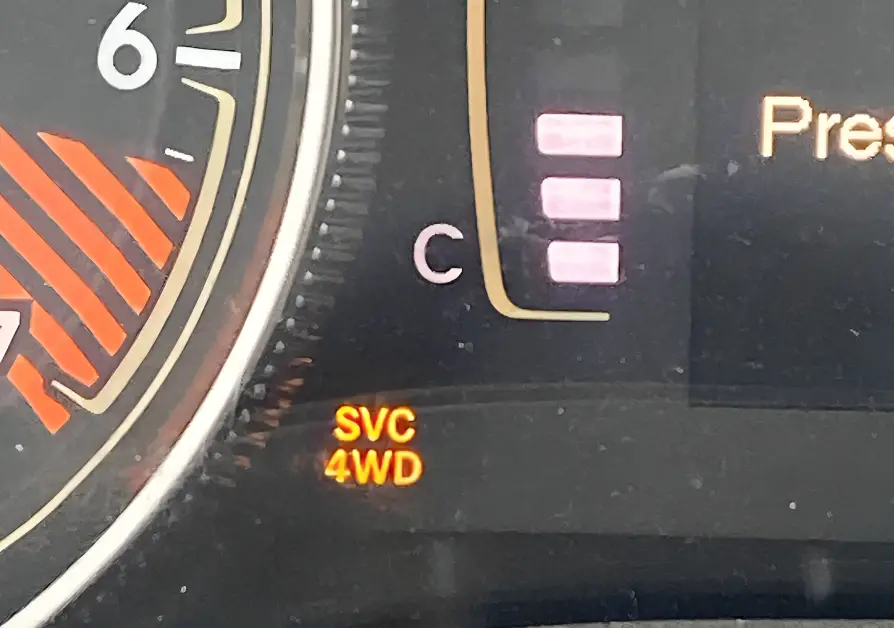
Jeep’s 3. 7-liter V6 engine is a common sight under the hood of models like the Jeep Liberty, Grand Cherokee, and Commander.
Owners often ask: Is the Jeep 3. 7 reliable?
Some praise its simplicity, while others warn of specific issues. If you’re considering buying a Jeep with this engine or want to understand its strengths and weaknesses, this article breaks down the facts you need to know.
Let’s look at the real-world reliability of the Jeep 3. 7, covering the three main aspects: engine design, common problems, and longevity.
Jeep 3.7 Engine Design
The Jeep 3.7 V6, also known as the PowerTech V6, was introduced in 2002. It’s a SOHC (single overhead cam) engine with twelve valves and a cast iron block. The engine produces between 210 and 215 horsepower, and around 235 lb-ft of torque, depending on the model year.
This engine was developed to replace Jeep’s older 4. 0-liter inline-six.
The 3. 7 is lighter and offers better fuel economy, though it still isn’t known for being very fuel efficient compared to newer engines.
Key design features:
- Timing chain (not a belt, which means fewer replacement intervals)
- Hydraulic lifters, so no manual valve adjustments needed
- Uses sequential multi-port fuel injection
- Designed for low-end torque, making it good for off-road use
While the design is straightforward, it lacks some of the advanced technology found in more modern engines. This simplicity, however, can be a plus for long-term maintenance.
Common Problems With The Jeep 3.7
No engine is perfect, and the Jeep 3. 7 is no exception.
Over the years, several issues have become well-known among owners and mechanics.
1. Valve Seat Failure
One of the most serious problems is valve seat failure. This often happens if the engine overheats. The aluminum valve seats can loosen and fall out, causing a loss of compression. This failure can lead to expensive repairs or even a full engine rebuild.
Signs include rough running, loss of power, and misfires, especially after the engine gets hot. Preventing overheating is the best way to avoid this problem.
2. Timing Chain Tensioner Issues
Even though the 3.7 uses a timing chain, the chain tensioners can wear out or fail. A failing tensioner can cause rattling noises, especially at startup. If ignored, it can lead to the chain jumping timing, which may result in serious engine damage.
Replacing the tensioners is a must if you hear these noises. Regular oil changes with the correct oil help extend the life of the timing components.
3. Oil Sludge And Poor Maintenance
This engine is sensitive to oil quality and change intervals. If oil is not changed regularly, oil sludge can build up. Sludge blocks oil passages and can cause lifter noise or even engine failure.
Using high-quality oil and changing it every 5,000 miles (or as recommended) is key for long-term reliability.
Longevity And Real-world Data
When maintained properly, the Jeep 3.7 can last 150,000 to 200,000 miles or more. Some owners report reaching over 250,000 miles with no major issues, while others face engine problems before hitting 100,000 miles—usually due to neglected maintenance.
Here’s a quick comparison of expected lifespan with regular vs. poor maintenance:
| Maintenance Quality | Expected Lifespan | Common Issues |
|---|---|---|
| Regular (Oil changes, coolant flush) | 150,000–200,000 miles | Minor leaks, gaskets |
| Poor (Infrequent service) | Under 120,000 miles | Sludge, timing, valve seats |
A non-obvious insight: The 3.7’s coolant system is crucial. Even a small coolant leak can lead to overheating and major engine damage. Many owners overlook small leaks, which then cause bigger issues.
Cost Of Ownership
Owning a Jeep with the 3. 7 engine is not as expensive as some European engines, but it’s not the cheapest either.
Most repairs are straightforward, but some parts can be costly.
Here’s an overview of average repair costs for common 3.7 issues:
| Repair | Average Cost | Difficulty |
|---|---|---|
| Valve seat repair | $1,500 – $3,000 | High |
| Timing chain/tensioner | $800 – $1,500 | Medium |
| Oil sludge cleanup | $400 – $1,000 | Medium |
| Routine oil change | $40 – $90 | Low |
A practical tip: Many independent mechanics are familiar with the 3.7, so you don’t need a dealer for most repairs. This can save you money in the long run.
How The Jeep 3.7 Compares To Other Engines
To put the 3.7’s reliability in context, let’s compare it with two other Jeep engines: the older 4.0 inline-six and the newer 3.6 Pentastar V6.
| Engine | Years Used | Main Strengths | Main Weaknesses |
|---|---|---|---|
| 4.0 I6 | 1987–2006 | Bulletproof, easy repairs | Poor fuel economy, heavy |
| 3.7 V6 | 2002–2012 | Simple, cheap parts | Valve seat, sludge risk |
| 3.6 Pentastar | 2011–present | Modern, more power | Early head issues, more sensors |
The 3.7 sits in the middle: easier to maintain than the newer 3.6, but not as legendary as the 4.0 for reliability.
Practical Tips For Jeep 3.7 Owners
If you own or plan to buy a Jeep with the 3.7 V6, here’s how to get the most out of your engine:
- Change the oil and filter every 5,000 miles.
- Use the correct coolant and check levels regularly.
- Listen for rattling noises at startup—this could be the timing chain.
- Fix leaks quickly, especially coolant leaks.
- Don’t ignore the check engine light—address issues early.
A less obvious tip: The 3.7 can benefit from a transmission cooler if you tow or drive in hot climates. Overheating is the enemy of this engine.
For more technical details, see the official Chrysler PowerTech engine page.

Frequently Asked Questions
Is The Jeep 3.7 A Good Engine For Daily Driving?
Yes, the Jeep 3.7 works well for daily driving if you keep up with maintenance. It’s smooth and offers enough power for city and highway use, but it’s not the most fuel-efficient.
What Years Did Jeep Use The 3.7 Engine?
Jeep used the 3.7 V6 in models like the Liberty, Grand Cherokee, and Commander from 2002 to 2012.
Are There Any Common Warning Signs Before Major Engine Failure?
Yes. Watch for overheating, engine misfires, and rattling noises at startup. These can signal valve seat problems or timing chain issues.
How Much Does It Cost To Rebuild A Jeep 3.7 Engine?
A full engine rebuild can cost between $2,500 and $4,500, depending on the mechanic and parts used. It’s often cheaper to find a good used engine.
Should I Avoid Buying A High-mileage Jeep With A 3.7?
Not always. If the vehicle has complete service records and shows no signs of overheating, it can still be a reliable choice.
But avoid ones with unclear maintenance history or signs of neglect.
The Jeep 3. 7 is not perfect, but with proper care, it can deliver many years of dependable service.
Know its weak spots, act early on problems, and you’ll likely enjoy your Jeep for miles to come.