Jeep 2005 Unlimited And 20-inch Wheels: A Perfect Pairing?
The year 2005 was a significant one for the Jeep Wrangler, especially with the introduction of the Unlimited model. This extended wheelbase version offered more space and utility, making it an appealing option for those who loved the Jeep experience but needed a bit more practicality.
Alongside the release of this more versatile Wrangler, the aftermarket wheel industry was also evolving, with larger diameter wheels becoming increasingly popular. The combination of the 2005 Jeep Unlimited and 20-inch wheels presents a unique aesthetic and performance discussion.
While the factory offered various wheel sizes, stepping up to 20-inch wheels is a popular modification. This article explores the nuances of fitting 20-inch wheels onto a 2005 Jeep Wrangler Unlimited, covering everything from compatibility and performance impacts to aesthetic considerations and essential tips for making the right choice.
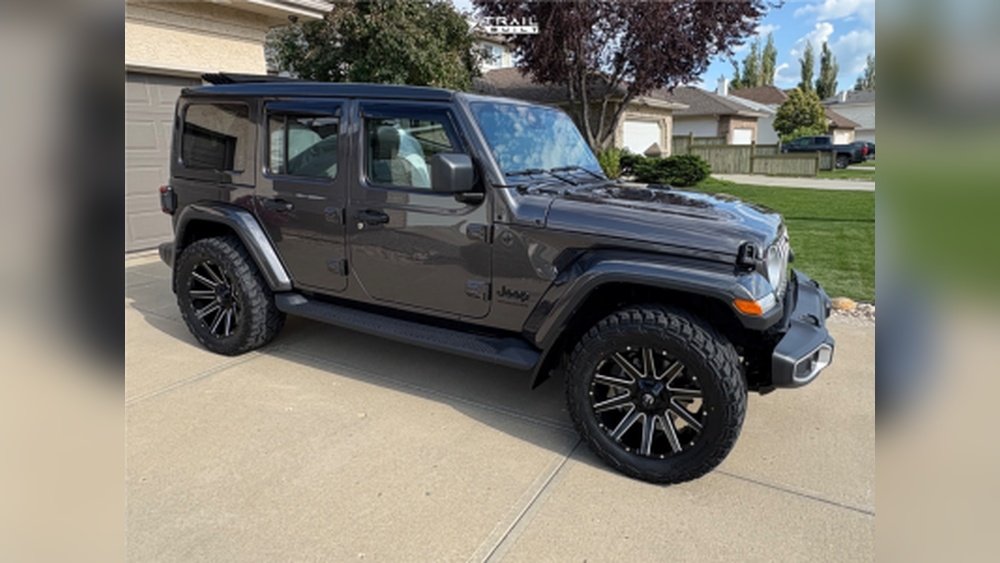
Understanding The 2005 Jeep Wrangler Unlimited
Before diving into wheel specifics, it’s crucial to understand the 2005 Jeep Wrangler Unlimited. This model, often referred to as the LJ (Longer Jeep), was a significant departure from the standard TJ. It featured a 103.4-inch wheelbase, a substantial increase from the standard TJ’s 93.4 inches. This longer wheelbase translated into several key benefits:
- Increased Cargo Space: The rear cargo area was noticeably larger, making it more practical for carrying gear, groceries, or camping equipment.
- Improved Ride Quality: The longer wheelbase generally contributes to a smoother, more stable ride, especially at highway speeds. It reduces the tendency for the vehicle to pitch and roll.
- Enhanced Towing Capacity: With greater stability, the Unlimited models often had improved towing capabilities compared to their shorter counterparts.
The 2005 Unlimited came equipped with a standard 4. 0L inline-6 engine, paired with either a 6-speed manual or a 4-speed automatic transmission.
Its suspension system was designed to handle the increased load and leverage of the longer chassis. Factory wheel sizes for the 2005 Unlimited typically included 15-inch or 16-inch options, often with all-terrain tires, reflecting its off-road heritage.
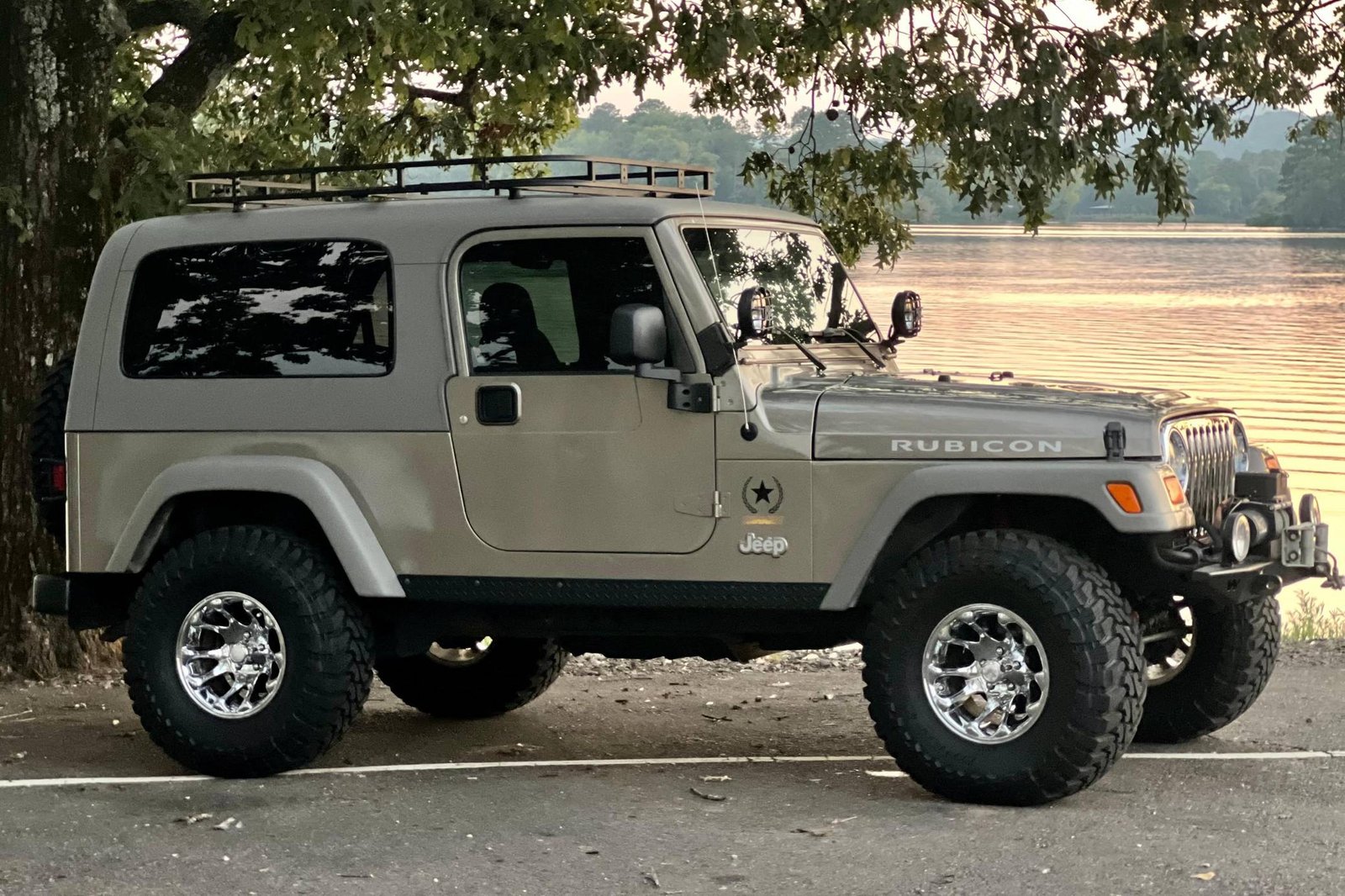
The Allure Of 20-inch Wheels
The move to larger diameter wheels, such as 20-inch rims, is a common modification across many vehicle types, and the Jeep Wrangler Unlimited is no exception. Several factors drive this trend:
- Aesthetics: Larger wheels can dramatically change a vehicle’s appearance, giving it a more aggressive, modern, or customized look. They fill the wheel wells more, often perceived as more visually appealing by owners seeking a distinct style.
- Performance (On-Road): With larger wheels, there’s typically a corresponding decrease in tire sidewall height (the “aspect ratio”). Lower profile tires can offer sharper handling and better responsiveness on pavement due to less tire flex.
- Tire Variety: The aftermarket offers a vast array of tire options for 20-inch wheels, including specialized street tires, performance tires, and even some aggressive off-road tires designed for larger rims.
However, it’s essential to acknowledge that fitting larger wheels isn’t always a straightforward bolt-on affair, especially when deviating significantly from factory sizes.
Compatibility: Can A 2005 Jeep Unlimited Handle 20-inch Wheels?
The direct answer is yes, a 2005 Jeep Wrangler Unlimited can be fitted with 20-inch wheels, but it often requires careful consideration and sometimes modifications. The key factors to examine are:
Bolt Pattern And Offset
- Bolt Pattern: The 2005 Jeep Wrangler Unlimited (TJ/LJ) uses a 5×4.5-inch (5×114.3mm) bolt pattern. This is a very common pattern, meaning a wide variety of aftermarket wheels will be compatible in terms of bolt holes.
- Offset: Wheel offset refers to how the wheel mounting surface is positioned relative to the centerline of the wheel. A positive offset pushes the wheel inward, while a negative offset pushes it outward. For Jeep Wranglers, especially when fitting larger wheels or wider tires, a zero or negative offset is often preferred. This helps to:
- Clear Suspension Components: Prevents the wheel and tire from rubbing against brake calipers or suspension arms.
- Increase Track Width: Pushing the wheels out slightly can improve stability and provide more clearance for larger tires, reducing rubbing on the fenders or inner wheel wells.
- Achieve Desired Stance: Many owners prefer a slightly wider stance for aesthetic reasons.
When selecting 20-inch wheels, ensure they have the correct 5×4.5 bolt pattern and an offset that works with the Wrangler’s suspension geometry. Wheels with a 0mm to -12mm offset are commonly used for 20-inch setups on Wranglers, though this can vary based on wheel width and tire size.
Tire Size And Rubbing
This is arguably the most critical aspect. When you increase wheel diameter, you typically need to compensate with tire size to maintain a similar overall tire diameter.
However, the goal is usually to fit a larger tire for better off-road capability or a more aggressive look.
- Overall Tire Diameter: A stock 2005 Wrangler Unlimited with 15-inch wheels might have a tire around 30-31 inches in diameter. For 20-inch wheels, you’ll likely be looking at tires in the 33-inch to 35-inch range to maintain a similar overall diameter, or even larger if the owner wants a lifted look.
- Fender Clearance: Taller and wider tires can rub against the fenders, fender flares, and the vehicle’s body mount points, especially during articulation (when the suspension moves unevenly, like when off-roading or turning sharply).
- Suspension and Steering: Taller tires can also interfere with the steering stops and the suspension components at full lock (when turning the steering wheel all the way).
Necessary Modifications For 20-inch Wheels
To fit 20-inch wheels and the associated larger tires without significant rubbing, modifications are often necessary:
- Suspension Lift: The most common solution is installing a suspension lift kit. Common lift heights for fitting 33-35 inch tires on a TJ/LJ range from 2.5 inches to 4 inches. A lift kit raises the vehicle’s body, providing more clearance for larger tires.
- Fender Trimming/Aftermarket Fenders: In some cases, even with a lift, minor trimming of the stock fenders might be needed. Alternatively, aftermarket fenders (like flat-top fenders) offer more clearance and a distinct look.
- Shackles and Bushings: Longer shackles can provide a small amount of lift and adjust suspension geometry.
- Re-gearing: Larger, heavier tires increase the rotational mass and require more torque to turn. This can significantly impact acceleration and fuel economy. For optimal performance, especially with 33-inch tires or larger, re-gearing the differentials is highly recommended. The stock gears (often 3.73) may become inadequate. Many owners opt for 4.10, 4.56, or even 4.88 gear ratios depending on tire size and transmission type.
- Sway Bar Disconnects: For serious off-roading, disconnecting the sway bar is common. Taller tires can sometimes interfere with the sway bar or its links when disconnected.
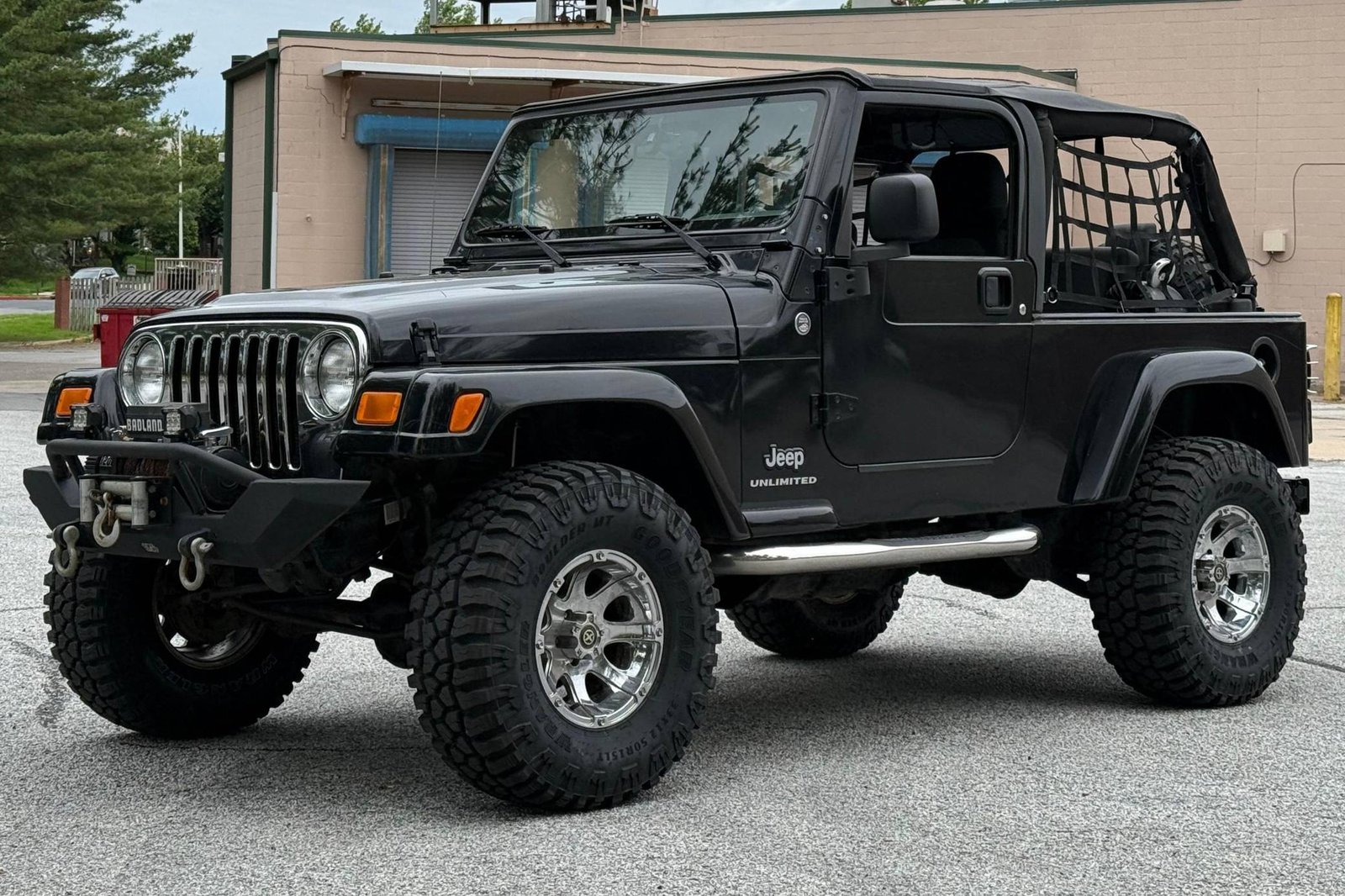
Performance Impacts Of 20-inch Wheels
Switching to 20-inch wheels and lower-profile tires brings noticeable changes to how the Jeep drives, both on and off-road.
On-road Performance
- Handling: With less sidewall flex, tires mounted on 20-inch wheels tend to feel more responsive. Steering inputs translate more directly to the road, leading to a crisper feel. This can make the Wrangler feel more planted and less “wandery” on the highway.
- Braking: A stiffer tire sidewall can contribute to slightly improved braking performance, as less energy is lost to tire deformation during deceleration.
- Ride Comfort: This is often where the trade-off occurs. Lower profile tires have less air volume and less cushioning material. This means they transmit more road imperfections (bumps, potholes, rough surfaces) directly to the occupants. The ride can become noticeably harsher, especially on poorly maintained roads. The longer wheelbase of the Unlimited helps mitigate some of this, but the tire choice is paramount.
- Fuel Economy: Larger diameter wheels and tires are generally heavier. This increased unsprung weight requires more energy from the engine to accelerate and maintain speed, leading to a decrease in fuel economy. Furthermore, if the tires are wider, they increase rolling resistance.
Off-road Performance
The impact on off-road performance is more complex and depends heavily on the *type* of tire chosen for the 20-inch wheel.
- Traction: For typical off-roading with a 20-inch wheel, you’ll likely be fitting larger diameter tires (e.g., 33-35 inches). These taller tires offer better ground clearance and can roll over obstacles more easily.
- Tire Tread: If you opt for aggressive mud-terrain (MT) or all-terrain (AT) tires on 20-inch rims, you can achieve excellent off-road traction. The key is the tread pattern, compound, and sidewall construction.
- Sidewall Flex (Reduced): A lower-profile tire on a 20-inch rim has less sidewall to “air down” effectively. Deflating tires is a common technique off-road to increase the tire’s contact patch and conform to uneven terrain. With a shorter sidewall, you can’t deflate as much before the wheel rim itself becomes vulnerable to impacts or the tire starts to unseat. This can limit the benefits of airing down.
- Durability: The smaller sidewall on a 20-inch wheel is more susceptible to damage from sharp rocks or impacts. While the wheel itself might be stronger, the tire is more vulnerable to punctures or sidewall cuts when aired down for off-road use.
- Weight: Heavier wheels and tires make the Jeep harder to maneuver and can put more strain on suspension components and axles during demanding off-road driving.
Tire And Wheel Selection Guide For 2005 Jeep Unlimited
Choosing the right combination of 20-inch wheels and tires is crucial for achieving the desired look and performance without compromising drivability or reliability.
Wheel Specifications To Consider
- Diameter: 20 inches (as per the title).
- Bolt Pattern: 5×4.5 inches (5×114.3mm).
- Width: Common widths for 20-inch wheels on Wranglers range from 8 inches to 10 inches. Wider wheels (9″ or 10″) can better support wider tires (e.g., 12.5 inches) and provide a more aggressive stance, but may require more offset adjustment or fender modifications.
- Offset: As mentioned, 0mm to -12mm is a common range. Some owners go for more aggressive negative offsets (-25mm or lower) for a “stanced” look or to clear fenders on very large tires, but this can increase stress on wheel bearings and suspension components. Always check compatibility charts or consult with wheel specialists.
- Backspacing: This is another way to measure how the wheel sits. It’s the distance from the back of the wheel mounting surface to the outer lip. Lower backspacing (e.g., 4.5 inches) pushes the wheel out. For a 20×9 inch wheel, a backspacing around 4.5 inches often corresponds to a 0mm offset.
Tire Specifications To Consider
- Diameter: Aim for an overall diameter between 33 and 35 inches for a balanced look and reasonable off-road capability without excessive modification. Larger tires (37″+) typically require significant suspension lifts, body lifts, and drivetrain upgrades (re-gearing, stronger axles).
- Width: Common widths for 33-35 inch tires are 12.5 inches (e.g., 315/70R20 or 325/60R20). Wider tires offer more traction on soft surfaces but can increase rolling resistance and may require more trimming.
- Aspect Ratio (Profile): This is the ratio of the tire’s sidewall height to its width. For 20-inch wheels, you’ll find tires with lower aspect ratios. For example, a 35×12.50R20 tire has a sidewall height of 12.5 inches (width) * 0.35 (aspect ratio) = approximately 4.375 inches. This is significantly less than a 31×10.50R15 tire, whose sidewall is 10.5 * 0.5 = 5.25 inches.
- Tread Type:
- All-Terrain (AT): A good compromise for daily driving and occasional off-roading. They offer reasonable on-road manners and decent grip in dirt, mud, and snow. Examples include BFGoodrich All-Terrain T/A KO2, Falken Wildpeak A/T3W.
- Mud-Terrain (MT): Designed for maximum off-road traction, especially in mud and loose terrain. They have aggressive, widely spaced tread blocks. On-road noise and wear can be higher. Examples include Nitto Trail Grappler, Goodyear Wrangler MT/R.
- Hybrid Terrain (RT): A newer category blending AT and MT features. Examples include Toyo Open Country R/T.
- Street/Performance Tires: While available, these are less common for Wranglers aiming for a rugged image.
Example Fitment Scenarios
Here are a couple of common scenarios for fitting 20-inch wheels on a 2005 Jeep Wrangler Unlimited:
Scenario 1: Mild Lift, Moderate Tire
- Wheel: 20×9 with 0mm offset (4.5″ backspacing)
- Tire: 33×12.50R20 All-Terrain
- Lift: 2.5-inch suspension lift
- Likely Modifications: Minimal fender flare trimming or aftermarket fenders may be needed, especially for off-road articulation. Re-gearing might be beneficial but not strictly essential for moderate use.
Scenario 2: More Aggressive Lift, Larger Tire



















