When you think about modifying your Jeep, you might consider bigger tires, a new suspension, or even a winch. But there's a detail that can add both style and function: Jeep 10th Anniversary hood vents.
These aren't just for looks; they can play a role in your Jeep's performance and cooling.
Many Jeep owners love to personalize their vehicles. The 10th Anniversary hood vents, often inspired by special edition models, are a popular choice.
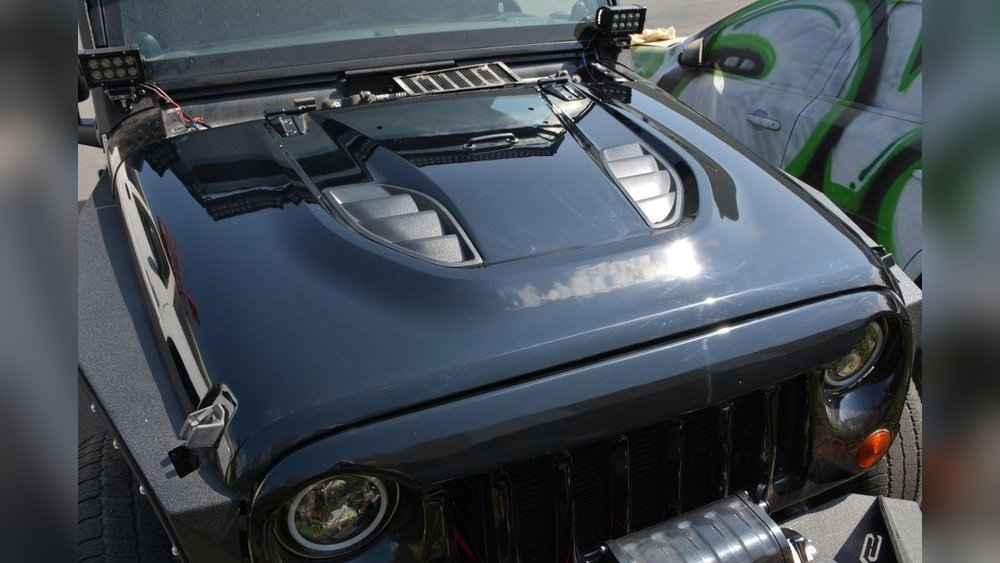
They can give your Jeep a more aggressive, off-road ready appearance. But beyond the aesthetics, these vents can also help your engine run cooler, especially during demanding off-road adventures or when towing.
Understanding what these vents are, their benefits, and how to choose the right ones is key for any Jeep enthusiast looking to upgrade their ride. This article will guide you through everything you need to know about Jeep 10th Anniversary hood vents.
Understanding Jeep 10th Anniversary Hood Vents
The term “10th Anniversary hood vent” usually refers to vents designed in the style of those found on special edition Jeeps, particularly those celebrating significant model anniversaries. These editions often come with unique cosmetic and functional upgrades, and the hood vents are a common feature that owners like to replicate on their own Jeeps.
What Are Hood Vents?
At their core, hood vents are openings or grilles in a vehicle's hood. Their primary purpose is to allow hot air to escape from the engine bay.
The engine generates a lot of heat during operation. While the radiator and cooling fan are the main systems for managing engine temperature, hood vents can provide an additional pathway for this heat to dissipate, especially when the vehicle is stationary or moving at low speeds.
The “10th Anniversary” Style
Jeep has released several "Anniversary" editions over the years, often marking significant milestones. These editions typically feature distinct styling cues to set them apart.
For the 10th Anniversary editions, this often included more rugged bumpers, special badging, unique wheels, and, importantly, aggressive-looking hood vents.
These vents are usually larger and more prominent than standard hood vents, often with a distinct design that suggests enhanced cooling and a more powerful presence. When people refer to “10th Anniversary hood vents,” they are usually referring to aftermarket versions designed to mimic this specific, often more aggressive, styling.
Why Do Jeeps Have Hood Vents?
While not all Jeeps come with factory hood vents, they are a popular aftermarket modification for several reasons:
- Engine Cooling: This is the most significant functional benefit. By allowing hot air to escape the engine bay, hood vents can help lower engine temperatures. This is particularly beneficial for Jeeps that are frequently used for off-roading, towing, or driving in hot climates. A cooler engine can perform better and last longer.
- Aesthetics: Many Jeep owners are drawn to the rugged, off-road look that hood vents provide. They can make a standard Jeep look more aggressive and performance-oriented, similar to specialized performance vehicles or race cars.
- Water Drainage: Some vent designs can also help with water drainage from the engine bay, which can be useful after washing the Jeep or driving through water crossings.
- Airflow Management: In some cases, strategically placed vents can help manage airflow around the engine, potentially improving aerodynamics slightly or directing airflow in a way that aids cooling.
The 10th Anniversary style vents are particularly sought after because they often combine these functional aspects with a very distinctive and desirable visual appeal that enhances the Jeep’s overall look.
Benefits Of Installing 10th Anniversary Hood Vents
Upgrading your Jeep with 10th Anniversary style hood vents can offer a range of advantages, from improved performance to a striking visual transformation. These benefits cater to both the practical needs of an off-road vehicle and the aesthetic desires of its owner.
Enhanced Engine Cooling
One of the primary functional advantages of installing aftermarket hood vents, especially those designed in the more robust 10th Anniversary style, is improved engine cooling. The engine bay of a Jeep can get extremely hot, particularly during strenuous activities like climbing steep off-road trails, crawling over rocks, or towing heavy loads.
When the engine works harder, it produces more heat. Standard Jeep hoods, especially on models that didn’t come with factory vents, can trap this heat. This trapped heat can lead to several issues:
- Increased Engine Temperature: Overheating can reduce engine efficiency and, in extreme cases, cause significant damage.
- Reduced Performance: When an engine gets too hot, its computer may reduce power to prevent damage, leading to a noticeable drop in performance.
- Stress on Components: High temperatures can put extra strain on engine components, hoses, and electrical parts, potentially shortening their lifespan.
10th Anniversary style hood vents, with their larger openings and often strategic placement, create pathways for this superheated air to escape the engine bay. This passive cooling helps to lower the overall temperature inside the engine compartment, allowing the main cooling system (radiator and fan) to work more efficiently.
In my experience, even a few degrees reduction in engine bay temperature can make a difference during long, demanding drives. This is especially true for modified Jeeps with larger engines or those used in very hot climates.
Improved Aesthetics And Aggressive Styling
Beyond their functional benefits, Jeep 10th Anniversary hood vents are a popular modification primarily because of their striking visual appeal. These vents are designed to evoke the look of special edition Jeeps, which often feature more aggressive and sportier styling cues.
The “10th Anniversary” design typically includes:
- Bold Lines: The vents often have sharp, angular designs that complement the rugged lines of a Jeep.
- Larger Size: Compared to standard vents, these are often larger, making a more noticeable statement on the hood.
- Performance Look: They give the Jeep an appearance that suggests it’s built for performance and ready for adventure, similar to high-performance vehicles.
For owners who want their Jeep to stand out, these vents are an excellent way to achieve a custom look without undertaking complex body modifications. They can instantly give a stock Jeep a more muscular and off-road-ready stance, signaling that the vehicle is more than just a daily driver, it’s a capable machine.
This aesthetic upgrade is a significant reason why so many Jeep enthusiasts choose this particular style of hood vent.
Potential For Better Airflow Management
While the primary function is heat escape, some hood vent designs, including certain 10th Anniversary styles, can also contribute to better overall airflow management around the engine. By allowing air to exit the hood, these vents can sometimes help to reduce under-hood pressure, which can, in turn, improve the efficiency of air entering the engine’s intake system.
This is a more subtle benefit and its impact can vary greatly depending on the specific vent design and the Jeep’s existing airflow dynamics. However, for performance-oriented builds, any improvement in airflow can contribute to slightly better throttle response and overall engine efficiency.
Durability And Material Quality
Many aftermarket 10th Anniversary hood vents are constructed from durable materials like aluminum or high-quality ABS plastic. These materials are chosen for their ability to withstand the harsh conditions that a Jeep might encounter, including:
- Heat Resistance: They can handle the high temperatures found in the engine bay.
- Corrosion Resistance: They won’t rust or degrade easily from exposure to moisture, salt, or mud.
- Impact Resistance: They are designed to withstand minor impacts from debris on the trail.
Choosing vents made from robust materials ensures they will last and maintain their appearance over time, making them a worthwhile investment for enhancing both the look and function of your Jeep.
Types Of Jeep 10th Anniversary Hood Vents
When you start looking for 10th Anniversary style hood vents, you'll find they aren't all identical. Different manufacturers offer variations in design, material, and installation method.
Understanding these differences will help you choose the best option for your Jeep and your needs.
Material Variations
The material used for your hood vents significantly impacts their durability, weight, and appearance.
- Aluminum: Often found in higher-end or more performance-oriented vents. Aluminum is lightweight, strong, and highly resistant to corrosion and heat. It can be finished in various ways, such as brushed, polished, or powder-coated, offering a premium look. Aluminum vents often have a more industrial or rugged aesthetic.
- ABS Plastic: A very common material for aftermarket automotive parts. ABS plastic is durable, relatively inexpensive, and can be molded into complex shapes. It’s often painted to match the Jeep’s body color or finished in a matte black. While durable, it may be more susceptible to UV degradation or impact damage over very long periods compared to aluminum, though modern ABS formulations are quite resilient.
- Steel: Less common for hood vents themselves but might be used in some designs for reinforcement or framing. Steel is strong but heavier and prone to rust if not properly coated or treated.
The choice of material often correlates with the price point and the intended ruggedness of the vent. For extreme off-roading, aluminum might be preferred, while for a stylish aesthetic upgrade, high-quality ABS plastic is often sufficient.
Design Styles
While all aiming for the “10th Anniversary” look, there are subtle design differences:
- Original Style Replicas: Some vents are very close copies of the vents found on specific anniversary models, featuring the exact shape and grille pattern.
- Aggressive Performance Style: Other vents take inspiration from the anniversary look but push it further with more aggressive angles, larger openings, or unique grille patterns. These might feature functional louvers or raised sections.
- Integrated vs. Overlay: Most 10th Anniversary style vents are designed to be installed as a replacement for a section of the original hood, often requiring cutting into the hood. However, some simpler overlay designs might exist that attach to the surface of the hood, though these are less common for this specific style and may not offer the same functional benefits or authentic look.
It’s important to look at detailed photos and descriptions to understand the specific design elements of any vent you are considering.
Installation Methods
How the vents are installed is a critical consideration.
- Bolt-On (Requires Cutting): This is the most common and functional method for true hood vents. It involves carefully measuring and cutting an opening in your Jeep’s hood, then securing the vent assembly through the hole. This provides a clean, integrated look and allows for direct airflow. This method requires precision and confidence, as mistakes can damage your hood.
- Adhesive/Tape Mount: Some less functional or purely cosmetic vents might attach using strong automotive-grade adhesive tape. These are easier to install but generally don’t offer the same level of heat dissipation or the authentic look of cut-in vents. For 10th Anniversary style, cutting is usually preferred.
When choosing, consider your comfort level with modifying your Jeep’s body. If you’re not comfortable cutting your hood, you might need to seek professional installation.
Functional Vs. Cosmetic Vents
It’s worth noting the distinction between vents designed for function and those that are purely cosmetic.
- Functional Vents: These have larger openings and are designed to effectively vent hot air. The 10th Anniversary style is often chosen for its functional potential, even if its primary appeal is aesthetic.
- Cosmetic Vents: These might mimic the look but have smaller openings or are solid pieces designed only to add visual flair. For owners seeking the benefits of heat dissipation, functional vents are the way to go.
Most aftermarket 10th Anniversary hood vents aim to provide both style and a degree of functional benefit, but the effectiveness can vary.
Installation Process: A Detailed Look
Installing 10th Anniversary style hood vents is a rewarding modification, but it requires careful planning and execution. Since most of these vents require cutting into your Jeep’s hood, it’s a project that demands precision.
Tools And Materials Needed
Before you begin, gather all the necessary tools and materials. Having everything ready will make the process smoother and reduce the chances of errors.
- The Hood Vents: Ensure you have the complete kit, including any mounting hardware, gaskets, or templates provided by the manufacturer.
- Safety Gear: Safety glasses are crucial to protect your eyes from metal shavings and debris. Work gloves will protect your hands.
- Measuring Tools: A reliable tape measure, a ruler, and possibly a caliper for precise measurements.
- Marking Tools: A grease pencil, chalk, or a fine-tip permanent marker to trace the cutting lines.
- Cutting Tools:
- Jigsaw: This is the most common tool for cutting the hood. Use a metal-cutting blade.
- Reciprocating Saw (Sawzall): Can also be used, but a jigsaw often offers more control for curved cuts.
- Rotary Tool (Dremel): Useful for detail work, smoothing edges, or making initial pilot holes.
- Drill and Drill Bits: For creating pilot holes to start your cuts and for drilling mounting holes if required.
- Files and Sandpaper: To smooth the cut edges of the hood and the vent openings.
- Deburring Tool: A specialized tool that makes cleaning up cut edges much easier and safer.
- Masking Tape or Painter’s Tape: To protect the hood’s paint around the cutting area and to help secure templates.
- Caulk/Sealant: High-quality automotive-grade silicone sealant or RTV (Room Temperature Vulcanizing) sealant to seal the edges of the vent against the hood, preventing water intrusion.
- Screwdriver Set and Wrenches/Socket Set: For installing the mounting hardware.
- Vacuum Cleaner: To clean up metal shavings.
- Primer and Touch-Up Paint: To protect the raw metal edges after cutting and filing.
Step-by-step Installation Guide
While specific instructions may vary by vent manufacturer, the general process for installing cut-in hood vents is as follows:
- Preparation:
- Park your Jeep on a level surface and engage the parking brake.
- Crucially, double-check the vent kit’s instructions. Some kits come with paper templates. If so, carefully align and tape the template to the hood exactly where you want the vents to be. Ensure symmetry and proper spacing.
- Use masking tape around the template or the intended cut line to protect the surrounding paint from scratches.
- Marking the Cut Lines:
- Once the template is perfectly positioned, carefully trace the cutting line onto the hood using your marking tool. If no template is provided, you’ll need to meticulously measure and mark the lines yourself, referring to the vent’s dimensions. Accuracy here is paramount.
- Drilling Pilot Holes:
- Drill small pilot holes at strategic points along your marked cut lines. These holes will allow you to insert the blade of your jigsaw or reciprocating saw to start the cut. Drill from the



















