When you own a Jeep Grand Cherokee, you have a capable and versatile SUV. Whether you're tackling off-road trails or just need to change a flat tire on the side of the road, having the right jack is essential.
But with so many options available, choosing the best jack for your Grand Cherokee can be a challenge. This guide will help you understand the different types of jacks, what to look for, and how to pick the perfect one for your needs.
We'll cover everything from factory-supplied tools to heavy-duty aftermarket options, ensuring you're prepared for any situation.
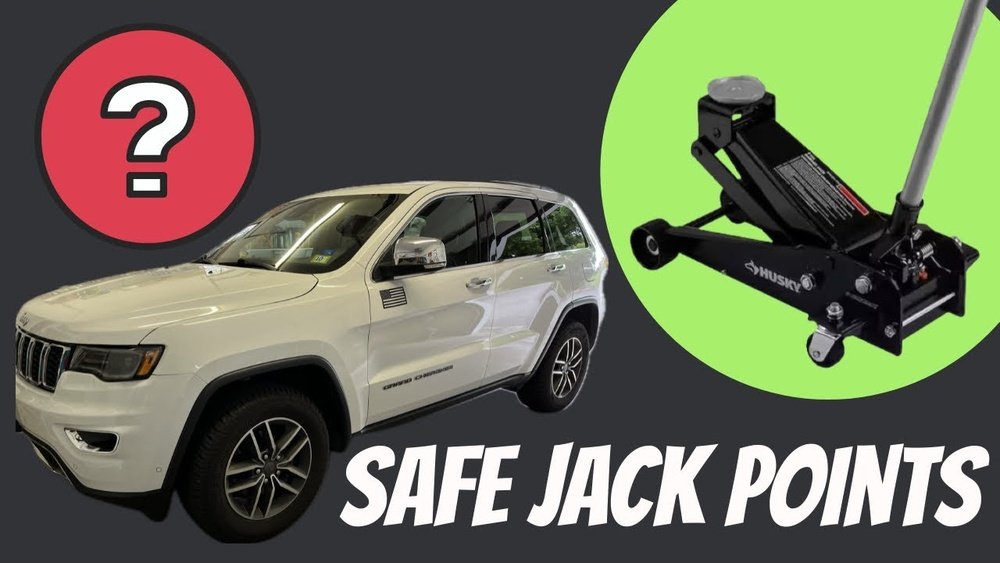
Understanding Jack Types For Your Grand Cherokee
Not all jacks are created equal. They vary in lifting capacity, mechanism, size, and intended use.
For a vehicle like the Jeep Grand Cherokee, which can be quite heavy and often used in demanding conditions, selecting the right type of jack is crucial for both safety and effectiveness.
Scissor Jacks
The scissor jack is often the jack that comes standard with many vehicles, including some Jeep Grand Cherokee models. It gets its name from its scissor-like mechanism, which extends and retracts to lift the vehicle.
- How they work: A threaded screw runs through the center of the jack. Turning a crank or handle rotates this screw, which pushes the arms of the jack outwards, lifting the vehicle. To lower the vehicle, you simply reverse the process.
- Pros: They are typically compact, lightweight, and easy to store in the vehicle. They are also relatively inexpensive.
- Cons: Scissor jacks have a limited lifting capacity, which might be insufficient for heavier loads or if you have modified your Grand Cherokee with larger tires or suspension. They can also be slow to operate and require significant effort, especially on uneven surfaces. Their stability can be questionable on soft ground, making them less ideal for off-road recovery.
- Best for: Quick tire changes on smooth, paved surfaces where speed and ease of use are less critical. It’s important to check the maximum weight capacity of your specific scissor jack and compare it to your Grand Cherokee’s weight.
Bottle Jacks
A bottle jack, also known as a hydraulic jack, uses hydraulic fluid to lift the vehicle. They are shaped like a bottle and are a popular choice for their power and relatively compact size.
- How they work: A pump handle is used to push hydraulic fluid from a reservoir into a cylinder. This fluid pressure then lifts a piston, which raises the vehicle. Lowering is typically done by opening a release valve, allowing the fluid to return to the reservoir.
- Pros: Bottle jacks offer a higher lifting capacity than most scissor jacks, making them suitable for heavier vehicles like the Grand Cherokee. They are generally more stable and require less physical effort to operate.
- Cons: They are heavier and bulkier than scissor jacks, making them less convenient for everyday storage. They also require regular maintenance of the hydraulic fluid. In cold temperatures, hydraulic fluid can thicken, reducing performance. If the seals fail, the jack can leak fluid and lose its lifting power.
- Best for: Situations where more lifting power is needed, such as changing tires with larger off-road wheels or when dealing with slightly uneven terrain. It’s crucial to choose a bottle jack with a rated capacity significantly higher than your Grand Cherokee’s weight to ensure safety.
Floor Jacks
Floor jacks are commonly found in garages and workshops. They are characterized by their low profile and a long handle that operates a hydraulic system.
- How they work: Similar to bottle jacks, floor jacks use hydraulic power. However, they have a wider base and wheels, allowing them to be easily positioned under the vehicle. The long handle provides leverage for lifting.
- Pros: They offer excellent stability and lifting capacity. Their low profile allows them to get under vehicles that are lower to the ground, while their extended reach can be useful for lifting at specific points. They are generally the easiest and safest to operate among the manual jack types.
- Cons: Floor jacks are large, heavy, and not portable. They are designed for stationary use in a garage, not for roadside emergencies.
- Best for: Regular maintenance, repairs, and tire rotations performed at home or in a professional setting. They are not a practical choice for carrying in your Jeep for on-the-go needs.
Hi-lift Jacks (farm Jacks)
The Hi-Lift jack, often referred to as a farm jack, is an iconic piece of equipment for off-road enthusiasts. It’s a highly versatile tool that can lift, winch, and clamp.
- How they work: This jack uses a long, steel bar with a series of holes. A movable “clamping mechanism” engages with the bar to lift or lower the vehicle. It operates by repeatedly pumping a handle up and down.
- Pros: Incredible versatility; it can lift vehicles with significant ground clearance, perform winching operations, and even act as a spreader. It’s robust, durable, and requires no hydraulic fluid, making it reliable in extreme conditions. It’s also relatively lightweight for its capabilities.
- Cons: Requires proper technique and caution to use safely. It can be unstable if not positioned correctly on a firm surface. Lifting can be strenuous, and there’s a risk of the jack slipping if the handle is not secured properly. It’s also a slow lifting method.
- Best for: Off-road recovery situations where you might need to lift your Grand Cherokee out of a ditch, over obstacles, or perform a tire change in challenging terrain. It’s a must-have for serious off-roaders, but requires training and practice.
Key Factors To Consider When Buying A Jack
Choosing the right jack for your Jeep Grand Cherokee depends on how and where you plan to use it. Here are the most important factors to keep in mind:
Lifting Capacity
This is arguably the most critical factor. The jack’s maximum weight capacity must be higher than the Gross Vehicle Weight Rating (GVWR) of your Grand Cherokee. The GVWR is the maximum allowable total weight of your vehicle, including passengers, cargo, and the vehicle itself.
- Why it matters: Using a jack with insufficient capacity is extremely dangerous. It can lead to the jack failing, causing the vehicle to fall, resulting in serious injury or death, and significant damage to the vehicle.
- How to find it: Check your Grand Cherokee’s owner’s manual or the sticker on the driver’s side doorjamb for its GVWR. Always choose a jack with a capacity that is at least 1.5 times the vehicle’s GVWR for a safety margin. For example, if your Grand Cherokee’s GVWR is 6,000 lbs, you should look for a jack with a minimum capacity of 9,000 lbs.
Lifting Height
Consider the minimum and maximum lifting height the jack can achieve.
- Minimum Height: This is important if your Grand Cherokee is lowered or has a low ground clearance. The jack needs to be able to fit underneath the designated jack points.
- Maximum Height: This is crucial if you have installed larger tires or a suspension lift on your Grand Cherokee. You need a jack that can lift the vehicle high enough to remove the tire completely from the ground. A standard jack might not provide enough lift for modified Jeeps.
Portability And Storage
If you plan to carry the jack in your Jeep for roadside emergencies or off-road adventures, its size, weight, and ease of storage are important.
- Scissor jacks are the most portable.
- Bottle jacks are a good compromise between power and portability.
- Hi-Lift jacks are designed for portability and can often be mounted externally on a roof rack or bumper.
- Floor jacks are generally not portable.
Durability And Build Quality
A good jack should be built to last and withstand the conditions it’s used in.
- Materials: Look for jacks made from high-strength steel for durability.
- Construction: Solid welds, quality seals (for hydraulic jacks), and robust mechanisms are indicators of good build quality.
- Corrosion Resistance: If you plan to use the jack in wet or salty environments, consider models with corrosion-resistant coatings.
Ease Of Use And Safety Features
Safety should always be the top priority.
- Stability: A wider base generally means better stability. Some jacks come with stabilizer feet or pads for use on uneven ground.
- Operation: How easy is it to operate the jack? Does it require excessive force? Is the handle comfortable to grip?
- Safety Locks: Some jacks have locking mechanisms to prevent accidental lowering.
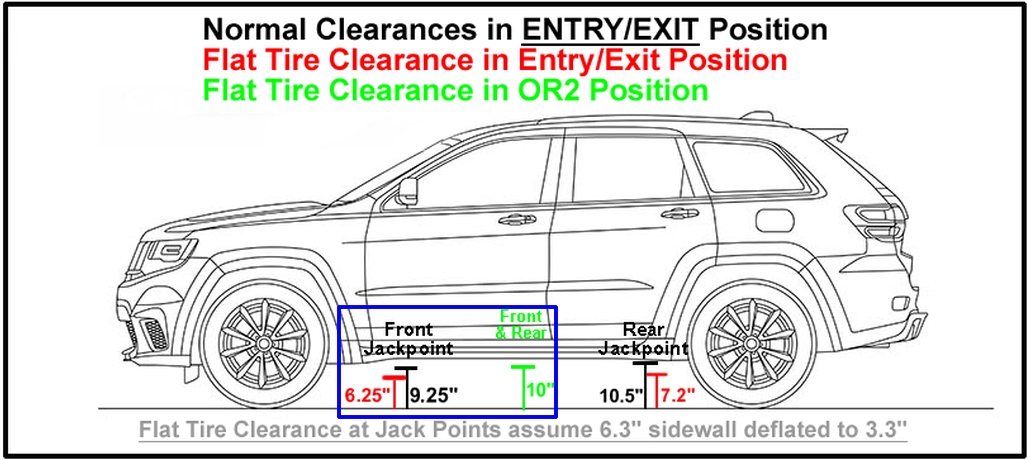
- Jack Points: Ensure the jack head is designed to securely engage with your Grand Cherokee’s designated jack points. Using the wrong jacking point can damage your vehicle and be unsafe.
Types Of Jacks Recommended For Jeep Grand Cherokee
Given the nature of the Jeep Grand Cherokee, its weight, potential for off-road use, and common modifications, certain types of jacks are more suitable than others.
For Everyday Use And Roadside Emergencies
If you primarily need a jack for changing a flat tire on the road, you’ll want something reliable, powerful enough, and reasonably portable.
- Heavy-Duty Scissor Jack: While factory scissor jacks might be borderline, aftermarket heavy-duty scissor jacks with a higher weight rating and a wider base can be a decent option. They are still relatively compact for storage. Look for models specifically rated for SUVs.
- Bottle Jack: A 2-ton or 3-ton hydraulic bottle jack is often a good balance. Ensure it has a sufficient lifting height for your Grand Cherokee, especially if you have larger tires. Some bottle jacks come with a wider base or a rubber pad for better stability.
For Off-roading And Recovery
If you frequently venture off the beaten path, a more robust recovery jack is essential.
- Hi-Lift Jack: This is the gold standard for off-road recovery. Its versatility in lifting, winching, and clamping makes it invaluable. It’s crucial to learn how to use it safely through proper training or by watching reputable tutorials. Always use it on firm ground or with a Hi-Lift base jack accessory for soft surfaces.
- High-Capacity Floor Jack (Portable Version): While traditional floor jacks aren’t portable, some manufacturers offer compact, lightweight floor jacks designed for portability. These can offer the stability and ease of use of a floor jack in a more manageable package, though they are typically more expensive.
- Off-Road Screw Jack: These are similar in concept to Hi-Lift jacks but often have a more robust mechanism and a wider stance. They can be a good alternative if you find the Hi-Lift operation too strenuous or unstable.
Comparing Jack Options For Your Grand Cherokee
Let’s compare some common jack types based on key features relevant to a Jeep Grand Cherokee owner.
| Feature | Scissor Jack (Aftermarket) | Bottle Jack (2-3 Ton) | Hi-Lift Jack (48″ or 60″) | Portable Floor Jack |
|---|---|---|---|---|
| **Lifting Capacity** | Good (4000-6000 lbs) | Excellent (4000-6000 lbs) | Excellent (4000-7000 lbs) | Excellent (3000-6000 lbs) |
| **Lifting Height** | Moderate | Good | Excellent | Good |
| **Portability** | High | Medium | High | Low to Medium |
| **Storage Size** | Small | Medium | Large (can be mounted) | Large |
| **Stability** | Moderate | Good | Moderate (surface dependent) | Very Good |
| **Ease of Use** | Moderate (can be strenuous) | Good | Requires practice | Very Easy |
| **Versatility** | Limited | Limited | Very High | Limited |
| **Cost** | Low to Medium | Medium | Medium to High | High |
| **Best Use Case** | Roadside tire change | Roadside/light work | Off-road recovery | Home garage use |
Pro Tip: Always check the weight of your specific Grand Cherokee model, including any aftermarket accessories like roof racks, winches, or heavy bumpers, as this can significantly impact the required jack capacity.
How To Safely Use A Jack On Your Jeep Grand Cherokee
Using a jack incorrectly can lead to severe accidents. Always prioritize safety.
Preparation Is Key
- Find a Level Surface: Park your Grand Cherokee on a flat, firm surface. Avoid soft ground, inclines, or areas with traffic. If you must use it on a slight incline, use wheel chocks on the opposite wheel to prevent rolling.
- Engage Parking Brake: Ensure the parking brake is firmly applied.
- Gear Selection: Put the transmission in Park (P) for automatic transmissions or in first gear or reverse for manual transmissions.
- Use Wheel Chocks: Place wheel chocks (or sturdy blocks of wood) behind the wheel diagonally opposite the one you are lifting. This adds an extra layer of security against rolling.
- Locate Jack Points: Consult your Grand Cherokee’s owner’s manual to find the correct jacking points. These are reinforced areas of the frame designed to safely support the vehicle’s weight. Using the wrong point can cause damage or instability.
- Gather Tools: Have your spare tire, lug wrench, and the jack readily accessible.
The Jacking Process
- Position the Jack: Place the jack directly beneath the designated jacking point closest to the tire you need to change. Ensure the jack is sitting squarely on the ground or on a stable base. For soft ground, use a sturdy piece of wood or a dedicated jack base plate under the jack.
- Lift Slowly and Steadily: Operate the jack handle or crank slowly and smoothly. Watch the vehicle as it rises to ensure the jack remains stable and the jacking point stays engaged with the jack head.
- Lift Only High Enough: Raise the vehicle only high enough to clear the flat tire and allow the inflated spare tire to be mounted. Over-lifting puts unnecessary stress on the jack and the vehicle.
- Never Get Under the Vehicle: Never place any part of your body under a vehicle supported only by a jack. Jacks can fail. If you need to work underneath, always use jack stands rated for your vehicle’s weight.



















