Have you ever seen two Jeep drivers greet each other with a wave? If you have, you might wonder if there’s a secret code among Jeep owners.
Many people talk about the Jeep Wave like it’s a hidden tradition, but is it really a secret handshake or just a friendly gesture? Let’s break down what the Jeep Wave is, why it matters, and what makes it special for Jeep drivers.
What Is The Jeep Wave?
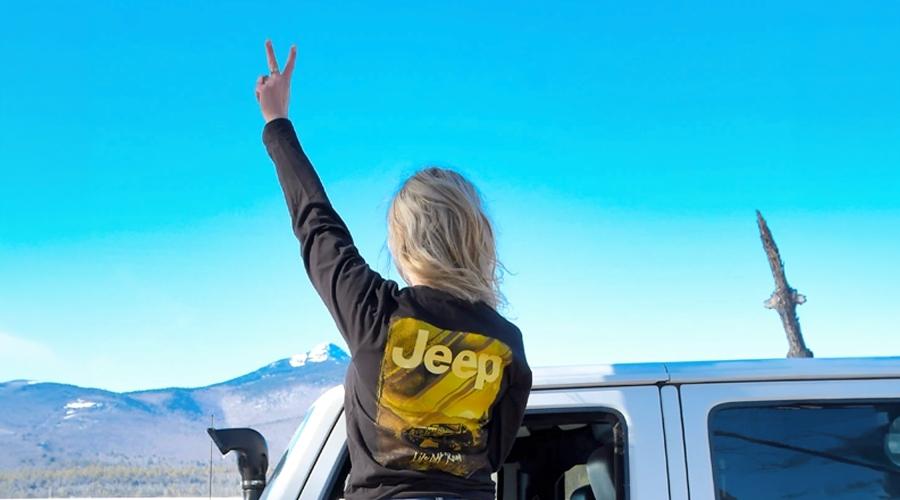
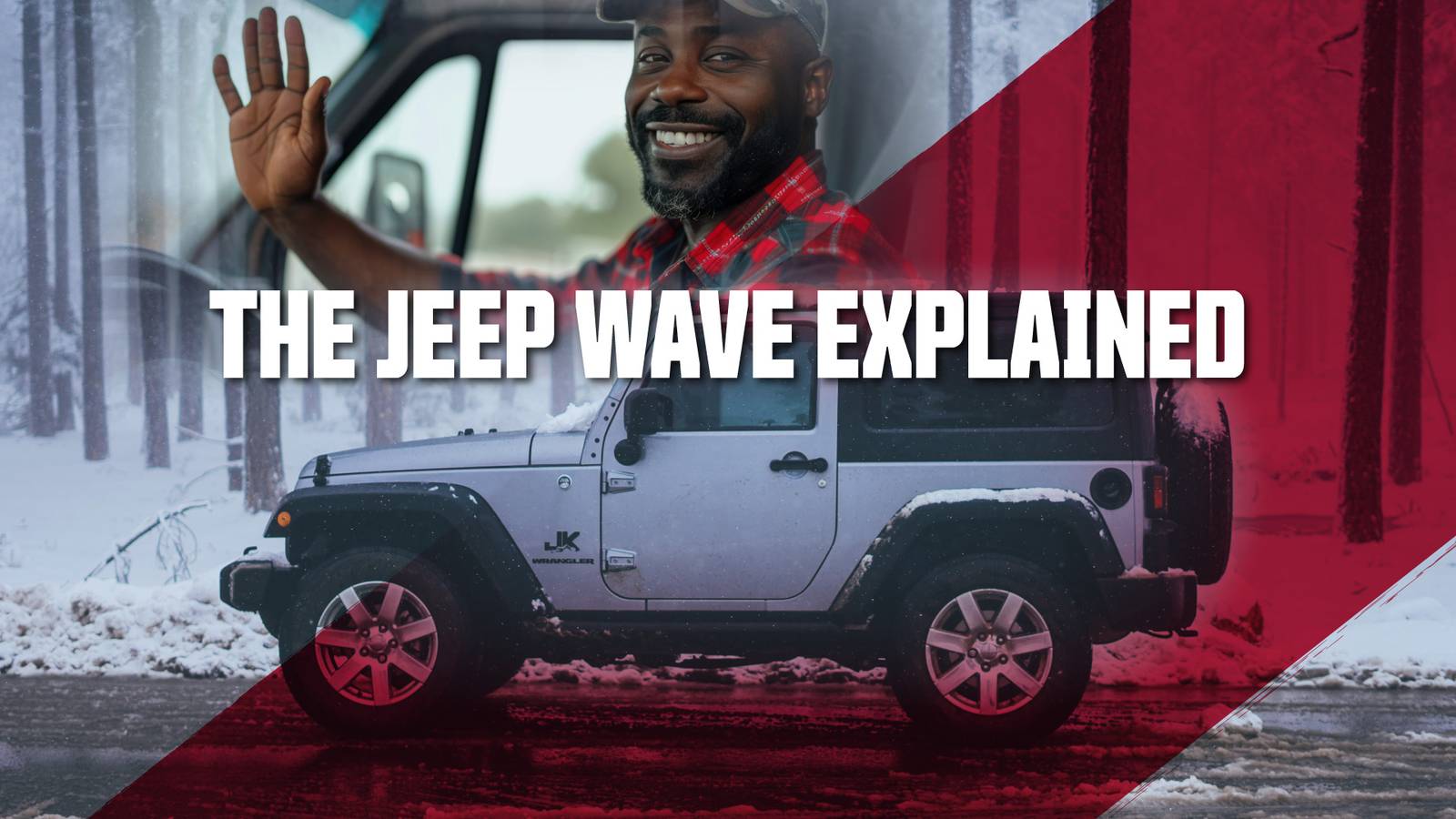
The Jeep Wave is a simple hand gesture exchanged between Jeep drivers, usually when they pass each other on the road or trail. It’s often just a raised hand, a peace sign, or a few fingers lifted off the steering wheel. Some say it’s a way to show respect and camaraderie among Jeep owners.
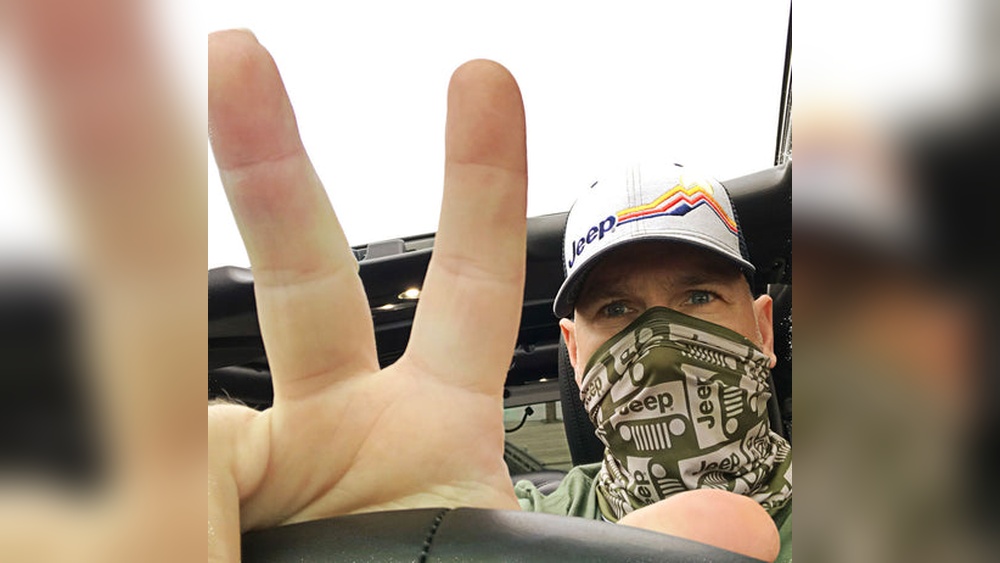
The tradition goes back decades. Most sources agree it started after World War II, when returning soldiers drove surplus Jeeps.
It became a way to recognize fellow enthusiasts and appreciate the unique vehicles they drove. Today, the Jeep Wave is part of Jeep culture and often talked about online, in forums, and at Jeep events.
Is The Jeep Wave Really A Secret?
Many people call it “secret,” but the Jeep Wave isn’t hidden or exclusive. It’s more of an open tradition than a strict rule. Here’s how it works in practice:
| Type of Jeep | Wave Frequency | Common Gestures |
|---|---|---|
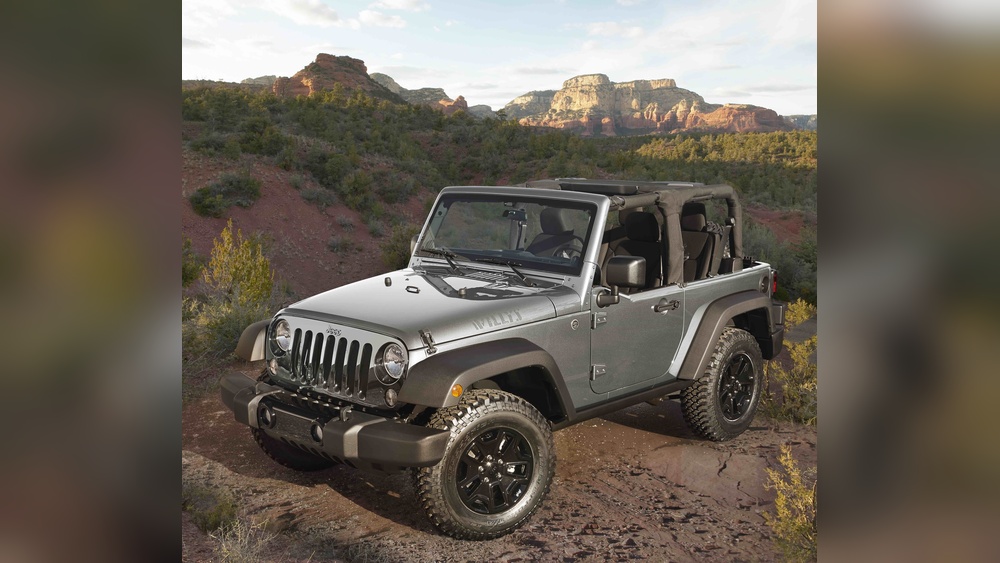
| Wrangler | Very High | Two-finger salute, raised hand |
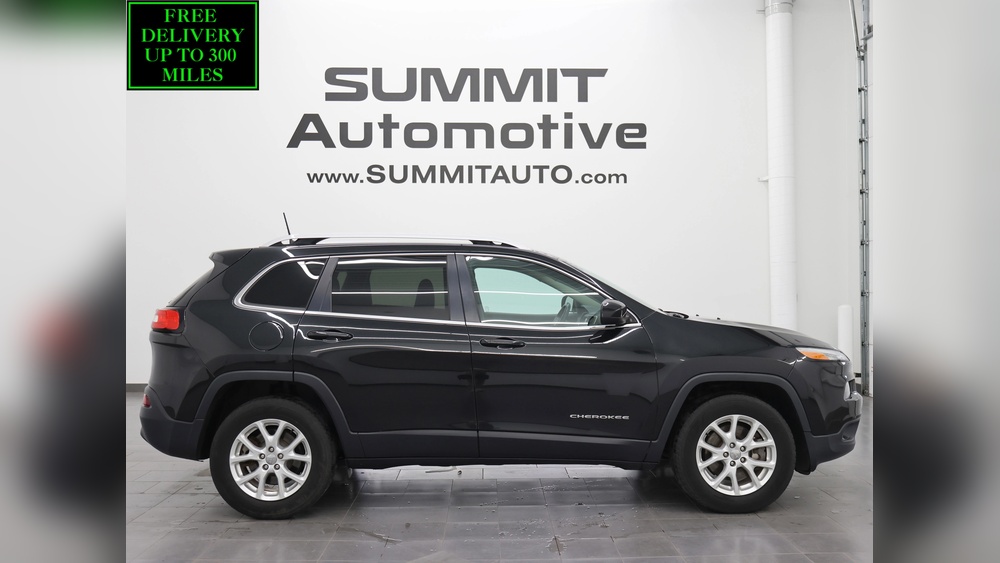
| Cherokee/Grand Cherokee | Medium | Peace sign, steering wheel wave |
| Renegade/Compass | Low | Occasional nod or wave |
The Jeep Wave is most popular among Wrangler drivers, especially those with older or modified vehicles. Owners of newer models or SUVs like the Cherokee may not participate as much. There’s no official rulebook, but some Jeep owners follow their own “wave hierarchy.”
Why Do Jeep Owners Wave?
Jeep drivers wave for several reasons:
- Sense of belonging: The Jeep Wave creates a connection between drivers. It’s a way to say, “We’re part of the same club.”
- Respect for adventure: Many Jeep owners use their vehicles for off-roading, camping, and travel. The wave celebrates this shared spirit.
- Tradition: The gesture has become a ritual passed down through generations of drivers.
A survey by JeepForum found that over 75% of Wrangler owners wave regularly, while less than 40% of other Jeep model owners do. This shows that the wave is strongest in the traditional Jeep community.
How To Do The Jeep Wave
If you drive a Jeep and want to join in, it’s easy. There are no strict requirements, but here are some common ways to do the Jeep Wave:
- Raise two fingers above the steering wheel
- Flash a peace sign
- Give a quick nod
- Lift your hand in a friendly gesture
The key is to make eye contact and smile if possible. Don’t worry if the other driver doesn’t respond—some people are new to the tradition or might not notice.
Jeep Wave Etiquette And Hierarchy
Some Jeep owners talk about a “wave hierarchy.” This means certain Jeeps get more waves or should wave first. Here’s how it typically goes:
| Jeep Model | Wave Priority | Wave Initiator |
|---|---|---|
| Classic Wrangler (CJ, YJ, TJ) | Highest | Usually receives wave first |
| Modern Wrangler (JK, JL) | High | Often initiates wave |
| Other Jeep models | Lower | May wave if recognized |
Older or more rugged Jeeps often get more waves. If you drive a newer Jeep or a model like the Compass or Renegade, some purists might not wave back.
But most Jeep drivers appreciate any friendly gesture.
Not-so-obvious Insights About The Jeep Wave
Many beginners think the Jeep Wave is only for off-roaders, but it’s used by city drivers, too. Another surprise is that the wave can start conversations at gas stations or parking lots.
Jeep owners often share tips, stories, or even help each other out.
Some Jeep clubs use the wave as a way to spot members. If you see a sticker or badge, the wave might mean more than just a hello—it can signal a shared group or event.
Does The Jeep Wave Matter?
For Jeep owners, the wave is more than a gesture. It helps build community and keeps the Jeep spirit alive. Surveys show that many owners feel more loyal to the brand because of this tradition. In fact, Jeep uses the wave in marketing, and even offers the Jeep Wave Program for new buyers, which includes perks and services.
If you’re new to Jeep culture, waving can make you feel welcome. It’s a small act, but it shows respect and friendliness.
And if you don’t get a wave back, don’t take it personally—some people just aren’t aware.
Jeep Wave Vs. Other Car Cultures
The Jeep Wave is unique, but not alone. Motorcyclists use the “biker wave,” and classic car owners sometimes nod or flash lights.
However, Jeep’s tradition is stronger because the brand has a long history of adventure and community.
Here’s a quick comparison:
| Vehicle Type | Common Gesture | Culture Strength |
|---|---|---|
| Jeep | Hand wave, peace sign | Very strong |
| Motorcycle | Low hand wave | Strong |
| Classic car | Head nod, light flash | Medium |
Jeep’s gesture stands out because it includes both old and new drivers, and is part of a larger lifestyle.