Many people love the look of a classic Jeep, but the price and size can be a problem. That’s why the Tractor Supply Mini Jeep has caught so much attention.
It’s small, affordable, and looks like a real Jeep—just in miniature. But many buyers ask one important question before making a purchase: *Is the Tractor Supply Mini Jeep street legal?
* If you’re thinking of cruising through your neighborhood or even using it for short trips, understanding the legal side is essential.
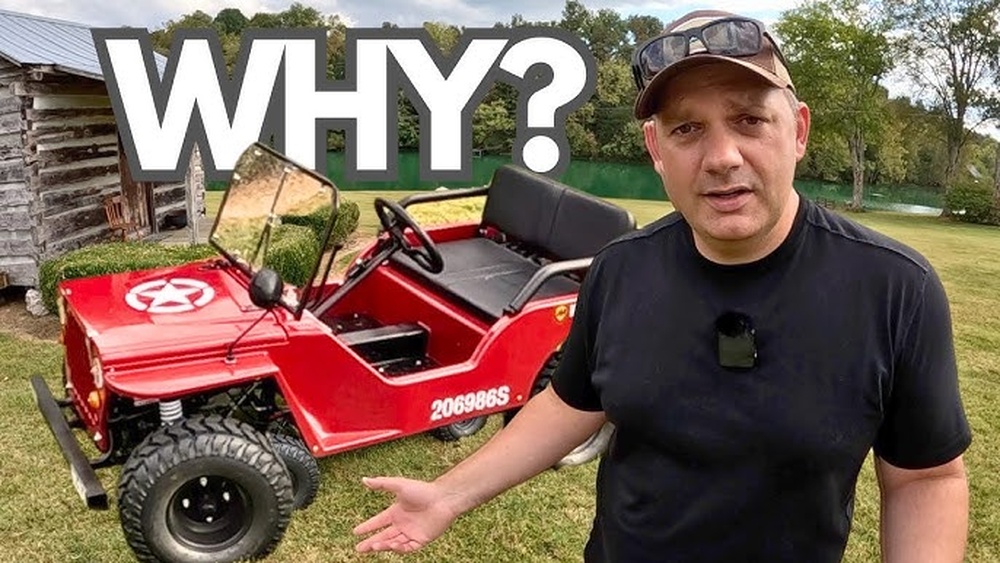
What Is The Tractor Supply Mini Jeep?
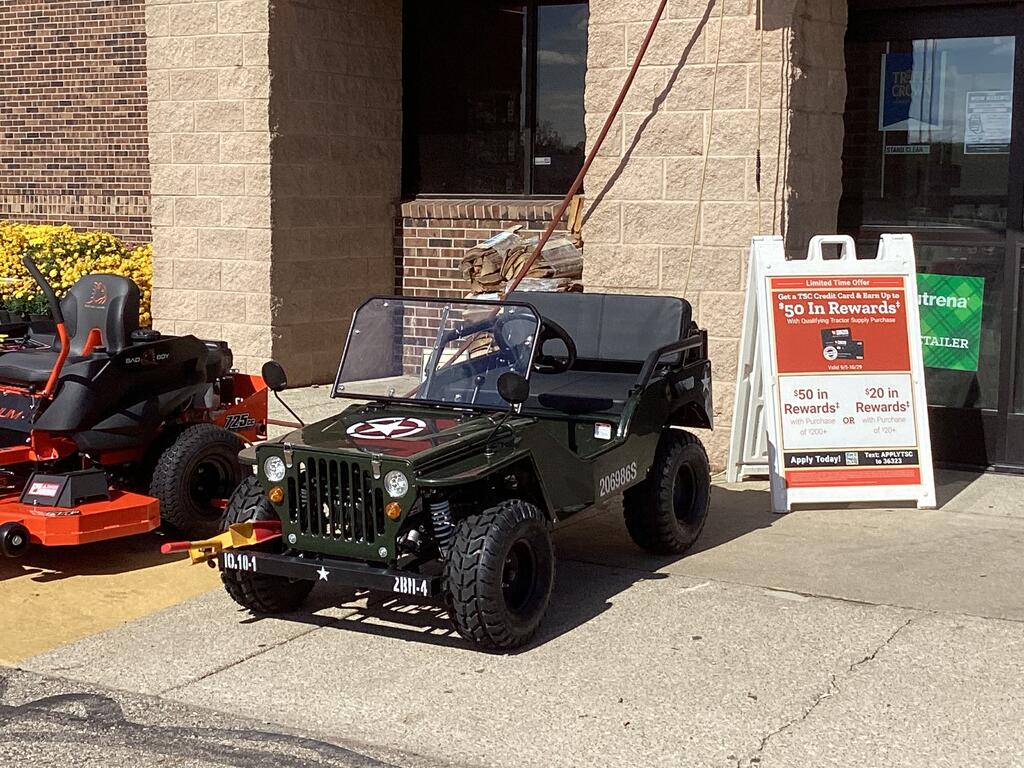
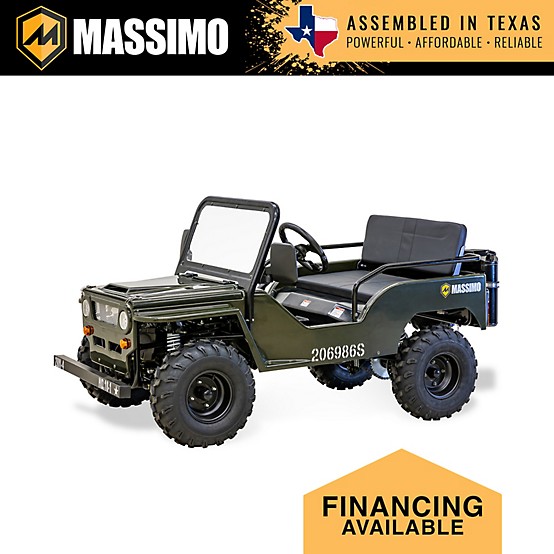
The Tractor Supply Mini Jeep is a compact, gas-powered vehicle that resembles a traditional Willys Jeep. It’s popular for use on private property, farms, and large yards. Most models feature:
- Single-cylinder, 125cc–150cc engines
- Top speeds of 20–30 mph
- Basic safety features like seatbelts and roll bars
- Off-road tires
- Seating for 1–2 people
These mini Jeeps are designed for fun, especially for kids and teens under adult supervision. They’re often used for recreation, yard work, or farm chores.
Federal Law Vs. State Law: The Basics
Understanding if a mini Jeep is street legal means looking at both federal and state rules. In the U.S., vehicles must meet certain safety and emissions standards to be driven on public roads. These laws are enforced by the Department of Transportation (DOT) and local Departments of Motor Vehicles (DMVs).
- Federal standards set the minimum for all vehicles, like headlights, seatbelts, and crash safety.
- State laws add their own rules about registration, insurance, and road use.
Some states are stricter than others. For example, California and New York have tough emissions laws, while some rural states may be more lenient for small off-road vehicles.
Key Features Required For Street Legality
To drive a vehicle legally on public roads, it usually needs:
- Headlights, taillights, and turn signals
- Windshield and wipers
- DOT-approved tires
- Seatbelts
- Side and rearview mirrors
- Horn
- Speedometer and odometer
- Emissions compliance
Here’s a quick comparison of a typical mini Jeep and a street-legal car:
| Feature | Mini Jeep | Street-Legal Car |
|---|---|---|
| Headlights/Signals | Sometimes | Always required |
| DOT Tires | No | Yes |
| Emissions Control | No | Yes |
| Speed Capability | 20-30 mph | 40+ mph |
Most Tractor Supply Mini Jeeps do not come with all these features, especially emissions systems and DOT-approved tires.
Registration And Insurance Challenges
To be street legal, a vehicle must be registered and have insurance. Here’s what you’ll face with a mini Jeep:
- DMVs often won’t register a mini Jeep as a car, truck, or motorcycle.
- Insurance companies usually can’t cover a vehicle that isn’t street legal.
- Some states allow registration as an off-highway vehicle (OHV), but this does NOT allow use on public streets except in specific situations.
Here’s a look at registration options:
| Type of Registration | Street Use Allowed? | Common for Mini Jeeps? |
|---|---|---|
| Car/Truck | Yes | No |
| Motorcycle | Yes | Rarely |
| OHV/ATV | Only limited | Yes |
Most mini Jeeps are registered as off-road only.
Local Laws And Exceptions
Some towns and rural areas have special rules for small, slow vehicles:
- Golf cart zones: Some communities allow low-speed vehicles (LSVs) on certain roads.
- Farm use exemptions: In rural areas, vehicles used for farm work may be allowed to cross roads.
- Parades and events: Temporary permits may allow use during special events.
However, even with these exceptions, mini Jeeps often lack the safety and compliance features required for routine street driving.
Common Mistakes Buyers Make
Many buyers believe they can make a mini Jeep street legal by adding lights or mirrors. But simple upgrades are not enough. Here’s why:
- No VIN: Most mini Jeeps do not have a 17-digit Vehicle Identification Number, which is required for registration.
- No crash testing: They are not built to meet car crash safety standards.
- Import issues: Many mini Jeeps are imported as off-road vehicles, not as cars.
Trying to “upgrade” a mini Jeep for street use can be expensive and still may not result in legal approval.
Practical Alternatives
If you want a small, Jeep-style vehicle for street use, consider these options:
- Street-legal LSVs (Low-Speed Vehicles): These meet DOT rules, can be registered, and often look like mini Jeeps.
- Golf carts with road kits: Some can be upgraded and registered for street use in certain areas.
- Classic Jeep restoration: Some older Jeeps are small and can be licensed.
Always check your local DMV’s requirements before buying.
Real-world Examples
- In Texas, some rural counties let golf carts or slow vehicles cross roads, but only with proper registration.
- In Florida, golf carts can drive on roads with a speed limit of 35 mph or less if they have safety upgrades.
- In California, strict emissions laws make it almost impossible to register a mini Jeep for street use.
These cases show that legality varies widely by location.
Summary: Is The Tractor Supply Mini Jeep Street Legal?
For most buyers, the answer is no—the Tractor Supply Mini Jeep is not street legal for use on public roads. It is designed for private property, farms, or off-road fun. Even with upgrades, it likely cannot be registered or insured for street use. If you need a vehicle for road travel, look for a street-legal LSV or a properly registered classic Jeep.
Before you buy, always check with your local DMV and city ordinances. Rules can change, and some areas have unique exceptions.
Frequently Asked Questions