Is A Stock Jeep Rubicon Lifted
For many off-road fans, the Jeep Wrangler Rubicon is a dream machine. It promises rugged looks, tough features, and the ability to conquer harsh terrain.
But one question often comes up: Is a stock Jeep Rubicon lifted? In other words, does it come with extra height from the factory, or do buyers need to add a lift kit themselves?
Let’s dive into the details, compare numbers, and clear up confusion for anyone considering a Rubicon.
What Does “lifted” Mean?
In the automotive world, “lifted” means a vehicle sits higher than normal. This extra height usually comes from suspension modifications or bigger tires. Drivers lift their vehicles for:
- More ground clearance
- Better off-road capability
- Room for larger tires
- Improved looks
A “stock” vehicle is straight from the factory, with no changes. So, a “stock Jeep Rubicon” means the Rubicon just as Jeep builds it, before any owner modifications.
Stock Rubicon Vs Other Jeep Models
To understand if the Rubicon is lifted, it helps to compare it with other Jeep Wrangler trims.
| Model | Ground Clearance (inches) | Suspension Type | Tire Size |
|---|---|---|---|
| Sport | 8.3 | Standard | 245/75R17 |
| Sahara | 8.3 | Standard | 255/70R18 |
| Rubicon | 10.8 | Heavy-Duty | 285/70R17 |
As you can see, the stock Rubicon has about 2.5 inches more ground clearance than the base models. This comes mainly from its suspension setup and larger tires.
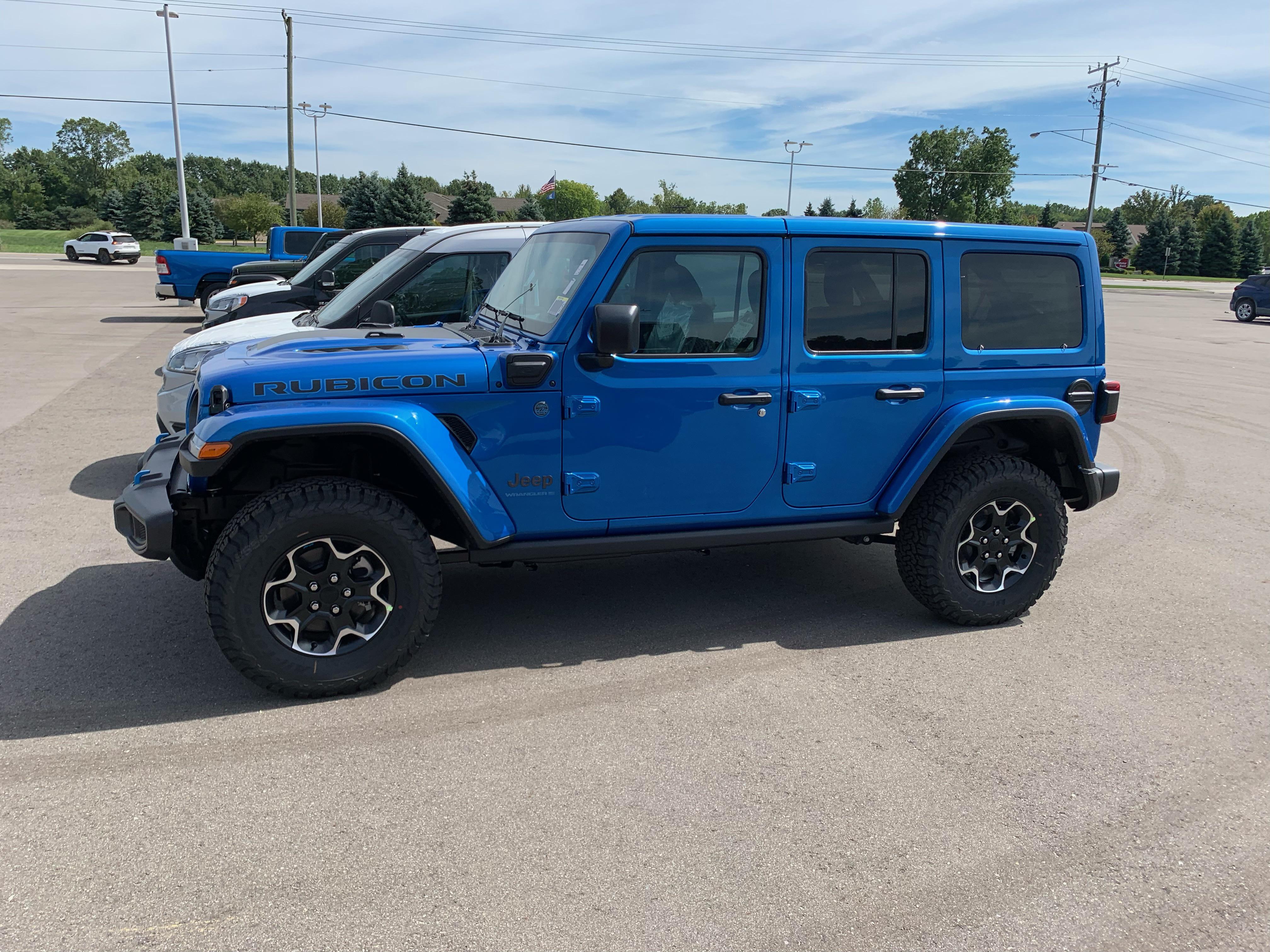
Factory Rubicon Suspension Details
The Rubicon’s “lift” comes from several factory features:
- Heavy-duty suspension: Jeep adds stronger springs and shock absorbers.
- Larger tires: The Rubicon uses 33-inch tires (285/70R17), bigger than the standard Wranglers.
- Axle clearance: Dana 44 axles are higher and tougher.
- Rock rails and skid plates: These protect the underbody but also add a bit of height.
Many owners ask if this counts as a “lift. ” Technically, Jeep does not call it a “lift kit. ” However, the Rubicon’s extra height is built-in and not an aftermarket modification.
Comparing Rubicon To Aftermarket Lifts
People often wonder if the Rubicon’s factory setup compares to aftermarket lifts. Let’s see how they stack up.
| Type | Lift Height (inches) | Ground Clearance (inches) | Tire Size |
|---|---|---|---|
| Stock Rubicon | ~0 (factory only) | 10.8 | 33″ |
| 2-inch lift kit | 2 | 12-13 | Up to 35″ |
| 3.5-inch lift kit | 3.5 | 14-15 | Up to 37″ |
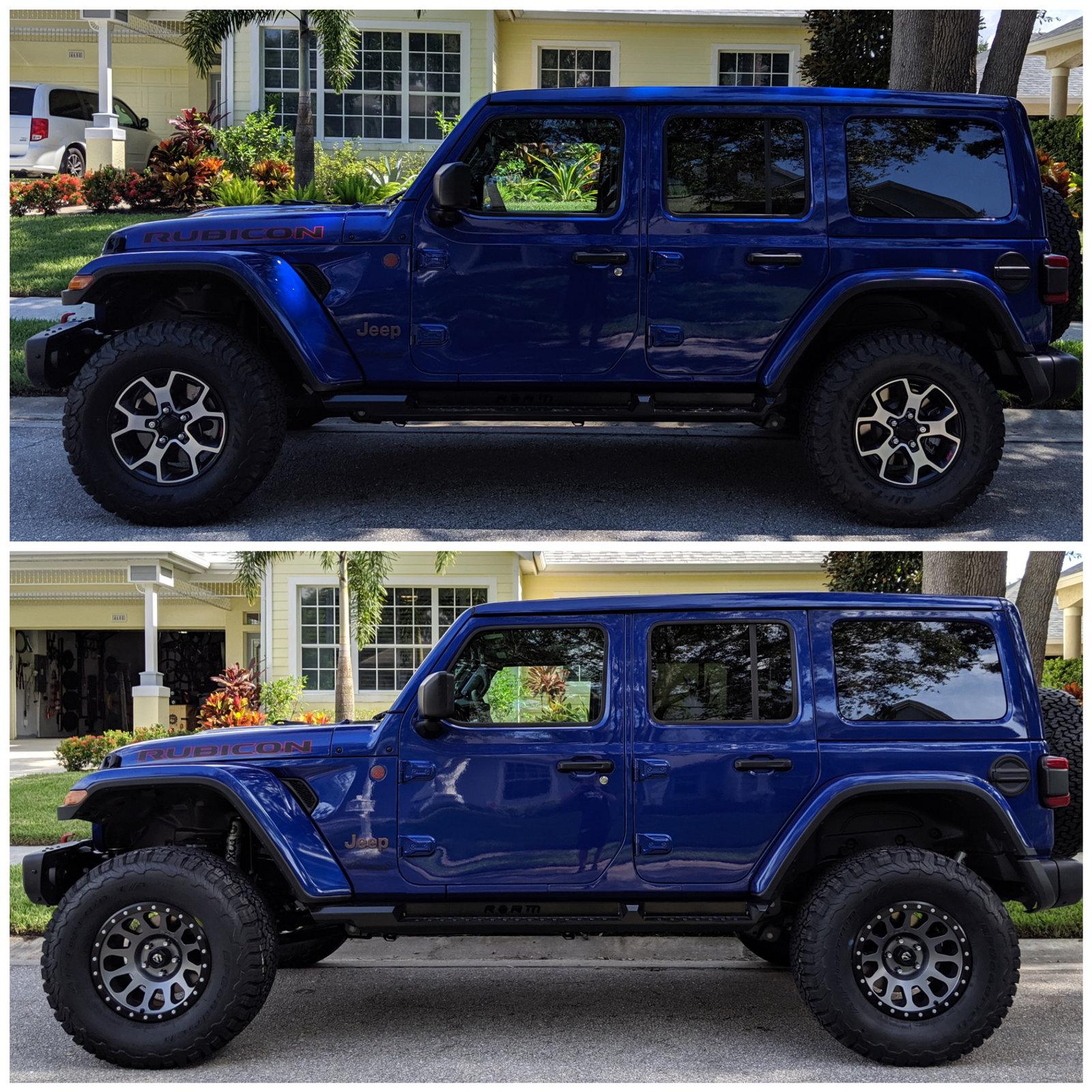
A stock Rubicon is not “lifted” by aftermarket standards. Its height comes from factory engineering, not a separate kit. Still, it’s noticeably taller than other Jeeps, thanks to the suspension and tires.
Real-world Examples
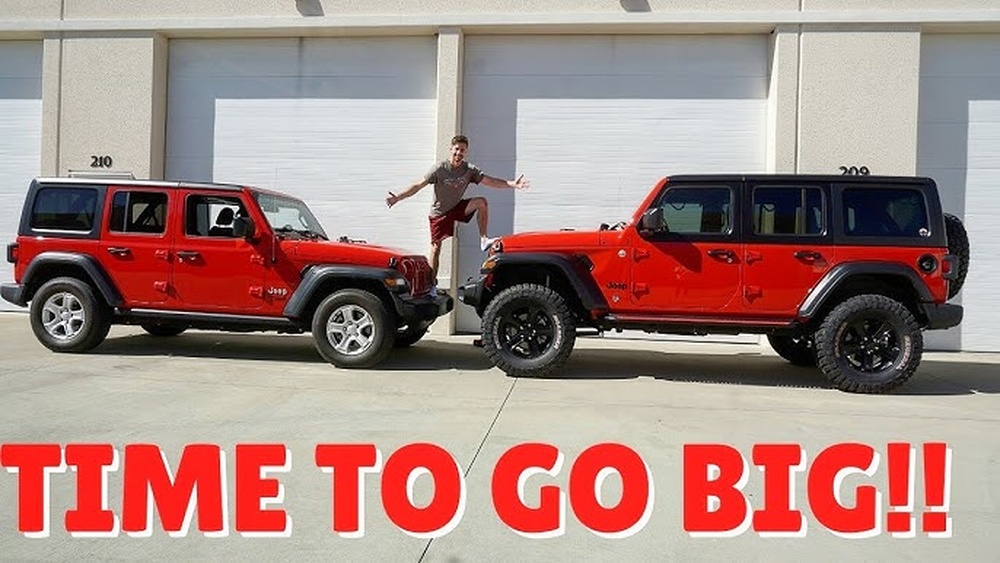
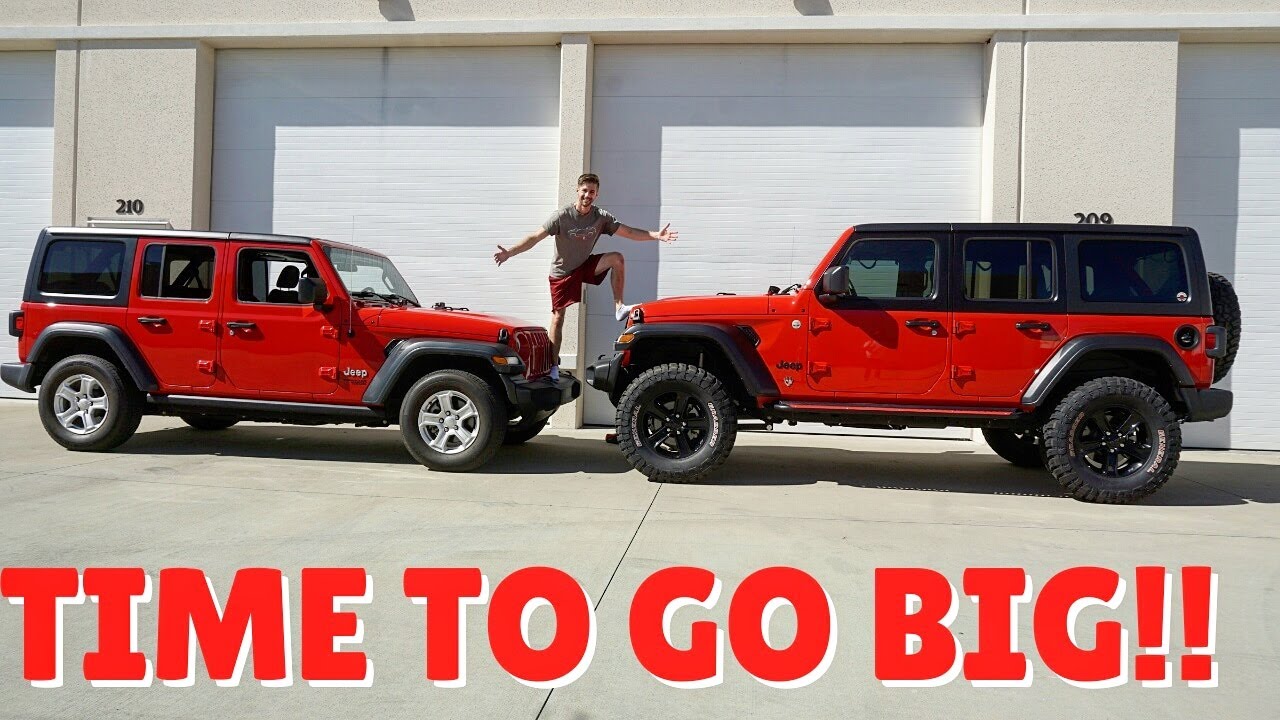
If you park a stock Rubicon next to a Sport or Sahara, the difference is obvious. The Rubicon stands taller, and its tires look beefier. Off-road, it can clear rocks and obstacles that the other models might scrape on.
Many Jeep dealers use Rubicon’s height as a selling point. But some buyers expect even more, especially if they want to fit 35-inch tires or tackle extreme trails. In those cases, an aftermarket lift may be needed.
Why Jeep Doesn’t Call It A Lift Kit
Jeep engineers design the Rubicon for tough trails right from the factory. They don’t use the term “lift kit” because:
- The extra height is part of the vehicle’s standard design
- It meets strict safety and warranty standards
- Aftermarket lifts can change the ride, handling, and warranty
Rubicon’s factory setup gives a balance between height, comfort, and reliability. Owners get extra clearance without risking problems from poorly installed lifts.
Non-obvious Insights About Rubicon Height
- Suspension travel matters more than just height: The Rubicon’s heavy-duty suspension allows for better wheel movement over obstacles, which is key for off-roading.
- Factory height keeps ride quality stable: Unlike aftermarket lifts, which can make the ride stiff or bouncy, the Rubicon’s setup is tuned for both daily driving and trails.
Many beginners think only “lift kits” make a Jeep taller. But tire size, axle design, and suspension travel all play a role. These factory changes are safer and more reliable for most users.
Common Mistakes When Shopping For A Rubicon
- Thinking it’s “lifted” like a custom Jeep: The Rubicon is taller, but not as much as an aftermarket lift.
- Assuming all Rubicons look the same: Some special editions (like the Rubicon 392) have even larger tires and slightly higher suspension.
- Ignoring the effect of tire size: Bigger tires add height, but can also affect speedometer readings and fuel economy.
Before upgrading, check the real numbers and know what you want from your Jeep.
Pros And Cons Of Factory Rubicon Height
Let’s summarize what the factory setup offers.
| Pros | Cons |
|---|---|
| Ready for off-road | Not as tall as aftermarket lifts |
| Maintains warranty | Limited tire size |
| Safe handling | Less aggressive appearance |
Most Rubicon buyers are happy with the factory height. If you want more, you can always add a lift kit later.