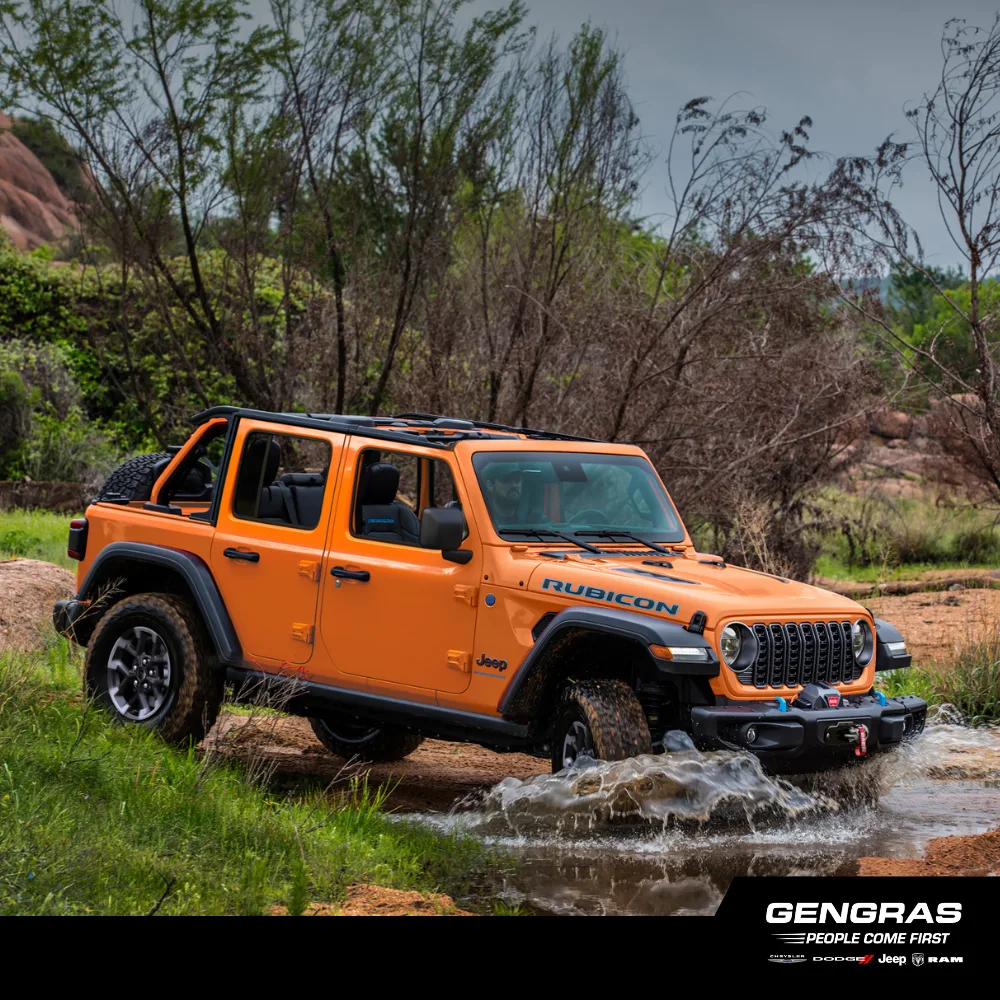
The Jeep Wrangler Rubicon is a symbol of adventure. Its boxy shape, strong axles, and off-road features make it popular for those who love the outdoors. But when you ask, “Is the Jeep Wrangler Rubicon reliable?” you’ll get a mix of answers. Some drivers swear by it, while others mention problems. If you’re thinking of buying one, or just curious, it’s smart to look at both the good and the bad.
What Reliability Means For A Jeep Wrangler Rubicon
Reliability is about more than how often a car breaks down. It includes how well it handles tough conditions, how expensive repairs are, and how long it lasts. For the Rubicon, which is used in rough places, reliability means even more. Owners want a vehicle that can tackle mud, rocks, and snow without leaving them stranded.
The Rubicon is built with strong parts. It has heavy-duty Dana 44 axles, locking differentials, and a smart four-wheel-drive system. These features help it survive tough trips, but they also add complexity. More parts mean more things that could go wrong.

Strengths Of The Jeep Wrangler Rubicon
The Rubicon stands out for its off-road skills, but it also has a few reliability strengths you might not expect.
Built For Hard Use
Unlike many SUVs, the Rubicon is designed for serious off-roading. Its parts are made to take hits from rocks and ruts. The frame is strong, and the suspension gives plenty of travel. This means if you use it as intended, it often lasts a long time.
Simple, Proven Engines
Most Rubicons come with the 3.6L Pentastar V6. This engine has been used in many Jeep and Dodge vehicles. It is known for lasting over 200,000 miles if maintained. Some newer Rubicons offer a turbocharged 2.0L engine or a diesel, but the V6 is still the most common. Owners say it’s dependable, though it’s not the most fuel-efficient.
Easy To Repair
The Wrangler’s design makes it easier to fix than many modern SUVs. The body-on-frame build and basic layout mean mechanics can reach important parts quickly. Parts are also widely available and not too expensive. This keeps repair costs lower, especially for common problems.

Weak Points And Common Problems
No vehicle is perfect, and the Rubicon has some weak spots that buyers should know.
Frequent Issues
Many owners report electrical problems, like power windows or infotainment systems not working. Water leaks around the doors or roof are another common complaint, especially for removable top models. These leaks can lead to mold or electrical damage if ignored.
The front suspension is another area to watch. Some drivers mention a “death wobble” a shaking that happens at higher speeds. This is usually caused by worn suspension parts or unbalanced tires. It’s scary but fixable.
Fuel Economy
The Rubicon’s focus on off-roading means low gas mileage. Most drivers see 17-20 miles per gallon, sometimes less with big tires. This can be a surprise for new owners, especially those used to crossovers or sedans.
Cost Of Repairs
While basic repairs are simple, some Rubicon-specific parts are costly. For example, locking differentials and the advanced 4×4 system are more expensive to fix than regular versions. If these break, expect higher bills.
How The Rubicon Compares To Other Suvs
You might wonder how the Rubicon stacks up against similar vehicles. Here’s a quick look at reliability data from popular models.
| Model | Predicted Reliability (1-5) | Annual Repair Cost |
|---|---|---|
| Jeep Wrangler Rubicon | 2.5 | $694 |
| Toyota 4Runner | 4.0 | $514 |
| Ford Bronco | 2.0 | $625 |
As you can see, the Rubicon is not the cheapest or most reliable option, but it’s not the worst either. The Toyota 4Runner leads in long-term dependability, but it can’t match the Rubicon’s off-road skills.

Owner Experience: What Real Drivers Say
Owner reviews give a clear picture of what to expect. Many Rubicon drivers love the vehicle for its toughness and unique style. They accept its problems as part of the Jeep “character. ”
For example, some owners have crossed over 150,000 miles with only minor issues, like window switches or sensors. Others have needed more serious repairs, but often these are from very hard use off-road or poor maintenance.
If you buy used, checking for off-road damage is important. A well-maintained Rubicon used mostly on roads can be more reliable than one driven on rocky trails every weekend.
Tips For Maximizing Reliability
If you want your Rubicon to last, here are a few expert suggestions:
- Follow the service schedule. Oil changes and fluid checks are key.
- Inspect under the vehicle after off-roading. Look for leaks, dents, or loose parts.
- Protect electrical parts from water, especially if you remove the roof or doors often.
- Use quality parts for repairs, especially for the suspension and drivetrain.
- Balance and rotate tires often to avoid steering problems.
A non-obvious insight: many reliability issues come from owner modifications. Lifting the Jeep, adding large tires, or tuning the engine can stress parts and cause failures faster. If you want the best reliability, keep modifications mild.
Latest Updates And Warranty Coverage
Jeep has improved the Wrangler over the years. For example, the 2024 Rubicon comes with better electronics and stronger axles. Jeep also includes a 3-year/36,000-mile basic warranty, and a 5-year/60,000-mile powertrain warranty. These help cover early problems, but owners should read the fine print—wear items like brakes and clutches aren’t covered.
Here’s a simple look at recent improvements:
| Year | Notable Reliability Upgrade |
|---|---|
| 2018 | New JL generation with stronger frame |
| 2020 | Improved electrical system |
| 2024 | Upgraded axles and infotainment |
Not all updates fix every problem, but newer Rubicons are usually better than old ones.
Is The Jeep Wrangler Rubicon Reliable Enough?
So, is the Jeep Wrangler Rubicon reliable? The answer depends on what you expect.
If you want a simple, trouble-free ride, a Toyota 4Runner might be better. But if you need a vehicle that can go almost anywhere and don’t mind extra care, the Rubicon is hard to beat.
One insight many miss: how you use the Rubicon affects reliability more than almost anything else. Light daily driving means fewer issues, but regular off-road trips increase wear. Buy with your needs—and your repair budget—in mind.
If you like adventure and can handle some repairs, the Rubicon is a fun, capable choice. If you want peace of mind above all else, consider other SUVs. For more details, you can check the Jeep page on Wikipedia.
Frequently Asked Questions
What Is The Average Lifespan Of A Jeep Wrangler Rubicon?
With good care, most Rubicons last 150,000 to 200,000 miles. Some reach 250,000 miles or more, especially if not heavily modified or off-roaded.
Does The Rubicon Have More Problems Than Other Jeep Wranglers?
The Rubicon has more complex parts, like locking differentials, so there’s more that can go wrong. But if maintained well, it’s not much less reliable than other Wrangler trims.
Are Repairs Expensive For The Rubicon?
Basic maintenance is similar to other SUVs, but unique parts like axles or lockers cost more. Budget more for repairs if you plan to use all its off-road features.
Is The Rubicon Good For Daily Driving?
It can work as a daily driver, but expect a rougher ride, more noise, and lower fuel economy than most cars. It’s best for people who value off-road ability.
How Can I Check If A Used Rubicon Is Reliable?
Look for full service records, check for off-road damage under the vehicle, and test all electrical systems. A professional inspection is always a smart idea before buying.