Is The Jeep Gladiator Good On Gas?
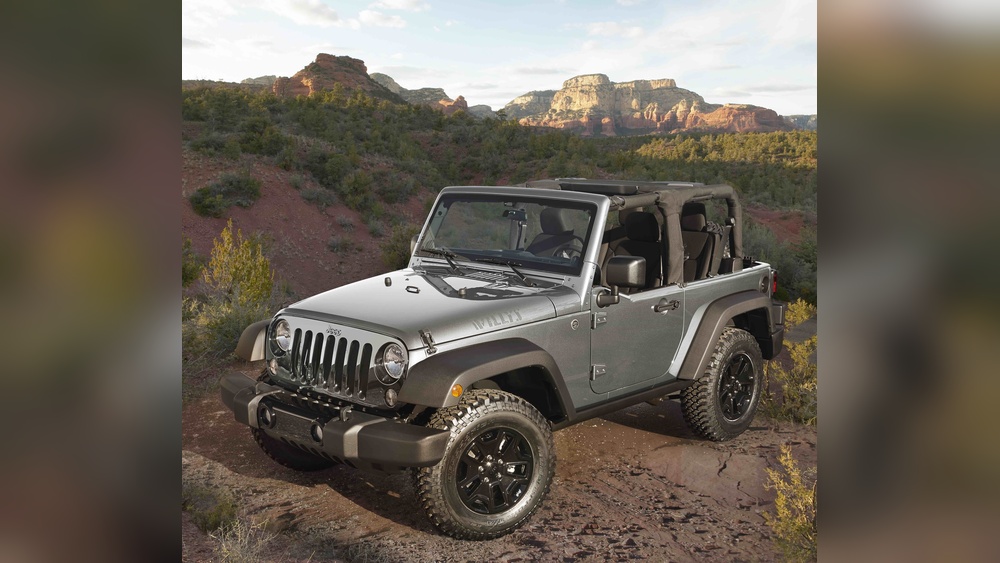
The Jeep Gladiator is a unique pickup that blends off-road ability with everyday utility. Many drivers love its rugged look and removable roof, but one question comes up often: is the Jeep Gladiator good on gas?
Fuel efficiency matters, especially as fuel prices rise and people drive longer distances. This article explores how the Gladiator performs in the real world, compares it to other trucks, and gives you practical insights on what to expect before buying.
Jeep Gladiator Fuel Economy: The Numbers
The EPA fuel economy ratings are a good place to start. For the 2023 model year, the Jeep Gladiator comes with two main engine options:
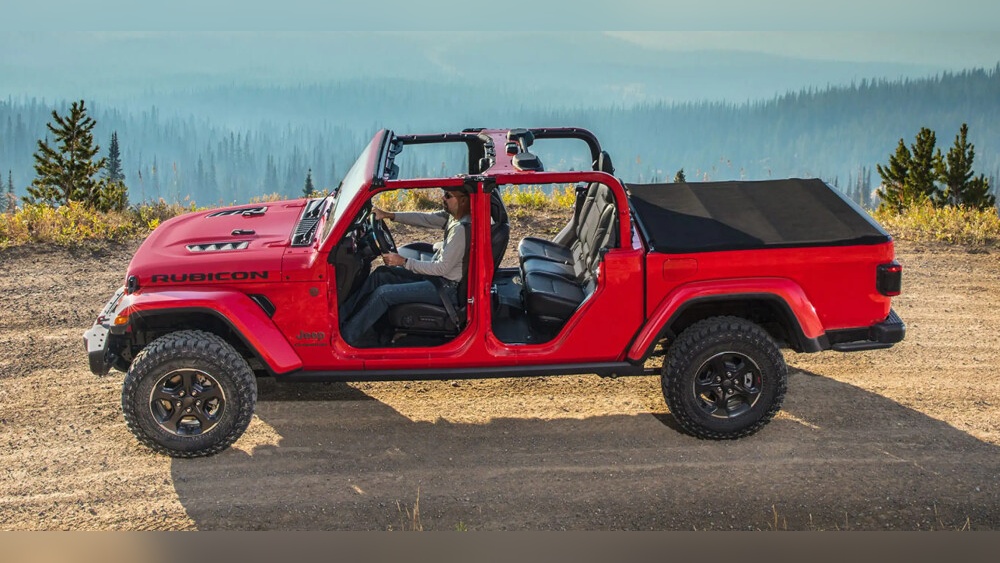
- 3.6L V6 Gas Engine (most common)
- 3.0L EcoDiesel V6 (optional)
Here’s how the numbers look:
| Engine | Transmission | City MPG | Highway MPG | Combined MPG |
|---|---|---|---|---|
| 3.6L V6 Gas | Automatic | 17 | 22 | 19 |
| 3.6L V6 Gas | Manual | 16 | 23 | 19 |
| 3.0L EcoDiesel V6 | Automatic | 22 | 28 | 24 |
Key takeaway: The Gladiator’s gas engine gets around 17–19 mpg in the city and 22–23 mpg on the highway. The diesel option does much better, with up to 28 mpg highway.
How Does Gladiator Compare To Other Midsize Trucks?
Some buyers wonder if the Gladiator’s off-road focus hurts its fuel efficiency. Let’s see how it compares to a few popular competitors:
| Model | Engine | Combined MPG |
|---|---|---|
| Jeep Gladiator (Gas) | 3.6L V6 | 19 |
| Jeep Gladiator (Diesel) | 3.0L V6 | 24 |
| Toyota Tacoma | 3.5L V6 | 20 |
| Ford Ranger | 2.3L Turbo | 23 |
| Chevy Colorado | 2.7L Turbo | 22 |
The Gladiator diesel stands out as one of the most efficient midsize trucks. The gas version is slightly below average, especially for city driving.
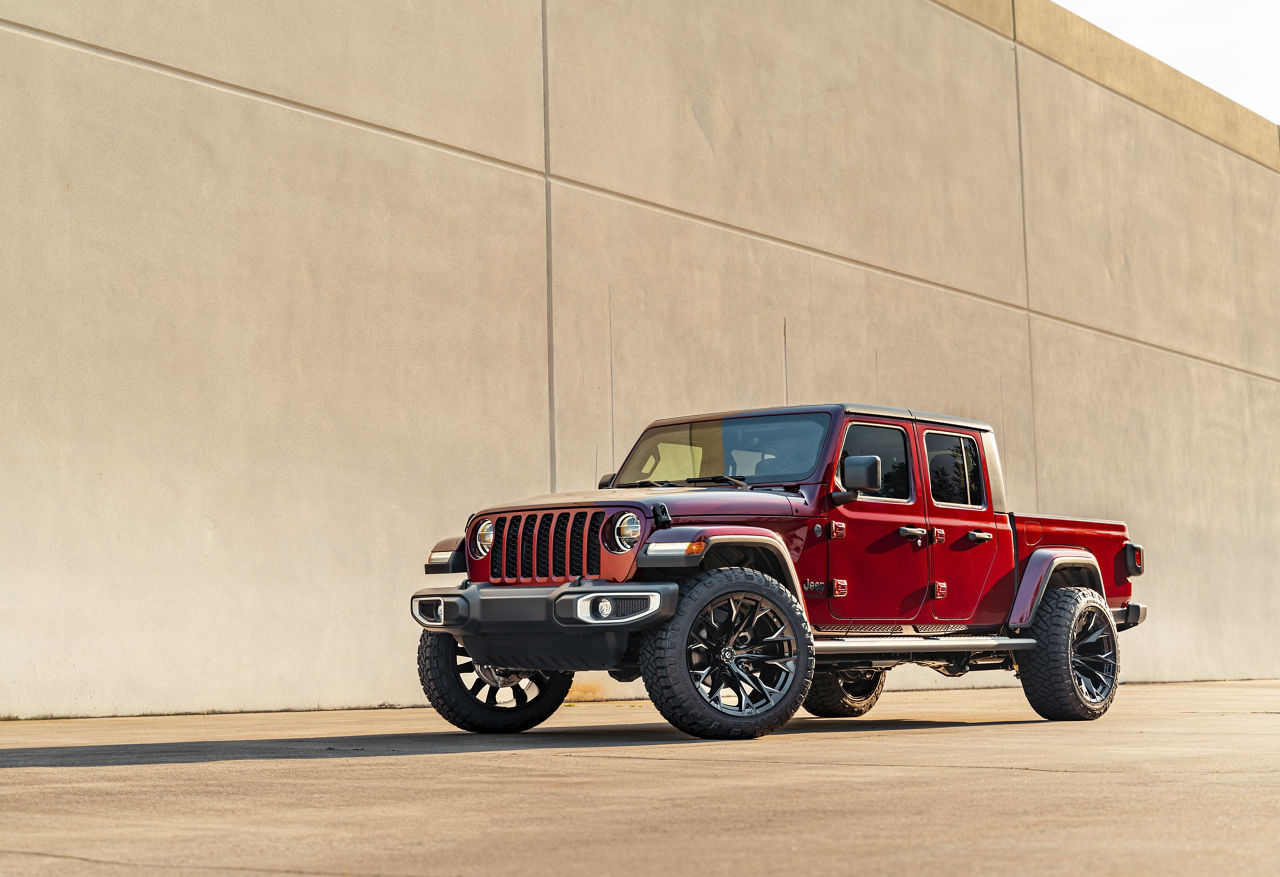
Why Is The Gladiator’s Gas Mileage Lower?
The Gladiator is based on the Jeep Wrangler, which is known for its boxy shape and heavy weight. Here are some reasons why the Gladiator isn’t a fuel-sipping champion:
- Aerodynamics: Its upright windshield and flat body create more wind resistance. Trucks with rounded shapes use less fuel at highway speeds.
- Weight: The Gladiator is heavier than most rivals, especially with off-road features.
- 4WD System: The standard four-wheel-drive adds extra drag and weight.
- Tires: The big, knobby tires on Rubicon and Mojave models grip well off-road but reduce efficiency on pavement.
Non-obvious insight: Many buyers forget that adding accessories like larger tires, lift kits, or a roof rack can drop fuel economy even further.
Real-world Fuel Economy: What Owners Report
Official ratings are helpful, but real-world driving can be very different. Owners report:
- City driving in stop-and-go traffic often drops to 15–16 mpg with the gas engine.
- Highway road trips can sometimes beat the EPA rating if you drive gently.
- Towing, heavy loads, or off-roading can bring fuel economy into the low teens.
A surprising tip: Using the diesel engine for short trips is not ideal. Diesel engines need to warm up for best efficiency, so frequent short drives may not save you money.
Can You Improve Gladiator Gas Mileage?
While the Gladiator will never match a small car, you can make small improvements:
- Drive smoothly. Sudden starts and stops burn more fuel.
- Check your tire pressure. Low pressure increases rolling resistance.
- Remove roof racks or heavy gear when not needed.
- Use two-wheel drive on pavement if your model allows.
- Keep your speed moderate. Wind resistance grows quickly above 65 mph.
Pro tip: Regular maintenance (like air filter changes and oil service) keeps your engine working at its best.
Is The Diesel Gladiator Worth It For Fuel Savings?
The 3.0L EcoDiesel gets noticeably better mpg, but it costs more upfront—usually around $4,000 extra. Diesel fuel can also be more expensive depending on your area. If you drive many miles each year, especially on highways, the diesel may pay for itself over time.
However, some owners find the diesel’s maintenance and repair costs higher. Make sure to do the math based on your driving habits.
Who Should (and Shouldn’t) Buy The Gladiator For Gas Mileage?
The Gladiator makes sense for people who:
- Want a fun, open-air truck
- Need strong off-road ability
- Don’t mind trading fuel economy for unique style and features
It’s not the best choice if you:
- Commute long distances every day and want to save money on fuel
- Prioritize low running costs above all else
Non-obvious insight: If you mostly drive in the city, a small crossover SUV may give you better mpg and still offer plenty of utility.
What Matters More Than Mpg?
When shopping for a Jeep Gladiator, consider your priorities. If you value adventure, towing, or the Jeep brand, the lower fuel economy might be acceptable. But if you want the most miles per gallon, you’ll find more efficient trucks and SUVs.
For more official specifications, visit the EPA’s fuel economy page.
Frequently Asked Questions
No, the Jeep Gladiator runs on regular unleaded gasoline. Using premium fuel does not improve performance or mileage.
Is The Gladiator Hybrid Or Electric?
As of 2023, there is no hybrid or electric Gladiator. All models use either a traditional gas or diesel engine.
How Big Is The Gladiator’s Gas Tank?
Most models have a 22-gallon fuel tank. This gives a driving range of around 400 miles, depending on your driving style.
Does Towing Affect Gladiator Gas Mileage?
Yes, towing a trailer or carrying heavy loads can lower gas mileage by 20% or more, especially with the gas engine.
Is The Diesel Gladiator Reliable?
The EcoDiesel engine has proven reliable for many owners, but it does need regular maintenance. Diesel engines can be more expensive to repair if problems arise.
The Jeep Gladiator offers a special mix of capability and style, but it’s not the best on gas—unless you choose the diesel and drive mostly on highways. If you want both off-road fun and strong fuel economy, compare all your options before making a choice.