Owning a classic Jeep can feel like driving history. The 1984 Jeep CJ7 is a favorite among collectors and off-road fans.
Its tough build, simple design, and open-air driving make it stand out. But how much is a 1984 Jeep CJ7 worth today?
The answer depends on many factors, from condition to upgrades. If you’re thinking about buying, selling, or just curious, this guide will help you understand what affects the value and what prices you can expect.
What Makes The 1984 Jeep Cj7 Special
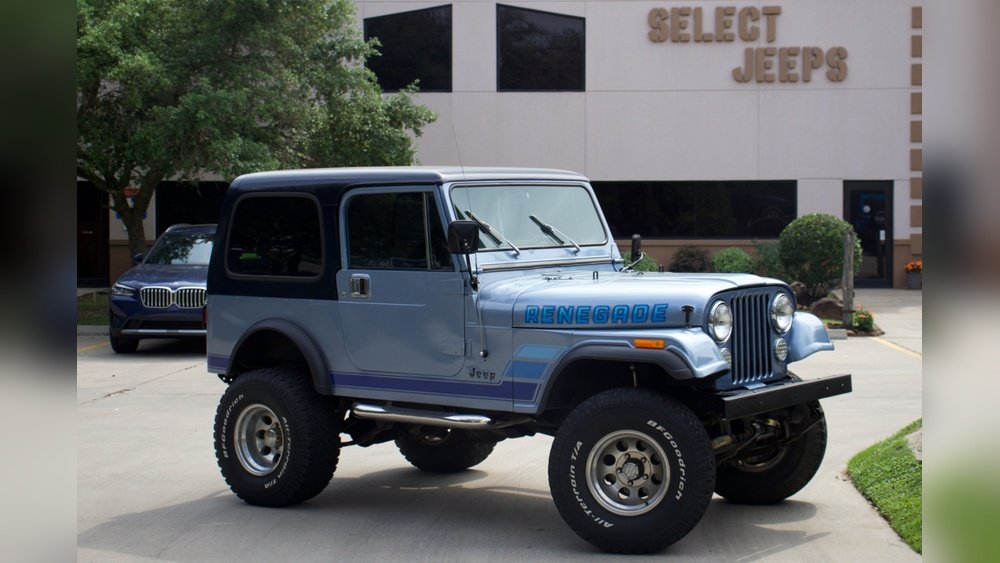
The CJ7 model was produced from 1976 to 1986, but 1984 models are unique. They feature a strong frame, classic round headlights, and removable tops. In 1984, Jeep offered both the 4.2L inline-six and a 2.5L four-cylinder engine. The CJ7 can handle rough terrain, making it popular with off-road fans.
Restoration is easier than many other classics since parts are widely available. Also, the CJ7’s design means it can be customized for both daily driving and adventure. These features keep demand and prices strong.
Key Factors That Affect Value
Several things decide how much a 1984 Jeep CJ7 is worth. Here are the most important:
- Condition – The biggest factor. A rusty, non-running CJ7 might sell for just a few thousand dollars. A fully restored or well-maintained original can reach much higher prices.
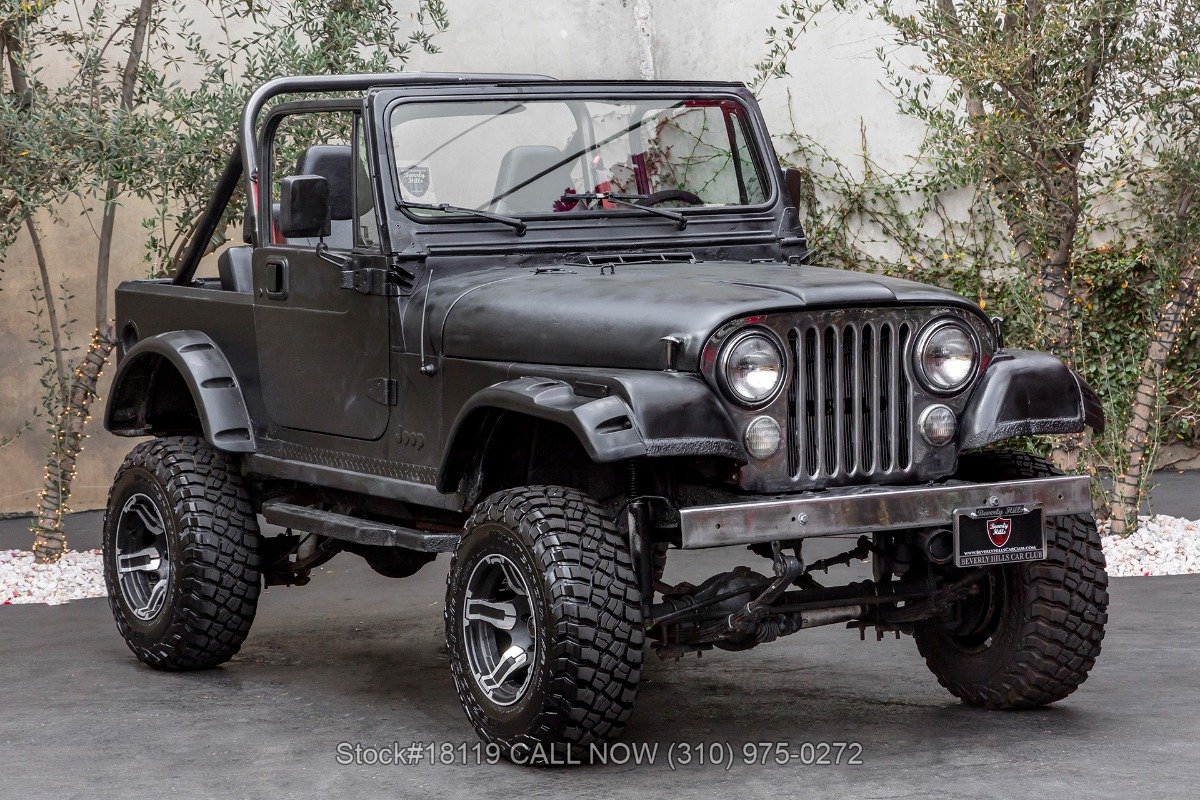
- Originality – Jeeps with original parts, paint, and engines are worth more. Modified Jeeps may attract off-road buyers but can lose collector value.
- Mileage – Lower miles usually mean less wear. High-mileage Jeeps are cheaper unless they’ve been rebuilt.
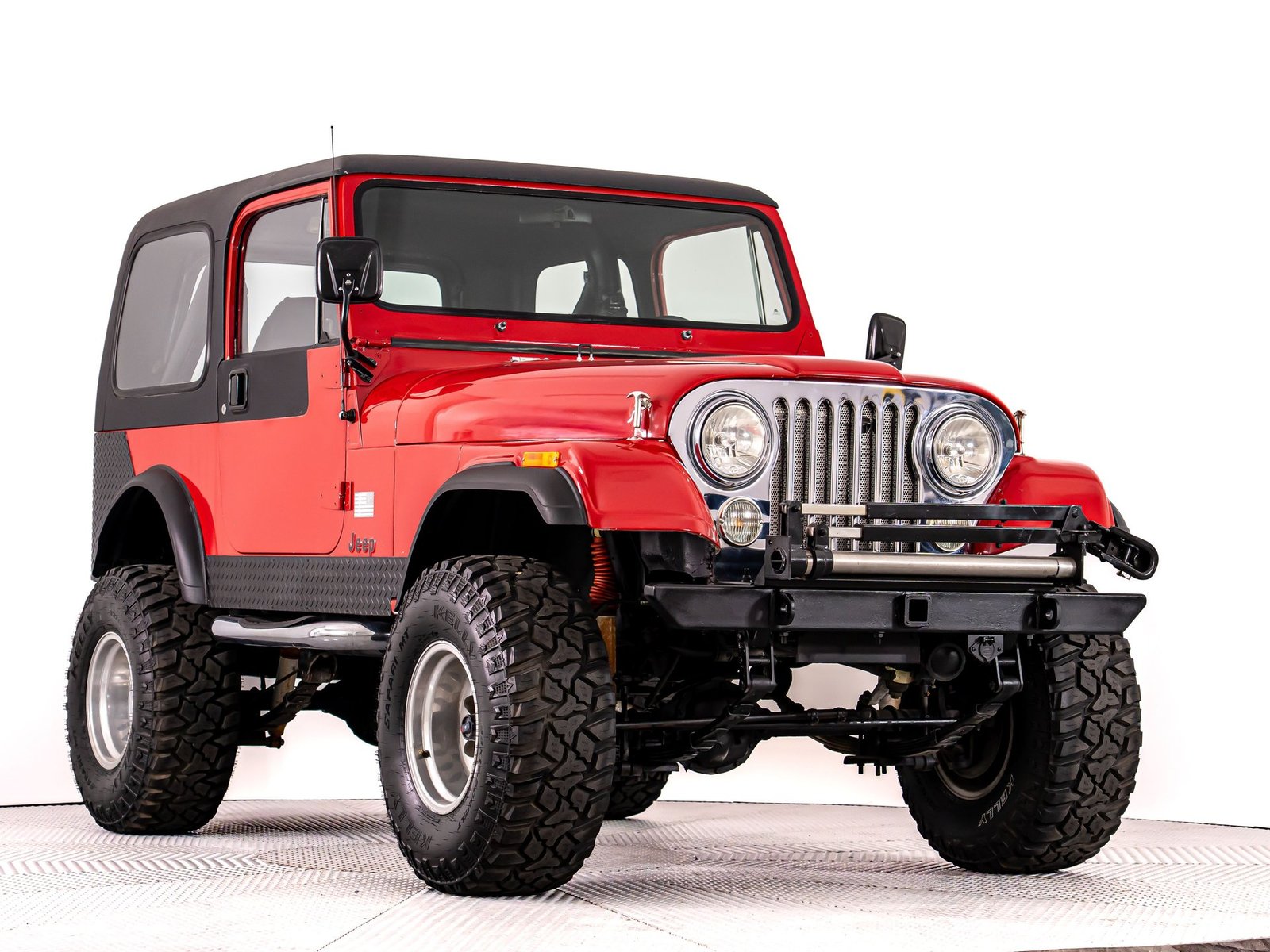
- Upgrades – Lift kits, new tires, and modern interiors can increase value for some buyers but decrease it for purists.
- Location – Prices vary. In areas with more classic car fans (like California or Texas), values are higher.
- Documentation – Service records and original paperwork boost confidence and price.
Typical Price Ranges
Let’s look at real-world prices for a 1984 Jeep CJ7. Here’s a summary of what you might find:
| Condition | Price Range (USD) | Description |
|---|---|---|
| Project/Needs Restoration | $4,000 – $7,000 | Non-running, heavy rust, needs work |
| Good/Driver | $10,000 – $18,000 | Running, some wear, mostly original |
| Restored/Excellent | $20,000 – $30,000+ | Fully restored, low miles, original parts |
Most CJ7s sell between $10,000 and $20,000. Rare finds or high-end restorations can go above $30,000.
Comparing Original Vs Modified Values
Some buyers want a stock CJ7, while others prefer upgrades. Here’s how changes affect price:
| Type | Typical Value | Notes |
|---|---|---|
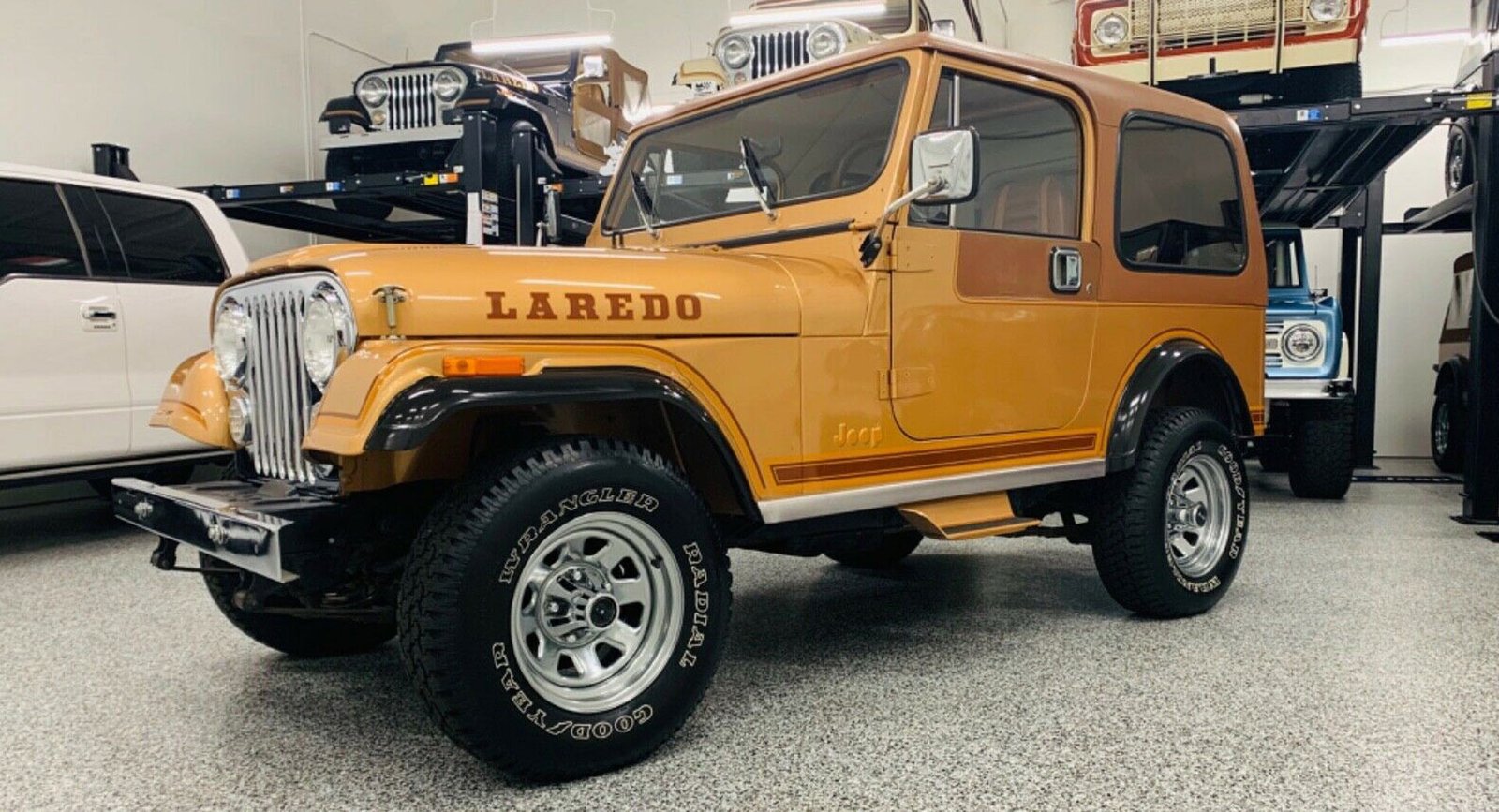
| Original | Highest | Collectors pay more for original parts |
| Moderately Modified | Medium | Lift kits, wheels, new paint |
| Heavily Modified | Lower | Engine swaps, custom interiors |
Non-obvious insight: Many beginners think upgrades always raise value. But collectors often pay more for factory-original Jeeps. If you want maximum value, keep modifications simple and reversible.
Real Examples From The Market
Looking at recent sales gives a clearer picture:
- A restored 1984 CJ7 with original paint sold for $27,500 in Texas.
- A customized off-road CJ7 (lifted, new wheels) sold for $15,200 in California.
- A project Jeep with rust and missing parts was listed for $5,500 in Florida.
These examples show how condition and originality affect price.
Extra Costs And Value Tips
When buying or selling a 1984 Jeep CJ7, remember these extra costs:
- Restoration costs can be high. Paint, bodywork, and engine rebuilds can add $5,000–$15,000.
- Insurance is higher for classics. Shop around for better rates.
- Parts availability is good, but rare original parts can be expensive.
- Documentation matters. If you have original manuals or sales receipts, keep them safe.
Beginner tip: Don’t judge value by looks alone. Always check for frame rust, engine condition, and paperwork.
How To Get An Accurate Value
For the best estimate, follow these steps:
- Inspect the Jeep carefully—frame, body, engine, and interior.
- Check online listings for similar Jeeps. Use sites like eBay, Hemmings, or Classic.com.
- Get a professional appraisal if unsure. Experts can spot details most people miss.
- Look at auction results for recent sales.
- Compare your Jeep with others using specs, mileage, and originality.
Here’s a quick comparison between two common scenarios:
| Scenario | Value Range | What Matters |
|---|---|---|
| Original, low-mileage | $25,000 – $32,000 | Condition, paperwork, factory parts |
| Modified, high-mileage | $8,000 – $15,000 | Upgrades, maintenance history |
Smart Buying And Selling Advice
If you’re buying, take your time. Look for rust-free frames and ask for documentation. If selling, highlight any original features, recent work, and upgrades. Photos matter—show under the hood, the interior, and the frame.
Non-obvious insight: Most buyers overlook the importance of the VIN (Vehicle Identification Number). Check if the VIN matches all paperwork. This proves authenticity and can prevent legal issues.
If you want to see more data and history about Jeep CJ7 values, visit the Jeep CJ Wikipedia page.
Frequently Asked Questions
How Much Is A 1984 Jeep Cj7 Worth In Rough Condition?
A rough, non-running CJ7 usually sells for $4,000–$7,000. Heavy rust, missing parts, or engine problems lower the price.
What Makes The 1984 Cj7 Different From Other Years?
The 1984 model has improved emissions controls and optional trim packages. It’s near the end of the CJ7 line, so parts are easier to find.
Is A Restored Cj7 More Valuable Than A Modified One?
Yes, for collectors. Restored CJ7s with original parts are worth more than heavily modified Jeeps. Some buyers do pay extra for quality upgrades, but originality is key.
How Do I Check If A Cj7 Is Original?
Look at the VIN, engine numbers, and paperwork. Compare parts and paint codes to factory specs. Ask for service records and original manuals.
What’s The Best Way To Sell A 1984 Jeep Cj7?
List your Jeep on classic car websites. Show clear photos and describe its history. Mention original features and recent repairs for better value.
The 1984 Jeep CJ7 remains a strong classic, both for collectors and off-road fans. Knowing what affects value helps you make smart choices, whether buying, selling, or just enjoying the ride.