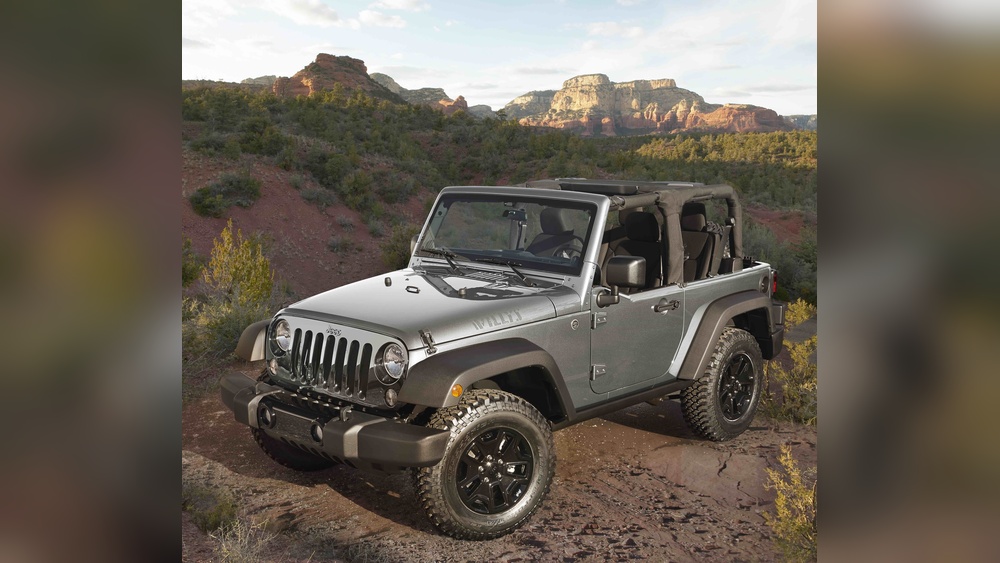
Is The Jeep Cherokee 4 Cylinder?
The Jeep Cherokee is a popular SUV known for its rugged design and versatility. Many buyers want to know if the 4-cylinder engine version is a good choice.
Should you pick the 4-cylinder model or look for something else? Let’s break down what makes the 4-cylinder Cherokee different, how it performs, and whether it fits your needs.
1. Engine Specifications
The Jeep Cherokee 4-cylinder comes with a 2.4-liter engine. This engine is part of Jeep’s “Tigershark” family, used in several models for its balance between efficiency and power. The 4-cylinder produces 180 horsepower and 171 lb-ft of torque. It pairs with a 9-speed automatic transmission for smooth shifting.

Here’s a quick comparison between the 4-cylinder and V6 options:
| Engine Type | Horsepower | Torque (lb-ft) | Fuel Economy (MPG) |
|---|---|---|---|
| 4-Cylinder (2.4L) | 180 | 171 | 22/31 (city/highway) |
| V6 (3.2L) | 271 | 239 | 20/29 (city/highway) |
The 4-cylinder stands out for its better fuel efficiency. It’s ideal for drivers who want to save money at the pump and don’t need maximum power.
2. Performance And Driving Experience
When you drive the Jeep Cherokee 4-cylinder, you’ll notice it feels smooth in city traffic. The engine is designed for daily use and commuting. However, it is less powerful than the V6, so acceleration can feel slower, especially when merging onto highways or carrying heavy loads.
Here are some points to consider:
- Handling: The 4-cylinder model has lighter weight, which helps with cornering and parking in tight spaces.
- Towing: This version has a lower towing capacity—about 2,000 pounds. If you plan to tow a trailer or boat, the V6 is a better pick.
- Noise: At high speeds, the engine can sound louder than the V6, especially when pushed hard.
Most drivers find the 4-cylinder enough for city driving, but if you want to go off-road or tow regularly, you might need more power.
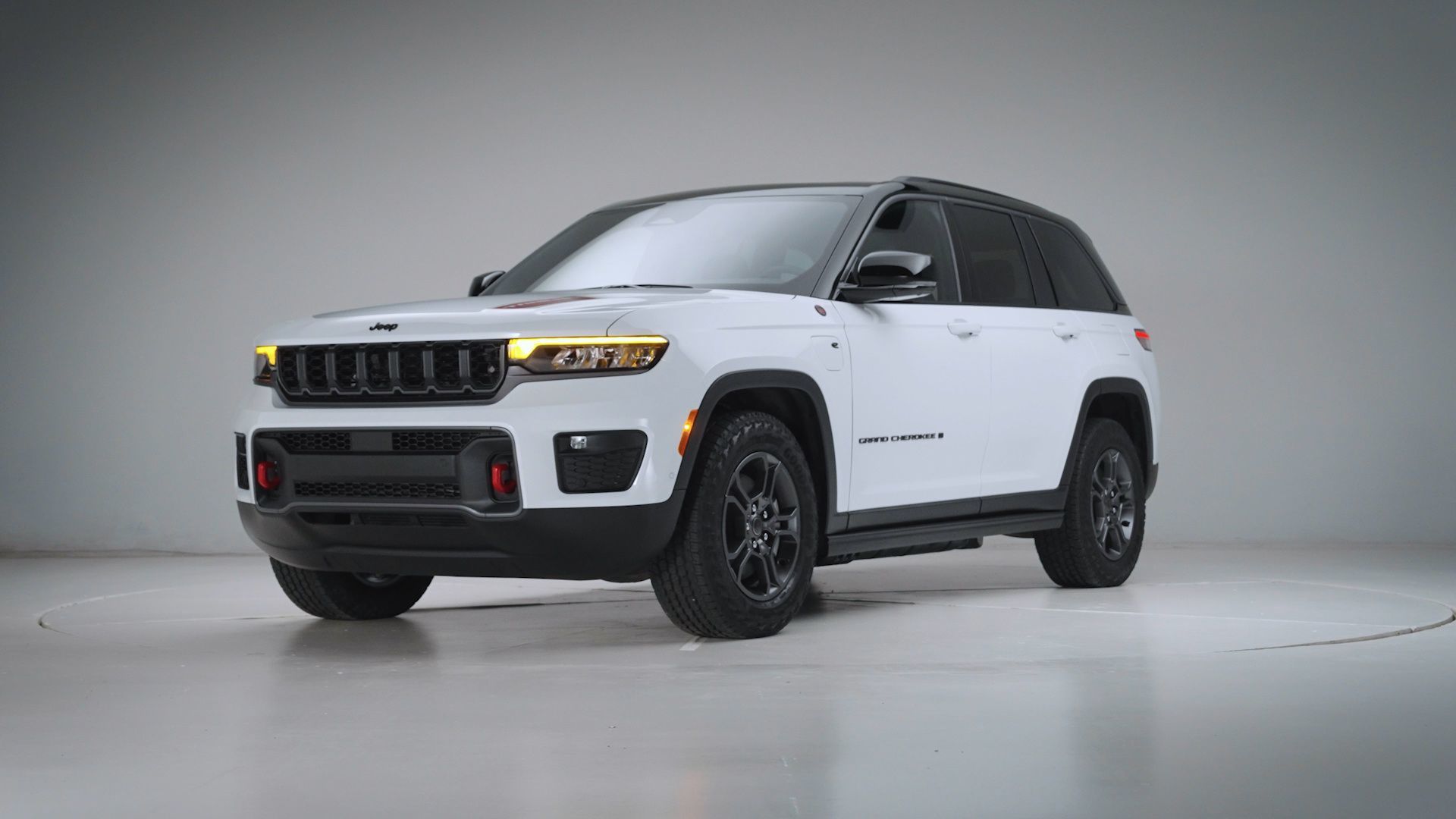
3. Reliability And Maintenance
One reason people like the 4-cylinder Cherokee is its reputation for reliability. The Tigershark engine has fewer moving parts than the V6, making it cheaper to maintain. Oil changes, spark plug replacements, and other routine services cost less.
A few insights most beginners miss:
- Timing Chain: Unlike some engines, the Tigershark uses a timing chain instead of a belt. This means less frequent replacements and lower long-term costs.
- Parts Availability: Because the engine is used in several Chrysler and Jeep models, parts are easy to find and often less expensive.
Here’s a maintenance cost comparison:
| Service | 4-Cylinder Cost | V6 Cost |
|---|---|---|
| Oil Change | $45 | $60 |
| Spark Plugs | $90 | $120 |
| Timing Chain/Belt Replacement | $0 (chain) | $350 (belt) |
These savings add up, especially if you keep your Cherokee for many years.
4. Value For Money
The 4-cylinder Cherokee is usually the entry-level model. It costs less than the V6, both in upfront price and long-term expenses. This makes it attractive to buyers who want a Jeep’s features without spending extra.
Key points:
- Initial Price: The 4-cylinder is about $1,500 cheaper than the V6 model.
- Resale Value: It holds value well, especially in markets where fuel efficiency is important.
- Insurance Costs: Usually lower due to the smaller engine size.
Here’s how the 4-cylinder stacks up against competitors:
| Model | Engine | Starting Price | Fuel Economy |
|---|---|---|---|
| Jeep Cherokee | 2.4L I4 | $27,500 | 22/31 MPG |
| Toyota RAV4 | 2.5L I4 | $28,000 | 27/35 MPG |
| Honda CR-V | 1.5L Turbo I4 | $29,000 | 28/34 MPG |
The Cherokee’s 4-cylinder is not the most efficient, but it’s competitive in price and offers solid Jeep features like 4WD and rugged styling.
What Most Buyers Overlook
Many buyers focus only on horsepower or price. Two less obvious insights:
- The 4-cylinder model is easier to upgrade with aftermarket parts. Many shops support it, so you can improve performance or appearance later.
- The lighter engine means less wear on front suspension and tires, which can extend their life.
Final Thoughts
Choosing the Jeep Cherokee 4-cylinder depends on your needs. If you want a reliable, affordable, and fuel-efficient SUV for daily use, it’s a strong option. It won’t tow as much or accelerate as fast as the V6, but for most drivers, it does the job well. Always consider how you plan to use your Cherokee before making a decision. For more details, check the official specs at Jeep.com.

Frequently Asked Questions
Is The Jeep Cherokee 4-cylinder Good For Off-roading?
The 4-cylinder can handle light off-road trails, especially with 4WD. However, for tougher terrain, the V6 or Trailhawk models are better.
How Does The Fuel Economy Compare To Other Suvs?
The 4-cylinder Cherokee gets 22 MPG city and 31 MPG highway. This is decent, but some competitors like the Toyota RAV4 and Honda CR-V offer higher fuel economy.
What Is The Towing Capacity Of The 4-cylinder Cherokee?
It can tow up to 2,000 pounds. This is enough for small trailers, but if you need more, look at the V6 version.
Is The 4-cylinder Engine Reliable?
Yes, the Tigershark engine is known for reliability and low maintenance costs. It uses a timing chain, which lasts longer than a belt.
Does The 4-cylinder Cherokee Have Enough Power For Highway Driving?
It’s enough for most situations, but you may notice slower acceleration when merging or passing at high speeds. If you want more power, consider the V6.
The Jeep Cherokee 4-cylinder offers a practical balance of price, fuel efficiency, and reliability. If these are your priorities, it’s worth considering.