Is The 3.8l Jeep Engine Good?
When Jeep introduced the 3. 8L V6 engine in its Wrangler models (2007–2011), many drivers had strong opinions.
Some loved its simple design, while others wanted more power and better fuel economy. If you’re thinking about buying a Jeep with the 3.
8L engine, you may wonder: is it a good choice? Let’s break down everything you need to know, including real-world reliability, performance, and the 38 most important factors to consider.
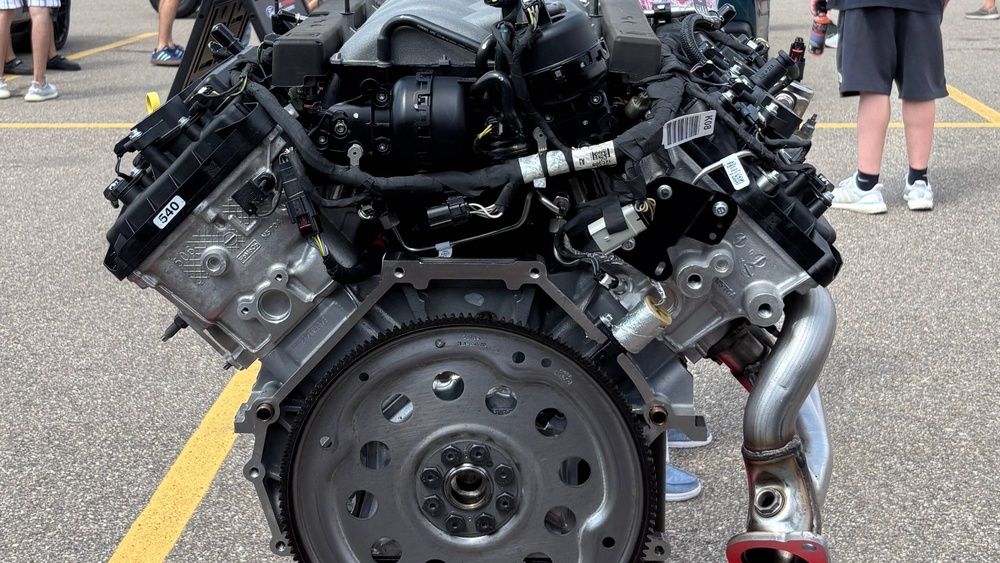
Key Features Of The 3.8l Jeep Engine
1. Displacement
The engine has a 3.8-liter displacement, producing enough torque for off-road needs but not always impressing on highways.
2. V6 Configuration
A V6 layout means six cylinders for smooth power delivery.
3. Fuel System
It uses a multi-point fuel injection system, improving combustion efficiency.
4. Horsepower Output
The engine delivers about 202 horsepower, which is moderate for its class.
5. Torque Rating
With 237 lb-ft of torque, it handles low-speed trails well.
6. Compression Ratio
A 9.6:1 compression ratio helps with fuel compatibility and engine longevity.
7. Block Material
Made of cast iron, the block is known for durability but adds weight.
8. Head Material
Cylinder heads are aluminum, aiding in heat dissipation.
9. Timing System
A timing chain is used, which lasts longer than a belt.
10. Valve Train
It features a pushrod (OHV) design, which is simple and proven.
11. Cooling System
A standard liquid cooling system prevents overheating.
12. Oil Capacity
It holds about 5 quarts of oil, making maintenance simple.
13. Spark Plugs
Uses copper-tipped spark plugs for better ignition.
14. Fuel Type
Runs on regular unleaded gasoline, saving you money.
15. Redline
The redline is at 6,000 RPM.
16. Transmission Compatibility
Works with both manual and automatic transmissions.
17. Towing Capacity
Supports up to 3,500 pounds towing (when properly equipped).
18. Maintenance Schedule
Simple maintenance every 5,000 miles is recommended.
19. Emissions Rating
Meets U.S. Tier 2 standards for emissions.
20. Aftermarket Support
Many aftermarket parts are available for upgrades.
21. Ecu (engine Control Unit)
Features a reliable ECU for managing engine functions.
22. Intake Manifold
The plastic intake manifold is lightweight and helps airflow.
23. Exhaust Manifold
Uses a cast iron exhaust manifold for durability.
24. Crankshaft
A forged steel crankshaft boosts strength.
25. Piston Design
Standard aluminum pistons are used for lighter weight.
26. Head Gasket
The multi-layer steel gasket reduces leaks.
27. Alternator Output
Typically, the alternator offers 160 amps.
28. Starter Motor
A robust starter motor ensures reliable starts.
29. Idle Quality
Known for a smooth idle when properly tuned.
30. Noise Level
The engine is moderately quiet, but not as refined as newer V6s.
31. Vibration
Some vibration is noticeable at higher RPMs.
32. Fuel Economy
Delivers about 15–19 mpg combined, which is average for its time.
33. Longevity
With good care, these engines often last 150,000–200,000 miles.
34. Warranty (original)
Came with a 3-year/36,000-mile warranty.
35. Common Repairs
Typical repairs include valve cover gaskets and oil leaks.
36. Parts Availability
Parts are widely available and affordable.
37. Resale Value
Wranglers with this engine hold decent resale value due to Jeep’s popularity.
38. Known Issues
Some owners report oil consumption and minor leaks, but catastrophic failures are rare.
How The 3.8l Jeep Engine Compares
You may wonder how the 3.8L V6 stands against other Jeep engines. Here’s a quick look:
| Engine | Horsepower | Torque (lb-ft) | Fuel Economy (mpg) |
|---|---|---|---|
| 3.8L V6 | 202 | 237 | 15–19 |
| 3.6L Pentastar | 285 | 260 | 17–21 |
| 4.0L I6 (older) | 190 | 235 | 14–18 |
While the 3. 8L is not the most powerful, it’s reliable for daily driving and off-roading.

Real-world Reliability And Maintenance
Owners often praise the 3.8L Jeep engine for its simple design and ease of maintenance. You don’t need special tools, and most repairs can be done by DIY enthusiasts. Regular oil changes and coolant flushes make a huge difference in longevity. One non-obvious tip: always check for valve cover gasket leaks around 80,000 miles, as small leaks can lead to larger issues if ignored.
A second overlooked point: using high-quality oil and filters reduces the risk of sludge build-up, which is a common problem as the engine ages.
Pros And Cons
Here’s a side-by-side look at the advantages and disadvantages:
| Pros | Cons |
|---|---|
|
|

Who Should Consider The 3.8l Engine?
If you want a reliable Jeep for daily use and weekend adventures, the 3.8L is a solid choice. It’s not for those who crave high-speed performance, but it’s perfect for drivers who value simplicity and durability. Off-roaders appreciate its torque, while city drivers enjoy low maintenance costs.
Frequently Asked Questions
Is The 3.8l Jeep Engine Reliable?
Yes, with regular maintenance, the 3.8L engine can last over 150,000 miles. Most issues are minor, like oil leaks, and are easy to fix.
What Years Did Jeep Use The 3.8l Engine?
Jeep used the 3.8L V6 mainly in the Wrangler (JK) from 2007 to 2011.
How Does The 3.8l Compare To The 3.6l Pentastar?
The 3.6L Pentastar offers more power, better fuel economy, and a smoother ride. The 3.8L is simpler and cheaper to maintain.
What Are Common Problems With The 3.8l Jeep Engine?
Common problems include oil leaks, valve cover gasket issues, and occasional oil consumption.
Where Can I Find More Technical Details About The 3.8l Jeep Engine?
For deep technical specs, visit the Jeep Wrangler Wikipedia page.
The 3.8L Jeep engine is a good, reliable choice for most drivers. It isn’t the most modern, but it does what a Jeep engine should: it gets you to the trail and back, with confidence.




















