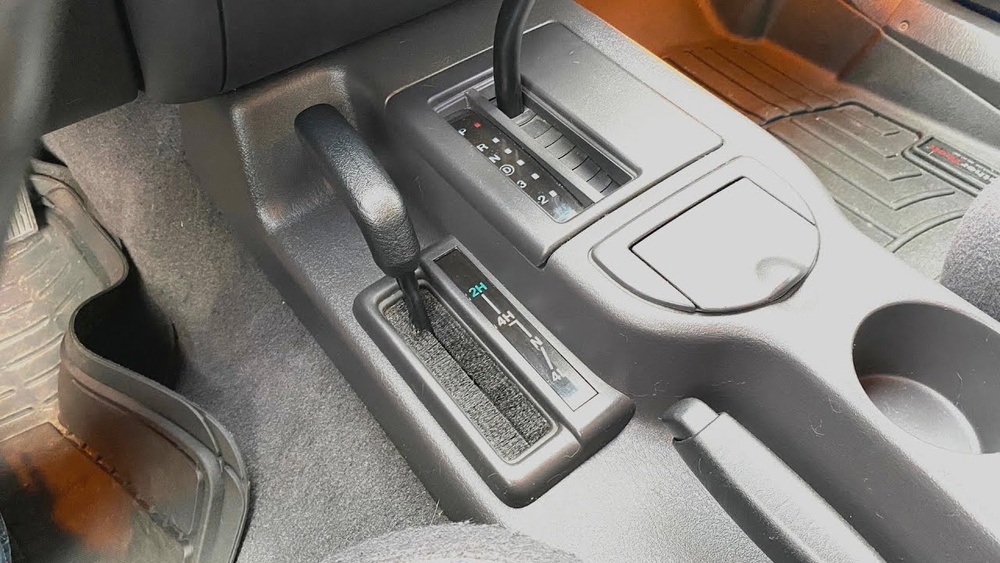
The Jeep Cherokee is a popular SUV known for its rugged style and off-road skills. Many buyers focus on the engine when looking at reliability. The 3.2L V6 engine (often mistaken as 2.8L) is found in several recent Jeep Cherokee models. If you’re thinking about buying a Cherokee with this engine, you probably want to know: Is it a good long-term choice? Will it cost you more in repairs or give you peace of mind on the road? Let’s look closely at the 3.2L V6 Jeep Cherokee engine’s reliability by breaking down six key areas.
1. Engine Design And Build Quality
The 3.2L V6 belongs to Chrysler’s Pentastar engine family. It’s an evolution of the well-regarded 3.6L Pentastar, but with a slightly smaller displacement. The engine uses aluminum for both the block and heads, which helps to keep weight down and improve fuel efficiency.
Key features include:
- DOHC (Double Overhead Camshaft) design for better airflow
- Variable Valve Timing (VVT) for improved power and efficiency
- Timing chain (not belt), which usually lasts longer
The overall build quality is solid. Most owners experience smooth performance and few issues in the first 100,000 miles. However, some report minor oil leaks or sensor failures as the engine ages.
2. Common Problems And Weak Points
No engine is perfect, and the 3.2L V6 has some known issues:
- Oil cooler leaks: A common complaint is oil leaking from the cooler unit. This usually appears after 60,000–100,000 miles.
- Sensor problems: Some drivers report issues with camshaft or crankshaft sensors, which can cause the engine to stall or throw warning lights.
- Cooling system: The water pump and thermostat housing sometimes develop leaks, though these are not unique to this engine.
Most problems are not catastrophic but can be annoying. Regular maintenance helps catch these early.
3. Maintenance Costs And Frequency
Maintenance costs for the 3.2L V6 are about average for its class. Routine care includes:
- Oil changes every 5,000–7,500 miles
- Spark plugs at 100,000 miles
- Air filter and coolant changes as needed
Repairs like oil cooler or sensor replacements can cost $300 $700 at a shop. These costs are not unusual for a modern V6 engine.
Here’s how the 3.2L V6 compares to some similar engines:
| Engine | Annual Maintenance Cost | Recommended Oil Change Interval |
|---|---|---|
| Jeep 3.2L V6 Pentastar | $550–$700 | 5,000–7,500 miles |
| Honda 3.5L V6 | $500–$650 | 7,500 miles |
| Toyota 3.5L V6 | $450–$600 | 10,000 miles |
While the Jeep’s costs are slightly higher, they are not a major concern for most owners.
4. Longevity And Mileage Expectations
Most 3.2L V6 engines easily reach 150,000–200,000 miles with regular care. Some owners have reported passing 250,000 miles with only minor repairs. The timing chain is built to last the engine’s life, so there’s no expensive belt replacement to worry about.
Here’s a quick look at owner-reported mileage longevity:
| Mileage Range | % of Owners Reporting No Major Repairs |
|---|---|
| 0–100,000 | 90% |
| 100,001–150,000 | 75% |
| 150,001–200,000 | 60% |
Engines that receive poor maintenance, frequent overheating, or cheap oil changes are much more likely to develop problems earlier.

5. Performance And Fuel Economy
The 3.2L V6 offers a good mix of power and efficiency for an SUV. It produces around 271 horsepower and 239 lb-ft of torque, which is enough for daily driving, highway merging, and light towing. Most Cherokees with this engine can tow up to 4,500 pounds when properly equipped.
Fuel economy is average for a midsize SUV:
- City: 18–20 mpg
- Highway: 25–27 mpg
Some drivers find that city fuel use is a bit high compared to four-cylinder options, but the V6’s extra power is useful for off-road or towing.
6. Owner Satisfaction And Real-world Experience
Most owners are satisfied with the 3.2L V6 engine. They praise its smoothness, quiet running, and reliable power. Many say it feels more refined than older Jeep engines. Some negative feedback is about minor oil leaks or electronic glitches, but these rarely stop the engine from running.
An insight many beginners miss: The 3.2L V6 is less common than the 2.4L four-cylinder in Cherokees, but it is almost always more reliable and stronger for long-term use. Owners who drive in hot climates or do a lot of towing also report fewer overheating issues than with smaller engines.
Frequently Asked Questions
Is The 3.2l V6 Better Than The 2.4l Four-cylinder In The Jeep Cherokee?
Yes, the 3.2L V6 is generally more reliable and offers better performance than the 2.4L. The V6 handles towing and heavy loads better, and it tends to have fewer major issues.
What Are The Most Common Repairs Needed For The 3.2l V6 Jeep Cherokee Engine?
The most frequent repairs include oil cooler replacements, fixing minor oil leaks, and replacing sensors. These issues are manageable with regular service and do not usually lead to engine failure.
No, the engine is designed to run on regular unleaded gasoline. Using premium fuel does not improve performance or reliability.
How Does The Jeep 3.2l V6 Compare With Toyota’s V6 Engines?
Toyota’s V6 engines are known for exceptional reliability, but the Jeep 3.2L V6 is not far behind. Both can last more than 200,000 miles with care. Jeep engines may need a bit more attention to sensors and oil leaks. For more details, visit the official Pentastar engine Wikipedia page.
Is The 3.2l V6 Jeep Cherokee Engine Good For Off-road Use?
Yes, the 3.2L V6 is well-suited for off-road driving. It provides enough low-end torque for rough trails and handles steep climbs better than four-cylinder options.
In summary, the 3.2L V6 Jeep Cherokee engine is a solid choice for most drivers. It delivers strong power, long life, and average maintenance costs. If you keep up with routine care, this engine can serve you well for many years and miles. While it has some minor weak spots, most owners report high satisfaction and few major problems.