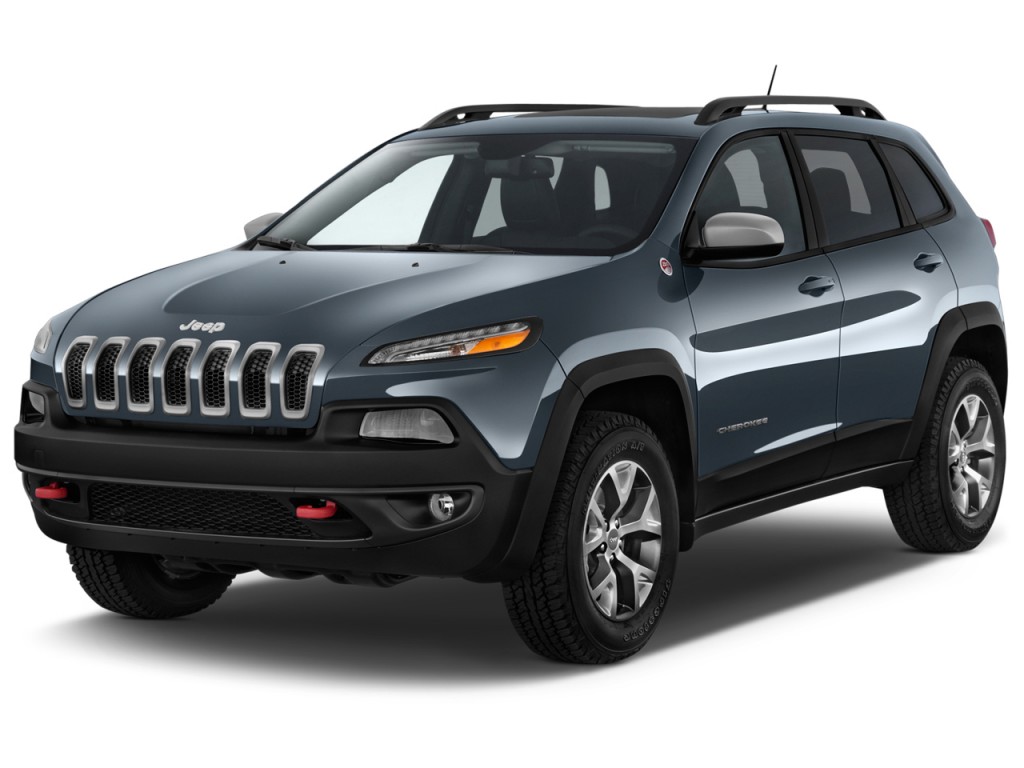
The 2015 Jeep Cherokee Trailhawk is a midsize SUV made for adventure. It looks tough, drives well off-road, and has become popular among people who want a reliable vehicle for both city and wild terrains. But is it really reliable, or are there hidden problems? If you’re thinking about buying this model, you want clear answers—not just opinions. Let’s break down the facts, check the numbers, and see if the 2015 Trailhawk stands up to its reputation.
Reliability Ratings And Real-world Data
Reliability scores help us see how often a car breaks down, needs repairs, or causes headaches for owners. According to J.D. Power, the 2015 Jeep Cherokee scored about 3 out of 5 for reliability. This is average for its class.
Most owners report that the Trailhawk lasts well past 100,000 miles if cared for. However, some had issues with transmission, electrical systems, and sensors. These problems were more common in earlier production months.

Owner Complaints And Common Issues
Based on data from CarComplaints.com and user forums, the most frequent issues include:
- Transmission problems: Jerky shifting, hesitation, and warning lights.
- Electrical faults: Problems with the infotainment screen, backup camera, and sensors.
- Engine stalling: Occasional reports of the engine shutting off unexpectedly.
Most issues happened within the first 30,000 miles. After repairs, the Trailhawk often became more stable.
Key Features Impacting Reliability
The Trailhawk stands out for its 4×4 capability, high ground clearance, and skid plates. These features are great for off-roading, but do they affect reliability?
Engine Choices
The 2015 Trailhawk offers two engines:
- 2.4L Tigershark I4: Known for good fuel economy and fewer problems.
- 3.2L Pentastar V6: Delivers more power but had some early reports of oil leaks.
Most experts recommend the 2.4L engine for reliability. The V6 is powerful but needs more regular checks.
Transmission
The 9-speed automatic transmission was new in 2015. It promised smooth shifting and better fuel use. However, many owners noticed rough shifts, especially when the car was cold.
Jeep released software updates to fix these issues. If you buy a used Trailhawk, check if these updates were done.
Off-road Technology
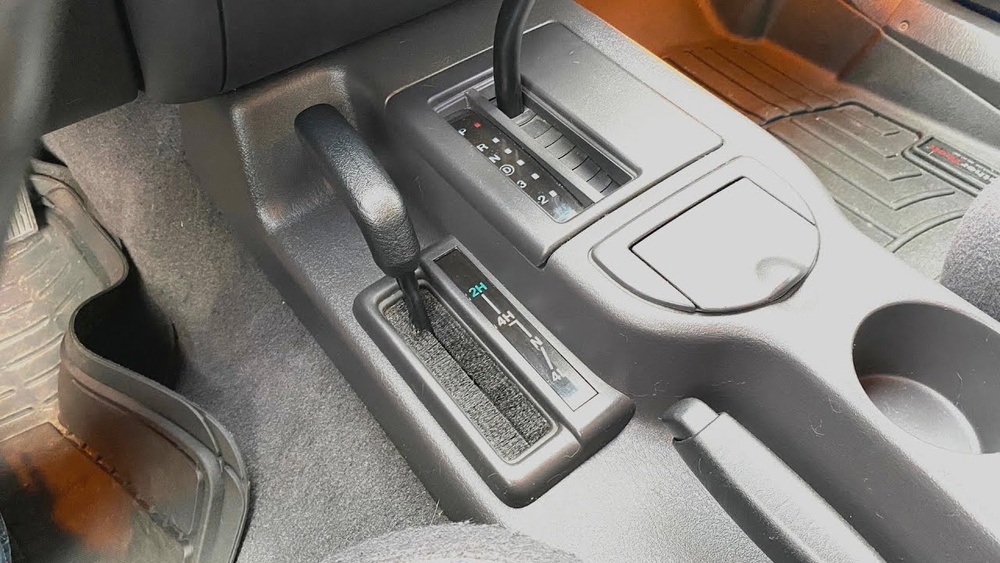
Trailhawk’s Active Drive Lock system is built for tough conditions. It rarely fails, but sensors may need recalibration after hard use.
Maintenance Costs And Longevity
Every car needs regular maintenance, but some cost more than others.
The average yearly maintenance for a 2015 Trailhawk is about $520. This includes oil changes, tire rotation, brake checks, and fluid replacements. If you drive off-road often, you may spend more on suspension and underbody repairs.
Longevity
With proper care, the Trailhawk often lasts 150,000–200,000 miles. Owners who follow Jeep’s service schedule and avoid harsh driving see fewer major problems.
Comparing Trailhawk Reliability To Other Suvs
How does the Trailhawk stack up against rivals like the Toyota RAV4 and Ford Escape? Here’s a quick comparison:
| Model | Reliability Score (J.D. Power) | Average Annual Repairs |
|---|---|---|
| Jeep Cherokee Trailhawk | 3/5 | $520 |
| Toyota RAV4 | 4/5 | $450 |
| Ford Escape | 3/5 | $480 |
The Trailhawk is close to its competitors but doesn’t beat the Toyota RAV4 in reliability.
Non-obvious Insights For Buyers
Many buyers only look at mileage or price. But you should also:
- Check for software updates: Transmission software fixes improve reliability.
- Inspect electrical features: Test all screens, cameras, and sensors before buying.
- Ask about off-road history: Heavy off-roading can wear out parts faster.
A surprising fact: Trailhawks used mainly for commuting tend to have fewer repairs than those used off-road. If possible, ask the seller about their driving habits.
Warranty And Support
The 2015 Trailhawk came with a 3-year/36,000-mile warranty and a 5-year/100,000-mile powertrain warranty. Most used models are now out of warranty, so repairs are your responsibility.
Jeep has a strong dealer network, so finding parts and support is easier compared to some brands.

Real Owner Experiences
Many owners say the Trailhawk is fun, comfortable, and safe. They like the Uconnect infotainment system and heated seats. Most reliability complaints come from the first year of ownership.
For example, one owner drove their Trailhawk for 80,000 miles with only minor issues. Another had transmission problems fixed under warranty and had no further trouble.
Data Table: Most Common Repairs
Here’s a look at the most frequent repairs and their costs:
| Repair | Frequency (%) | Typical Cost |
|---|---|---|
| Transmission software update | 22% | $120 |
| Infotainment screen replacement | 12% | $400 |
| Oil leak fix (V6 only) | 9% | $350 |
| Sensor recalibration | 7% | $90 |

Tips For Buying A Used 2015 Trailhawk
- Ask for service records: They show maintenance history.
- Get a professional inspection: A mechanic can spot hidden issues.
- Test drive: Pay attention to shifting and all electronics.
A smart buyer looks beyond the surface. If you follow these tips, you reduce the chance of buying a problem vehicle.
Frequently Asked Questions
Is The 2015 Jeep Cherokee Trailhawk Reliable For Daily Driving?
Yes, it performs well for daily use if maintained properly. Most issues are early and can be fixed.
What Are The Main Reliability Problems?
Transmission, electrical faults, and engine stalling are most common. Software updates solve many problems.
How Does Trailhawk Compare To Other Suvs?
It’s average in reliability but better in off-road ability. The Toyota RAV4 is more reliable, but less capable off-road.
What Maintenance Is Required?
Regular oil changes, brake checks, and software updates. Off-road use needs extra care for suspension and underbody.
Should I Buy A Used 2015 Trailhawk?
If service records are good and updates are done, it’s a solid choice. Get a mechanic’s inspection before buying.
The 2015 Jeep Cherokee Trailhawk offers strong features and decent reliability. It’s not perfect, but with careful buying and regular care, it’s a good companion for city and adventure. For more detailed data on reliability scores, visit J.D. Power.